CNC Machining G10 Sheet for Electrical Insulation Components
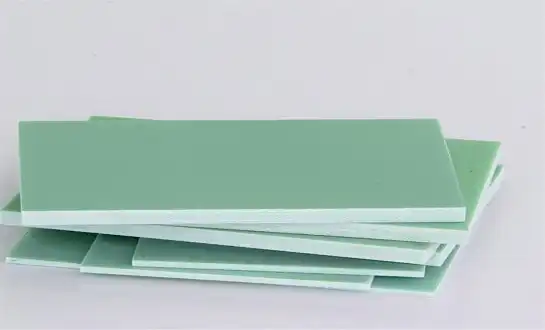
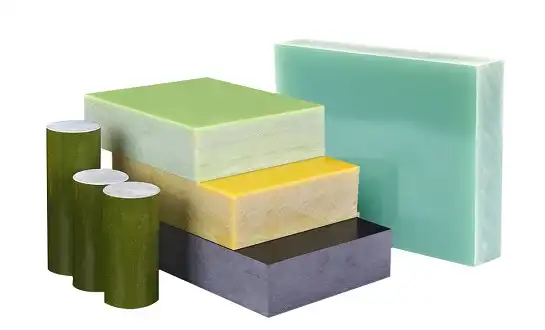
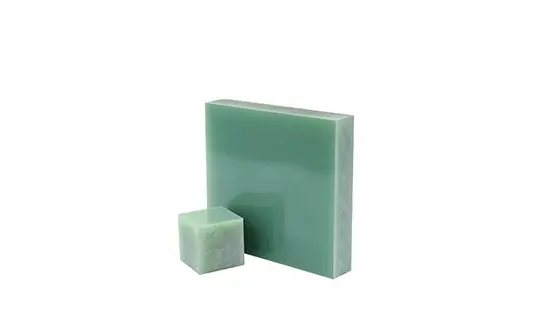
When electrical engineers and procurement managers search for precision-machined insulation solutions, G10 sheet consistently emerges as the benchmark material. This high-pressure fiberglass laminate combines exceptional dielectric strength with remarkable machinability, making it indispensable for switchgear assemblies, transformer barriers, and motor components. Unlike traditional phenolic materials, G10 maintains dimensional stability in humid industrial environments while resisting electrical breakdown under sustained high-voltage exposure, directly addressing the reliability concerns that keep technical teams awake at night.
Understanding G10 Sheet for Electrical Insulation
What Makes G10 Sheet a Superior Electrical Insulator
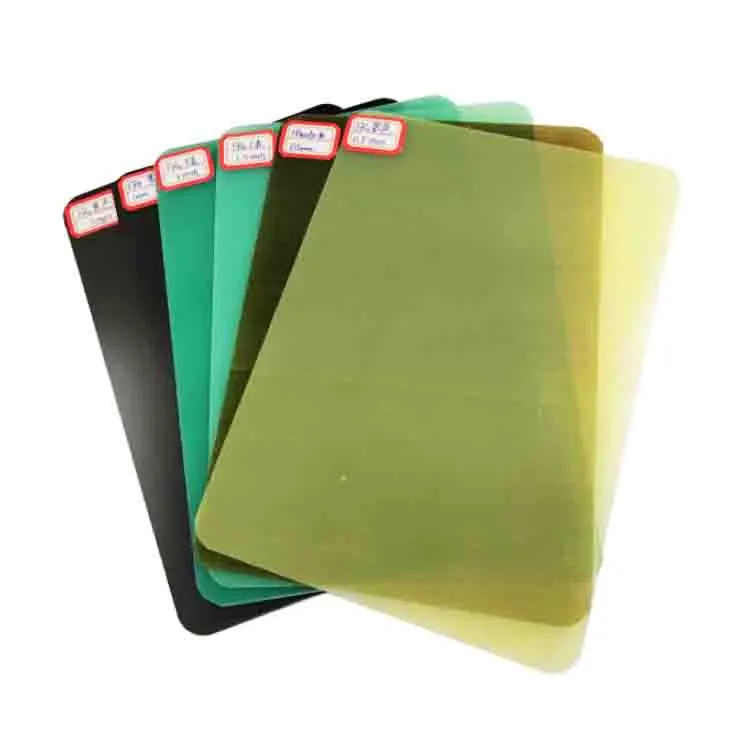
G10 sheet is an industrial thermosetting laminate made of continuous thread glass cloth that is fully mixed with epoxy resin binder. This material is made according to NEMA standards. Its amazing properties come from a high-pressure, high-temperature curing process that joins several layers of glass fabric into a single structure. We've been working with electrical manufacturers for 20 years, and this solution solves some of the biggest problems they've had: water absorption rates below 0.1% stop changes in size when the material is fully saturated, and the glass-epoxy matrix gives it much better volume resistivity than paper-based alternatives.
Core Material Properties for Industrial Applications
The technical details of G10 sheet directly translate into real benefits for people who design electrical systems. With a dielectric strength of more than 20 kV/mm and a continuous operating temperature of up to 130°C, this material reliably stops electrical leakage in small component layouts. Tensile strengths close to 410 MPa allow for thin-profile designs that don't compromise the strength of the structure. Today, switchgear and power distribution equipment is getting smaller and smaller, and every millimeter of space is valuable. These features take that into account.
Strategic Applications Across Electrical Manufacturing
G10 sheet has worked well as protection in places where other materials have failed. Precision-machined G10 sheet phase barriers and bus supports are used by companies that make high-voltage switchgear because the material doesn't allow arc tracking even after being exposed to contamination for a long time. Transformer makers choose G10 sheet coil separators because they keep their shape even when the temperature changes. Custom-cut G10 sheet wedges and slot liners are used on motor assembly lines to keep tolerances tight through automated insertion processes. This lowers the number of rejected parts and the time it takes to put them together.
CNC Machining Process for G10 Sheet Components
Specialized Tooling and Machining Parameters
Glass-reinforced epoxy laminates are not the same as metal or plastic when it comes to how they need to be machined. Carbide and diamond-tipped cuts are used on the factory floor because the rough glass fibers in G10 sheet quickly dull regular high-speed steel tools. With modest feed rates and spindle speeds between 12,000 and 18,000 RPM, you can get clean edges with no chance of delamination. Climb milling methods keep the smooth surfaces needed for electrical contact uses by reducing fiber pull-out along the cut edges.
Managing Production Challenges
The glass fibers in G10 sheet give it its strength, but they also make fine particles when it is machined. Effective dust extraction systems protect both the health of the workers and the accuracy of the machines. For example, glass dust that builds up on spindle bearings and electrical parts can cause them to fail. With sealed machining centers that have built-in vacuum systems, we can keep the work areas clean and up to safety standards. Coolant systems need to be carefully chosen. Water-based fluids can be used because cured G10 sheet doesn't take much water, but many processes run dry because they collect dust so well.
Scalability and Lead Times for Bulk Orders
To plan production for big sales of electrical equipment, you need to know how long it takes to make G10 sheet components. Standard thickness sheets in common sizes can be shipped within days, but custom CNC machining takes longer because it's more complicated. At industrial levels, simple production runs of bushings and spacers are finished in one to two weeks. Three weeks may be needed for complex multi-axis processes like contoured insulation shields with precise fixing holes. Our integrated logistics capabilities make the supply chain more efficient from getting the raw materials to delivering the finished product. This makes it easier for your procurement team to coordinate everything.
Comparing G10 Sheet with Alternative Insulation Materials
G10 Versus FR-4 Flame-Retardant Grade
A lot of engineers don't understand the difference between G10 sheet and FR-4, which is also flame-resistant. The main difference is in the brominated additives: FR-4 gets its UL94 V-0 fire rating from chemical flame retardants that aren't in standard G10 sheet. Because of this trade-off, G10 sheet usually has slightly better mechanical qualities, like higher tensile and bending strength, while FR-4 is better for uses where fire safety rules require materials that can put out fires on their own. We help our clients make this choice based on their unique needs for safety and mechanical load conditions.
Performance Against Phenolic Cotton Laminates
In some areas of electrical manufacturing, like those where cost is a big concern, traditional phenolic materials are still useful. The cost of phenolic cotton laminates is lower, but they are less resistant to water and high temperatures. Comparative tests show that G10 sheet keeps its electrical qualities in 95% humidity conditions, while phenolic materials break down in a way that can be seen. When it comes to precision parts, where warping can make alignment problems worse, the advantage of physical stability is very important. Often, procurement teams find that G10 sheet's longer service life and lower failure rate make up for the difference in price.
Economic Considerations in Material Selection
For big producers, the cost equation changes when prices change based on volume. The price of G10 sheets goes down as more of them are ordered, especially when they are supplied with CNC machining services as part of single-source partnerships. When compared to ceramic insulators, G10 sheet is lighter, which saves money on shipping costs for foreign sales. The benefit of being easy to machine means lower costs for secondary processing. For example, processes that might need to be ground on ceramics can be done quickly with conventional milling on G10 sheet, which lowers the total cost of the part.
Procurement Considerations for CNC Machined G10 Components
Selecting Reliable Manufacturing Partners
We know what makes a great G10 sheet seller different from a bad one after 20 years of experience. Quality certificates are the building blocks. For example, ISO 9001 systems make sure that processes are consistent, and ROHS and UL compliance paperwork meets government standards. Material traceability systems keep track of lots of raw materials all the way through to finished parts. This lets you figure out what went wrong if problems happen in the field. Well-known suppliers keep extra sheets of popular thicknesses on hand in case there are problems getting raw materials, which can happen in the composites business from time to time. This keeps your production plan safe.
Navigating the Ordering Process
Clear channels of communication shorten the time it takes from the first question to the delivery of parts. Technical buying teams benefit when sellers give them specialized engineering contacts who know how to use electrical insulation. Our process starts with reviewing the application. Knowing the power levels, weather conditions, and mechanical loads lets us suggest the best material grades and limits for machining. Sample production runs let you test designs before committing to full-scale orders. This lowers the chance of having to make expensive changes to the designs after investing in tools.
After-Sales Support and Quality Assurance
The connection goes beyond just delivering parts. Every package comes with a lot of quality paperwork. Material certifications, dielectric strength test results, and records on measurements help your internal quality systems keep track of everything. When setups in the field sometimes run into problems that were not expected, quick expert support helps figure out whether the problems are caused by the material's properties, differences in how it was machined, or the conditions of the application. Your investment is protected by warranty terms that cover manufacturing defects. However, properly manufactured G10 sheet parts rarely fail early when used within the rated specifications.
Best Practices and Maintenance of CNC Machined G10 Electrical Components
Storage and Handling Guidelines
Using the right storage methods is the first step in keeping G10 sheet components in good shape. Even though epoxy laminates that have been sealed don't absorb water, they should be kept in a controlled climate that is between 15°C and 30°C and has a relative humidity below 70%. This keeps the surface clean, which could hurt the dielectric's performance in sensitive situations. Large sheets don't bend when they're stored flat, which is especially important for thin materials that are waiting to be machined. Protective packaging keeps edges from getting damaged by bumps while being handled. Chipped corners can cause stress clusters that spread when the item is mechanically loaded.
Inspection and Preventive Maintenance
Regular checking finds problems before they hurt the system's performance. Cracks in the surface, delamination at the edges, or discoloration that can be seen with the naked eye are all signs of thermal exposure above the recommended limits. Electrical testing procedures make sure that the resistance of the covering hasn't dropped below certain levels. In places with a lot of vibration, mounting gear needs to be checked on a regular basis to make sure it stays properly torqued. Because G10 sheet is rigid, loose parts can break instead of bend. These easy steps will make parts last longer and keep them from breaking down when they're least expected.
Future Innovations in G10 Technology
New developments in material science keep making the G10 sheet better. New resin mixtures being tested push constant working temperatures closer to 180°C, which means they can be used in a wider range of harsh environments. Better ways of sewing glass fabrics together make laminates with more accurate thickness tolerances. This cuts down on waste during machining and makes it possible for component shapes to be thinner. Surface treatment technologies make things more resistant to chemicals that are used in harsh industrial settings. Keeping up with these changes helps engineering teams make plans that will work in the future and keep their competitive edge in markets that are changing quickly.
Conclusion
G10 sheet is the best material for electrical insulation because it has been used in many difficult industry settings and has always worked well. When you combine better dielectric qualities with easy machining and stable dimensions, you solve some of the biggest problems that electrical equipment makers face. With CNC machining, raw laminate can be turned into precise parts that meet the strict requirements for switchgear, transformers, and motor assemblies. Your team will be able to confidently define G10 sheet parts while improving supply chain efficiency and total cost of ownership if they know how to choose materials, machine them, and buy them in the best way.
FAQ
How Does CNC Machining Affect G10 Electrical Properties?
When CNC processes are done correctly, the insulation properties of G10 sheet are kept throughout the finished part. With the right settings and sharp tools, you can avoid damaging the ground below, which could lead to the creation of electrical paths. Edge quality is important—clean cuts keep the resin seal around the visible glass fibers, which stops water from getting in and lowering the volume resistance over time.
What Quality Checks Ensure Bulk Order Consistency?
Tolerances are checked across production runs using coordinate measuring machines to confirm measurements. Testing the dielectric strength of sample parts confirms that the electrical performance is always the same. Visual inspection can find flaws on the surface or signs of machining. We use statistical process controls to keep an eye on important factors while the parts are being made, making sure that every part meets your needs.
Can G10 Components Be Customized for Specific Applications?
One of the best things about CNC machining is that it can be customized. G10 sheet can be used in a wide range of situations because it has complex shapes, precise hole designs, and curved surfaces. Our engineering team works together to improve designs by combining the needs of functionality with the speed of production. This way, we can give you cost-effective solutions that solve your electrical insulation problems.
Partner with J&Q for Premium G10 Sheet Solutions
If you need G10 sheets, J&Q can help. They have been making high-quality products for over 20 years and have been trading with other countries for ten years. Our vertically integrated operations include supplying materials, using precision CNC machines, and providing dedicated logistics services. This gets rid of the coordination problems that come up with supply lines that have more than one provider. As a well-known company that makes G10 sheets, we keep a lot of stock on hand and can machine them quickly to meet tight schedules without lowering the quality of our work. Email our technical team at info@jhd-material.com right now to get your free sample and detailed quote. Let us show you how our wide range of skills and focus on the customer can help you quickly and easily with your electrical insulation component needs.
References
1. National Electrical Manufacturers Association. "NEMA Standards Publication LD 3-2020: High-Pressure Decorative Laminates." National Electrical Manufacturers Association, 2020.
2. Harper, Charles A. "Handbook of Plastics, Elastomers, and Composites." Fourth Edition, McGraw-Hill Professional, 2002.
3. Society of Manufacturing Engineers. "CNC Machining of Composite Materials: Best Practices and Process Optimization." SME Technical Paper Series, 2019.
4. ASTM International. "ASTM D709-20: Standard Specification for Laminated Thermosetting Materials." ASTM International Standards Worldwide, 2020.
5. Institute of Electrical and Electronics Engineers. "IEEE Std 4-2013: IEEE Standard for High-Voltage Testing Techniques." IEEE Standards Association, 2013.
6. Chawla, Krishan K. "Composite Materials: Science and Engineering." Third Edition, Springer Science & Business Media, 2012.

Get a complete product list and quotation
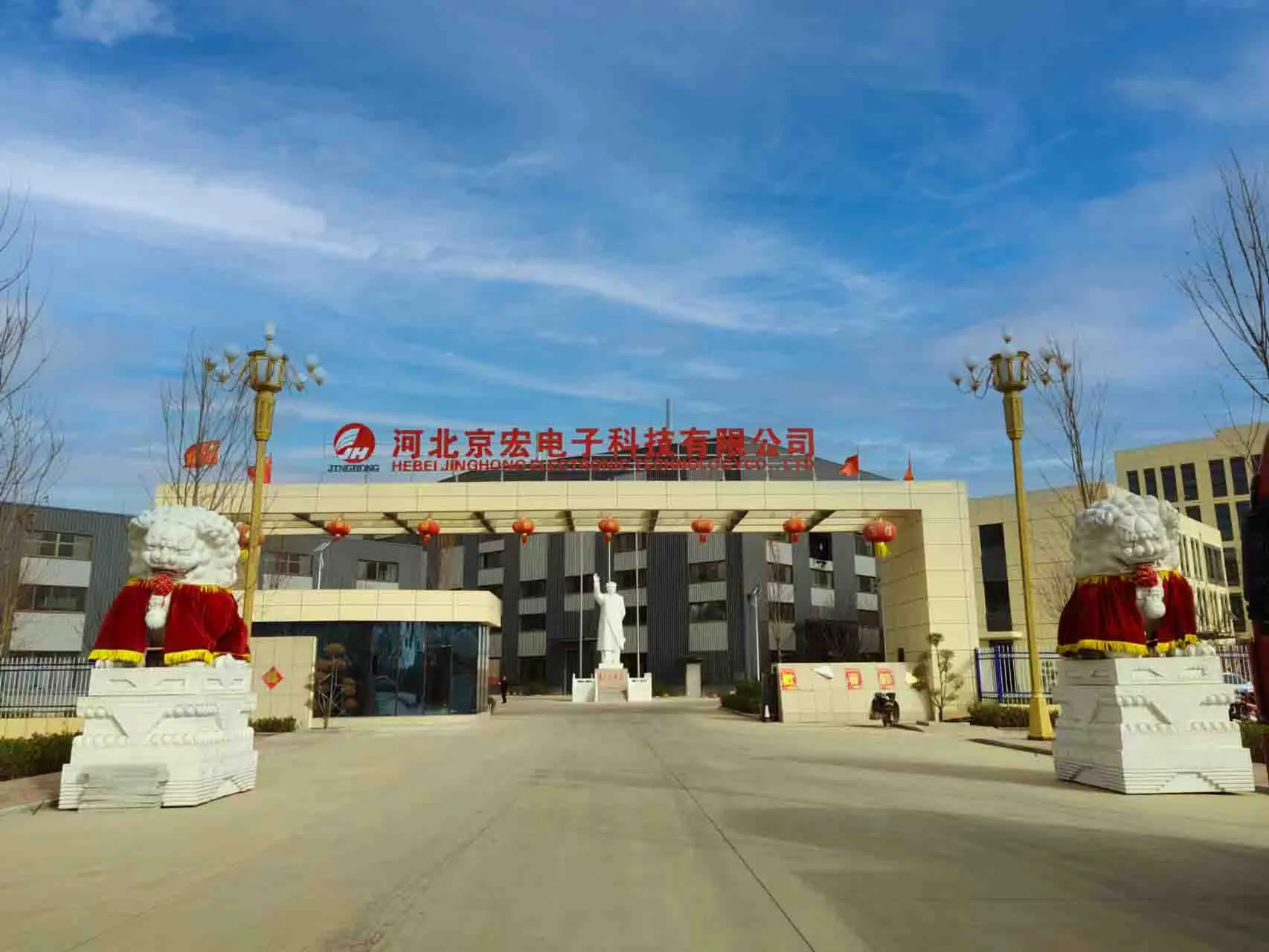
J&Q New Composite Materials Company