G10 FR4 Sheet Production Equipment: How to Avoid Costly Sourcing Mistakes
To avoid costly sourcing mistakes with G10 FR4 Sheet, check the equipment behind the sheet, not only the price per kilogram. Resin impregnation lines, hot presses, curing controls, and test instruments determine thickness consistency, void content, flatness, and dielectric performance. Ask every supplier for batch-linked test records, thickness-specific data, and proof of the production process. Then confirm the results with samples before you place a bulk order. We have produced and sold insulating sheets for more than 20 years, and this guide shows which questions to ask, which documents to request, and how to compare quotes on total cost.
Introduction: Why G10 FR4 Sheet Equipment Selection Matters
G10 FR4 Sheet can be used to make spacers, test stands for PCBs, cell phone battery packs, and terminal boards. People who buy standard or odd sizes from other countries can use this guide. People who buy, engineers, wholesalers, and OEM teams should all use it.
The Most Common G10 FR4 Sheet Sourcing Mistakes
A lot of trouble starts before the order even leaves. It doesn't matter that G10 and FR4 are different houses; people only sign off on sheets by their names. Some people don't do a factory review because they like the quote, or the general data sheet doesn't match the width they asked for. Some teams don't include rules for boundaries, flatness, or rejection in the buy order. In case you don't get it, this means there is no written rule that can settle the issue. The loss of machine tools is another weak spot. If you don't do kerf and edge trim, your cut-to-size order might not give you enough pieces. All of these mistakes can be avoided if you are clear about what you need and provide written proof.
The Cost of Choosing the Wrong Production Equipment
Tools are a big part of this, as you can see from the price list. If the press doesn't press down on all sides of the sheet with the same amount of force, your CNC program could cut parts that aren't right. This could change how big it is. Between layers can form gaps or not stick together well if you don't have enough control over the resin. In addition to making delamination more likely, this makes the dielectric work less well while it's being used. It's possible for a line of things to not be put together or be sent back if an insulation part breaks. When you have to send back a lot of things, the costs of shipping, customs, and checks keep going up. It is usually worth the extra cost to have a managed process because it saves money on parts that need to be thrown away.
What Is G10 FR4 Sheet?
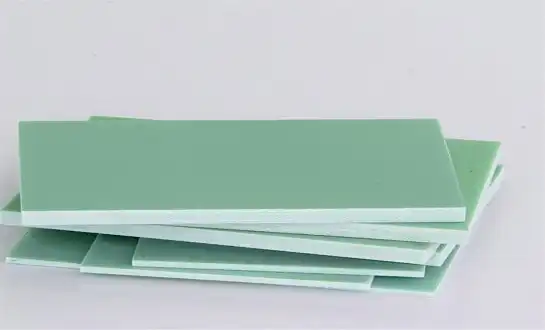
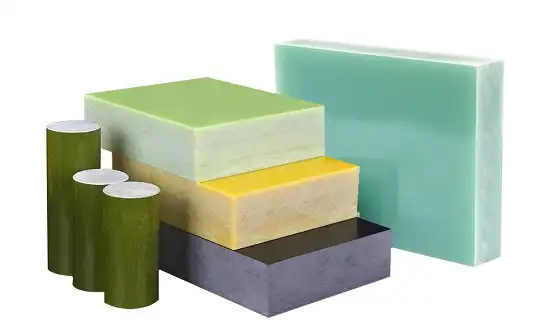
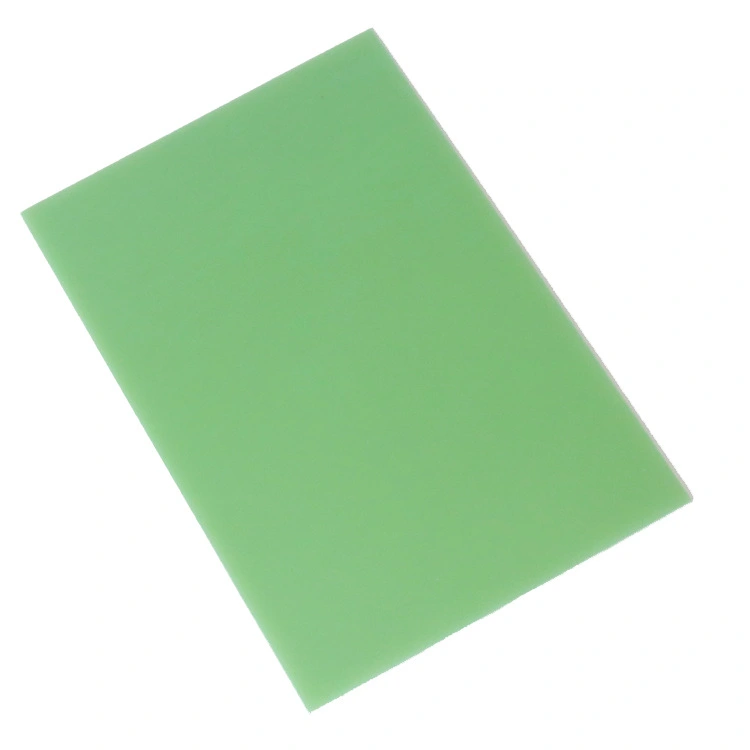
G10 FR4 Sheet is made from electrical-grade epoxy glue and woven glass cloth that is heated a lot. It's stiff and strong, and it doesn't change much when it's hot or cold. Also, electricity can't pass through it. The JingHong sheets we sell are made of 7628 paper and epoxy resin. It's a light green color and has UL94V0 and NEMA grades. They can be anywhere from 0.3 mm to 100 mm thick. Built circuit boards with these materials for the first time by an engineer. Today, it's used to make gears, insulation plates, test jigs, and PCB testing tools, among other things.
Core G10 FR4 Sheet Production Equipment and Its Quality Impact
At the end, the sheet has marks from each step of the way. From the first check to the last, this is what you should look for.
Fiberglass Cloth Preparation, Resin Impregnation, and Lay-Up Equipment
They start with glass cloth, like the 7628 electrical cloth we use. The cloth goes through a line on it, and epoxy resin sticks to it. Once it's cool, it goes into an oven that dries out some of the resin to make prepreg. The oven temperature, the amount of glue, and the line speed must all stay the same for the sheet to press properly. What does the line say about how the plastic is picked up? Do the workers keep track of how each batch is set up? After that, the prepreg plies are stacked and lined up. To avoid curves, dust buildup, and weak layers, wipe down your work and line things up straight.
Hot Press, Lamination, and Curing Equipment
The hot press is the most important part of the process. It warms and pushes on the stacked prepreg to make the glue flow, fill in the gaps, and harden into a slab. How thick, smooth, and full of holes the material is is affected by how flat the platen is, how much pressure is kept constant, and how the temperature is managed. The heat has to go through the whole stack of thick sheets, so the fix times are longer. Uneven cooling can also leave stress in the material, which can cause it to twist later on. So it's important to have controlled cooling under pressure. Find out what the service provider does to keep an eye on each press. A claim about everything is not a good answer.
Cutting, CNC Machining, and Testing Equipment
Sheets are cut to sizes like 1020 mm x 1220 mm or 1220 mm x 2440 mm after they have been pressed. The amount you can cut is based on how straight and well your edges are cut. When you buy machined parts, keep in mind that glass fibers quickly dull tools. Most shops don't make a lot of dust because they cover their tools in carbide or diamond. The loop is closed by a test kit. Standards like ASTM D149, ASTM D790, ASTM D570, and UL 94 say that you should look for tools that can measure thickness, electrical strength, bending strength, water absorption, and flammability. You should not ask for general certificates, but for records of testing and reports that are linked to pairs.
How to Build a Technical Specification Checklist for G10 FR4 Sheet
While writing down your thoughts, they can become rules that you can use to decide if something is okay. Also, you can tell the company what you want them to do before they start. Do simple things first. For each line of your buy order, write down the sheet size, width, and range of sizes.
Dimensions, Thickness, and Tolerance
Everyday sizes like 1020 mm x 1220 mm, 1220 mm x 2440 mm, and 1020 mm x 2020 mm are available. It comes in three sizes: 1030 mm x 2030 mm, 1030 mm x 1030 mm, and 1030 mm x 2070 mm. It could be anywhere from 0.3 mm to 100 mm thick. Also, people who make machines and tools should be limited in how flat a sheet can be made. This is because a sheet that isn't flat can hurt the fixed pieces and gap stacks. Not having to pay as much is better than being able to nest well. Choose a size that works with how your parts are set up.
Electrical, Thermal, and Flame Retardant Requirements
Third, write down the dielectric strength, working temperature, and flame grade that your design needs. This is why you need to know the difference between FR4 and G10. If you don't want halogens, you can use FR4 instead of G10 on a drawing. It meets UL94 V-0 standards and doesn't catch fire. When the scene calls for it, G10 can never be used instead of FR4. Normal grades usually turn into glass at temperatures between 130 and 140 °C. Write down the hottest temperatures that your power and cars can handle, and then ask for test data that fits those temperatures. UL94V0 and NEMA marks are on our sheets.
Mechanical, Surface, and Machining Requirements
Wear parts like gears, spacers, and spacers that are under a lot of stress can be made stronger by making them more resistant to chemicals, waterproof, and able to bend. What testers should look for is if you describe the surface quality, the natural light green color, the labels, and the marks that show where the item was tracked. If you want to drill, route, mill, or cut the sheet, talk about its plans and sizes. Talk about how it was packed too. You can ask us more about how we keep sheets safe when you send us your question. Make sure the price includes the cost of handling as well. There may be costs that were not planned for if the scale is not clear.
How to Evaluate a G10 FR4 Sheet Manufacturer or Supplier
You should be careful when you buy something from another country. A quick look at the skills, paperwork, and service history proves something that wasn't clear before.
Production Capability and Equipment Verification
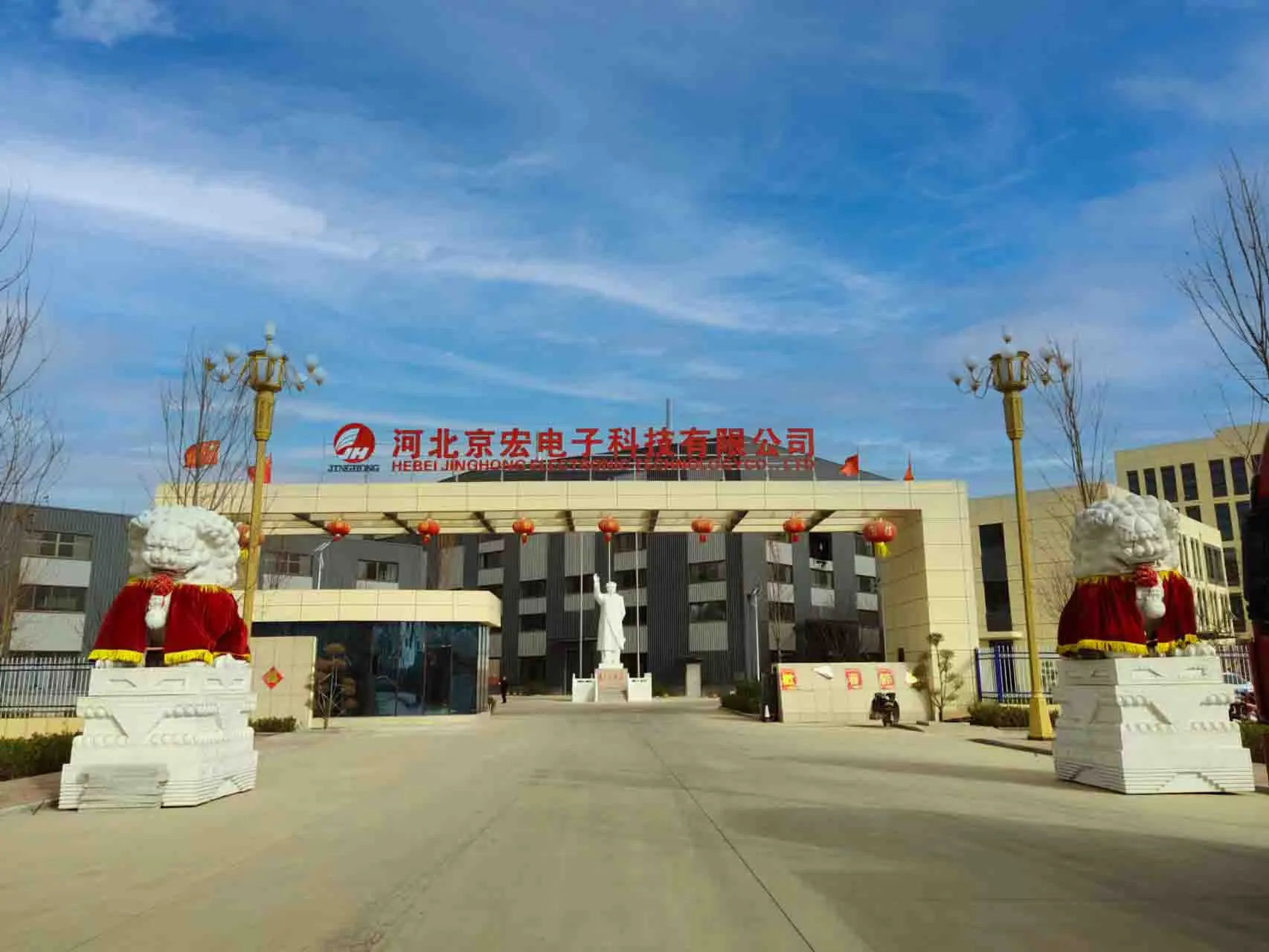
Ask how much is made every month, what sizes and thicknesses are available, and if you can see photos or a video of the equipment. You feel safe when you're big. The two JingHong businesses make 43,000 tons of goods every year. The new business started making things in October 2022. Because the workshop is fully automatic, the quality doesn't change from one lot to the next. This sheet can make 30,000 tons of work every year. And don't forget to tell us and all of your other suppliers about these things. What is said should be matched by the presses, lines for impregnation, and test equipment. A third party can visit the plant, live call, or do an audit to do this.
Technical Documentation and Quality Traceability
When ordering a G10 FR4 Sheet, always check that the technical data sheet includes the test methods, material thickness, and most recent revision date. Avoid relying on generic documents that lack clear dates or specify no testing standards, as these can make it difficult to verify product quality. For every G10 FR4 Sheet shipment, request test reports with batch numbers so that the results can be traced directly to the delivered materials. This traceability helps manufacturers identify and resolve quality issues more quickly by linking potential defects to specific production runs. For large orders of G10 FR4 Sheet, it is also important to review records covering incoming raw materials, manufacturing processes, and final product inspections. These documents provide a clearer picture of quality control throughout the supply chain. For applications involving safety-critical components or high-voltage electrical systems, consider having an independent laboratory test a sample of the G10 FR4 Sheet to verify that it meets the required specifications. By maintaining complete documentation, verifying batch traceability, and conducting appropriate independent testing, buyers can reduce procurement risks and ensure consistent material quality when sourcing G10 FR4 Sheet products.
Global B2B Experience, Stock, and Lead Time
Orders to be sent abroad need to have the right paperwork, be safely packed, and be shipped at times that work for you. Over the past 20 years, we've made and sold insulation sheets. For over 10 years, we've also done business with other countries. We've worked with trade firms in the UK and other places for a long time. Because we have our own transportation business, you only have to deal with one group from the time items are made until they are delivered. You are the first person whose order is going to be filled. You can pay with T/T, and the least you can order is 500 KG. Let us know as soon as possible when you need it, and we'll let you know if it's in stock and how long you'll have to wait.
A Practical Supplier Verification and Acceptance Process
Thank you! After the first touch, you need to do six things before you can buy more. Test your app with the right amount of work for how dangerous it is.
Steps 1 and 2: Define the Application and Issue a Complete RFQ
First, describe what the part does and how bad it would be if it broke. Another type of risk is an arc barrier in switchgear or a battery pack barrier. A spacer in a home appliance is not the same. Send a full RFQ package that includes drawings, information about the goods' size, thickness, tolerance, grade, color, estimated number, packing needs, where the goods will be sent, and when they need to be shipped. First, make a list of the UL or RoHS papers that your program needs. Then, call the service and ask what it can do. With a full RFQ, anyone who wants to can make an offer on the same subject, so you can compare like with like.
Steps 3 and 4: Compare Responses and Approve Samples
Third, when you do this, make sure you compare more than just price. Check the fit technically, the paperwork, the lead time, the MOQ, the freight terms, and how quickly they respond. For each quote, you should include the costs of freight, imports, inspection, scrap, and fixes. It's possible for the best price per unit to cost more after a lot is turned down. Fourth, ask for samples to make sure they meet your needs. Check how thick it is, how flat it is, how well it takes to machine, and how well it works electrically. Do a test order first before you buy a lot of them for a big project. Get a pilot lot instead of a failed full order. It costs less and lets you see how the supplier packs and sends the goods.
Steps 5 and 6: Pre-Shipment Inspection and Performance Review
Fifth, check again before you send. Compare the purchase order with the batch records, labels, box packing, amount, size, thickness, appearance, and labels. If you want to refuse or change something, you should write it down. Sixth, keep track of how many problems there are, how many deliveries happen on time, how good the paperwork is, and how claims are handled once the goods arrive. Based on those records, make a list of sources that are okay to work with. Making this a habit also helps sourcing managers explain to the tech and finance teams why they made the decisions they did, and it speeds up that process.
Conclusion
Don't just look at how much G10 FR4 Sheet costs per unit. Also, check out how the sheet is made. As the product is hot-pressed, cooled, trimmed, and tested, resin is used to keep an eye on the thickness, voids, flatness, and electrical performance. The buyer and seller can set a measurable goal if they both know the difference between G10 and FR4 and have a written standard that includes size, range, temperature limits, flame rating, and surface needs. To find a good supplier, check out their past work, data sheets, capacity, lead time, tools, and ability to keep track of batches. That's what these checks are for: proof. There are six steps: RFQ, sample, pilot order, inspection, and review. Being worth a lot more than the unit price doesn't really show.
FAQ
Is G10 the same as FR4 sheet?
No, FR4, which is the flame-resistant grade of G10, does not meet UL94 V-0. FR4 can be used instead of G10 most of the time, but not when the drawing says to.
What equipment is essential for G10 FR4 Sheet production?
And a hot press that lets you change the heat and pressure. You also need tools for cutting and cooling, as well as tools that can check the thickness, electrical strength, and fire safety.
How can buyers verify G10 FR4 Sheet quality?
If you want to know more about thickness, ask for test reports and data that are linked by batch. The most dangerous parts should be sent to a different lab, and a test order should be placed.
Can G10 FR4 Sheet be customized or cut to size?
What size do you need? It can be 1030 mm x 2030 mm, 1030 mm x 1030 mm, or 1030 mm x 2070 mm. Send us pictures and phone numbers to make sure we know what you need.
What factors affect G10 FR4 Sheet price?
The thickness, size, amount, grade, packing, where it's going, and the freight all play a role in the price. Look at the full price, not just the price of the sheet.
Request a G10 FR4 Sheet Production and Sourcing Review from J&Q
Want to buy G10 FR4 Sheet from a company that ships it all over the world and helps with technical issues? J&Q hasn't sold JingHong sheets in over 20 years. We also have our own shipping business. We have sheets that start at 500 kg and can be made to any size you need. They range in thickness from 0.3 mm to 100 mm. Send an email to info@jhd-material.com with your plans, how much material you need, and where you'd like it sent. To learn more, visit blog.jhd-material.com.
References
1. ANSI/NEMA LI 1 Industrial Laminated Thermosetting Products, NEMA, 1998
2. UL 94 Tests for Flammability of Plastic Materials for Parts in Devices and Appliances, UL Standards, 2023
3. ASTM D149 Standard Test Method for Dielectric Breakdown Voltage and Dielectric Strength of Solid Electrical Insulating Materials at Commercial Power Frequencies, ASTM International, 2020
4. ASTM D790 Standard Test Methods for Flexural Properties of Unreinforced and Reinforced Plastics and Electrical Insulating Materials, ASTM International, 2017
5. ASTM D570 Standard Test Method for Water Absorption of Plastics, ASTM International, 2022
6. IPC-4101 Specification for Base Materials for Rigid and Multilayer Printed Boards, IPC, 2021

Get a complete product list and quotation
J&Q New Composite Materials Company