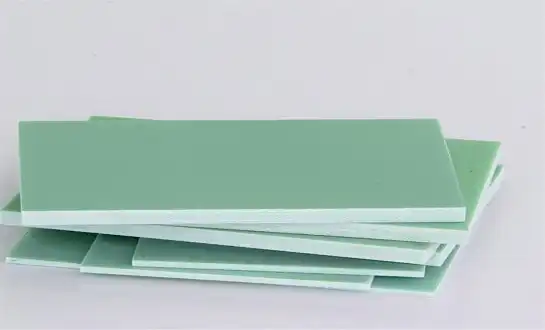
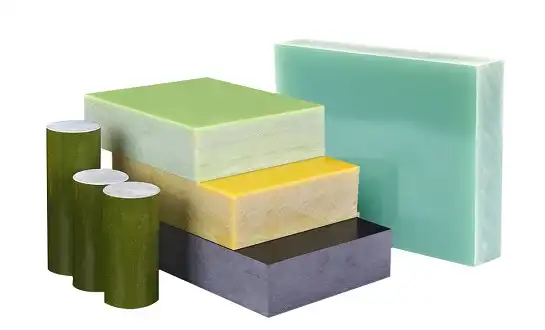
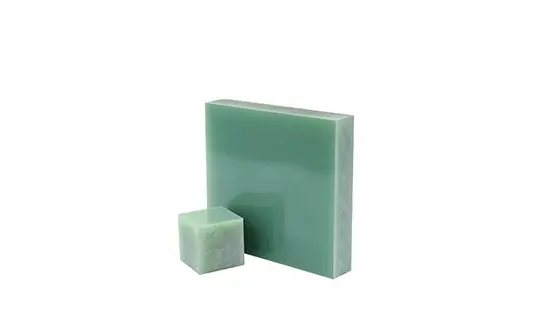
G10 ESD Epoxy Board Production Meets Precision Industrial Requirements
G10 ESD Epoxy Board represents a breakthrough in static-dissipative composite materials, engineered specifically for electronics manufacturing environments where electrostatic discharge poses catastrophic risks to sensitive components. This advanced fiberglass-epoxy laminate incorporates controlled conductive additives that maintain surface resistivity between 10⁵ and 10⁹ Ohms, effectively channeling static charges away from vulnerable circuits while preserving the mechanical robustness and thermal stability that precision industries demand.
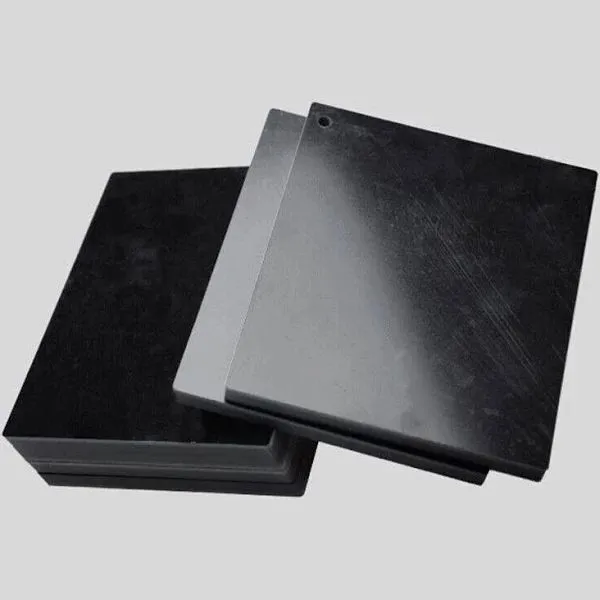
Understanding G10 ESD Epoxy Boards: Properties and Technical Specifications
There is a fundamental tension between electrical protection and static control that engineering managers face when they look at insulation materials for PCB support structures or switchgear assemblies. Standard G10 boards are great at keeping heat in, but they can build up dangerous static charges. Metal options get rid of static worries, but they also increase the risk of short circuits and add extra weight. The static-dissipative version fills in this gap with smart material engineering.
Core Material Composition
The base is made of knitted fiberglass cloth, usually E-glass grade for the best dielectric strength, that has been mixed with modified epoxy resin systems. During the layering process, carbon-based conductive fillers spread out evenly in the resin matrix, making regular electrical paths. This is very different from surface treatments that disappear when CNC machines cut them or when they are handled over and over again. The volumetric integration makes sure that every cut edge and drilled hole keeps its ESD-protective qualities. This is a very important benefit for parts with complicated shapes.
Performance Characteristics That Matter
Manufacturers of electronics and electrical goods set specific standards when choosing base materials. The static-dissipative grade keeps its dielectric strength above 15 kV/mm in all directions, meeting UL standards for electrical equipment. The thermal performance stays the same from very cold temperatures to 130°C for long periods of time, and some special formulations can even handle 155°C. It has mechanical qualities like tensile strength above 310 MPa and bending strength above 415 MPa, which allow for thin-profile designs without compromising structural integrity.
The material is very stable in terms of its shape, and it absorbs less than 0.1% of moisture even in damp places. This is an important quality for power distribution equipment that works in coastal or tropical areas. Chemical resistance to transformer oils, cleaning solvents, and industrial lubricants makes things last longer in harsh working conditions. Because of these qualities, the material is better than phenolic options that break down when heated and cooled, or normal FR4 that doesn't protect against static electricity well enough.
Compliance and Certification Standards
When procurement teams have to deal with complicated regulatory environments, they like materials that meet recognized standards without needing a lot of qualification testing. The static-reducing epoxy laminate usually has UL94 V-0 flame ratings, is in line with ROHS rules for dangerous substances, and is in line with REACH rules for European markets. Manufacturing sites that are approved to ISO 9001 quality systems provide tracking paperwork that meets the needs of aircraft suppliers and car tier-1 checks.
Precision Production Process of G10 ESD Epoxy Boards
Connected CNC equipment talks to enterprise resource planning systems, which lets you see how G10 ESD Epoxy Board materials are processed and managed throughout production. In corporate supply lines, strategic partners are different from commodity suppliers because they are consistent with how they make things. Our production method, which has been improved over 20 years of working with companies that make electrical tools and machinery, uses quality gates at every stage of the change process.
Raw Material Selection and Preparation
The first step in the process is to check the fiberglass cloth for even weave and the resin systems for the right thickness. Electronic-grade glass cloth has its surface treated to make resin stick to it better, and conductive additives are measured to very tight standards and added to epoxy mixtures. This accuracy makes sure that each batch is the same, which is important for OEM clients who need to make a lot of things. Automated mixing systems get rid of the need for humans to change how additives are distributed, and spectroscopic analysis confirms the composition before production starts.
Lamination and Curing Protocols
To keep things from getting dirty, several layers of cloth that have been saturated with glue are stacked in a controlled atmosphere. During the curing cycle, hydraulic press systems use precisely calibrated profiles of pressure and temperature. Rapid-cure methods lose some of their mechanical properties, but our extended thermal ramp cross-links the whole thickness of the laminate. Embedded thermocouples check the core temperatures to make sure that the polymerization is constant, which is important for making sure that the finished sheets have the same electrical qualities.
Cooling happens in stages so that internal stresses that could cause large-format panels to twist are kept to a minimum. Post-cure heat treatment raises the temperature at which the material turns into glass and keeps the measurements stable. This is especially important for precision-machined parts that need to stay within tight limits when the temperature changes.
Quality Assurance and Testing Regimens
Surface resistivity mapping is done on every production lot using calibrated electrodes in standard conditions of humidity and temperature. Testing for dielectric breakdown confirms the stability of the insulation, and measuring thermal deflection confirms the heat resistance values. As part of mechanical testing, the flexural strength and impact resistance are checked. Coordinate measuring tools are used in dimensional checking to make sure that the thickness of all panel areas is the same. For normal grades, the tolerances are usually within ±0.05mm.
Shipments come with documentation packages that have things like material approval records, resistivity test data, and temperature stability curves. This helps customers' quality processes and makes it easier to solve problems quickly if they come up in the field. Long-term procurement experts in the power sector really like this level of strict documentation when they are looking at materials for projects that will last for ten years or more.
Comparing G10 ESD Epoxy Board with Other ESD Materials – Decision Support for Buyers
Technical choices about what to buy are helped by being able to clearly see how different materials work. Knowing these differences helps engineering teams come up with the best solutions for each application.
Standard G10 Versus Static-Dissipative Variants
Traditional G10 laminates have great mechanical qualities and electrical protection, but they only act as insulators. During assembly, static charges can build up on surfaces, which may cause discharges when parts come into contact with grounded surfaces or conductive tooling. G10 ESD Epoxy Board retains the same strength and machinability as traditional G10 while incorporating limited conductivity to provide electrostatic discharge protection. This allows accumulated charges to be safely released without compromising the insulation between circuit lines or high-voltage components. This dual functionality is especially valuable for machinery manufacturers that produce test fixtures used in semiconductor handling and inspection.
ESD FR4 Considerations
The most common PCB base material is FR4, which comes in static-dissipative forms. Even though FR4 is cheap for circuit boards, it is not as strong as glass-epoxy grades, which means it can't be used for structural purposes. High-temperature epoxy types can handle temperatures up to 155°C, but most only work up to 130°C. When automotive part manufacturers are making battery pack barriers or motor insulation, they are choosing the stronger epoxy alternative more and more. This is because epoxy is better at resisting heat and static electricity.
Phenolic Cotton Alternatives
Because they are cheaper, phenolic cotton laminates are sometimes used in industrial machinery. The mechanical properties of these materials are pretty good, but their electrical properties and resistance to moisture are not as good. The mix of resin and glass keeps its shape better in damp situations and keeps its dielectric strength over a wider temperature range. Equipment used for power distribution that is outside benefits a lot from being more resistant to the environment.
Maximizing Value: Applications and Advantages of G10 ESD Epoxy Boards in Industry
Knowing where this material has the most effect helps buyers defend their choice of specifications and improve application engineering.
Electronics Manufacturing Applications
Custom-machined carts and carriers are used on SMT production lines to move PCB assemblies through reflow ovens and wave soldering machines. Static-dissipative traits keep sensitive ICs safe from ESD events while they are being handled, and thermal stability lets them handle being heated and cooled many times. Test fixture bases are non-conductive fixing surfaces for automatic inspection systems that keep signals from getting messed up and keep static charges safe. Because the material is easy to machine, it can be used to make precise parts like alignment pins, vacuum channels, and component packing pockets.
Automotive and Transportation Uses
Insulation barriers are put between cell modules and structural housings in electric vehicle battery systems. G10 ESD Epoxy Board provides flame resistance, dielectric strength, and static control in a single component to meet multiple safety requirements. Fixtures that can handle heat and support robotic welding help maintain measurement accuracy even when exposed to heat from other processes. R&D engineers value the ability to customize prototype tools, while quick-turn CNC manufacturing supports efficient iterative design processes.
Industrial Equipment Integration
Arc barriers that can handle electrical problems and stop flames from spreading are needed for switchgear systems. The material can be used for these important safety tasks because it has a V-0 flame grade and high arc protection. The thermal stability and mechanical durability are good for motor parts like insulation frames and brush holders. Manufacturers of home appliances are creating control panel substrates like how well the performance qualities balance with how cost-effective the material is for mass production.
In new areas, the growth of 5G networks and the widespread use of Internet of Things (IoT) devices are increasing the need for improved base materials. Cleanrooms in semiconductor and pharmaceutical plants are specifying static-dissipative surfaces for workbenches and equipment platforms more and more. This is because the material protects against both contamination and ESD.
Procurement Guide: How to Buy G10 ESD Epoxy Boards with Confidence
A successful buying process includes more than just technical details. It also includes the dependability of the supply chain, the terms of the deal, and the quality of the relationship.
Specification Development
Start by figuring out what thickness, sheet size, and surface resistivity ranges you need for your project. Manufacturers of electrical tools usually list thicknesses between 0.5 mm and 50 mm, based on whether the priority is structure or insulation. The goals for surface resistivity should match the ANSI/ESD standards for your industry. Keeping track of outdoor exposure conditions like high and low temperatures, chemical contact, and humidity levels helps providers suggest the best formulas.
Supplier Evaluation Criteria
Factory reports or third-party licenses are good ways to check a company's ability to make things. When you have a lot of orders that need to be delivered on time, production capability is important. Customization services like CNC machining, waterjet cutting, or precision grinding can help supply lines work together better and cut down on wait times. Testing samples before placing large orders lowers the risk and makes sure that the material's qualities work in real-world situations.
Ask possible suppliers about their quality management systems, how they handle complaints, and how they make sure that products can be tracked. Suppliers with dedicated technical support teams can help with application engineering and material selection advice, which is worth more than just the price of a commodity.
Commercial Considerations
Minimum order numbers depend on the source and the type of material used. They can be as low as one sheet for prototyping or as high as pallet sizes for full production runs. Lead times depend on what's in stock versus what needs to be made to order. Standard grades usually ship within days, but specific recipes may take weeks. Volume pricing systems credit bigger promises, but the costs of keeping supplies must be added to the total cost.
Total acquisition cost is easier to understand when you know about payment terms, logistics, and available support after the sale. If your suppliers offer integrated logistics, such as warehousing, just-in-time delivery, and consignment inventory, they can help you save money on working capital while still making sure you have enough materials to keep making things.
Conclusion
G10 ESD Epoxy Board meets the complicated needs of current precision manufacturing, where protecting against static electricity, being strong mechanically, and staying stable at high temperatures all come together. The engineered makeup of the material ensures consistent performance in tough situations in the automotive, power distribution, industrial equipment, and electronics industries. Production methods that focus on strict testing and quality control make sure that buying workers and engineering teams can depend on the products. The static-dissipative epoxy laminate has the best mix of qualities compared to other materials, making it perfect for uses where other materials fall short. Strategic relationships with experienced suppliers help projects succeed by providing technical support, allowing for adaptation, and making the supply chain more flexible.
FAQ
What surface resistivity range qualifies as ESD-safe?
Most static-dissipative materials keep their surface resistivity between 10⁵ and 10² Ohms per square. Our resin boards are made to work with 10⁶ to 10 Ohms, which lets us control the flow of charge without making any paths that could lead to electrical shorts. This range meets the ANSI/ESD S20.20 standards for electronics manufacturing settings and safeguards parts that are rated for how sensitive they are to ESD in the human body model (HBM).
Can this material undergo CNC machining operations?
Using carbide tools at moderate speeds and feeds makes clean cuts in the fiberglass-epoxy composite. When done correctly, drilling, milling, turning, and routing operations make precise features that don't delamination. During machining, dust extraction systems should collect particles in the air. The static-dissipative properties stay the same even after being cut because the conductive elements are spread out throughout the material and not just on the surface.
How does thickness affect electrical and mechanical properties?
Thicker sections offer better mechanical strength and electrical insulation distance, but they may be less flexible for uses that need to bend slightly. The electrical breakdown voltage goes up as the width goes up, but the surface resistivity stays the same no matter what the cross-sectional size is. Thermal mass goes up with thickness, which changes how heat is distributed in situations where temperatures change or where heat is concentrated.
Partner with J&Q for Reliable G10 ESD Epoxy Board Supply
J&Q can help you with your buying needs because they have been making insulation materials for over 20 years and have been trading internationally for ten years. Our integrated manufacturing and logistics capabilities, which include a dedicated transportation division, cover the whole supply chain, from production to delivery. When engineering managers and procurement experts work with our team, they can get professional advice, choose from different sizes, and place orders in a way that fits the needs of the project. We have strict quality standards and thorough testing procedures that meet the exact needs of companies that make electrical equipment, industrial tools, and parts for cars all over the United States.
Our responsive customer service and on-time delivery support your operational goals, whether you need a small number of prototypes for R&D testing or a large number of production samples to keep up with ongoing production schedules. You can talk to our expert sales team at info@jhd-material.com about your needs, ask for examples of the material, or get quotes. For more detailed information on insulation materials and application engineering, check out our resource library at blog.jhd-material.com. As a producer with a lot of experience making G10 ESD Epoxy Board, we can turn your material needs into supply partnerships that make you more competitive.
References
1. National Electrical Manufacturers Association. (2021). Industrial Laminating Thermosetting Products Standards. NEMA LI 1-2021.
2. American National Standards Institute. (2020). ESD Association Standard for the Development of an Electrostatic Discharge Control Program. ANSI/ESD S20.20-2021.
3. Underwriters Laboratories. (2019). Standard for Safety of Flammability of Plastic Materials for Parts in Devices and Appliances. UL 94, 5th Edition.
4. International Electrotechnical Commission. (2018). Specifications for Industrial Rigid Laminated Sheets Based on Thermosetting Resins for Electrical Purposes. IEC 60893-3-1.
5. ASTM International. (2022). Standard Test Method for DC Resistance or Conductance of Insulating Materials. ASTM D257-14.
6. Society of Automotive Engineers. (2020). Performance Specification for Epoxy Glass Laminates. SAE AMS 3838D.

Get a complete product list and quotation
J&Q New Composite Materials Company