From Raw Stock to Finished Part: Our End-to-End NEMA CE Production Line
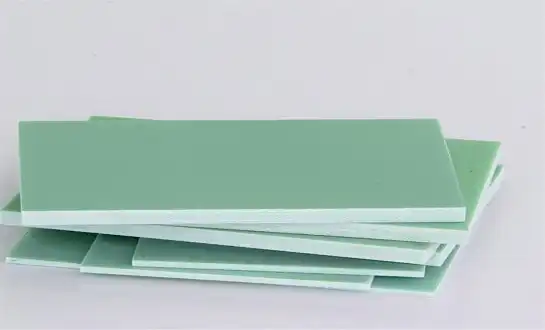
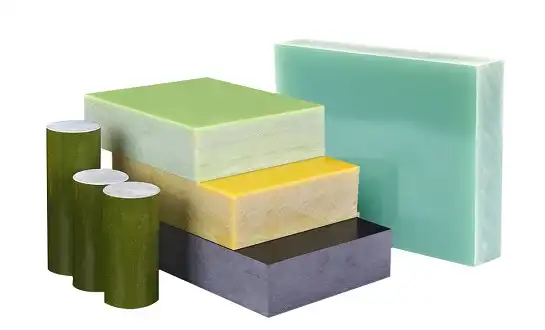
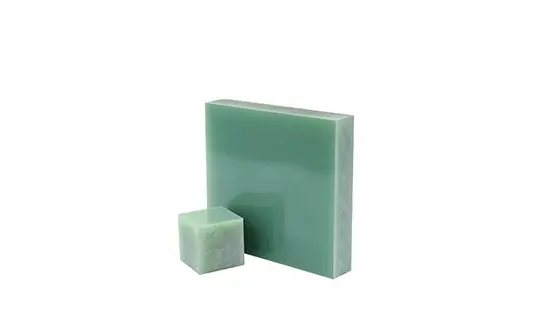
Our end-to-end NEMA CE production line transforms raw laminate stock into precision-machined electrical insulation components through a fully integrated manufacturing system. We control every phase—from material procurement and quality verification to CNC machining, final inspection, and logistics—ensuring NEMA CE sheet products meet stringent compliance standards while delivering consistent performance for electrical equipment, power distribution systems, and industrial machinery applications.
Understanding NEMA CE Standards and Their Impact on Electrical Equipment
NEMA CE standards are very important when it comes to specifying electrical parts, especially for buying teams that have to deal with complicated insulation needs across different industries. These standards set performance goals that have a direct effect on the safety of equipment, its working life, and its ability to meet legal requirements in electrical assemblies.
What NEMA CE Certification Means for Your Supply Chain
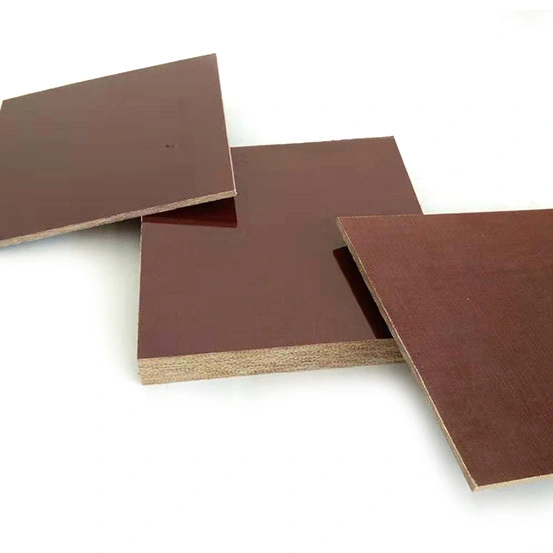
It is only the NEMA CE label that goes on canvas electrical grade phenolic cotton laminates, which have excellent mechanical strength and stable dielectric qualities. CE-rated materials are different from normal mechanical grades because they go through better resin formulation processes that make them more resistant to wetness and electrical breakdown voltage. These are important factors when parts have to do two jobs at once, like supporting structures and blocking electricity. This difference is useful for engineering managers because it takes the guessing out of choosing materials for switchgear panels, motor terminal boards, and transformer support structures that will be exposed to dampness.
Comparing NEMA CE to International Rating Systems
While NEMA CE talks about the make-up of materials and performance standards, procurement workers often come across similar systems like UL certifications, IEC standards, and IP scores when they are evaluating vendors. IEC standards stress the need for testing methods to be consistent across countries, while UL approvals focus on fire safety and flammability. On the other hand, IP grades measure how well a barrier keeps dust and water out, not how well it works with other materials. Knowing these differences helps technical buyers avoid making mistakes in their specifications, like mixing up enclosure protection grades with laminate electrical performance, which can cause expensive redesigns or fails in the field.
Step-by-Step Overview of Our End-to-End Production Workflow
We set up our production processes of NEMA CE sheets so that everything is clear from the time the raw materials arrive until the final shipment. This solves a common problem in global procurement: broken supply chains that make it hard to hold quality control accountability.
Raw Material Selection and Supplier Audits
Our production process starts with a thorough screening of potential suppliers. We only buy phenolic resin systems and cotton fabric reinforcing from suppliers who are ISO 9001 certified and can show stability from batch to batch through statistical process control documentation. Before it gets to our production floor, every package of raw materials goes through a physical review to check for weave regularity, resin viscosity, and moisture content. Delamination, uneven curing, and dimensional instability are problems that makers face when they depend on opportunistic material sources. This upfront research stops these problems before they happen.
Precision Lamination and Curing Processes
During the lamination phase, controlled heat and pressure are used to join several layers of cloth that have been treated with a catalyst-activated phenolic glue. Our hydraulic presses keep the temperature between 150°C and 160°C and apply pressures above 1,200 psi, which makes sure that all the glue is cross-linked and there are no gaps. Embedded thermocouples and pressure sensors let us keep an eye on every press cycle. Real-time data is recorded so that it can be tracked. After curing, sheets go through a controlled cooling process that lowers the stress inside the sheet. This is an important step for keeping the smoothness tolerances needed for CNC cutting operations that come after.
CNC Machining and Customization Capabilities
Our multi-axis CNC cutting machines are equipped with carbide tools that are specifically made for thermoset materials and can turn raw laminate sheets into finished parts. We regularly make complicated shapes with specs of just ±0.005 inches, such as precise gears, threaded bus bar supports, and contoured insulation barriers. The cotton fabric reinforcement in CE-grade materials makes them easier to machine than harsh glass-reinforced laminates. This makes tools last longer and lets you make detailed shapes without microcracking. Customers' technical models are directly turned into CAM programs, which lets for quick prototypes and large-scale production runs without having to buy new tools.
Comprehensive Testing Protocols
Quality control is done at several stages of production. We test for dielectric breakdown voltage according to ASTM D149 to make sure the insulation is good, moisture absorption according to ASTM D570 to make sure the product is stable in different environments, and bending strength according to ASTM D790 to make sure the product works well mechanically. Coordinate measuring tools are used for dimensional checks to make sure that the thickness is the same and the surface of the sheet is flat. These testing methods make sure that every shipment comes with a certificate of compliance. This makes it easier to check shipments when they arrive and gives you records that can be used for regulatory compliance audits.
Choosing the Right NEMA CE Components for Your Application
To choose the best insulation materials, you have to find a balance between cost, electrical performance, mechanical longevity, and resistance to the environment. We help our customers deal with this complex problem by consulting with them.
Evaluating Material Properties Against Application Demands
Power distribution assemblies typically prioritize dielectric strength and arc resistance, making NEMA CE sheets ideal for medium-voltage applications where tracking resistance prevents surface carbonization pathways. In industrial machinery, on the other hand, parts like gear blanks and bearing retainers may need to be strong against impact and wear. In these cases, the shock-absorbing properties of cotton reinforcement work better than those of weak paper-phenolic options. We help our customers understand these trade-offs by going over operating temperature ranges, mechanical loading conditions, and exposure to oils or solvents. These are some of the things that decide which grade—CE, LE (linen electrical), or another—is best for a given use case.
Comparing Supplier Capabilities and Certifications
Not all companies that make NEMA-grade laminates have the same quality control measures or licensing paperwork. When evaluating suppliers, procurement teams should check third-party test results that say the products meet NEMA LI-1 standards, look at process flow models that show the companies' ability to do testing in-house, and ask for customer references from similar industries. When a manufacturer controls shipping, lamination, and machining all from one location, they usually have faster lead times and are more accountable than trading houses that send different parts of the production process to different suppliers.
Advantages of Procuring From an Integrated NEMA CE Production Facility
When you work with a manufacturer that controls the whole value chain, from raw materials to finished parts, you get measured benefits that go beyond unit price.
By getting all of your supplies from one place, you don't have to pay extra for machine shops, freight forwarders, and sellers of raw materials to coordinate with each other. We handle these connections internally, which makes your job easier while still giving us direct lines of contact for order updates, explanations on specifications, and quick requests. Because we work with both ocean freight carriers and domestic trucking companies as part of our combined logistics network, we can offer a range of shipping choices that balance cost and transit time based on the urgency of the project.
With volume agreements, you can get economic benefits like buying materials in bulk and planning your production schedule more efficiently. Setting up yearly purchase deals lets customers get better prices and guarantees specialized production capacity during times of high demand. We keep safety stock of frequently requested sizes and grades, so we can quickly fill restocking orders without charging small buyers extra for buying less.
Another important benefit is that customization is very flexible. Our engineering team works with customers on design-for-manufacturability reviews to find ways to improve the shape of parts to get better material output, more efficient machining, or easier assembly. These talks often show ways to cut costs that aren't available when buying catalog parts from distributors who don't know much about production. Over twenty years of production experience in a wide range of fields, including electrical equipment, power systems, car parts, and appliance making, allows us to make suggestions based on real-world experience rather than generic material datasheets.
Procurement Best Practices for NEMA CE Certified Products
Clear communication rules and an understanding of each other's quality standards, delivery limits, and documentation needs are the first steps to building good sourcing partnerships.
Supplier Qualification and Certification Verification
When evaluating a seller, make sure you get complete sets of paperwork, such as ISO quality system certificates, NEMA LI-1 compliance test results, and material safety data sheets. Manufacturers with a good reputation will give you these papers ahead of time, along with process capability studies that show they have statistical control over important measurements and electrical qualities. When it's possible, site trips give you useful information about how clean the production area is, how often the equipment is serviced, and how the workers are trained. All of these things affect the long-term consistency of the supply.
Optimizing Order Quantities and Lead Times
Standard wait times for machined NEMA CE sheets are between three and five weeks, but this can change based on how complicated the part is and how many are ordered. Customers who need faster delivery should talk about project timelines when getting quotes, since rush orders may require paying more for freight or changing the production plan. Putting together multiple purchase orders for different parts into one order makes manufacturing more efficient and often qualifies for volume discounts. On the other hand, blanket orders with planned releases send clear signs of expected demand that help with better material planning.
Documentation and Compliance Support
We include detailed packing lists, material certificates that confirm grade specifications and batch traceability, and dimensional inspection reports in every shipment we make. We offer more paperwork, like raw material mill certificates, process traveler records, and calibration certificates for test equipment, to customers who work in controlled industries like medical devices, aerospace components, and nuclear power uses. This paperwork makes it easier to do new quality control and meets audit standards without adding to the work you have to do.
Conclusion
Our full-service NEMA CE production gives engineering managers and procurement professionals the dependability, openness, and technical help they need from key supply partners. By overseeing all stages of production, including choosing materials, laminating, milling, testing, and transportation, we get rid of the quality problems and communication problems that come with supply lines that are spread out. With over twenty years of experience in the field, excellent customer service, and the ability to make changes to meet your specific needs, we are a reliable NEMA CE sheet maker ready to meet your most exacting electrical insulation needs.
FAQ
What distinguishes NEMA CE from other phenolic laminate grades?
Canvas electrical grade phenolic cotton laminates from NEMA CE have better electrical qualities and resistance to moisture than normal mechanical Grade C materials. The special resin mix raises the dielectric breakdown voltage and lowers the hygroscopic absorption. This means that CE grades can be used in electrical applications that are exposed to dampness. When it comes to gearing, mechanical grades focus on impact strength, but they don't have the electrical performance standards needed for switchgear and motor systems.
How do lead times vary for custom machined parts versus standard sheet stock?
When stock is available, standard thickness sheet stock usually ships within one to two weeks. Custom-machined parts take three to five weeks to make, based on how complicated the shape is, how many are needed, and how busy the factory is right now. For jobs that need to be done quickly, we can process them more quickly, but there may be extra fees for prioritizing the timeline and making special freight arrangements.
Can NEMA CE materials withstand exposure to transformer oils and industrial lubricants?
Mineral oils, transformer oils, and most petroleum-based lubricants don't damage phenolic cotton laminates very well. This means they can be used for parts inside oil-filled switchgear and transformer systems. But if the surface is exposed to strong alkalis or some manufactured liquids for a long time, it may wear away. When using special fluids that aren't often found in electrical equipment, we suggest chemical compatibility tests.
Partner With J&Q for Your NEMA CE Sheet Requirements
J&Q has been making laminates for more than 20 years and has full machining capabilities as well as combined shipping services that allow them to provide NEMA CE sheet solutions that are exactly what you need. Our experienced technical team, ISO-certified methods, and in-house quality lab make sure that performance is the same across all production runs, whether you need a few prototypes or a long-term supply deal. We work with companies all over North America that make electrical equipment, industrial machinery, power systems, car parts, and product names. We offer application engineering help that goes beyond just supplying materials.
As a well-known NEMA CE sheet supplier, we keep a wide range of widely ordered thicknesses and grades in stock. We also offer custom machining services for parts that need to be made to exact specifications or have complicated shapes. Our dedicated transportation network lets you make shipping plans that are open and fit your project's budget and timeline. Get in touch with our expert sales team at info@jhd-material.com to talk about the insulation materials you need, ask for test samples, or get detailed quotes that come with full material certifications and production capability paperwork.
References
National Electrical Manufacturers Association. "NEMA Standards Publication LI 1-2018: Industrial Laminated Thermosetting Products." National Electrical Manufacturers Association, 2018.
ASTM International. "ASTM D709-19: Standard Specification for Laminated Thermosetting Materials." ASTM International Committee D20 on Plastics, 2019.
Harper, Charles A. "Handbook of Materials for Product Design, Third Edition." McGraw-Hill Professional, 2001.
IEC Technical Committee 15. "IEC 60893-3-2: Insulating Materials – Industrial Rigid Laminated Sheets Based on Thermosetting Resins for Electrical Purposes." International Electrotechnical Commission, 2014.
Lokensgard, Erik. "Industrial Plastics: Theory and Applications, Sixth Edition." Cengage Learning, 2016.
MacDermott, Conrad P. and Arshady, Arman V. "Selection of Engineering Materials and Adhesives." CRC Press, 2006.

Get a complete product list and quotation
J&Q New Composite Materials Company