FR4 vs. FR5 Epoxy Sheets: Understanding the Upgrades
When engineering managers and procurement workers look at modern insulation materials for industrial use, they need to know the difference between FR4 epoxy sheet and FR5 versions. FR4 is the standard flame-retardant epoxy laminate in the industry. It has good mechanical strength and electrical insulation qualities at a low cost. FR5 is an improved version that is more stable at high temperatures, has better insulating properties, and is more resistant to chemicals. The fiberglass-reinforced epoxy resins used in both materials are similar, but FR5 has improvements made to the manufacturing process that make it work better in harsh operating conditions.
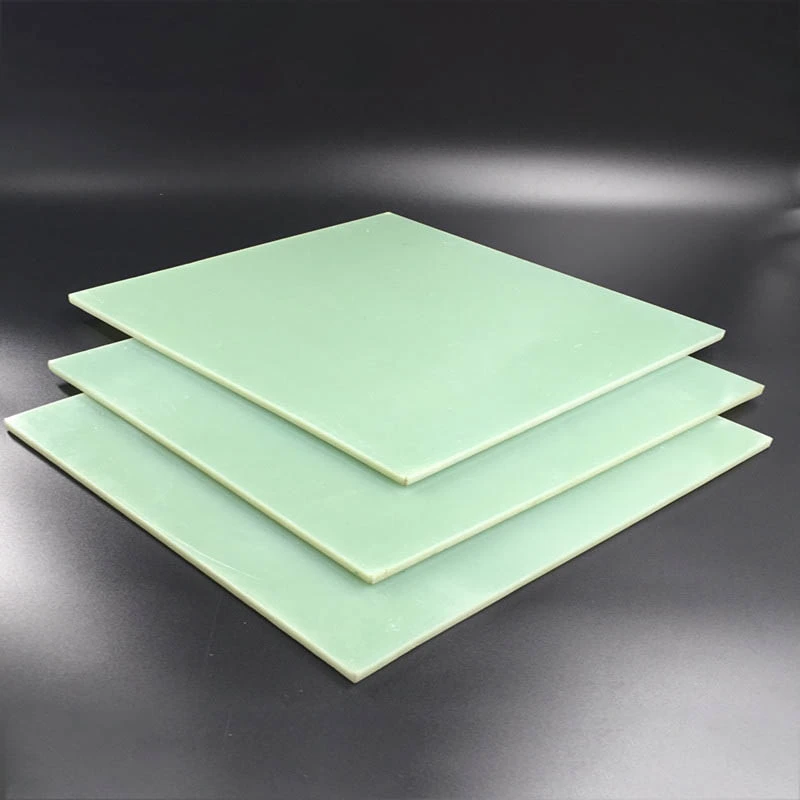
Overview of FR4 and FR5 Epoxy Sheets
Both FR4 and FR5 epoxy sheets are used as building blocks in many different industries, especially when making printed circuit boards and insulating buildings. It is still the standard flame-retardant material, and the FR4 epoxy sheet is known for its excellent balance of mechanical stability, electrical insulation, and cost-effectiveness. This laminate is widely used and meets the strict standards for UL certification. It also has consistent performance qualities that are important for making electronics and parts for industrial machinery.
FR5 is a big step forward in technology that was made to meet the growing performance needs of current apps. Compared to older versions of FR4, this improved material has better electrical properties, higher maximum working temperatures, and better thermal conductivity. This new recipe has better dimensional stability and a longer service life in tough environments because it uses more modern resin systems and better fiber strengthening.
Key Material Characteristics
The basic structure of both FR4 and FR5 materials is the same: they are made of knitted fiberglass cloth that has been mixed with epoxy resin systems. During lamination, precise temperature and pressure control are used to make sure that the density and electrical qualities are the same across the whole length of the sheet. These materials are very easy to work with, which means that precision CNC processes can be used to make unique parts.
Both materials naturally don't catch fire, which means they meet international safety standards and can be used in electrical applications where fire protection is very important. Because they don't absorb much water, their dielectric qualities stay steady even when the humidity changes. This is important for making sure that electrical assemblies and power distribution systems are reliable over time.
Performance Comparison: FR4 vs. FR5 Epoxy Sheets
A thorough performance study shows that FR5 materials are much better than regular FR4 laminates in a wide range of operational factors. These changes have a direct effect on how reliable the product is, how safe it is, and how much it costs to run in the long term in commercial settings.
Thermal Performance Characteristics
When compared to standard FR4 specs, FR5 epoxy sheet materials usually show a 20–30% improvement in heat conductivity. This better ability to get rid of heat is especially useful in high-power electronics and vehicle settings, where controlling temperature directly affects how long a part lasts. The higher glass transition temperature of FR5 materials allows them to work reliably up to 180°C for long periods of time, while FR4 materials can only handle 130°C.
Better thermal stability means better dimensional stability during temperature cycles. This lowers the stress on fixed parts and makes the system more reliable as a whole. This benefit is especially useful for technology in cars and power distribution equipment that has to deal with big changes in temperature while it's working.
Electrical Properties Enhancement
Measurements of dielectric strength always show that FR5 materials are better than FR4 ones (16–18 kV/mm on average vs. 20–25 kV/mm on average). This change makes things safer in high-voltage situations and lets designers make their designs smaller. It is also possible to see a change in the volume resistivity properties, which helps keep signals more stable in high-frequency uses.
Because they have better electrical qualities, FR5 materials are great for use in power electronics, transformer insulation, and advanced PCB uses where electrical performance directly impacts how well and reliably a system works. Electronic systems use less power and make less heat when the dielectric loss characteristics are lower.
Mechanical Durability Advantages
When compared to regular FR4 epoxy sheet options, FR5 materials are stronger in bending and can withstand impacts better. When parts are installed and put through working stress, these mechanical changes make them last longer. The better mechanical qualities are especially useful in industrial machines where vibration and mechanical force are the main ways things break.
Chemical resistance tests show that FR5 is better than other materials when it comes to a number of industrial solvents and cleaning agents that are widely found in factory settings. The longer service life of the parts and lower upkeep needs in tough operating conditions are both benefits of this better chemical compatibility.
Application Scenarios and Use Cases
Choosing between FR4 and FR5 epoxy sheets relies on the needs of the product, the working conditions, and the expected performance. When procurement managers know about these use cases, they can make the best material choices while keeping costs low and making sure stability.
Standard Industrial Applications
FR4 epoxy sheet is still the best choice for making standard PCBs, general electrical insulation, and structural parts where performance and cost-effectiveness are most important. Consumer gadgets, standard industrial controls, and business electrical equipment that works in mild conditions are all examples of these uses.
The material's established supply chain, standard specs, and a large network of vendors make FR4 an attractive option for high-volume output because it has been used successfully in many different situations, which gives engineers trust when they are working with set design guidelines and performance standards.
High-Performance Applications
FR5 materials work great in tough situations where better thermal protection, better electrical qualities, or longer service life are needed. Automotive electronics, aerospace systems, power generation equipment, and modern industry tools are all examples of situations where FR4 needs to work better than usual.
Electric car battery management systems are an area that is growing, and FR5's better thermal and electrical qualities make them safer and better at their job. In the same way, FR5's better resistance to the climate and long-term stability are good for green energy sources.
Industry-Specific Considerations
Power companies are using FR5 materials more and more for arc barriers and generator shielding because they are better at resisting flames and staying stable at high temperatures. The car industry uses FR5 for battery pack barriers and heat management parts where the extra weight and better performance make the change worthwhile.
Manufacturers of industrial machinery use FR5 for precision spacers and high-load mechanical parts. The material's physical stability and mechanical strength have a direct effect on how well the machinery works and how often it needs to be serviced.
Procurement Guide for FR4 and FR5 Epoxy Sheets
To make sure that projects go well, good buying plans need to carefully look at what suppliers can do, how they handle quality, and the services they offer. Understanding how the market works and what kinds of suppliers there are helps you make smart decisions and lower your risk.
Supplier Evaluation Criteria
People who work in procurement should make it a priority for sellers to have complete quality management systems, such as ISO certification and UL recognition programs. These approvals make sure that the quality of the products is always the same and that they follow the rules that are necessary for business uses. The professional help that suppliers offer, such as application building and custom cutting services, makes the procurement relationship much more valuable.
Delivery times and the stability of the supply chain are affected by how much can be made and where it is distributed. Suppliers with more than one factory can offer better service consistency and lower transportation costs. Also, providers that offer services that add value, like precision cutting, surface treatments, and custom packing, can make manufacturing go more smoothly.
Cost Optimization Strategies
Volume price structures usually offer big savings on purchases of large amounts, which makes consolidated buying strategies appealing for businesses with more than one location. Knowing the minimum order amounts and wait times makes it easier to plan your inventory and keep costs down.
Custom cutting and grinding services from material providers for FR5 epoxy sheet are often cheaper than doing the work in-house, especially when the shapes are complicated or the work needs to be very precise. These services can cut down on waste, make quality more consistent, and get rid of the need to buy expensive specialty tools.
Quality Assurance Considerations
Material certification paperwork, like test results and compliance badges, makes sure that the product is real and follows the rules. To help engineering teams, suppliers should give them detailed material data sheets, instructions on how to handle the materials, and suggestions on how to use them.
Batch tracking systems make it possible to check the quality of the product and make it easier to solve problems when they happen. When suppliers keep detailed records of production and the history of materials, it gives important applications that need a proven quality background more trust.
Making the Right Choice: FR4 vs. FR5 for Your Business
When choosing strategic materials, you have to balance long-term business goals, performance needs, and cost factors. The total cost of ownership, not just the original cost of materials, should be taken into account during this review process.
Total Cost Analysis
While FR5 materials are more expensive than standard FR4 epoxy sheet choices, the better performance often makes up for the extra cost by lowering failure rates, extending service times, and making systems work more efficiently. Engineering teams should look at how they can save money by making designs simpler, lowering the amount of cooling that is needed, and making them more reliable.
Because FR5 materials are more durable, parts can be used for longer before they need to be replaced. This lowers upkeep costs and system downtime. Over the lifecycle of a product, these operational savings often cancel out higher starting material costs. This is especially true in important uses where failure costs are higher than material savings.
Risk Assessment Factors
The performance gaps that FR5 materials offer are extra safety factors that may be useful in situations where the practical limits of FR4 are getting close. This better ability gives designers more freedom in their work and protects them from changing performance needs in the future.
Material selection choices are also affected by the supply line. FR4 materials have established supply networks and a number of vendor choices. On the other hand, FR5 materials may not be as easy to find, which could affect delivery times and the ability to choose where to get them.
Implementation Planning
When switching from FR4 to FR5 materials, it might need design validation and approval tests to see if the performance has improved and to find any possible compatibility problems. Engineering teams should plan for enough development time to test materials and make processes run more smoothly.
Changes may need to be made to the machining settings, handling methods, and assembly techniques in order to get the best performance out of the FR5 material. During this time of change, expert support from the supplier can be very helpful.
Conclusion
Picking between FR4 epoxy sheet and FR5 epoxy sheet is a smart choice that affects how well the product works, how reliable it is, and how much it costs in the long run. FR4 materials still work well for normal uses, but FR5 materials are much better for harsh conditions that need better thermal, electrical, or mechanical performance. To choose the right materials, procurement teams have to think about the total cost of ownership, performance needs, and supply chain issues. The money spent on better products is usually well worth it because they are more reliable, last longer, and have higher safety margins that give you an edge in tough market conditions.
FAQ
What are the main differences between FR4 and FR5 epoxy sheets?
FR5 materials offer enhanced thermal stability, superior electrical properties, and improved mechanical strength compared to standard FR4 sheets. Key improvements include higher operating temperatures (180°C vs 130°C), better dielectric strength (20+ kV/mm vs 16–18 kV/mm), and better chemical protection that makes the product last longer in tough situations.
Which applications benefit most from FR5 upgrades?
Many high-performance uses gain a lot from FR5 materials, such as in car electronics, power distribution systems, advanced industry tools, and aerospace parts. The better qualities are especially useful in situations where there are high temperatures, a lot of electrical stress, or harsh chemical conditions.
How do cost considerations affect material selection?
Although FR5 materials are more expensive, the total cost of ownership usually works out in favor of the update because of lower failure rates, longer service times, and better system efficiency. In critical situations where failure costs are higher than material savings, FR5 materials are usually the better choice. In normal situations, cost-effective FR4 materials can still be used.
Partner with J&Q for Premium Epoxy Sheet Solutions
J&Q can help you with your material needs by offering complete FR4 epoxy sheet and FR5 options. They have more than 20 years of experience in manufacturing and 10 years of experience in foreign trade. Our long-term relationships with top providers in the U.S. and abroad guarantee steady quality and on-time delivery for your most important projects. As a provider of FR4 epoxy sheet with a lot of experience, we keep a large inventory and offer precision cutting services through our combined logistics network. This means that we can meet all of your insulation material needs in one place. Get in touch with our technical team at info@jhd-material.com to talk about your unique needs and find out how our knowledge can help you improve your purchasing strategy and make sure that the materials you use work better.
References
Institute of Electrical and Electronics Engineers Standards Association. "IEEE Standard for Printed Circuit Board Materials and Processing." IEEE Press, 2022.
National Electrical Manufacturers Association. "Industrial Laminating Thermosetting Products." NEMA Standards Publication LI 1-2021.
International Electrotechnical Commission. "Specifications for Industrial Rigid Laminated Sheets Based on Thermosetting Resins for Electrical Purposes." IEC Publication 60893, 2023.
Underwriters Laboratories. "Standard for Tests for Flammability of Plastic Materials for Parts in Devices and Appliances." UL 94 Standard, 2022 Edition.
Association Connecting Electronics Industries. "Performance Specification for Rigid Printed Boards." IPC-6012 Revision D, 2023.
ASTM International. "Standard Test Methods for Electrical Insulating Materials." ASTM D2149-13 Reapproved 2022.

Get a complete product list and quotation

J&Q New Composite Materials Company



