FR4 Fiber Glass Laminate Sheet for Flame-Resistant PCB Applications
A Flame Resistance FR4 Fiber Glass Laminate Sheet is a strong base material for PCB projects that need to be flame-resistant. On one board, it has hard insulation, stable measurements, and a V-0 burn rate that has been tried. It is made of woven glass cloth and flame-resistant epoxy resin. In electronics, it has mostly replaced G-10, which is flammable. Based on the GB/T 2408-2008 test, our Hongda sheet passed with a score of V-0. It can also bend to 571 MPa and has a parallel-layer failure voltage above 100 kV. For your safety, I will show you what to look for before you order V-0.
What Is Flame-Resistant FR4 Fiberglass Laminate Sheet and How Does It Work?
How FR4 Epoxy Glass Laminate Is Built
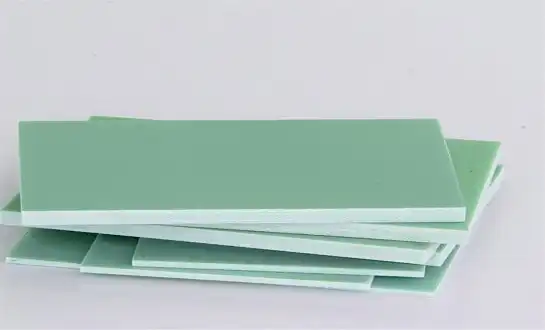
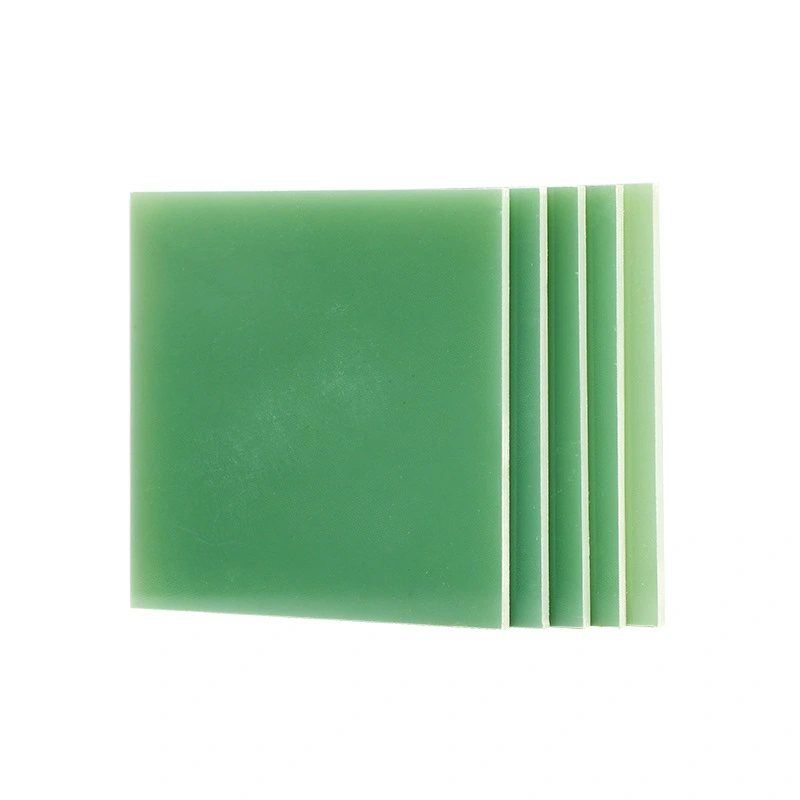
Making FR4 Epoxy Glass Laminate: FR4 starts with glass cloth that is knitted together all the way through. Several layers are soaked in flame-resistant epoxy glue, then stacked, heated, and pressed together to form a single sheet. The glass gives the board stiffness, bending strength, and stable sizes. The flame-retardant chemicals are carried by the resin, which also holds the layers together and protects against electricity. The "FR" in FR-4 stands for "flame retardant," and the National Electrical Manufacturers Association (NEMA) is in charge of this grade. Since epoxy doesn't soak up much water, the sheet keeps its ability to retain heat even when the air is humid. The epoxy resin system in our Hongda sheet gives it a natural light green color. Material names are different from one seller to the next, so I always tell buyers to read the grade-specific data sheet instead of just believing the "FR4" sign itself.
How the Resin System Resists Flames and Heat
Flame resistance is mostly due to the chemistry of the resin. An important part of many FR4 resins is bromine or another chemical that slows the spread of fire and makes it harder to start. Instead of halogens, versions without them use chemicals based on phosphorus. A vertical burn test gives the UL 94 V-0 class. After each flame application, the specimen must quickly stop burning, and drips of burning oil must not light a cotton indicator below it on fire. That result shows behavior that ends itself. That doesn't make the board safe for fire or being exposed to heat for a long time. Standard grades should be used at about 130°C all the time, and high-Tg grades should be used at about 170°C to 180°C. Before you decide on a grade, compare the Tg, decomposition temperature, and soldering resistance to how things are really done.
What Our Test Data Shows
Here are the results of the Hongda test. Numbers are better than words for this purpose. 571 MPa is the bending strength perpendicular to the laminations (GB/T 1303.4-2009). The strength is 548 MPa when compressed, 282 MPa when stretched, and 57.3 kJ/m² when hit in a straight line. At 90°C, the transformer oil's vertical breakdown voltage goes up to 16.7 kV/mm, and the parallel breakdown voltage goes over 100 kV. It has a dissipation factor of 7.2×10^-3 and a relative permittivity of 5.40 at 50 Hz. After being soaked, the insulation resistance is 2.2×10^13 ©. The test sample absorbs 5.3 mg of water, has a density of 2.01 g/cm³, and a Barcol hardness of 76. It is also V-0 flammable. These results describe a board that is strong in terms of its structure and has stable electrical insulation. Let us know if your idea follows a different test standard, and we'll talk about it.
Key Specifications and Material Comparisons for FR4 PCB Insulation
Specifications to Define Before You Order
The nominal width of a FR4 sheet does not tell you everything about its performance. When sourcing a Flame Resistance FR4 Fiber Glass Laminate Sheet, buyers should consider dielectric spacing, stack-up design, stiffness, and machining precision, all of which are affected by thickness and tolerance. Specify the required sheet dimensions, flatness, edge quality, and acceptable levels of surface defects such as scratches, voids, resin-rich areas, cracks, and delamination. When drilling or routing parts, mechanical properties such as flexural strength and impact resistance can directly affect production yield. If the board is exposed to heat from welding or power loads, include Tg and working temperature requirements. IPC-4101 is the standard for base materials used in rigid and multilayer printed boards, making it a useful reference for PCB buyers. Including all these requirements in the purchase order helps ensure that both parties have a clear and consistent understanding of the product specifications.
Hongda Sheet Sizes, Thickness, and Packaging
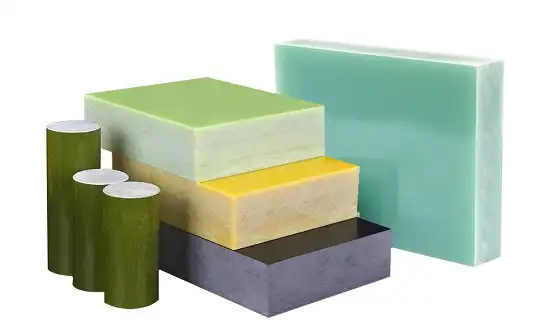
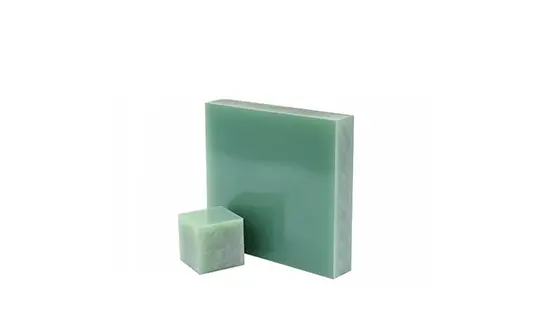
This is what we offer. Hongda makes FR4 sheets that are 0.3 mm to 100 mm thick. Every size is 1030 mm x 1230 mm. It can be made in custom sizes like 1030 × 2030 mm, 1220 × 2440 mm, 1030 × 1030 mm, and 1030 × 2070 mm. Epoxy resin, which is naturally light green, is what it is made of. We put sheets in regular boxes and cover them on carts, which keeps the edges and surfaces from getting scratched or damaged while they're being shipped. We accept T/T as payment and can ship by sea, land, or air. The minimum order size is 500 kg. Ocean freight is best for big sales in the US, while air shipping is best for sending samples quickly. Send us the size of the finished part, and we'll help you choose a sheet size that will save you time and money.
FR4 Compared With G-10 and Phenolic Laminates
G-10 is also made of glass and epoxy, but it doesn't have the flame-resistant resin. So, FR4 was used instead of it in places where a burn rating is important. Even so, G-10 might still work for parts that don't have to be fire-resistant. Bakelite and phenolic cotton sheet are two examples of phenolic laminates that work well in many low-stress insulation parts and usually don't cost as much. FR4 usually has better mechanical strength, doesn't absorb as much water, and keeps its electrical performance better over time. Because resin systems and approvals can be different, don't switch from normal fiberglass sheet to FR4 without first getting technical approval. Special grades may be needed for systems that use a lot of frequency, power, or temperature. We also sell epoxy sheet, Bakelite sheet, and phenolic cotton sheet at J&Q, so we can help you make an honest choice between these options.
Selecting FR4 and Matching It to Your Industry
How to Select the Right FR4 Sheet
Do not start with the store, but with the application. Make a list of the standards your customers expect, along with the operating temperature, voltage, humidity, vibration, and mechanical load. Setting goals for flame grade, Tg, dielectric performance, thickness, tolerance, smoothness, and sheet size is the next step. Standard FR4 is suitable for most industrial electronics. For more demanding applications, high-Tg, low-loss, thicker, or cut-to-size grades may be a better choice. Before purchasing a Flame Resistance FR4 Fiber Glass Laminate Sheet for a fire-resistant PCB application, request a sample. Check its dimensions, material quality, surface flatness, and compatibility with your own processing equipment. When evaluating value, don't focus solely on the unit price. Consider material yield, scrap rates, lead time, packaging, documentation, and consistency across repeat orders. A low-cost sheet that bends or chips during routing may ultimately cost more than one that maintains its flatness and structural integrity.
FR4 Applications Across Five Industries
PCB supports, test jigs, fixture boards, and insulation plates are all made from FR4. Machine builders use it to make spacers, polished gears, and structural insulators that need to be able to handle a certain amount of load and thickness. People who buy power and energy use it for phase dividers, switchboard insulation plates, and transformer insulation. It is used by auto suppliers to make heat-resistant fixtures, insulation pads, and parts for lithium battery packs. It is used by appliance companies to make frames for insulation, motor brackets, and parts that separate heat. On our list of uses are test tools, PCB testing fittings, insulation plates, switch insulation plates, polishing gears, and parts for lithium battery packs. With CNC machining, sheets can be made into prototypes, brackets, washers, and mounting plates. First, look over the needs for heat, wetness, poisons, pressure, space, and creepage in every area.
Common FR4 Selection Mistakes and Fixes
Most people make the mistake of thinking that FR4 is the same grade for everyone. The Tg, dielectric, thermal, dimensional, and flame performance of different brands are not all the same. A V-0 result on one thickness doesn't always mean that it will work on another, so make sure you know the exact requirements for your thickness. Second, picking based only on price leads to more waste, mistakes during the CNC process, and delays. Third, buyers don't think about storage. Make sure the sheets are dry, flat, and not on the floor. If your process calls for it, bake or precondition the sheets. Fourth, FR4 is rough because it contains glass. To protect both the tools and the people who use them, use carbide- or diamond-tipped tools and dust clearance. Finally, write down the requirements on the purchase order and go over them with the supplier before giving the go-ahead for production.
Buying FR4 from a Global Supplier and Verifying Quality
How to Write a Clear RFQ
Making it clear what you need can speed up the pricing process and give your supplier the information required to recommend a suitable Flame Resistance FR4 Fiber Glass Laminate Sheet grade. Specify the FR4 grade, flame rating, thickness, sheet dimensions, tolerances, order quantity, expected annual demand, cutting requirements, required documentation, destination, and packaging preferences. For wholesale or OEM programs, also discuss the minimum order quantity (MOQ), cut-to-size services, restocking schedules, and quality agreements. Our minimum order quantity is 500 kg, and we accept T/T payments. Let us know which tests are most important to you and whether you would like to receive a sample first. Providing a technical drawing or picture of your existing part will also help our team match the sheet to your application more accurately. The more details you provide at the initial inquiry stage, the fewer adjustments will be needed later.
Why Buyers Work With J&Q
The factory that makes our sheets sends them overseas through J&Q Insulation Material Co., Ltd. We have been making and selling insulating sheets for more than 20 years and have been trading with other countries for more than 10 years. We have also worked with trading companies from both inside and outside of China for a long time. Our two factories make a total of 43,000 tons of goods every year, with 13,000 tons going to this line. Quality stays the same in a fully automatic workplace. Orders placed directly with us are the first ones to be made. We also have our own transportation business, so one team is in charge of everything from making the goods to shipping them by sea, land, or air. With that setup, there are fewer handoffs between your dock and your buy order.
Quality Checks Before Shipment
Controlling the glass cloth, resin, pressing, curing, thickness, flatness, finishing, and packaging are the first steps to making sure the quality is always the same. Before a package leaves, check the sheet's size, thickness, appearance, smoothness, cracks, bubbles, resin-rich areas, delamination, and ability to keep moisture out. You should ask for performance data for the properties that your design needs, like flame rating, flexural strength, and dielectric properties. A technical data sheet, an inspection report, a business invoice, and a packing list are all common parts of an export box. Early on, let the team know what compliance declarations your project needs, like RoHS or REACH, so they can make sure they have them. Also, keep batch records on your end. They help you match repeat purchases better.
Conclusion
When you mix braided glass with flame-resistant resin, you get FR4 fiberglass epoxy laminate, which has fixed measurements, hard insulation, and a V-0 burn rating. Flame Resistance FR4 Fiber Glass Laminate Sheet is designed to provide reliable flame retardancy and electrical insulation. It's not fireproofing; that rating refers to materials that self-extinguish after exposure to flames. The article showed that the chemistry of the resin determines how it reacts to flames and that factors like Tg, dielectric strength, and thickness tolerance determine its suitability. In terms of flame protection, strength, and moisture stability, it also showed that FR4 usually performs better than G-10 and phenolic sheets. This is the kind of data that buyers should compare: a bending strength of 571 MPa, a parallel breakdown voltage above 100 kV, and a V-0 flammability rating. PCB fixtures, switchgear plates, battery pack components, and appliance parts are just some of the applications. Clear RFQs, sample evaluations, written specifications, and pre-shipment inspections all help reduce sourcing risks while protecting production yield and long-term electrical performance.
FAQ
Can't FR4 catch fire?
No, FR4 doesn't catch fire easily, and a V-0 result means that the sample goes out quickly in a defined vertical burn test. If the temperature is too high or stays high for a long time, the board can still char, soften, or break down. Compare Tg to the actual temperature where it will be used.
What's the difference between G-10 and FR4?
Epoxy glue and glass cloth are used in both. To meet V-0 standards, FR4 adds flame-retardant chemicals, but G-10 is not flame-retardant. FR4 can be used instead of G-10 in most electronic tasks.
Is it easy to make an FR4 sheet?
Yes. Because it contains glass, FR4 is rough, so use tools with tungsten carbide or diamond tips and add dust extraction. So, the tools last longer, and the workers don't have to deal with glass dust.
What is your minimum order quantity (MOQ)?
The minimum order quantity for us is 500 kg. It can be anywhere from 0.3 mm to 100 mm thick. The standard size is 1030 mm × 1230 mm, but we can also make it any size you want, up to 1220 mm × 2440 mm.
Request a Flame-Resistant FR4 Laminate Solution from J&Q
Ready to compare grades? Send your thickness, sheet size, operating temperature, and quantity to J&Q at info@jhd-material.com. As a Flame Resistance FR4 Fiber Glass Laminate Sheet supplier with more than 20 years of insulating sheet experience, our own logistics company, and a 500 kg MOQ, we can quote Hongda sheets with samples, custom sizes, and data sheets. Visit blog.jhd-material.com for more details.
References
1. UL 94: Tests for Flammability of Plastic Materials for Parts in Devices and Appliances, UL Solutions, 2023
2. ANSI/NEMA LI 1: Industrial Laminated Thermosetting Products, NEMA, 2011
3. IPC-4101E: Specification for Base Materials for Rigid and Multilayer Printed Boards, IPC, 2021
4. IEC 60243-1: Electric Strength of Insulating Materials – Test Methods, IEC, 2013
5. Printed Circuits Handbook, Seventh Edition, McGraw-Hill, 2016
6. Directive 2011/65/EU on the Restriction of the Use of Certain Hazardous Substances in Electrical and Electronic Equipment, European Parliament and Council, 2011

Get a complete product list and quotation
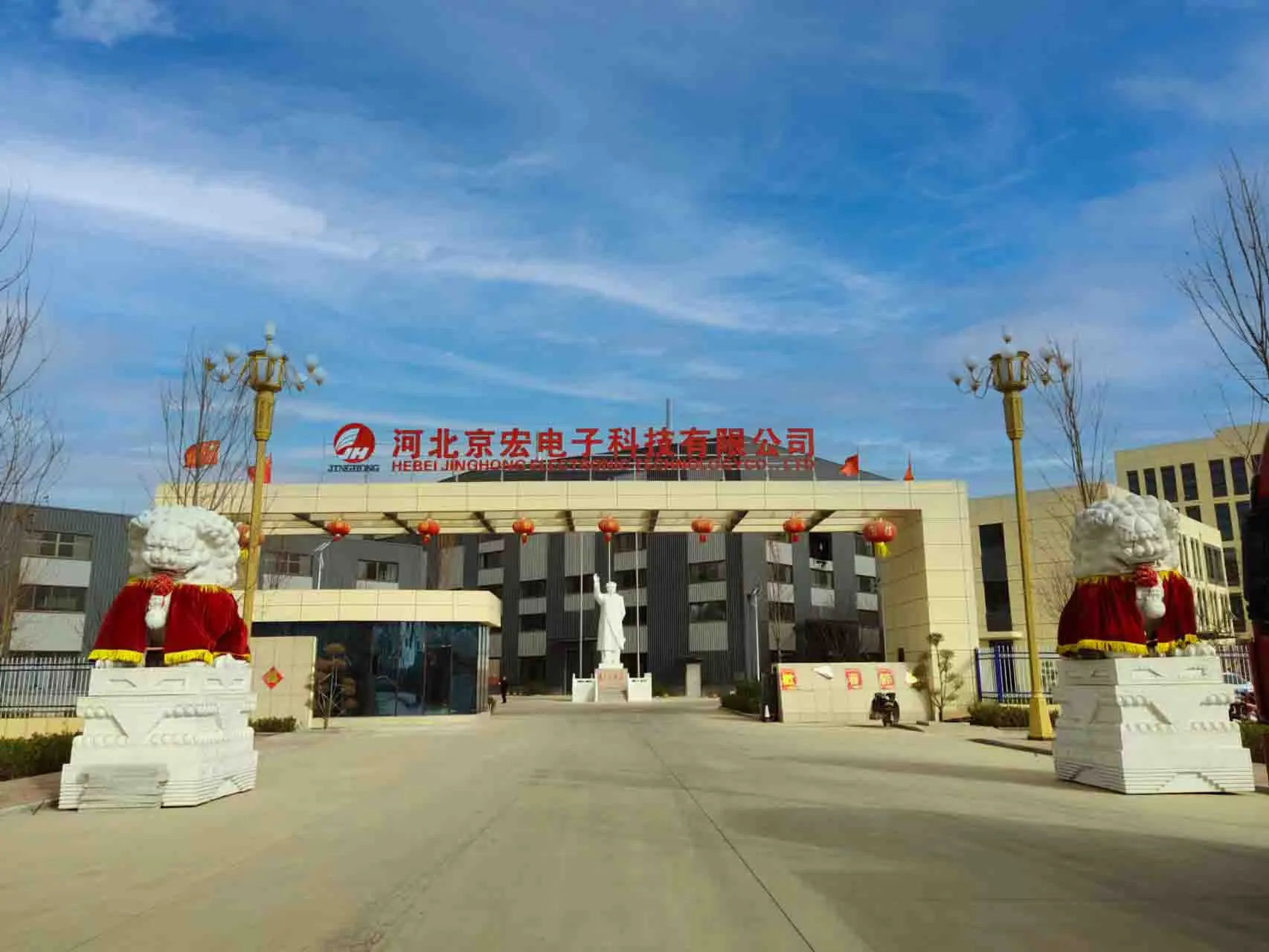
J&Q New Composite Materials Company