CE Phenolic Sheet CNC Machining for Electrical Panel Components
CE Phenolic Sheet is a cotton canvas laminate bonded with phenolic resin. CNC machining turns it into insulation barriers, mounting plates, terminal supports, and spacers for electrical panels. The canvas base gives the material strong impact resistance and good machinability, while the thermoset resin provides moderate dielectric insulation and stable shape under heat. Machinists route, mill, and drill it with carbide tools and dust extraction to hold clean edges and repeatable hole positions. In this guide, I explain the grade, its typical properties, machining and design rules, supplier checks, and how to order parts from J&Q with fewer surprises.
Why CE Phenolic Sheet Suits CNC-Machined Electrical Panel Components
What the CE Grade Actually Means
Canvas Electrical is a grade set by the National Electrical Manufacturers Association (NEMA) in its LI 1 standard. CE stands for "Canvas Electrical." That's why I always write down the name of the material: the CE mark (European conformity mark) has nothing to do with it. Some types of medium- to coarse-grained cotton canvas are soaked in phenolic resin, stacked, heated, and pressed to make the sheet. Canvas is thicker than LE grade cloth; it weighs more than 4 ounces per square yard. That means that toughness and shock protection are more important than a smooth finish. Since "Bakelite" is a generic brand name, make sure you get the NEMA grade and a current description of each model before you sign off on it.
Electrical Panel Parts You Can Machine
Because CNC cuts, grinds, and turns flat sheets, they can be used over and over to make panel parts. A lot of common ones are busbar spacers, separator panels, mounting plates, terminal supports, insulation barriers, and switchgear brackets. At the same time, this grade is used for parts that need to insulate and carry a mechanical load. For example, heavy busbars that are hit by magnetic forces during a short circuit need to be held up. You don't have to buy molds whether you're making a few tests or a whole run because a CNC program cuts holes in the same way every time. That means the material can be used to make changes to the tech and make your own panel setups.
Applications Across Your Industries
Parts for motors and switchgear are made from machined sheet by companies that work with electricity and electronics. It is needed for structural plates, breaker arms, and generator parts by the power and energy teams. Machine builders use it to make shims, wear pads, pulleys, and quiet gears because the plastic keeps metal parts safe from shock and wear. Companies that make cars and products use it to make motor clamps, insulation frames, parts that separate heat, and fittings that can handle high temperatures. Each sector looks at load, heat, moisture, and tolerance as its main considerations. There is a temperature range of 115°C to 125°C that it can handle, so make sure that is the right temperature for your use.
CE Phenolic Sheet Properties and Technical Data
Mechanical and Physical Values
If you want to compare grades, look at what the average score is. About 105 on the M scale is how hard CE Phenolic Sheet is, and 1.34 to 1.36 is its specific gravity. It takes about 1.6 ft-lb/in of notch to break Izod, which is stronger than phenolics made from paper. The bending strength along the length is more than 15,000 psi. It's easier for buyers to test and accept the material because it meets both NEMA LI 1 Grade CE and ASTM D709 Type II Grade CE standards. Use these numbers as a guide, but get the information for the lot you're interested in because they change based on the width, the direction of the test, and the humidity.
Electrical and Thermal Performance
This test goes up and down and side to side. The dielectric breakdown voltage is around 35 to 40 kV. ASTM D149 is used in labs to find out how strong solid insulating materials are as dielectrics. So, make sure you match like with like. The results will depend on how wide the sample is. Because they don't stop power, Grade CE is not the same as Grade XX or FR-4. That being said, it's not meant for situations with a lot of dielectric stress. Instead, it's made for situations with average mechanical load and insulation needs. You should plan for heat to run all the time at 115°C to 125°C. After that range, the cotton support goes into carbon, and the sheet stops being strong. Check both the room temperature and the temperature inside the cage during the cycle and at the peak.
Moisture, Chemical, and Flame Considerations
The phenolic matrix can handle oils, mild acids, and common solvents, but not alkalis. It takes in more water than glass epoxy (FR-4), and the sheet can get a little bigger over time if you keep it in water. It works well in places where oil is used to grease things. As far as fire safety goes, standard NEMA Grade CE is not flame retardant and never has been. We use the number UL94V0, and the test that gives that grade is UL 94. There are different flame ratings for different grades and thicknesses, so I think you should ask for the UL paperwork that goes with yours.
CNC Machining and Design Rules for Panel Components
Tooling, Feeds, and Dust Control
When selecting tools and machining methods for a CE Phenolic Sheet, it is important to consider the material's abrasive properties, as phenolic resin can quickly wear down conventional steel cutting edges. Using carbide-tipped tools helps extend tool life and maintain consistent machining quality. For a high-quality CE Phenolic Sheet, sharp cutters, controlled feed rates, and stable workholding can reduce the risk of burning, vibration, chipping, and delamination. CNC routing is particularly suitable for processing panels, drilling holes, and producing repeated shapes with consistent accuracy. Milling and drilling operations are better suited to creating pockets, countersinks, and components that require tight dimensional tolerances. Dust management is equally important throughout the machining process. Every cutting station should be cleaned and emptied regularly because phenolic dust can pose respiratory health risks and create combustible dust hazards. Following OSHA combustible dust safety guidance, manufacturers should include spark prevention, effective dust extraction, and proper housekeeping in their machine safety plans. Workers should also wear suitable respiratory protection to minimize exposure to airborne particles when machining a CE Phenolic Sheet. By combining appropriate tooling, precise machining parameters, and effective dust control, manufacturers can achieve safer operations and more reliable results when processing CE Phenolic Sheet materials.
Design Rules for Thickness, Clearance, and Tolerance
You shouldn't just pick a width based on price; you should also think about the temperature, voltage, creepage, and clearance needs, as well as the length that won't be allowed. As per IEC 60664-1, the distances that need to be kept can change because of things like humidity, contamination, and height. Do not use screws that can break the material. Instead, use nuts or other features that spread the weight. For strength to change direction, make sure the inside circles are big, the walls are thick enough, the holes are grouped together, and the parts always face the same way. Mark the important margins separately from the other measurements. As long as you stick to the standard 1220mm x 2020mm sheet size, you can group things better and waste less.
Inspection and First-Article Approval
During the last inspection, you should look at the sizes, locations of holes, flatness, quality of the edges, cracks, burrs, and damage to the surface. I think you should do a first-article review before the production run for parts that are difficult or have to do with safety. You can check that the parts fit and work on real hardware this way. Batch traceability makes it possible to connect each finished part to the sheet lot that it came from. If you need to look into a problem in the field, this will help. We need to use different measuring tools to make sure that both thin barriers and thick blocks are flat because the thicknesses we have range from 0.5 mm to 100 mm. Before you start cutting, agree on where to look and how much space to leave on the small picture.
Comparing Alternatives and Avoiding Common Mistakes
CE, LE, and FR-4 Compared
CE and LE are different because of the cloth. CE uses coarse canvas because it is tough and can take a hit. LE, on the other hand, uses fine linen because it is better at keeping out water and making details sharper. Choose CE for parts and gears that hold weight. Choose LE if you want good electrical insulators. It's better at keeping heat in, doesn't catch fire as easily, and doesn't soak up as much water, which makes FR-4 glass epoxy great for holding PCBs and keeping them warm. CE comes up with a surface that doesn't stick and lubricates itself, and it also has sound dampers that lower the noise of the gears. Some parts might work better with acetal if you put them in water. A simple table that compares cost, moisture, temperature, wear, and dielectric strength helps people make a choice that is based on facts.
Material Selection Mistakes
A lot of people get it wrong and think that all phenolic sheets are the same in how they work. Grades made from paper and fabric made of cotton do not have the same dielectric, mechanical, and moisture properties. Price alone shouldn't decide what width you get. It could bend, crack, have small gaps, or have screws that don't fit right. The grade teams give is based on data that was collected at room temperature. When the temperature changes or the data is exposed to humidity, they run into problems. Also, don't believe names like "electrical grade" or "Bakelite" that aren't backed up by a test or proof. Write down the NEMA grade, thickness, flame rating, and documents that are needed. This is the best way to go.
Machining Mistakes
When tools are dull or feeds are too fast, they can burn, delaminate, and chip. We call this "dimensional drift across a batch." It's unhealthy to keep the dust around, and it can also start a fire. It costs more to make parts with tight specs, but they don't make them work better. Only use them on important fitting surfaces and hole patterns. If you don't have the right support, cutting thin sheets can hurt the sides and make them shake. Parts can change size between being cut and put together if they get wet, so keep made parts flat and dry. A first-article check finds most of these problems before they happen again on the whole order.
Choosing a CE Phenolic Sheet Supplier and Planning Your Order
Supplier Checks That Matter
Discover a provider that can do both the cutting and the laminating. Ask for parts that are the same in terms of datasheets, safety certificates, records of tracking, and references. Make sure they can work from drawings, examples, CAD files, or things that have been taken apart and put back together again. Also, check to see if they can make samples and review the first product. Check out the MOQ, wait time, packing, Incoterms, and customer service after the sale as soon as possible. For more than 20 years, J&Q has made and sold insulation sheets. For more than 10 years, we have also done business with other countries. For a long time, we've worked with trade companies in the U.S. and other countries. Now that we have our own delivery business, we can really help you with everything.
Price Factors and Ordering Workflow
The price depends on the grade, thickness, sheet size, order number, tolerances, inspection, certification, packing, freight, and how hard it is to machine. Check the prices of the materials that can be used because the real cost per part changes when you add in scrap, tools, labor, and inspection. There should be a clear list of drawings, CAD files, yearly demand, working conditions, transportation location, and any rules that must be followed in the RFQ. I think an easy process is best. Make a note of the voltage, load, temperature, and humidity. Check out different levels. To be sure, use a sample. Okay, the first one. Then, agree on the delivery terms, the minimum order size, the price, and the time you will have to wait. Costs can be lowered without sacrificing quality by using standard sizes, letting go of tolerances that aren't necessary, and planning ahead for orders.
Hongda CE Phenolic Sheet from J&Q
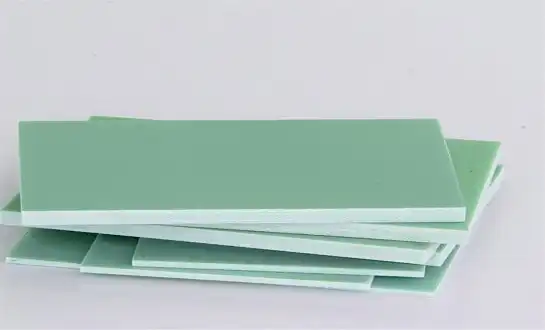
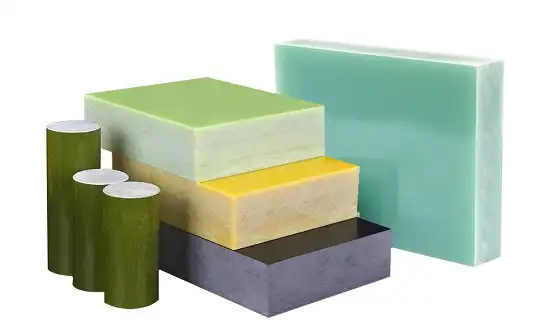
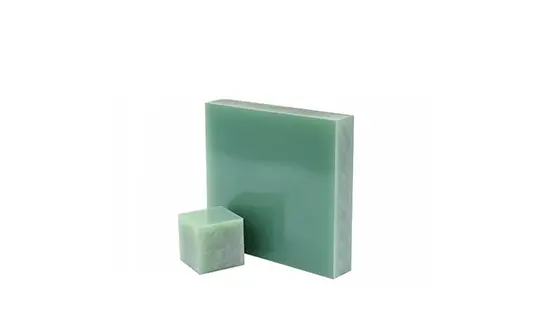
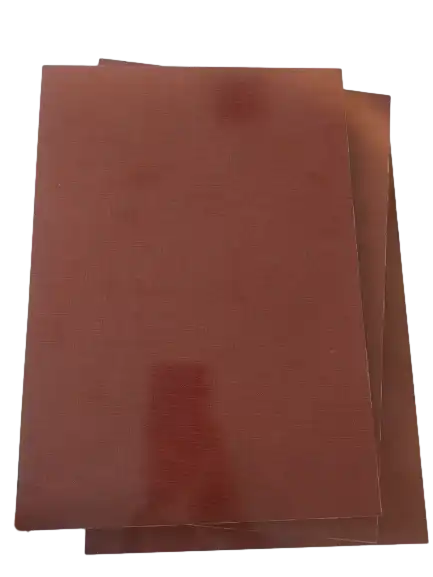
The Hongda CE Phenolic Sheet we sell comes in black or brown and is between 0.5mm and 100mm thick. The standard size is 1220 mm x 2020 mm. You can also ask for different colors, thicknesses, and sizes that aren't shown here. Standard requirements include UL94V0. You can't damage the sheet with heat or water, and it's light, so it's easy to move around. It takes 500KG as a minimum order, and 13,000 tons can be made each year. As always, we pack things on pallets to keep them safe. Then, we ship by land, sea, or air, and you can pay us with a draft. We have certificates from ISO 9001, UL, and ASTM D578. Our OEM service can make changes to the size and material to make it work for your project.
Conclusion
With canvas added for strength, NEMA Grade CE Phenolic Sheet is a phenolic laminate. The material doesn't move much, is strong when hit, and is easy to machine. This makes it a good choice for CNC-machined panel parts like barriers, supports, mounting plates, and spacers. Its specific gravity is usually between 1.34 and 1.36, its bending strength is over 15,000 psi, and it can be used all the time at temperatures between 115°C and 125°C. It's not as good as FR-4 when it comes to flame behavior, water absorption, and dielectric strength, so flame ratings and insulation performance must be confirmed in writing for each grade. Sharp carbide tools, dust collection, good design for creepage and clearance, and first-article inspection are all things that can be done to keep the quality of the parts high. When you make better choices, you compare CE with LE, FR-4, and other options. You also avoid making mistakes with materials and machines and look at the total cost instead of just the sheet price.
FAQ
What is the difference between CE and LE grades?
CE uses rough canvas since it can handle more damage. Fine linen is used by LE because it can handle water better and make the work's details stand out more. Choose CE for parts and gears that hold weight. Pick LE if you want fine separators.
What temperature can it handle?
For long-term work, the temperature range is 115°C to 125°C. If you go above that, the carbon turns into cotton, which makes the material less strong.
Does it need special tooling?
Carbide-tipped tools should be used because the resin is rough. You need to get rid of phenolic dust because it is bad for your health and can catch fire.
Is it flame retardant?
Not even NEMA Grade CE can keep you safe from fire. We list UL94V0 as one of our standard specifications. Before you place your order, make sure you check the rating and documents to make sure you have the right grade.
Request Your CE Phenolic Sheet CNC Machining Quote from J&Q
Talk to J&Q about your next project. We've been a CE Phenolic Sheet seller for a long time. We can offer Hongda sheet from 0.5mm to 100mm, deal with OEMs, have a 500KG MOQ, and send the goods ourselves. Email info@jhd-material.com with drawings and details about how to use the piece. Go to blog.jhd-material.com for more how-to tips. Our team will give you good advice and a clear quote when we get back to you.
References
1. NEMA LI 1, Industrial Laminated Thermosetting Products, 1998
2. ASTM D709, Standard Specification for Laminated Thermosetting Materials, 2017
3. ASTM D149, Standard Test Method for Dielectric Breakdown Voltage and Dielectric Strength of Solid Electrical Insulating Materials at Commercial Power Frequencies, 2020
4. IEC 60664-1, Insulation Coordination for Equipment Within Low-Voltage Supply Systems, 2020
5. UL 94, Tests for Flammability of Plastic Materials for Parts in Devices and Appliances, 2013
6. OSHA, Combustible Dust National Emphasis Program, 2008

Get a complete product list and quotation

J&Q New Composite Materials Company