Epoxy Fiberglass Tube Supports Reliable Industrial Equipment Protection
When industrial equipment fails, the root cause is often inadequate insulation or structural material. Epoxy fiberglass tube has become one of the most dependable solutions across demanding sectors — from high-voltage switchgear to transformer assemblies and automotive battery enclosures. Made from alkali-free glass cloth impregnated with epoxy phenolic resin through hot rolling and baking, this composite tube delivers a rare combination of mechanical strength, dielectric performance, and chemical stability. Whether you are an engineering manager sourcing insulation components or an OEM procurement specialist evaluating long-term material reliability, understanding what this material can do for your operation matters.
Understanding Epoxy Fiberglass Tubes and Their Industrial Applications
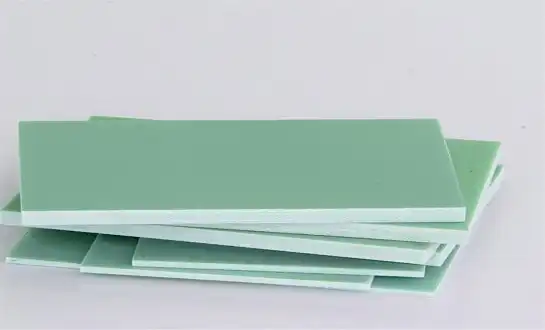
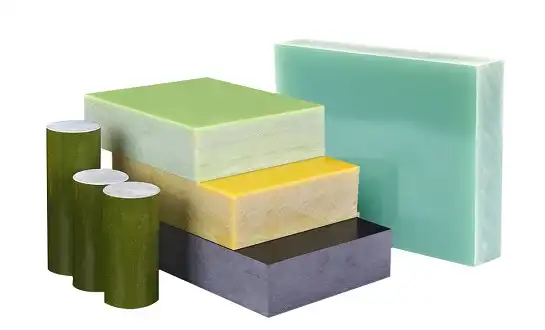
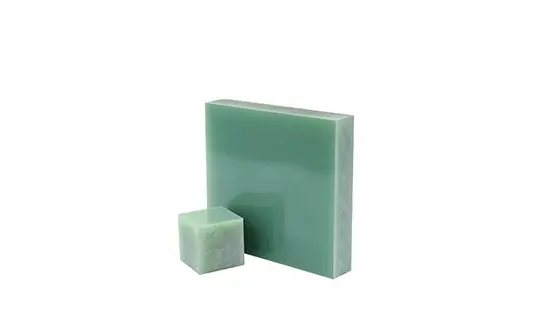
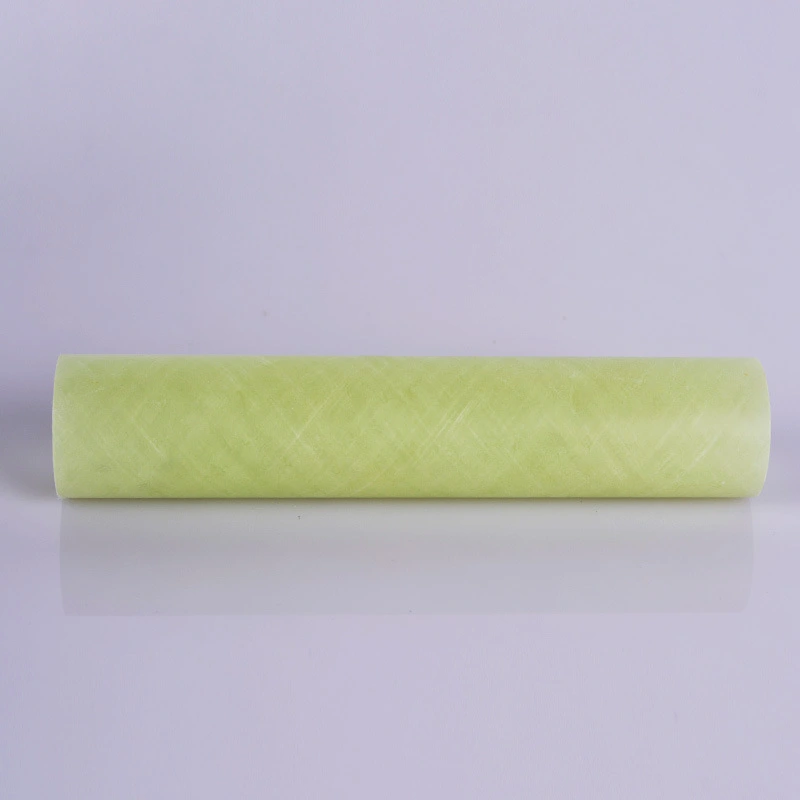
Epoxy Fiberglass Tubes are designed composite parts made from alkali-free glass fiber cloth that is mixed with an epoxy phenolic resin matrix and then hardened at a specific temperature. The end result is a thick, dimensionally stable tube with a smooth, blister-free outer surface that stays together in a lot of different working situations, such as when it's wet or when transformer oil is immersed in it.
Key Physical Characteristics Worth Knowing
The mass of the material is confirmed to be 1.70 g/cm³, and it stays stable at 150°C for 24 hours without cracking or bulging. It has a volume resistivity of 2.4×10²³ Ω·m and an insulation resistance of 5.5×10²² Ω when tested under normal conditions. These aren't just hypothetical standards; they come from J&Q's production line and have been tried.
These tubes come with inner widths that range from ʆ8mm to φ550mm, so they can be used for a very wide range of sizes. The standard color is green, which comes from the phenolic resin and also makes it easier to see when putting it together.
Electrical insulation is used in contactors, electromagnets, dry-type transformers, and motor parts, among other things. The tube can be used as a structural spacer, an insulating cover, or a load-bearing channel in mechanical systems. Because it doesn't react with acids, bases, or solvents, it can also be used in process settings that are harsh on chemicals.
How Epoxy Fiberglass Tubes Ensure Reliable Industrial Equipment Protection?
There are many types of protection used in the workplace. A part has to be able to withstand electrical breakdown, mechanical stress, chemical contact, and keep its shape over many years of use. Epoxy Fiberglass Tubes handle each of these failure modes at the same time.
Dielectric Strength and Electrical Safety
This material has an electrical strength of 8 MV/m in the vertical layer at 90°C in oil, which is a very important requirement for transformer and switchgear uses. The dielectric loss factor is 8.1×10⁻³, which shows that not much energy is lost even when the electricity is on for a long time. For jobs involving high-voltage insulation, these numbers directly mean longer equipment life and a lower chance of failure caused by an arc.
Mechanical Resilience Under Load
The cured resin system has great mechanical properties as well as great electrical performance. The tube can withstand tensile, compressive, and flexural stress without deforming. This means it can be used in situations where there is shock, vibration, or constant dynamic loading. Unlike metals, which break down when stressed over and over, this composite keeps its shape even when temperatures change, which is an important quality for parts used in the power sector and cars.
Here are the main safety benefits of this material that make it stand out in tough industrial settings:
- Thermal stability rated to 150°C: Confirmed by 24-hour thermal aging tests showing no cracking or surface bulging, the tube performs reliably in motor and transformer environments where sustained heat exposure is routine.
- Chemical resistance across pH ranges: Resistance to alkalis, acids, and common industrial solvents extends service intervals and reduces replacement frequency in process machinery.
- Low water absorption (≤0.6 MPa): The material retains its insulation properties even after prolonged immersion, supporting deployment in humid environments and oil-cooled equipment.
- Dimensional stability: Low shrinkage during cure — due to the addition reaction mechanism of the epoxy system — preserves precise tolerances essential for CNC-machined components.
Throughout the entire lifecycle of an industrial system, these benefits directly lower the risk of electrical failure, the time that equipment is down, and the cost of replacing parts.
Comparing Epoxy Fiberglass Tubes with Alternative Materials
Three types of materials are usually looked at by buying teams when they look at insulation tubing: metals, carbon fiber composites, and normal thermoplastics, with an Epoxy Fiberglass Tube representing a fourth. Each has pros and cons that affect both efficiency and the overall cost of ownership.
Why Epoxy Fiberglass Outperforms Metals and Standard Plastics?
Metals like steel and aluminum make structures stronger, but they also increase the risk of galvanic corrosion, carry electricity, and weigh a lot. When electrical isolation is necessary in transformer and switchgear assemblies, metallic parts naturally cause compatibility issues. When compared to steel, epoxy fiberglass gets rid of these problems and makes things about 75% lighter.
Alternatives made of carbon fiber have impressive strength-to-weight ratios, but they cost a lot more to make and break more easily when they get hit. That extra cost is hard to explain for most commercial insulation jobs. Standard thermoplastic tubing, like PVC or nylon, doesn't have the thermal stability and dielectric performance needed for long-term use in high-voltage or high-temperature environments.
Epoxy Fiberglass Tube has the right balance of performance and value for most industrial buyers. It has the right amount of mechanical strength for structural tasks, better electrical insulation, chemical resistance, and a price structure that works with bulk purchases.
Procurement Guide: How to Source Quality Epoxy Fiberglass Tubes for Industrial Use?
Choosing where to get insulation-grade tubing involves technical and supply chain factors that need to be carefully thought through. The result is affected by the details of the materials, the reliability of the suppliers, and the system for moving goods.
What to Evaluate Before Placing an Order
Some technical details to check are the range of inner diameters, the tolerance for wall thickness, the supply of lengths, and the standards for surface finish. OEM buyers who need exact measurements care about the ability to customize. It is also important to make sure that the supplier has certified quality management systems and gives you test data that can be tracked, not just nominal specifications.
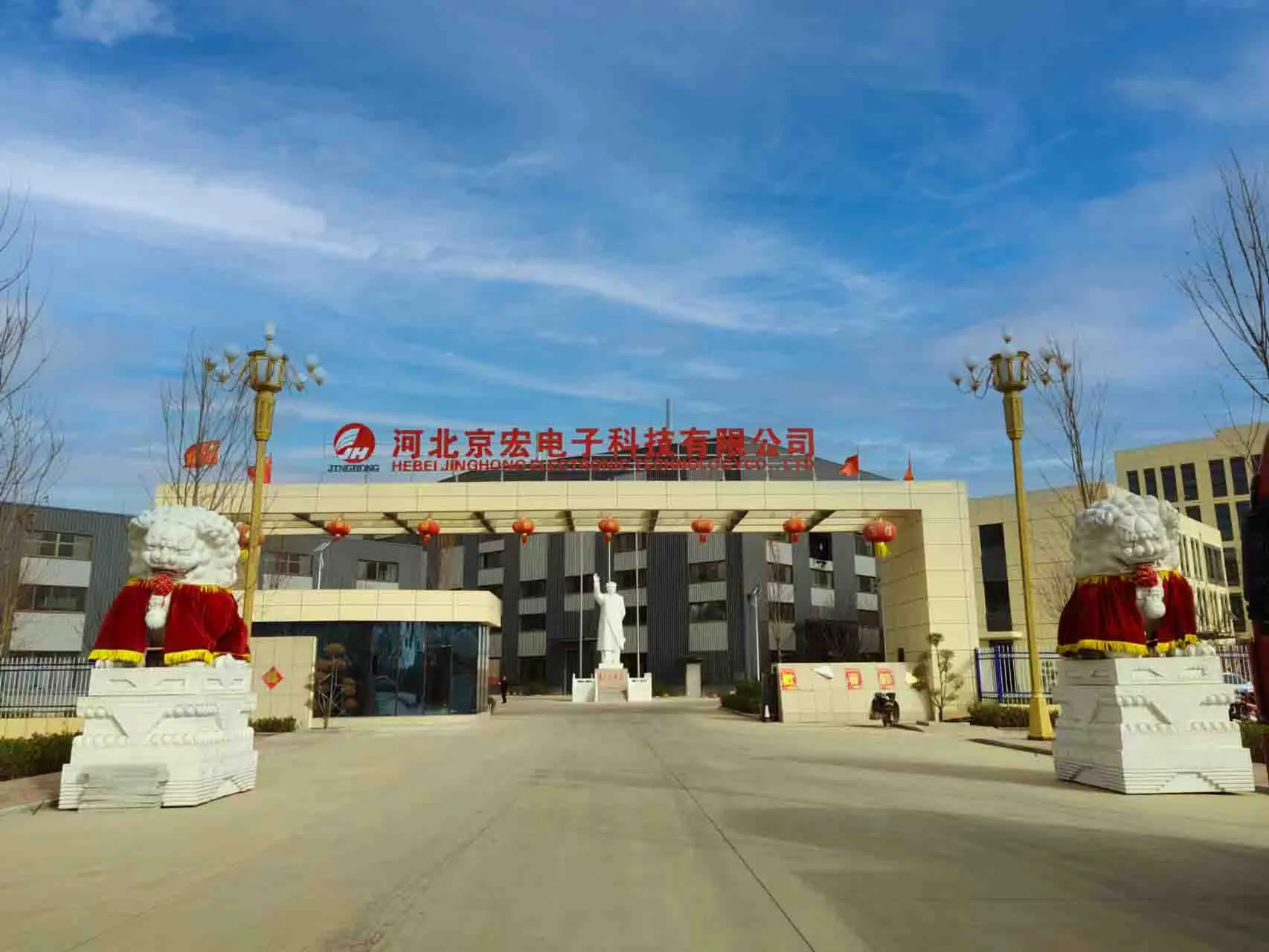
Hebei JingHong Electronic Technology Co., Ltd. is where J&Q gets its Epoxy Fiberglass Tubes. This company has been making them for over 20 years and has two factories that produce a total of 43,000 tons of insulation material every year, making it one of the biggest insulation material production bases in China. The fully automatic production workshop makes sure that the quality of each batch is the same, which is very important for buying teams that are in charge of long production runs.
Flexibility in logistics is another thing that sets them apart. J&Q has its own logistics business, which lets it offer ocean, land, and air freight choices and directly coordinate shipments. Priority production scheduling for direct sales lowers the range of wait times, which is helpful for buyers who are trying to meet tight project deadlines.
Case Studies: Successful Industrial Equipment Protection Using Epoxy Fiberglass Tubes
Power Sector: Transformer Coil Insulation
A company that makes transformers needed coil insulation sleeves that could keep working even after being submerged in oil for a long time. After being submerged in water for two hours, standard plastic tubing failed the insulation resistance test. Changing to Epoxy Fiberglass Tubes, which have a proven insulation resistance of 1.9×10⁴ Ω after immersion, fixed the failure mode and met the rules for oil-cooled transformer systems.
Industrial Machinery: Structural Spacers in Chemical Processing Equipment
A machinery OEM that makes equipment for chemical processing needed mechanical spacers that could stand up to both alkaline wash cycles and long-term compression loads. Under the working chemistry, phenolic and normal plastic parts broke down in 18 months. Epoxy fiberglass spacers kept their shape and resistance to chemicals over multiple years of use, which cut down on the number of replacements needed and the number of unplanned maintenance events.
Automotive: Battery Pack Barrier Components
A tier-1 car supplier that was making battery pack parts needed insulation barriers that were light and had stable batch tolerances for automatic assembly lines. When Epoxy Fiberglass Tubes were precisely machined to meet specifications, they had the same wall thickness and dielectric performance across all production runs. This met both safety certification standards and production throughput goals.
Conclusion
Epoxy Fiberglass Tubes provide a material performance profile that tackles the main failure causes in chemical, mechanical, and electrical industry environments. They are a good choice for engineering teams that are in charge of protecting tools in many different areas because they have been tested for dielectric strength, temperature stability, chemical resistance, and accuracy in size. With inner diameters ranging from φ8mm to φ550mm and proven scientific data backing up every specification, these tubes are more than just ordinary insulation material; they are designed to be reliable.
FAQ
How long do epoxy fiberglass tubes typically last in industrial service?
Because it doesn't absorb much water, is chemically stable, and doesn't melt at 150°C, the material has a longer useful life than regular plastic.
Can these tubes be manufactured to custom dimensions?
Yes, J&Q has inner diameters ranging from ʆ8mm to φ550mm, and the wall thickness and length can be changed to fit the needs of the project. Priority production schedule is available for custom orders, which helps OEM buyers who need exact tolerances for automatic assembly applications.
Are epoxy fiberglass tubes more cost-effective than metal alternatives?
During its whole life, yes. The initial cost of the material may be different depending on the application. However, compared to aluminum or steel insulation components, their total ownership costs are usually lower because they don't need to be maintained for rust, are lighter, and can be serviced more often without breaking down.
What certifications should I verify when sourcing?
Check that the quality management paperwork is in line with ISO standards and ask for test reports that cover density, water absorption, dielectric strength, and thermal stability for each batch. Based on these numbers, you can be sure that the material meets the performance requirements for your purpose.
Partner with J&Q for Certified Epoxy Fiberglass Tube Solutions
J&Q has been making products for more than 20 years and has a straight production pipeline for every sale. Our Epoxy Fiberglass Tube comes in inner diameters ranging from ʆ8mm to φ550mm, and we offer confirmed technical data, customization help, and integrated logistics across ocean, land, and air freight channels. Please email our technical team at info@jhd-material.com if you need product specifications, samples, or help with sourcing.
References
1. Composites Science and Technology — Springer, 2021
2. IEEE Transactions on Dielectrics and Electrical Insulation — IEEE, 2020
3. Journal of Applied Polymer Science — Wiley, 2019
4. Materials & Design — Elsevier, 2022
5. Polymer Composites — Wiley, 2021
6. International Journal of Electrical Power & Energy Systems — Elsevier, 2023

Get a complete product list and quotation
J&Q New Composite Materials Company