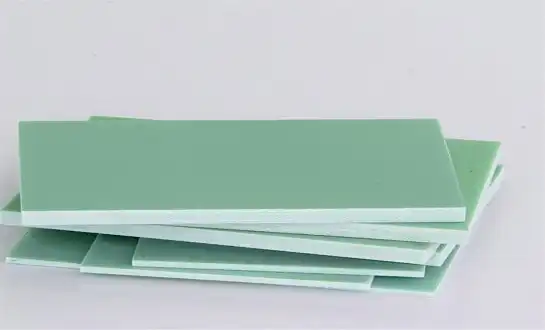
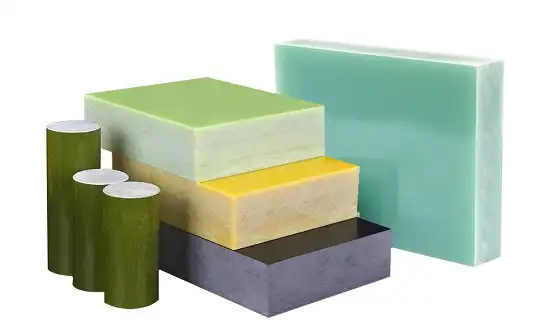
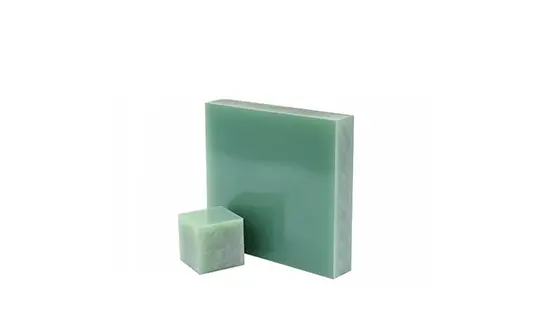
Electrical Insulation Phenolic Resin Cotton Fabric for Motor and Transformer Components
Electrical Insulation Phenolic Resin Cotton Fabric is a high-performance laminate material produced by impregnating fine woven cotton cloth with phenolic resin under high pressure and elevated temperature. The result is a dense, dimensionally stable sheet with strong dielectric properties, good moisture resistance, and dependable machinability. Engineers and procurement teams in motor manufacturing, transformer production, and industrial equipment rely on this material to meet both electrical and mechanical demands within a single solution. This guide covers material fundamentals, real applications, procurement priorities, and why it continues to be a trusted choice across demanding industrial sectors.

Understanding Electrical Insulation Phenolic Resin Cotton Fabric
The phenolic cotton laminate sheet gets its performance from the interaction between woven cotton substrate and thermosetting phenolic resin binder. When cured under heat and pressure, the two materials bond into a rigid composite that handles electrical stress and mechanical load simultaneously.
Material Composition and Structure
The cotton cloth reinforcement distinguishes this material from paper-based phenolics. Woven fibers distribute mechanical stress across the sheet, reducing the risk of brittle fracture. The phenolic resin matrix provides chemical resistance and locks moisture out, giving the finished sheet high density and low water absorption — both critical in humid or oil-immersed environments.
Dielectric Strength and Electrical Resistance
The laminate achieves strong dielectric strength, making it suitable for coil insulation, slot liners, and arc barriers. Its high volume resistivity prevents current leakage across components, which is especially important in transformer windings and switchgear assemblies where electrical tracking failures cause system shutdowns.
Thermal Stability and Flame Behavior
Phenolic resin inherently resists ignition and slows flame spread, making this sheet appropriate for applications requiring thermal protection. The material maintains dimensional stability at elevated service temperatures, which protects motor and transformer components during continuous load operation.
Comparing Phenolic Resin Cotton Fabric with Other Electrical Insulation Materials
Choosing the right insulation material affects both component performance and total project cost. Phenolic cotton laminates, mica-based sheets, and fiberglass-epoxy laminates each occupy different positions depending on the application's mechanical and electrical demands.
Here is how these three materials differ across four practical dimensions:
- Electrical Insulation Phenolic Resin Cotton Fabric offers strong machinability, good impact resistance, and stable performance in transformer oil. It suits applications where mechanical cutting, drilling, and shaping are frequent — such as spacers, gears, and bearing surfaces. Its cost is lower than fiberglass-epoxy for equivalent mechanical grades, making it attractive for high-volume production.
- Mica-based insulation delivers superior dielectric breakdown voltage and performs well at very high temperatures. However, mica sheets are brittle, difficult to machine, and significantly more expensive. They are preferred in traction motors and generators where thermal class requirements exceed what phenolic materials can meet.
- Fiberglass-epoxy laminates (such as FR4) provide higher temperature ratings and better moisture resistance than phenolic cotton. They are preferred in PCB applications and high-frequency environments. The trade-off is higher material cost and reduced impact toughness compared to cotton-reinforced phenolics.
Each material addresses a specific engineering problem. Phenolic cotton laminate holds a practical advantage when both mechanical durability and electrical insulation matter, particularly in oil-filled transformers and industrial motor housings where budget, machinability, and performance must align.
Practical Applications and Testing Methods
Phenolic resin cotton fabric sheets are used in a lot of different electrical and mechanical parts. Because the material is both strong and insulating, it can be used in ways that pure electrical barriers can't.
Motor and Transformer Component Uses
The laminate is cut into slot pieces, end-ring supports, and insulating spacers for motors. It is used for coil supports, bushings, and parts that change the tap in oil-immersed transformers. Because it doesn't break down chemically in hot transformer oil, it can be used in places where regular plastics would fail. It is also cut into quiet gears and mechanical support frames that need to be electrically isolated by people who build industrial machinery.
Industry Testing Protocols
Several standard tests are used by suppliers and engineering teams to check performance. IEC 60243 or ASTM D149 are used to measure dielectric strength. IEC 60085 is used for thermal classification. UL 94 is used to test for flame retardancy. ASTM D790 and ASTM D256 are used to test flexural strength and impact resistance. Before the material is installed, these tests make sure that it meets the project's requirements.
Verifying Batch Consistency
When buying from OEMs, procurement teams should ask for test results with every batch. The numbers for thickness tolerance, surface finish, and moisture content should stay the same from one package to the next. Hongda material comes in standard sheet sizes of 1220mm × 2020mm, and thicknesses range from 0.5mm to 100mm. This lets engineers find the exact shape they need without having to do extra work.
Procurement Insights for Phenolic Resin Cotton Fabric
To get the right quality and quantity of phenolic cotton laminates, you need to pay attention to certifications, the supplier's ability, and the dependability of the logistics. When you skimp on evaluating suppliers, you end up with inconsistent batches that slow down production.
Certifications and Quality Standards
Suppliers that have been vetted should be ISO 9001 certified and be able to show proof that their Electrical Insulation Phenolic Resin Cotton Fabric products meet IEC or ASTM test standards. End users usually need proof of UL recognition and RoHS compliance for applications sold in North American markets. Always ask for product datasheets that list the dielectric strength, heat resistance class, and flexural modulus.
Customization and Minimum Order
Check with the provider to see if they can handle special orders for motor and transformer projects that need specific sizes or sheets that are cut to fit. Hongda, which works under the J&Q name, takes orders starting at 500 kg MOQ and uses standard box packaging to keep them safe during shipping. With a production capacity of 13,000 tons per year, it is possible to meet big OEM numbers without having to wait for longer lead times.
Logistics and Payment Terms
Hongda offers freight shipping by water, land, and air, so it can handle both urgent sample exports and full container bulk orders. Payment is made through T/T. Having an in-house logistics operation gets rid of the planning delays that come up with supply chains with more than one provider.
Why Choose Phenolic Resin Cotton Fabric for Your Motor and Transformer Projects?
This laminate material has been used in industry for decades because it solves a real technical problem: it is strong and doesn't conduct electricity and it comes in a sheet form that can be machined. When a dynamic load is put on ceramic separators, they break. Normal plastics break down in generator oil. It is more difficult to machine fiberglass-epoxy laminates, and they cost more.
This is why phenolic cotton laminate is the best choice for acquisition engineers in terms of performance:
- High machinability — The cotton fiber reinforcement allows clean CNC drilling, milling, and turning without delamination, which reduces post-processing scrap rates in high-volume production runs.
- Oil compatibility — The material maintains structural and electrical integrity when submerged in transformer oil, a requirement that eliminates most alternative polymers from consideration.
- Moisture resistance — High-density construction prevents moisture absorption that would degrade dielectric performance over time in humid operating environments.
- Cost-performance ratio — Compared to glass-epoxy and mica alternatives, phenolic cotton laminate delivers sufficient performance at a lower material cost for mechanical-grade applications.
Because of these benefits, fewer parts will break, replacement costs will be lower, and the quality of production on motor and transformer assembly lines will be more stable. J&Q has helped customers in the U.S. and around the world with consistent material quality and reliable supply for more than 20 years. They have a focused foreign trade team to help them do this.
Conclusion
Electrical Insulation Phenolic Resin Cotton Fabric is still a reliable and inexpensive way to insulate motors, transformers, and other industrial electrical systems. Its machinability, dielectric strength, oil compatibility, and moisture resistance all work together to meet real engineering needs that many other materials can't meet within a reasonable budget. This laminate gives consistent and proven performance whether you are looking for it for PCB-adjacent applications, oil-filled transformers, or heavy motor assemblies. Hongda's production capacity, ISO-certified quality systems, and experienced trade team make J&Q a reliable long-term supplier for buyers in the U.S. and around the world.
FAQ
Does phenolic cotton laminate self-extinguish after flame exposure?
Because of this, they can be used in switchgear housings and motor insulation where arc events are a design factor.
How does it compare to fiberglass epoxy insulation for transformer use?
Fiberglass-epoxy laminates can withstand higher temperatures and are better at keeping water out. Phenolic cotton laminates, on the other hand, work better in transformer settings with oil, are easier to work with, and cost less per kilogram. As long as the temperature is in the Class B or Class F range, phenolic cotton laminates are still a good technical and cost-effective choice.
What certifications should I request when sourcing this material?
Ask the seller for ISO 9001 certification, IEC or ASTM test results for dielectric strength and flexural stiffness, and RoHS compliance paperwork if the application is meant for the North American or European market. UL recognition documents may also be needed, depending on the type of end product.
Can Hongda supply custom thickness and sheet dimensions?
Yes, Hongda makes sheets that are between 0.5 mm and 100 mm thick, and the typical sheet size is 1220 mm x 2020 mm. For certain orders, custom sizes and processing that is cut to size are available.
Partner with J&Q for Certified Phenolic Cotton Laminate Supply
J&Q has been making insulating sheets for more than 20 years and has been trading internationally for ten years. We make 13,000 tons of Electrical Insulation Phenolic Resin Cotton Fabric every year, and we handle all of our own transportation, so you can count on steady quality and on-time delivery without any supply chain risk. Email your requirements or ask for examples of the product to info@jhd-material.com. Our technical team will get back to you with pricing information, material datasheets, and confirmation of the lead time. You can find out more about all of our insulation materials by going to blog.jhd-material.com.
References
1. ASTM International. ASTM D149: Standard Test Method for Dielectric Breakdown Voltage and Dielectric Strength of Solid Electrical Insulating Materials. ASTM International, 2020.
2. International Electrotechnical Commission. IEC 60085: Electrical Insulation — Thermal Evaluation and Designation. IEC, 2020.
3. International Electrotechnical Commission. IEC 60243-1: Electric Strength of Insulating Materials — Test Methods. IEC, 2013.
4. Underwriters Laboratories. UL 94: Tests for Flammability of Plastic Materials for Parts in Devices and Appliances. UL Standards, 2018.
5. Brydson, J. A. Plastics Materials, 7th ed. Butterworth-Heinemann, 1999.
6. Harper, C. A. Handbook of Plastics Technologies. McGraw-Hill, 2006.

Get a complete product list and quotation
J&Q New Composite Materials Company