Can CE Phenolic Sheet Meet Electrical Insulation Needs in Global Equipment Production?
CE phenolic sheet is a high-pressure laminate made by impregnating cotton canvas fabric with phenolic resin under elevated heat and pressure. For global equipment manufacturers — from switchgear builders to transformer producers — the answer is a clear yes. This material delivers a dielectric breakdown voltage of approximately 35–40 kV, a flexural strength exceeding 15,000 psi, and a continuous operating temperature of 115°C to 125°C. With ISO 9001, UL, and ASTM certifications backing production, phenolic canvas laminate has earned its place as a dependable electrical insulation material across demanding industrial environments worldwide.
Understanding CE Phenolic Sheet: Composition and Key Properties
What Makes Up a CE Phenolic Sheet?
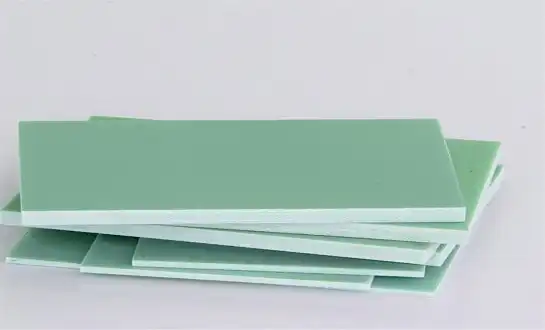
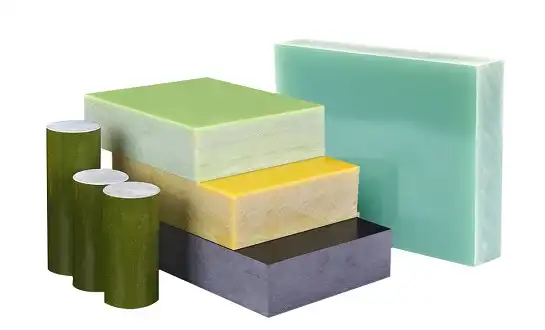
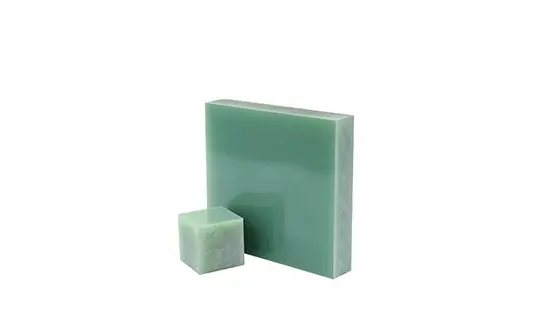
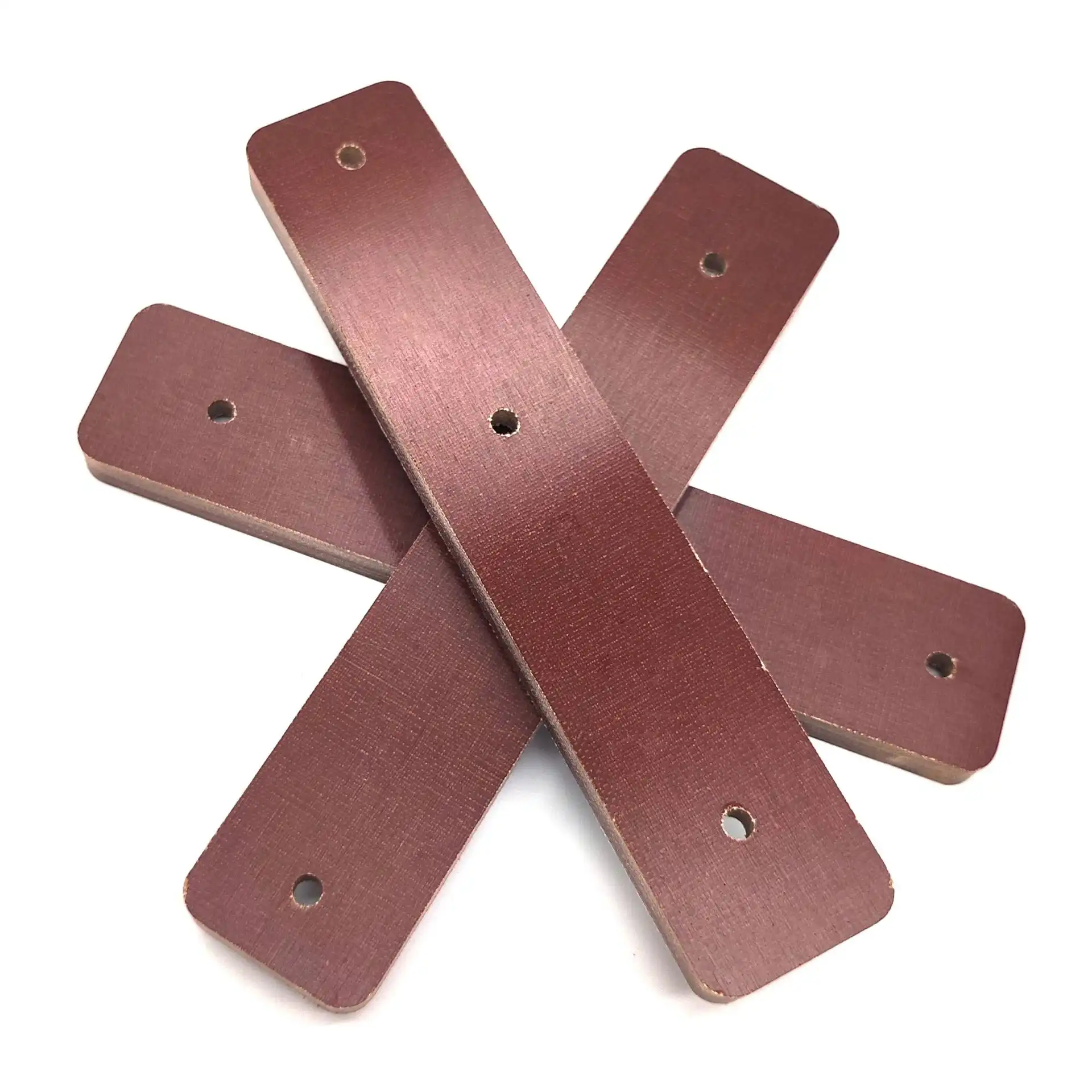
To make CE Phenolic Sheet, which is also known as NEMA Grade CE (Canvas Electrical), medium- to coarse cotton canvas is saturated with phenolic resin, and then layers are bonded together using high heat and pressure. The fabric weave makes the laminate more resistant to pressure than phenolics made from paper. Hongda sheets from J&Q come in thicknesses ranging from 0.5 mm to 100 mm and come in normal sizes of 1220 mm × 2020 mm. Custom sizes can be made upon request.
Electrical and Thermal Performance
The material has a dielectric breakdown voltage of about 35–40 kV (step-by-step, perpendicular), which means it can be used for insulation tasks with moderate voltage. It can handle temperatures between 115°C and 125°C continuously, which is enough for most motor and generator uses. The specific gravity is between 1.34 and 1.36, and the Rockwell hardness (M Scale) is up to 105. This shows that the material's dimensions stay the same when it goes through thermal cycling.
Certifications That Matter in Global Trade
The phenolic canvas laminates sold by J&Q meet the requirements of NEMA LI-1 Grade CE, ASTM D709 Type II Grade CE, MIL-I-24768/14 (Type FBG), ISO 9001, and UL. These approvals aren't just for looks; before accepting any new insulation substrate in North America and Europe, buying teams need to see proof that it meets the standards. RoHS alignment also takes into account the growing legal pressure on limits on dangerous substances in computer assemblies.
Comparing CE Phenolic Sheet with Other Common Insulation Materials
CE Phenolic vs. Wood-Based Panels (MDF, Plywood, HPL)
In high-humidity industrial settings, wood-based walls soak up water, grow, and lose their structural integrity. The CE phenolic material doesn't absorb water and stays the same size when MDF or plywood would shift. Phenolic laminates are the only ones that can compare to phenolic laminates when it comes to electrical circuit panels and busbar supports.
CE Phenolic vs. PVC and Plastic Sheets
Chemicals don't hurt PVC sheets too much, but they do deform at low temperatures, usually between 60°C and 80°C. CE Phenolic Sheet can withstand continuous service at 125°C and keeps its shape even when exposed to the high temperatures found in motor housings and transformer enclosures. Phenolic laminate is a much more consistent choice for OEM sourcing managers who need to make sure that thickness tolerances are met across production batches.
CE Phenolic vs. Glass Epoxy (FR-4)
FR-4 has better dielectric qualities and a flame grade of UL 94 V-0 by default. It is important for buyers to know that normal NEMA Grade CE CE Phenolic Sheet is not naturally flame-retardant. But there are phenolic canvas formulations that don't catch fire. CE phenolic is often the better and more cost-effective choice for impact-resistant parts like mechanical gears, wear pads, and structural electrical parts that are more important than fine electrical insulation.
Application Scenarios: How CE Phenolic Sheet Meets Diverse Electrical Insulation Needs
CE phenolic laminate is used in more types of applications than most buying teams think at first. It can be used in a lot of different industries because it is tough mechanically, has moderate dielectric strength, and can be machined easily.
In these main areas of use, this element consistently does its job:
Electrical switches and control panels: Phenolic canvas sheets can be machined into arc barriers, terminal boards, and busbar insulator plates without leaving any marks. Because they don't change size when electrical stress or temperature does, they need less upkeep in high-cycle switching settings.
- Electrical switchgear and control panels: Phenolic canvas sheets machine cleanly into arc barriers, terminal boards, and busbar insulation plates. Their dimensional stability under both electrical stress and temperature change reduces maintenance intervals in high-cycle switching environments.
- Transformers and motor insulation barriers: Used as coil separators and structural insulation plates, the material withstands the combined mechanical and thermal loads present in distribution transformers and industrial motors. Izod impact strength of approximately 1.6 ft-lb/in notch means the sheets absorb short-circuit magnetic forces without cracking.
- Silent gears and wear pads in heavy machinery: CE phenolic sheet is the industry standard for manufacturing silent gears in crushers, mills, and conveyors. Its self-lubricating surface reduces noise by up to 50% versus metal gears and acts as a sacrificial component, protecting costlier metal mating gears.
- Automotive insulation pads and battery barriers: Automotive tier-1 suppliers specify phenolic laminates for heat-resistant fixtures and battery pack separators, where stable batch quality and precision CNC machinability are non-negotiable.
These features solve direct production issues like part wear, arc flash risk, noise, and thermal failure that cost equipment makers time and new parts.
Procurement Insights: Buying CE Phenolic Sheets for Global Supply Chains
Minimum Order, Packaging, and Lead Times
In order to cover both sample validation runs and normal mass replenishment, J&Q sets a MOQ of 500 kg. Sheets are shipped on pallets in standard packaging to keep the surface from getting damaged during shipping by sea, land, or air. J&Q has its own transportation company, which means it can coordinate everything from production to port in one place. This is helpful for North American buyers who are trying to meet tight project deadlines.
Evaluating Supplier Credentials
Procurement teams should check that a phenolic laminate supplier is ISO 9001 certified, has batch test reports that match ASTM D709, and is recognized by UL. J&Q has been making things for more than 20 years and has been trading with other countries for more than 10 years, providing customers in North America, Europe, and Asia. The factory can make up to 13,000 tons of goods every year, which keeps OEM orders for large amounts of goods coming in.
Total Landed Cost Considerations
The terms of payment are T/T. In addition to the unit price, buyers should think about the type of freight (ocean freight is the cheapest for large orders), any import taxes that may apply to laminated phenolic boards in the final destination country, and the cost of moving the pallets. Procurement teams can correctly compare rival suppliers on a landed-cost basis by asking for a detailed pro forma invoice that breaks down the cost of the product, freight, and insurance.
Future Outlook: Trends and Innovations in CE Phenolic Sheets for Electrical Insulation
Improved Resin Formulations
The chemistry of phenolic resins keeps getting better. Higher thermal indices and better flame protection are now possible with formulas that have been changed, without losing the mechanical toughness that marks canvas-reinforced grades. These changes make it possible for equipment makers in the power and energy sector to make high-temperature coil insulation last longer.
Sustainability and Circular Economy Alignment
Manufacturers are being pushed by stricter rules in the EU and the US to use materials that release fewer volatile organic compounds (VOCs) and can be recycled. Newer types of phenolic laminate include bio-based resins, which lower the overall carbon footprint of the insulation material supply chain. This is an important factor for buyers of appliances and cars that have made public commitments to sustainability.
Expanding Demand in Renewable Energy and EVs
Both the electric car and green energy industries need insulation materials that are light, don't change temperature much, and always work well as a dielectric. In these areas, phenolic canvas laminate is already used as a barrier for battery packs and as protection for transformers. Demand is expected to grow as North America invests more in its grid infrastructure.
Conclusion
CE Phenolic Sheet meets a real need in the production of equipment around the world. It has good dielectric performance, high mechanical strength, resistance to moisture, and the ability to be machined on a CNC machine. It is a reliable material for shipping that meets international standards. It's not always the best option—buyers who need UL 94 V-0 flame ratings must check the exact formulation—but it has been shown to work well for switchgear parts, structural insulation plates, quiet gears, and motor barriers. Hongda-brand CE phenolic laminate from J&Q, which is certified by ISO 9001, UL, and ASTM, is a good place for procurement teams to start looking for insulation materials for tough production environments around the world.
FAQ
Is CE phenolic sheet suitable for high-voltage applications?
CE phenolic sheet carries a dielectric breakdown voltage of approximately 35–40 kV, which suits moderate-voltage insulation tasks such as busbar barriers and switchboard panels. For very high-voltage applications above that range, glass epoxy laminates typically offer stronger dielectric performance.
How does CE phenolic compare to plywood in terms of fire resistance?
Standard plywood ignites readily and carries no dielectric rating. CE phenolic laminate resists ignition due to its phenolic resin matrix. For UL 94 V-0 flame resistance, buyers should request a flame-retardant phenolic formulation specifically.
What certifications are required for exporting phenolic laminates to North America?
Key certifications include ISO 9001 for quality management, ASTM D709 for material specification compliance, and UL recognition for electrical safety applications. RoHS compliance documentation is also requested by many U.S. electronics manufacturers.
Can CE phenolic sheet be machined with standard CNC equipment?
Yes. Carbide-tipped tooling is recommended due to the abrasive nature of the resin. Proper dust extraction is mandatory, as phenolic dust is a recognized health and combustion hazard in machining environments.
Partner With J&Q — Your Trusted CE Phenolic Sheet Supplier
Hongda-brand phenolic canvas laminates are sold by J&Q New Composite Materials Company. They come in thicknesses ranging from 0.5 mm to 100 mm and are certified by ISO 9001, UL, and ASTM. We can produce 13,000 tons per year, handle operations in-house, and have been making things for more than 20 years, so we can help buying teams all over North America with dependable supply and OEM customization. Get detailed information or samples right now by emailing us at info@jhd-material.com or going to our blog at blog.jhd-material.com.
References
1. National Electrical Manufacturers Association. NEMA LI-1: Industrial Laminating Thermosetting Products. NEMA, 2020.
2. ASTM International. ASTM D709: Standard Specification for Laminated Thermosetting Materials. ASTM International, 2021.
3. Underwriters Laboratories. UL 94: Standard for Tests for Flammability of Plastic Materials for Parts in Devices and Appliances. UL, 2018.
4. Harper, Charles A. Handbook of Plastics Technologies. McGraw-Hill, 2006.
5. Goodman, Saul H. Handbook of Thermoset Plastics. 3rd ed., Elsevier, 2014.
6. International Electrotechnical Commission. IEC 60893: Specification for Industrial Rigid Laminated Sheets Based on Thermosetting Resins for Electrical Purposes. IEC, 2019.

Get a complete product list and quotation
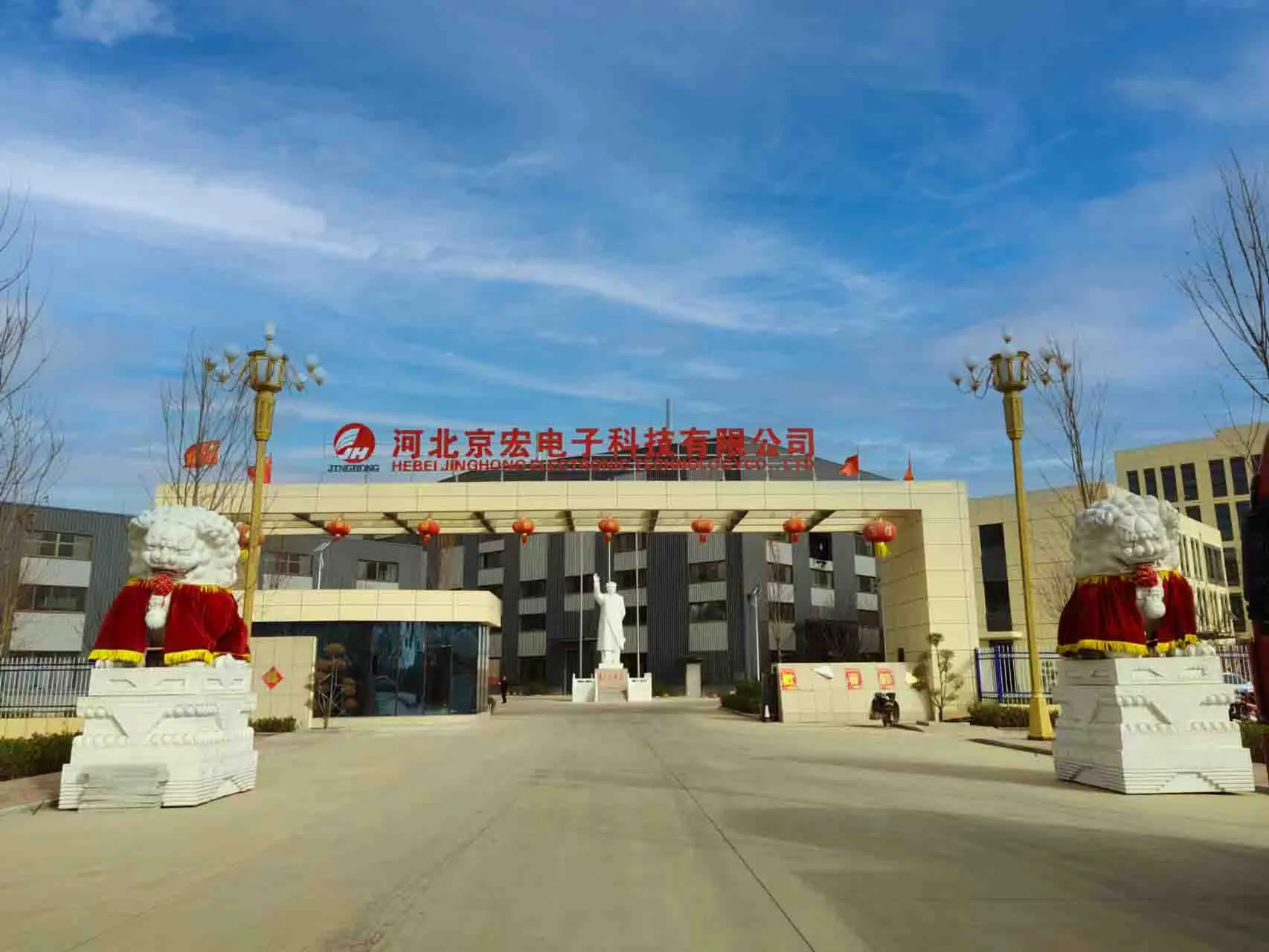
J&Q New Composite Materials Company