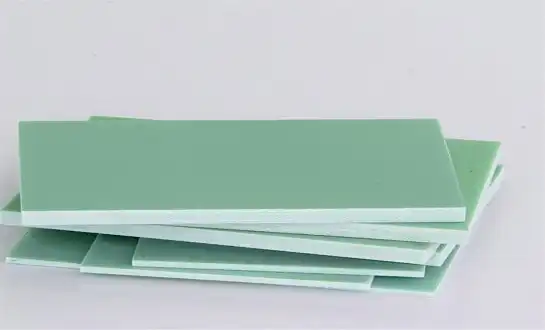
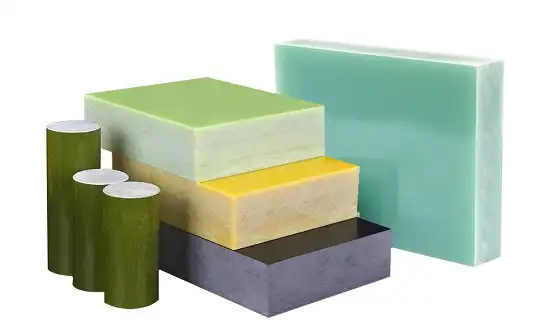
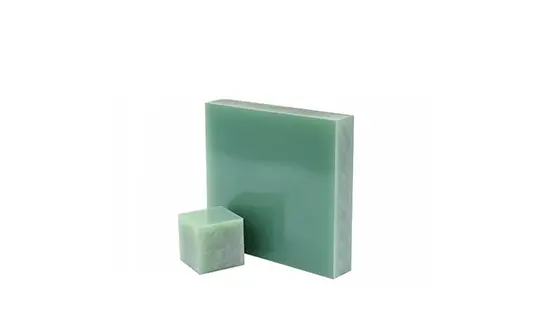
Electrical Insulation Phenolic Resin Cotton Fabric for Machined Bushings and Structural Parts
Electrical Insulation Phenolic Resin Cotton Fabric is one of the most dependable insulation materials available for machined bushings and structural components in industrial settings. Manufactured by impregnating fine-weave cotton cloth with thermosetting phenolic resin under high pressure and high temperature, this composite delivers high density, strong moisture resistance, and precise machinability. Whether you are sourcing phenolic cotton laminate for switchgear supports, transformer components, or mechanical spacers, understanding its properties and procurement options will help your team make smarter, faster decisions.

Understanding Phenolic Resin Cotton Fabric and Its Electrical Insulation Properties
Phenolic cotton laminate is not simply a coated fabric. The manufacturing process bonds the cotton substrate and resin matrix at a molecular level, creating a material that behaves consistently under mechanical and electrical stress.
How Is the Material Made?
Fine-weave cotton cloth is fed through a phenolic resin bath, then stacked in multiple plies and pressed under heat and pressure. This produces a dense, void-free laminate with uniform thickness and stable mechanical properties throughout the cross-section.
Key Electrical Properties
The resulting board carries high dielectric strength, low dielectric loss, and high surface resistivity. These characteristics make it well-suited for coil insulation, arc barriers, and PCB support frames where electrical tracking must be prevented.
Thermal and Mechanical Performance
Beyond electrical performance, the cotton fiber reinforcement gives the laminate toughness and impact resistance that paper-based phenolics simply cannot match. The material holds its dimensional integrity across a broad temperature range, which matters directly when machined parts must stay within tight tolerances during equipment operation.
Comparing Phenolic Resin Cotton Fabric with Other Electrical Insulation Materials
A lot of the time, picking the right insulation sheet means weighing performance against cost and ease of use. Here are some alternatives to phenolic cotton laminate and how they compare.
Versus Epoxy Glass Laminate (FR4)
Because it can handle higher temperatures and is classified as a UL 94 V-0 flame, FR4 is the best material for printed circuit boards. Phenolic cotton laminate, on the other hand, is less expensive, works more quietly, and absorbs vibrations better, all of which are important in spinning equipment and gear uses.
Versus Mica Sheets
Mica is very stable at very high temperatures, but it is also very brittle and hard to shape into complicated bushing designs. The fact that Electrical Insulation Phenolic Resin Cotton Fabric phenolic cotton laminate doesn't crack when CNC cutting, milling, and turning it is a big plus for companies that make OEM parts.
Versus Silicone-Coated Fabric
Silicone fabric is very flexible and doesn't react badly with chemicals, but it's not structurally rigid enough to be used for load-bearing bushings or mechanical spacers. When put under compression loads, phenolic cotton laminate keeps its shape, which is something that silicone-based materials usually can't do in the same thickness range.
These differences directly affect choices about what to buy. Matching the grade of material to the needs of the application keeps specifications from being too strict and lowers the cost per unit without affecting the reliability of the part.
Procurement Guide: Sourcing Phenolic Cotton Laminate for Machined Parts
Finding the lowest price isn't enough to get this stuff effectively. These things have a direct effect on the quality of the parts, the wait time, and the security of the supply chain.
Standard Specifications to Know
The thickness of Hongda phenolic cotton laminate ranges from 0.5 mm to 100 mm, and the normal sheet size is 1220 mm × 2020 mm. The yearly production capacity is 13,000 tons, which meets the needs of OEMs and customers who buy from them again and again. The smallest amount you can buy is 500 kg, and you can pay with T/T.
Packaging and Logistics
Sheets are put in regular boxes and protected by pallets to keep the surfaces from getting damaged while they're being shipped. Buyers in North America can choose from ocean freight, land transport, and air cargo as shipping options. This gives them the freedom to weigh cost against delivery time.
Certifications and Quality Assurance
Before you place a large order, ask providers to send you test results that prove the dielectric strength, water absorption rate, and flexural strength of the material. Regulatory risk is lower when production processes are ISO-certified, and compliance paperwork for RoHS and REACH is provided. This is especially true for buyers who sell to markets in Europe or the US where material traceability is necessary.
Application Insights: Using Phenolic Cotton Laminate in Machined Bushings and Structural Parts
The real proof of any insulation material lies in how it performs once machined and installed. Phenolic cotton laminate has earned its position across several demanding application categories.
Machined Bushings and Bearing Surfaces
In oil-immersed transformer tap changers and high-voltage switchgear, Electrical Insulation Phenolic Resin Cotton Fabric phenolic cotton bushings provide electrical isolation while withstanding repeated mechanical contact. The material's chemical stability in hot transformer oil — a condition that dissolves many standard plastics — makes it a preferred choice among transformer manufacturers.
Structural Insulation and Mechanical Spacers
Machinery builders rely on phenolic cotton sheets for spacers, guide rails, and support frames where the part must carry load without conducting electricity. The material's density and dimensional stability under compressive stress reduce maintenance intervals and extend service life compared to lower-grade alternatives.
Silent Gears and Wear Parts
In textile and paper production machinery, phenolic cotton pinion gears reduce noise by absorbing vibration that metal gears transmit. The elastic behavior of the cotton fiber matrix dampens dynamic loads without introducing electrical conductivity into the drivetrain — a dual benefit that engineers in high-noise industrial environments recognize immediately.
These application areas share a common requirement: the material must perform mechanically and electrically at the same time. Phenolic cotton laminate meets both demands in one sheet.
How to Choose the Right Grade for Your Electrical Insulation Needs?
To choose the right phenolic cotton laminate grade, you must first have a clear picture of where it will be used. Most of the time, the wrong choice isn't found during the initial review, but after months of use in the field.
Define Your Electrical and Mechanical Requirements
Start with the type of voltage that will be used. Then, look at the mechanical load. Is the part still or does it get hit over and over? Picking the right thickness for bushings in switchgear is different from picking the right thickness for gear flats in textile machines.
Evaluate Supplier Capability
You can directly track the materials from the raw cotton cloth to the finished laminate from a supplier with more than 20 years of production experience and its own logistics operation. This is something that a trading middleman usually can't do. The supplier should also be able to cut custom sheet sizes and provide semi-machined blanks that are ready for your CNC line.
Request Samples Before Bulk Orders
In responsible B2B procurement, you should always ask for a real sample before agreeing to a big order, even if you have good technical paperwork. When making high-precision bushings, it's important to check samples in your own setting to make sure they can be machined, have a good surface finish after being cut, and meet real standards for size.
Conclusion
Electrical Insulation Phenolic Resin Cotton Fabric has a clear place in industrial insulation because it is mechanically tough, electrically reliable, and easy to machine in ways that many other options aren't. This material fixes real issues in electrical and mechanical gear, like oil-soaked transformer parts, CNC-machined bushings, and structural spacers. Hongda is a good place for OEMs, engineering procurement teams, and wholesalers that serve the U.S. market and beyond to get materials because it can produce a wide range of thicknesses and offers flexible shipping options.
FAQ
What temperature range can phenolic cotton laminate handle?
In situations with short-term temperature changes or transformer oil immersion, the material stays structurally and electrically sound within this range. Before selecting a grade for high-temperature areas, you should always check with the seller to make sure of its thermal class.
How does it machine compared to fiberglass laminates?
Most of the time, phenolic cotton laminate is easier to work with than woven fiberglass laminate. When CNC milling and drilling, the cotton fiber substrate makes less abrasive dust and tool wear. In the production of bushings and spacers, this means lower costs for tools and shorter cycle times.
What is the standard sheet size and minimum order?
The standard sheet size for Hongda is 1220 mm × 2020 mm, and the thickness can be anywhere from 0.5 mm to 100 mm. The minimum amount that can be ordered is 500 kg. Custom sizes are possible; just get in touch with the team to talk about your needs.
Can this material be used in transformer oil?
Yes, phenolic cotton laminate stays chemically stable in hot transformer oil. This is one reason why it is used for parts of tap changers and the inside of bushings in transformers that are submerged in oil.
Partner with J&Q for Certified Phenolic Cotton Laminate Supply
Every order comes from J&Q, which has been making insulation sheets for more than 20 years and has been doing business around the world for more than 10 years. We can make 13,000 tons of Electrical Insulation Phenolic Resin Cotton Fabric every year, and we can help with direct handling for shipping by water, land, and air to markets in the U.S. and around the world. You can email our technical team at info@jhd-material.com or go to blog.jhd-material.com to get a bulk quote, ask for examples, or talk about custom specs.
References
1. Harper, C. A. (Ed.). Handbook of Plastics Technologies. McGraw-Hill, 2006.
2. IEC 60893-3-2. Specification for Industrial Rigid Laminated Sheets Based on Thermosetting Resins — Phenolic Cotton Fabric Laminates. International Electrotechnical Commission, 2003.
3. ASTM D709. Standard Specification for Laminated Thermosetting Materials. ASTM International, 2017.
4. Brydson, J. A. Plastics Materials (7th ed.). Butterworth-Heinemann, 1999.
5. Laughner, V. H., & Hargan, A. D. Handbook of Plastics and Elastomers in Construction. McGraw-Hill, 1998.
6. UL 746B. Polymeric Materials — Long-Term Property Evaluations. Underwriters Laboratories, 2013.

Get a complete product list and quotation
J&Q New Composite Materials Company