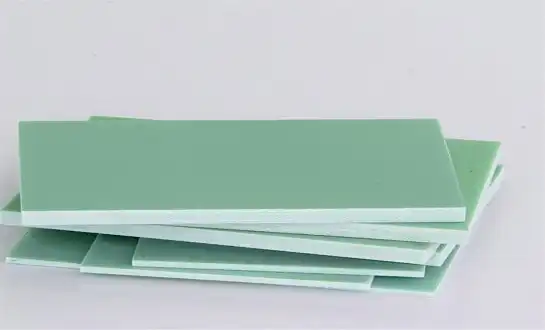
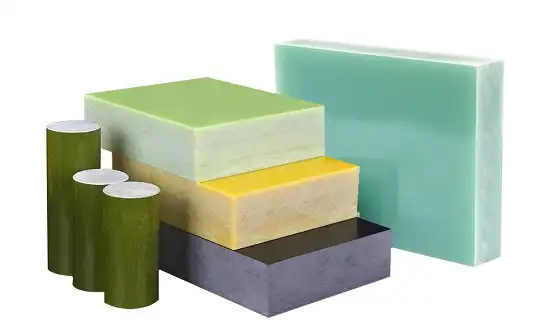
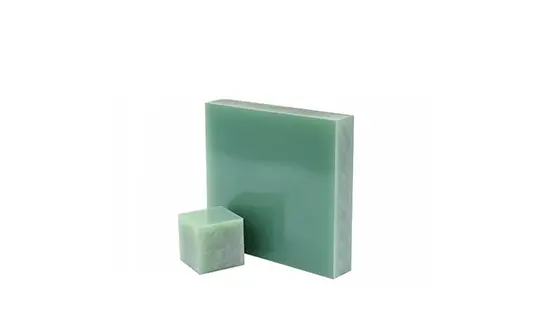
CE Phenolic Sheet Delivers Reliable Insulation for Electrical Equipment Manufacturing Projects
When electrical equipment fails due to poor insulation, the consequences go far beyond downtime. CE Phenolic Sheet has earned a strong reputation across electrical manufacturing as a go-to insulation material for switchgear panels, transformer components, and motor assemblies. Made from cotton canvas fabric impregnated with phenolic resin and compressed under high heat and pressure, this laminate sheet combines mechanical toughness with moderate dielectric performance. At J&Q New Composite Materials, we supply phenolic cotton canvas sheets that meet NEMA Grade CE, ASTM D709, and ISO 9001 standards — built to perform where it counts.

Understanding CE Phenolic Sheet: Properties and Manufacturing Process
What Is CE Phenolic Sheet?
CE Phenolic Sheet, which is part of NEMA LI-1 Grade CE (Canvas Electrical), is an industrial laminate made of medium- to coarse-woven cotton canvas cloth bound with phenolic resin. It is a thermoset material. It's not the same as phenolic grades made from paper because the canvas base makes it much more durable and resistant to impact. Specific gravity is usually between 1.34 and 1.36, and Rockwell Hardness (M Scale) is around 105. These are numbers that procurement engineers use to compare laminate grades.
Key Physical and Electrical Properties
This substance has a flexural strength of more than 15,000 psi (lengthwise), which means it can be used for load-bearing insulation structures. Its dielectric breakdown voltage is about 35–40 kV (step-by-step, perpendicular), which is about the right level of protection for switchboards and transformer housings. Continuous operating temperature usually falls between 115°C and 125°C. This is a practical thermal ceiling that engineers must take into account when designing parts that will be exposed to heat for a long time.
Manufacturing Process and Available Specifications
Stacks of cotton canvas plies are saturated with liquid phenolic resin, and then they are cured under controlled heat and hydraulic pressure. This method makes sheets that are dense, hollow, and have the same mechanical properties all the way through. PVC strips from Hongda are sold at J&Q in thicknesses ranging from 0.5mm to 100mm, and come in a regular size of 1220mm × 2020mm. Custom sizes can be made upon request, and up to 13,000 tons can be made each year.
Why CE Phenolic Sheets Are Ideal for Electrical Equipment Insulation
Dielectric Strength and Thermal Stability
When it comes to electrical protection, CE Phenolic Sheets are clearly better than plywood, MDF, or normal melamine boards. It's possible for plywood to soak up water and lose its shape, but MDF can't handle high temperatures. Common industrial liquids, weak acids, and machine oils don't affect CE-grade phenolic sheet. This means it can be used for things like transformer coil separators, switchgear arc barriers, and busbar support plates, where failure of the material is not an option.
Real-World Applications in Electrical Manufacturing
Phenolic cloth laminate has been used in the following situations and has shown to be reliable:
- Switchboard panels and breaker arms: The material holds heavy busbars in place physically and provides some electrical separation, even when magnetic forces are applied during short-circuit events.
- Transformer insulation components: These are used to separate coils and hold up windings. They keep their shape even when heated and cooled many times, so they don't come loose over time.
- Silent gears and mechanical spacers: According to data released by NEMA, CE-grade laminates in power transmission assemblies can absorb shock loads and cut noise levels by up to 50% compared to metal gears.
These features solve a common engineering problem: they make it possible to find a material that can handle both mechanical load and electrical isolation without the need for extra treatments.
Comparing CE Phenolic to Alternative Insulation Materials
Fiberglass epoxy laminates are better at conducting electricity, but they are much more expensive and require special tools to work with. CE Phenolic Sheet strikes a good mix between being inexpensive and providing enough insulation for medium-sized commercial uses. Because they are more impact resistant and easy to work with, phenolic canvas laminates are a better choice for projects that don't need extreme dielectric strength.
How to Choose the Right CE Phenolic Sheet for Your Project
Assess Your Electrical and Mechanical Requirements
The grade of laminate used for each project is different. If your product needs to handle long-term high-frequency shaking, coarse-weave canvas CE Phenolic Sheet is better at absorbing impacts than paper-based options. If very precise measurements are needed, like for precision-machined insulator bushings, a grade based on linen might be better. Before choosing a grade, you should think about the working temperature, insulation need, and load conditions.
Evaluate Thickness and Size Against Your Design
From thin insulation pads to thick building blocks, J&Q sells phenolic sheets with thicknesses ranging from 0.5mm to 100mm. The standard sheet size is 1220 mm × 2020 mm, which is big enough for most CNC cutting jobs without making too much waste. Custom thickness and size choices are available upon request for OEM projects that need non-standard dimensions or special color coding (black or brown stock is available). The minimum order quantity starts at 500 kg.
Verify Certifications and Compliance Standards
The purchasing departments of companies that make electrical equipment and power tools should make sure that the paperwork from suppliers covers ISO 9001, UL listing, and ASTM D709 compliance. These certificates are on J&Q's Hongda-brand sheets, which help customers who need paperwork packages for their own regulatory submissions. Before you commit to a full production order, you should always ask for material test reports along with samples.
Procuring CE Phenolic Sheets: A Global B2B Guide
Understanding Pricing, MOQ, and Lead Times
When buying industrial laminate sheets around the world, the unit price has to be balanced against the order number and the cost of shipping. The smallest amount that J&Q will take as an order is 500 kg, which is doable for medium-sized businesses that are running test production projects. T/T (telegraphic transfer) is used for payment, which is standard for buying industrial materials from other businesses. Lead times depend on the number of orders and where they are going. J&Q can produce 13,000 tons of standard goods every year.
Shipping and Logistics Options
They ship them by ocean freight, land freight, and air freight, based on the urgency and volume. Standard pallet-protected configurations are used to keep the edges of the sheets from getting damaged during shipping. This is an important detail to keep in mind when receiving large-format sheets at a production facility. Because J&Q has its own logistics company, it coordinates the supply chain between scheduling production and delivering goods. This cuts down on the handoff delays that can happen with third-party freight arrangements.
Evaluating Supplier Reliability
When choosing a CE Phenolic Sheet provider, don't just look at price. Make sure the supplier is currently certified with ISO 9001, keeps written records of quality control, and has a history of exporting. J&Q has been making insulation sheets for more than 20 years and has been trading with other countries for more than 10 years, building long-term relationships on several continents. This track record shows that the process has been consistent, which procurement managers can check by calling references and looking at audit records from a third party.
Maximizing the Value of CE Phenolic Sheets in Your Manufacturing Process
Safe Handling and Machining Recommendations
Carbide-tipped tools last longer and make cleaner edges when cutting or drilling phenolic canvas laminate. CE Phenolic Sheets dust made by cutting is both dangerous to breathe in and can catch fire, so proper dust disposal systems must be used in all shop floor operations. To keep sheets flat and accurate in size before they are installed, store them flat on boxes away from direct moisture contact.
Maintenance and Inspection Practices
Installed phenolic insulation parts should be checked for surface carbonization, edge cracking, or signs of moisture ingress on a regular basis, especially in transformer rooms with a lot of humidity. A surface that is darkened or weak means it has been exposed to temperatures above 115°C–125°C for a long time. Replacing broken parts before they fail stops damage from spreading to nearby electrical assemblies.
Emerging Directions in Phenolic Laminate Technology
Manufacturers are asking for more and more flame-resistant phenolic formulations that go beyond the requirements set by NEMA CE. This is especially true in car battery pack barriers and power distribution boxes, where stricter fire containment rules are being enforced. J&Q keeps an eye on these changes in demand and can offer flame-resistant grades if asked. Early in the design cycle, procurement teams that want to improve product lines should talk to sellers about when materials will be qualified.
Conclusion
CE Phenolic Sheet fills a specific need in the making of electrical equipment: it's a material that can handle mechanical load, resist mild electrical stress, and keep its shape under industrial working conditions. The performance of phenolic canvas laminate is the same across a measurable range of specifications, whether it's used in a switchgear panel, a transformer winding support, or a power transmission assembly's mechanical gear. J&Q's Hongda-brand sheets are made to work with tough production plans. They come in widths ranging from 0.5mm to 100mm and have certifications that meet ISO 9001, UL, and ASTM standards. You can find scientific tools and specification guides at blog.jhd-material.com.
FAQ
What thickness range is available for CE phenolic sheets at J&Q?
Hongda brand phenolic fabric sheets are sold at J&Q in thicknesses ranging from 0.5 mm to 100 mm. The standard size for a sheet is 1220mm x 2020mm. For OEM sales with a minimum order quantity of 500 kg, thickness and size can be changed to fit your needs.
Does standard CE phenolic sheet meet UL flammability requirements?
The standard NEMA Grade CE is not considered to be flame-resistant. You must specifically ask for a flame-retardant formulation if your application needs to meet UL 94 V-0 standards. J&Q has choices that are UL94 V-0 rated; make sure that this is what you need when you place your order.
Can phenolic canvas laminate be used in oil-lubricated environments?
Yes. CE Phenolic Sheet works well in mechanical settings that are oiled, like gear housings and pulley systems, because the resin matrix doesn't let oil soak in and the surface stays intact over time. It's not recommended that it be submerged in water for a long time, as the slight swelling could make it hard to get a good fit.
Is a material sample available before bulk ordering?
Yes, J&Q does offer samples for qualification testing before buying in bulk. To get a sample, email the team at info@jhd-material.com with the details of your application and what you want to achieve.
What certifications cover J&Q's phenolic sheets?
The Hongda sheets sold by J&Q meet the requirements of ISO 9001, UL (Underwriters Laboratories), and ASTM D578. If you ask, you can get full approval paperwork to help with your purchasing and quality control.
Request a Quote from J&Q — Trusted CE Phenolic Sheet Supplier
Every order that comes to J&Q New Composite Materials is backed by more than 20 years of production knowledge and 10 years of experience in foreign trade. As a certified producer of CE Phenolic Sheet, we ship all over the world by ocean, land, and air freight in pallet-protected boxes. The minimum order quantity is 500 kg. Email your requirements or ask for a sample at info@jhd-material.com. Our expert team will get back to you with information about the material and prices that are specific to your project.
References
1. National Electrical Manufacturers Association. NEMA Standards Publication LI 1: Industrial Laminating Thermosetting Products. NEMA, 2020.
2. American Society for Testing and Materials. ASTM D709: Standard Specification for Laminated Thermosetting Materials. ASTM International, 2021.
3. Underwriters Laboratories. UL 94: Standard for Tests for Flammability of Plastic Materials for Parts in Devices and Appliances. UL Standards & Engagement, 2018.
4. Harper, Charles A. Handbook of Plastics Technologies. McGraw-Hill, 2006.
5. Brydson, J.A. Plastics Materials, 7th Edition. Butterworth-Heinemann, 1999.
6. International Organization for Standardization. ISO 9001:2015 Quality Management Systems — Requirements. ISO, 2015.

Get a complete product list and quotation
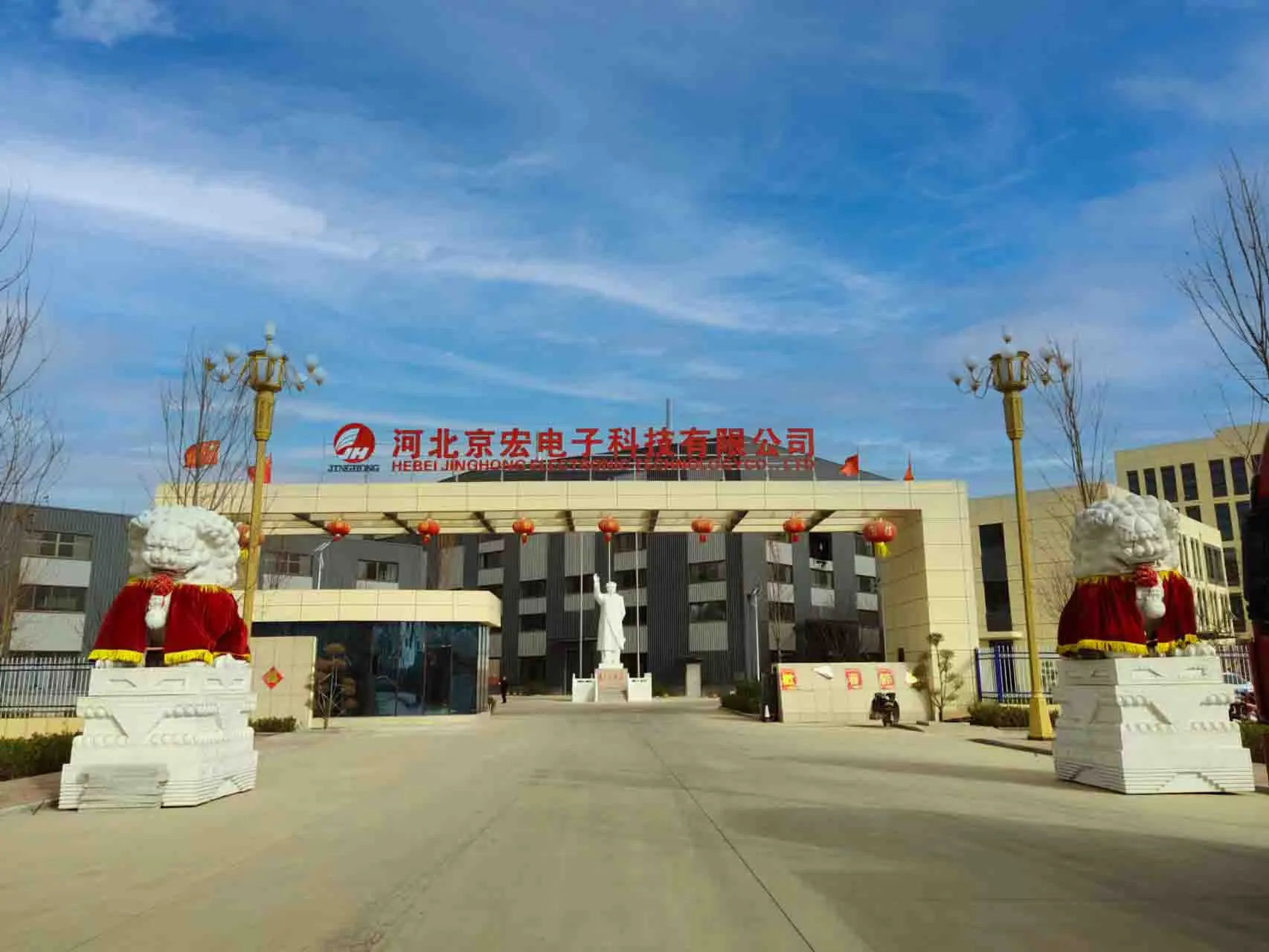
J&Q New Composite Materials Company