CNC Turning Phenolic Paper Laminated Tubes for Precision Insulators
When engineers and procurement teams search for dependable insulation materials, the 3520 Phenolic Paper Laminated Tube consistently stands out. This material is manufactured by winding layers of electrical-grade cellulose paper impregnated with thermosetting phenolic resin, then curing them under heat and pressure into a rigid, brown composite tube. Available in inner diameters from φ8mm to φ550mm, it delivers a vertical layer withstand voltage of 8.0 MV/m and a dielectric loss factor of 2.1×10⁻², making it a strong candidate for precision insulator production across electrical, industrial, and power applications.

Understanding Phenolic Paper Laminated Tubes in Precision Insulation
Before you ask for insulation for a project, it's helpful to know what it's made of and why the way it's structured is important. Engineers are interested in the 3520 grade tube because its properties can be measured and do not just depend on what the company says.
Material Composition and Structure
Tons of cellulose kraft paper are mixed with a phenolic resin glue to make the tube. These layers are wound with controlled strain, and they are cured at high temperatures. At 1.14 g/cm³, this makes a dense laminate that doesn't have any holes in it. As the phenolic resin hardens, it turns a dark color. This color shows that the wall has been burned the same amount all the way through.
Key Electrical and Thermal Properties
After being at 120°C for 24 hours, the 3520 grade doesn't crack or bulge, so it meets the standards for Class E insulation. The lower limit of 3×10⁻ is much higher than the upper limit of 2.1×10⁻. The water absorption is kept at ≤8%. This helps keep the electricity stable in slightly damp places, which is what switches and transformers need to do all the time.
How CNC Turning Improves Dimensional Control?
A CNC machine can cut raw phenolic paper tubes even better than a knife. By setting exact tool paths, manufacturers make sure that the differences between the inner and outer sizes are within ±0.1mm. This level of control is important in places like coil support sleeves and busbar insulation sleeves, where a loose fit can hurt both the mechanical support and the dielectric performance. With carbide tools, edge delamination is impossible if the feed rate is kept in check.
Benefits of Using CNC Turned Phenolic Paper Laminated Tubes for Precision Insulators
It is important to be accurate in all electrical setups. If the walls of a tube aren't all the same thickness or are a little out of round, air gaps, localized stress, or assembly failures can happen. CNC turning takes care of these risks right away.
Here are the main ways that CNC turning makes the process of making Phenolic Paper Laminated Tube better:- Repeatability in dimensions across batches: CNC programs run the same tool path every time they run. This means that the 50th part is the same as the first part for teams that buy in bulk. Always making the same parts from batch to batch is very important for OEM assembly lines that don't check each one by hand.
- Dimensional repeatability across batches: CNC programs execute the same tool path every cycle. For procurement teams placing bulk orders, this means the 50th part matches the first. Batch-to-batch consistency is critical for OEM assembly lines that run without manual inspection of each component.
- Preservation of insulation properties: Conventional manual turning generates heat through friction, which can locally degrade the resin matrix near the cut surface. CNC turning controls cutting speed and feed rate precisely, keeping tool-to-material heat within safe limits and preserving the dielectric integrity of the tube wall.
- Reduced material waste and cost efficiency: CNC programming allows engineers to plan material removal sequences that minimize offcuts. For a material with an annual production capacity of 43,000 tons, even small efficiency gains at the machining stage translate into meaningful cost reductions per unit when ordering at volume.
Some engineering managers have to buy a lot of insulation parts and make sure the quality stays the same, the supply is on time, and the budget stays in check. These perks help them do that.
Comparing Phenolic Paper Laminated Tubes with Alternative Materials
Buyers often look at phenolic paper tubes next to other kinds of insulation. The choice is based on how well the application needs to work, and each material has clear pros and cons.
Phenolic Paper Tubes vs. Plastic Tubes
Normal plastic tubes like PVC or nylon don't work well in hot places. While most industrial plastics start to lose their shape well below 120°C, phenolic paper tubes can be used continuously at that temperature and still keep their shape. For motor frames and switchgear parts, this temperature gap is very important.
Phenolic Paper Tubes vs. Fiberglass Epoxy Tubes
Glass-epoxy tubes (G10/FR4) are better at keeping water out and are stronger when they're put through rough conditions. But they cost more per unit and are harder to cleanly make. Because they are cheaper and strong enough to work in oily places, phenolic paper tubes are the best choice for supporting transformer coils and tap switch shafts where cost per unit is important on a large scale.
Phenolic Paper Tubes vs. Metal Tubes
Though metal tubes are strong, they can't be used as shields without an extra cover because they carry electricity. Also, they're heavy and need to be stuck down. Pulp and paper tubes are much lighter than metal ones. They have a density of about 1.14 g/cm³. They naturally keep electricity from flowing through them, so you don't have to worry about conductivity or do anything extra to make them.
Procurement Considerations for Phenolic Paper Laminated Tubes
It's not just the quality of the products that changes when you choose the wrong provider. It changes how long it takes to ship things, how accurate paperwork is, and how safe the supply chain is in the long run.
Supplier Certifications and Quality Standards
For a Phenolic Paper Laminated Tube, suppliers to be qualified should have materials that test to the requirements of ASTM D229 or IEC 60893. Most of the time, buyers in the US market need proof of UL recognition and RoHS compliance. Make sure that the test results include the ability to resist electricity, absorb water, and keep the same temperature. When most people use electrical insulation, these three things help them decide if the insulation is right.
Order Parameters and Lead Times
The inside diameters of phenolic paper tubes can be anywhere from ±8mm to ±550mm. Suppliers with automatic production lines can work with both regular stock sizes and shapes that are made just for you. It is important for buyers to know how much they need to order, how long it takes to make the goods, and whether direct orders are given priority ordering by the seller. So that each order can be sent quickly and in large amounts, freight shipping should be possible by sea, land, and air.
Total Cost of Ownership
One part of the problem is the unit price. The real cost is based on how long something lasts, how often it breaks, and how much it costs to repair. Phenolic paper tubes are flexible, light, and simple to make with standard carbide tools. They also stay in shape over time, whether they are dry or oily. So, they don't need to be changed as often and cost less total than things that break down more quickly when these temperatures change.
Practical Applications of CNC Turned Phenolic Paper Laminated Tubes
Precisely turned phenolic insulation tubes are used by more types of businesses than most buyers think at first.
Power Transformers and Switchgear
Pumps that use oil have tubes made of epoxy paper that are used as coil support mandrels, lead tubes, and tap switch shafts. The material doesn't come apart when mineral insulating oil is used, and CNC turning creates the smooth hole surfaces that oil needs to flow smoothly around wound coils. The same tubes are used to make arc barrier supports and busbar insulation sleeves. These are used in medium-voltage switchgear.
Industrial Machinery and Motor Components
Once a phenolic tube has been CNC-turned, it is used by OEM machine builders to insulate drive systems, mechanical gaps, and bearing housings. It is easier to put together things when they only need a few parts and have both compression strength and electrical separation in one. If the wall thickness tolerances stay stable and stay within ±0.1mm, then straight press-fit or threaded assembly can happen without having to make any other changes.
Electronics and Automotive Applications
Precision-turned phenolic tubes can be used for many things, such as support columns for PCBs, insulation standoffs in battery management systems, and parts in automotive electronics that can handle heat. Because it is cheap and easy to work with, the material is good for large-scale production runs where precise geometry and dimensions affect how well the parts fit together.
Conclusion
CNC-turned Phenolic Paper Laminated Tubes are a useful and inexpensive way to meet the exact insulation needs of electrical manufacturing, power infrastructure, industrial machinery, and automotive uses. When tested, these materials were found to be stable at 120°C. They can also handle a voltage of 8 MV/m and come in a lot of different sizes, from φ8mm to φ550mm. When paired with the accuracy of CNC turning, they give production lines the sizes that they need. For sourcing teams that are looking at insulation materials, the data makes a strong case for phenolic paper tubes in the right way.
FAQ
Why are phenolic paper laminated tubes preferred for oil-filled electrical applications?
Phenolic paper tubes resist absorption of mineral insulating oils, which keeps the dielectric fluid clean and prevents contamination-related breakdown. Their withstand voltage of 8.0 MV/m in oil at 90°C confirms this suitability. Cotton phenolic grades absorb more moisture and oil, making them less appropriate where long-term immersion is expected.
How does CNC turning improve quality compared to conventional machining?
Conventional manual turning introduces operator variability in feed rate and cutting speed. CNC turning eliminates that variable by executing programmed tool paths repeatedly. The result is consistent surface finish and dimensional accuracy across every part in a batch, which reduces inspection failures and assembly rework.
What grades of phenolic paper tube should I specify for high-voltage applications?
For high-voltage environments, specify XXX-grade or IEC PF CP 23 equivalent material. These grades carry the highest resin content, lowest moisture absorption, and strongest dielectric performance. For primarily mechanical applications with moderate electrical requirements, the XX grade offers a practical balance of cost and performance.
Can phenolic paper tubes be used outdoors?
These tubes are hygroscopic and not recommended for continuous outdoor wet exposure without protective coating or oil immersion. For outdoor environments, glass-epoxy alternatives are more appropriate. Phenolic paper tubes perform best in enclosed, dry, or oil-immersed service conditions.
Request a Custom Quote from J&Q — Trusted Phenolic Paper Laminated Tube Supplier
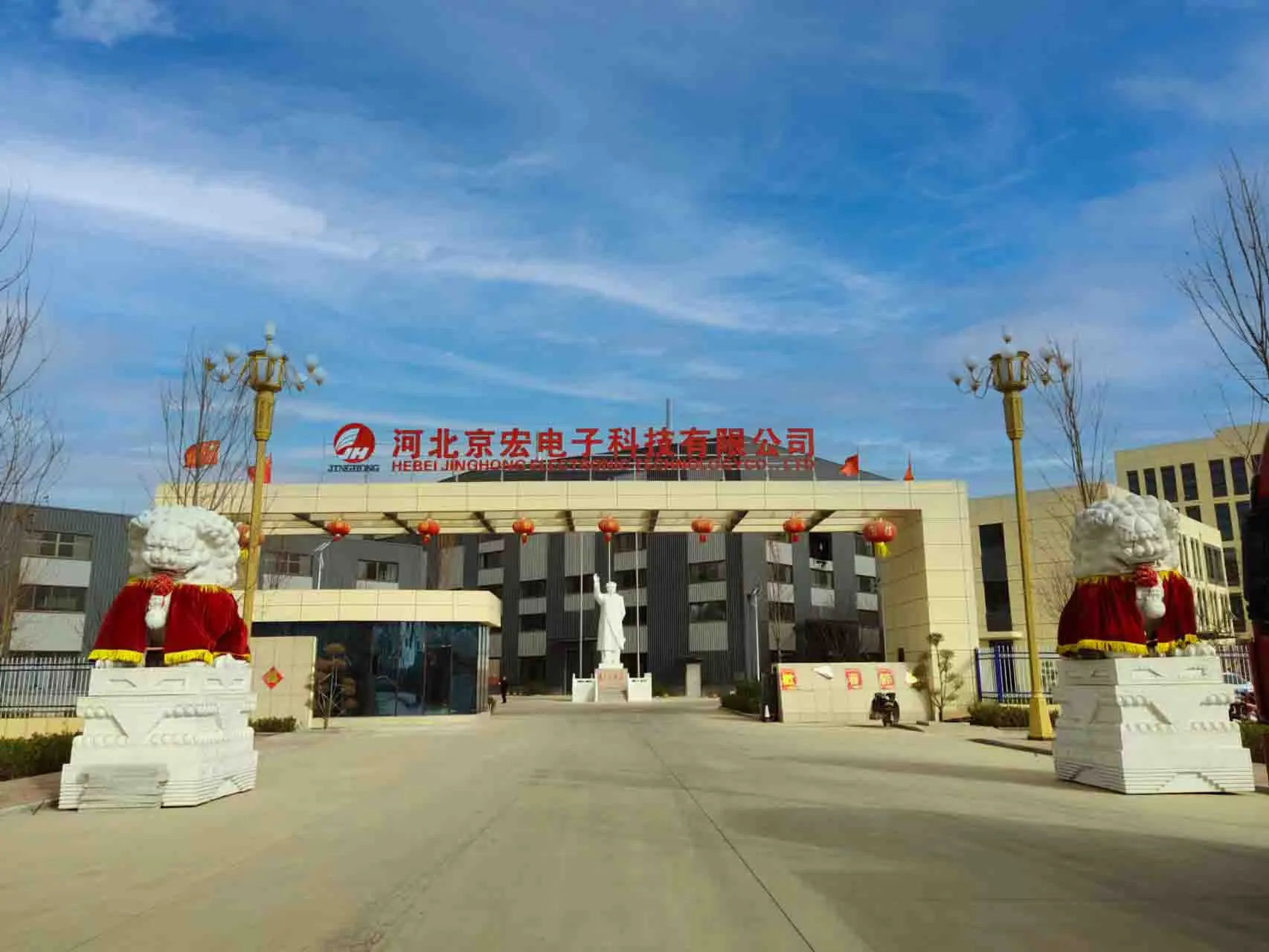
The company J&Q has been making insulation for over 20 years and has been exporting for over 10 years. Our fully automatic workshop can make 43,000 tons of Phenolic Paper Laminated Tube every year, so you can be sure that the quality of every batch meets your needs. We have our own freight network, which makes it easy to handle all of your needs in one place, and we offer direct factory prices and priority booking. Our technical team can be reached at info@jhd-material.com or blog.jhd-material.com to talk about custom sizes, bulk pricing, and lead times that work with your project schedule.
References
1. ASTM International. ASTM D229: Standard Test Methods for Rigid Sheet and Plate Materials Used for Electrical Insulation. ASTM International, 2022.
2. IEC. IEC 60893: Specification for Industrial Rigid Laminated Sheets Based on Thermosetting Resins for Electrical Purposes. International Electrotechnical Commission, 2023.
3. Harper, Charles A. Handbook of Plastics Technologies. McGraw-Hill, 2006.
4. NEMA. LI 1: Industrial Laminating Thermosetting Products Standard. National Electrical Manufacturers Association, 2020.
5. Dissado, L. A., and Fothergill, J. C. Electrical Degradation and Breakdown in Polymers. Peter Peregrinus Ltd., 1992.
6. UL Standards & Engagement. UL 746B: Polymeric Materials — Long-Term Property Evaluations. Underwriters Laboratories, 2021.

Get a complete product list and quotation
J&Q New Composite Materials Company