Commercial Phenolic Laminates: CNC Router Selection for Sheet Cutting
One of the most useful choices an engineering or buying team will have to make is which CNC cutter to use to cut phenolic laminate sheets. Commercial phenolic laminates are thick, heat-set composite sheets made of layers of cotton fabric bound together with phenolic resin. They are used in electrical switches, transformer insulation, gear parts, and industrial fixings. Their dielectric strength and mechanical toughness make them perfect for tough jobs, but those same qualities make them hard to work with on the shop floor. This guide tells you what you need to know to find the right CNC router for this material.

Understanding Phenolic Laminate Sheets and Why CNC Cutting Is Preferred
What These Materials Are Made Of?
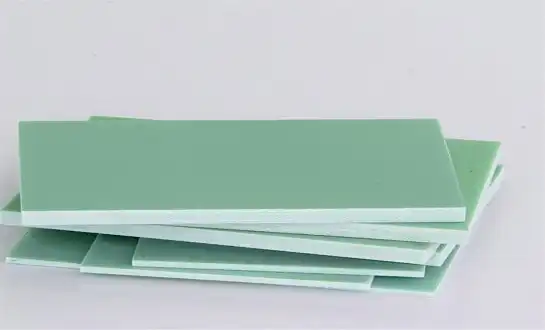
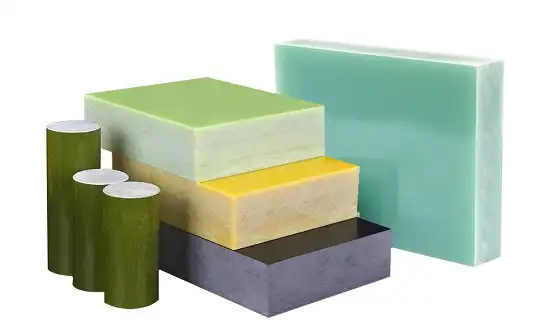
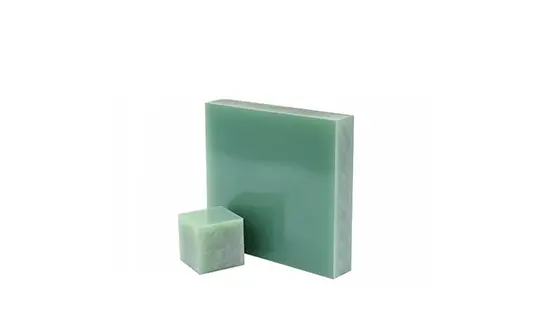
Mix knitted cotton fabric with phenolic resin while it is hot and pressed under a lot of pressure, usually more than 1,000 PSI at about 135°C. This makes phenolic cotton cloth laminates. This makes a stiff, layered sheet that weighs about 1.30–1.40 g/cm³. JingHong's Grade 3025 and 3026 sheets are available in thicknesses from 2mm to 100mm and can bend vertically up to 100 MPa (3025) and 140 MPa (3026). The 3026 grade also has a tensile strength of ≥98 MPa.
The Cutting Challenge
When compared to metals, these pieces are rough and easy to break. Chipped edges, delamination, and heat buildup in one area are the three most common problems that happen when sheets are processed. Cotton-reinforced grades (NEMA CE equivalent) are stronger than paper-based grades, but they still need controlled feed rates and the right tools to keep the cut edge from fraying.
Why CNC Routers Win Over Manual Methods?
Large batches of parts made with CNC routers always meet the same tolerances, which is exactly what technical procurement teams and OEM sourcing managers need. They always cut the same way, no matter how much material you are cutting (10 kg vs. 10 sheets of paper). The specs say that the sizes of things like insulation panels, gear blanks, and terminal board blanks must always be the same.
Core Criteria for Selecting a CNC Router for Phenolic Laminate Sheet Cutting
Assess Your Production Volume and Sheet Size First
Make a map of how your real order works before you look at different machine types. Your cutting bed should be able to fit the 1220mm × 2440mm JingHong standard sheets that you use all the time. It shouldn't need to be moved. When a lot of sheets need to be processed in a shift, faster spindle job cycles and automatic sheet loading are needed to keep things from getting backed up.
Spindle Power, Speed Range, and Tooling Compatibility
For commercial phenolic laminates, you need bits with carbide tips that twist upcut or crush. Sheets that are 2 mm to 50 mm thick work well with a spindle that has power between 3 and 5 kW and speed between 18,000 and 24,000 RPM. When cutting 50mm to 100mm stock, it's better to use slower feed rates and make more than one pass than to force a single deep cut.
Dust Extraction and Heat Control
There is something called phenolic dust that can make your airways feel itchy. Any tool that is used for this job needs to have a way to collect dust built in. Fine phenolic dust builds up in spindle bearings and linear guides, which speeds up wear and makes them less safe. The machine and the area around the operator stay in good shape thanks to spindles that are cooled by air and an outside extraction system with a flow rate of at least 3,000 m³/h.
Comparative Analysis of CNC Router Configurations
Fixed Gantry vs. Moving Gantry
In fixed gantry routers, the bridge stays in place while the table moves the sheet under the cutting head. This setup is very rigid, so it's best for making precise cuts on thick phenolic stock that chips easily when it vibrates. Moving gantry designs are more popular in production settings because they can handle bigger sheet sizes and are easier to load. However, at high feed rates, they cause a little more flex.
For phenolic laminate work, here is a useful overview of how these setups compare:
- Fixed gantry: This type of machine is best for parts with tight tolerances, thick sections (50–100 mm), and low to medium number runs where accuracy is more important than speed. Because the frame isn't under as much moving stress, maintenance times are usually longer.
- Moving gantry: This type of machine is best for making a lot of standard-thickness sheets (2–25 mm). Better material handling and faster cycle times, but needs to be calibrated on a regular basis to keep the tolerances at the right level under repeated load.
- Single spindle: Less expensive to buy, easier to maintain, and good for job shops or OEM providers that make parts with different shapes.
- Multi-spindle: Increases throughput by cutting multiple identical parts at the same time. Manufacturers of electrical parts that make a lot of insulation panels or switchboard pieces see the most profit from this layout.
These differences have a direct effect on the total cost of ownership. A multi-spindle moving gantry router might cost 40–60% more up front, but it can cut the time it takes to cut each part by the same amount when used in large quantities.
Best Practices for CNC Cutting of Phenolic Laminate Sheets
Quality in Commercial Phenolic Laminates depends on both the machine and the work that is done before the first cut. Edge flaws caused by shaking can be avoided by checking the sheet for warping and making sure it is properly fixed on the table. If you work with material that costs per kilogram and has a 500 kg minimum order quantity, it is worth the money to buy nesting software that plans cut paths to reduce scrap.
Here are the most important rules for phenolic cotton laminates:
- Spindle speed: 18,000–22,000 RPM for thicknesses up to 25mm; reduce to 15,000–18,000 RPM for thicker sections.
- Feed rate: 2,500–4,000 mm/min for standard thicknesses; reduce by 30–40% for grades above 50mm.
- Tooling: Two-flute compression carbide bits reduce edge fraying. Replace or sharpen tools at the first sign of burning or increased feed resistance.
- Coolant: Dry cutting with air blast is standard. Water-based coolant is acceptable for thicker sections but increases moisture absorption risk—relevant given that Grade 3025 water absorption is controlled per GB/T5130 standards.
Check the collet runout, clean the spindle case of dust, and make sure the table is flat every 50 to 80 hours of phenolic cutting. If you keep your machine in good shape, it will cut the same part on day one and day one thousand with the same results.
Procurement Considerations for Phenolic Laminates and CNC Equipment
Sourcing Material with the Right Certifications
If you need phenolic cotton sheets for electrical or industrial use, make sure the sellers give you test results that show the sheets' bending strength, tensile strength, and water absorption in line with GB/T5130. JingHong makes 30,000 tons of Grade 3025 and 3026 sheets every year. They come in brown and black, and the standard sizes are 1020mm x 2020mm and 1220mm x 2440mm. You can get custom widths between 2 and 100 mm without having to wait longer for delivery.
Evaluating CNC Router Suppliers
As important as the machine specs sheet is the help and training that are available after the sale. Check that the warranty covers the spindle parts in particular, since spindles are the parts that get worn out the most during phenolic cutting. Before you buy something, ask to see how it's cut using samples of the material that are the right thickness for you.
MOQ, Lead Times, and Logistics
JingHong ships goods all over the world by sea, land, and air. The minimum order size is 500 kg, and payment terms are T/T. Having a lot of stock and a lot of different ways to get it to customers lowers supply chain risk for procurement teams that are working on tight project schedules. When you can give clear monthly volume forecasts, it's easy to talk about bulk prices.
Conclusion
Matching a CNC router to Commercial Phenolic Laminates sheet cutting requires attention to material properties, machine rigidity, spindle specifications, and dust management. Cotton-reinforced grades like JingHong's 3025 and 3026 perform well under CNC processing when the right parameters are applied. For procurement teams, sourcing certified material from an established manufacturer and pairing it with a well-supported CNC platform is the most reliable path to consistent production quality.
FAQ
What CNC router spindle speed works best for phenolic laminate cutting?
Most phenolic cotton laminates between 2 and 25 mm thick can have clean edges at 18,000 to 22,000 RPM without getting too hot. Lower speeds and cutting in more than one pass are better for thicker pieces than 50 mm.
Can I use water-based coolant when cutting these sheets?
The standard method is to use an air blast to cut something dry. For thick parts, a water-based coolant can be used, but long-term exposure to moisture increases absorption, which is something to keep an eye on because GB/T5130 sets limits for how much water can be absorbed.
What is the minimum order for JingHong phenolic sheets?
The least amount that can be ordered is 500 kg. Standard sizes are quickly shipped from stock, and custom sizes can be made with normal lead times.
How do I prevent edge chipping during CNC routing?
Use compression carbide bits, hold the sheet down firmly to stop it from moving, and don't go over the recommended feed rates. Chipping is most often caused by dull tools, so change bits often.
Are these sheets suitable for electrical insulation applications?
Yes, sheets of grade 3025 and 3026 meet the requirements for electrical insulation. They have been tested for parallel-layer breakdown voltage of 10 kV or more in transformer oil at 90°C according to GB/T5130.
Get Phenolic Laminate Sheets and Technical Support from J&Q
J&Q sells certified phenolic laminate sheets to electrical makers, machinery builders, and buyers in the power sector. They have 20 years of experience making these sheets and handle all of their own operations. From 2 mm to 100 mm thick, our JingHong Grade 3025 and 3026 sheets are ready to be CNC-processed right from stock. Please email us at info@jhd-material.com or visit our blog at blog.jhd-material.com to discuss your project's requirements. We are your reliable source for Commercial Phenolic Laminates!
References
1. NEMA Standards Publication LI 1 – Industrial Laminating Thermosetting Products, National Electrical Manufacturers Association, 2020.
2. ASTM D709 – Standard Specification for Laminated Thermosetting Materials, ASTM International, 2021.
3. GB/T 5130 – Test Methods for Laminated Thermosetting Materials, Standardization Administration of China, 2019.
4. Brydson, J.A. – Plastics Materials, 7th Edition, Butterworth-Heinemann, 1999.
5. Harper, C.A. – Handbook of Plastics Technologies, McGraw-Hill, 2006.
6. Modern Machine Shop – "CNC Routing Composite and Thermoset Materials: Parameters and Tooling Strategies," Gardner Business Media, 2022.

Get a complete product list and quotation

J&Q New Composite Materials Company