CE Phenolic Sheet Production Lines: Key Equipment for Consistent Thickness
Consistent thickness in a CE Phenolic Sheet comes from controlled resin impregnation, stable drying, and a hot press with parallel, evenly heated platens. Gauges then check the sheet at several points. The key equipment includes mixing tanks, impregnation units with metering rollers, multi-zone drying ovens, hydraulic presses, cooling systems, trimming and sanding machines, and inspection stations. Each machine limits a different source of variation, so no single device guarantees tolerance on its own. In this article, I explain how these machines work together and how buyers can verify the result before placing an order.

What Is a CE Phenolic Sheet and Why Does Thickness Consistency Matter?
What a CE Phenolic Sheet Is, and What the CE Mark Is Not
A CE Phenolic Sheet is a thermoset laminate in which phenolic resin binds layers of reinforcement and cures under heat and pressure. In NEMA terminology, Grade CE means Canvas Electrical. It uses a medium-to-coarse cotton canvas base that favors impact strength over fine surface finish. Paper-based grades suit general insulation, while cotton-fabric grades suit gears, bushings, and wear parts. The letters also cause confusion. The CE conformity mark under European rules, such as Regulation (EC) No 765/2008, applies to finished products placed on that market. It does not describe a laminate grade. I always ask buyers which meaning they need, then match the documents to it.
Why Thickness Consistency Affects Cost and Fit
Thickness drives how parts behave after they leave the sheet. Insulation distance in a switchboard depends on actual material thickness, not the nominal figure. A spacer that runs thick will not seat, and one that runs thin loses clamping load and strength. CNC programs assume a stock height, so variation forces extra machining allowance, more scrap, and slower setup. On assembly lines, mixed thickness inside one lot means operators sort parts or add shims. Tight, repeatable thickness lowers total procurement cost, even when the sheet price looks similar to a looser-tolerance offer. I advise engineers to treat thickness tolerance as a cost line, not a footnote.
Key Properties Buyers Check
Typical published values for NEMA Grade CE include a specific gravity near 1.34 to 1.36, Rockwell M hardness around 105, and flexural strength above 15,000 psi lengthwise. Dielectric breakdown commonly falls between 35 and 40 kV. That is lower than glass epoxy but adequate for many structural insulating parts. Continuous service temperature is generally 115°C to 125°C. Canvas-based grades absorb more moisture than glass epoxy, so dimensions can shift in damp conditions. Chemical resistance covers oils, common solvents, and mild acids, but not alkalis. Our listed standard specification is UL94V0, and I recommend confirming the flame rating of your exact grade on the datasheet.
How Phenolic Sheet Production Lines Control Thickness
Resin Preparation and Reinforcement Handling
Thickness starts before the press. Resin viscosity, solids content, and temperature set how much resin the canvas or paper picks up, and resin pickup sets final laminate thickness. If viscosity drifts, one roll carries more resin than the next. Reinforcement matters just as much. Basis weight, moisture content, fabric tension, and layer alignment all change how plies compress. Wet cotton releases steam in the press and creates voids, while uneven tension stretches the weave and shifts ply density. Operators therefore hold resin temperature steady, store reinforcement in dry conditions, and keep web tension constant through the impregnation unit for the CE Phenolic Sheet.
Pressing, Cooling, and Finishing
The process flows in sequence: resin preparation, impregnation, drying, lay-up, hot pressing, cooling, trimming, and inspection. In the press, pressure, platen temperature, and cure time decide how far the stack compresses and how fully the resin cures. Platen flatness decides whether that compression stays even across a 1220 mm × 2020 mm sheet. Cooling under pressure limits warpage, and gradual cooling reduces internal stress. After curing, trimming brings the sheet to size, and sanding can calibrate thickness when a buyer needs a tighter tolerance. Each step adds a small error, so controlling all of them beats perfecting one.
Closed-Loop Inspection From Raw Material to Release
Good manufacturers treat thickness as a closed-loop system, not a final measurement. Incoming checks cover paper, cotton fabric, resin, and release materials. During production, staff monitor resin pickup, web tension, drying temperature, and B-stage condition. Before pressing, they verify stack height and loading pattern. During pressing, they check platen temperature and pressure calibration for the cycle assigned to each thickness. Final checks measure several points across each sheet, plus flatness, delamination, surface condition, and electrical or mechanical properties. First-piece approval, statistical process control, and batch traceability make results repeatable, because a drifting trend shows up in the data before it shows up as scrap.
Key Equipment in a CE Phenolic Sheet Production Line
Impregnation and Drying Equipment
The wet end begins with resin mixing tanks fitted with heating and cooling systems, so viscosity stays steady. The impregnation unit passes canvas or paper through the resin, and metering rollers squeeze off the excess to set resin pickup for the CE Phenolic Sheet. Web-guiding devices keep the fabric centered and the tension even. Multi-zone drying ovens then remove solvent and advance the resin to the B-stage, with each zone held at its own temperature. Precision cutting and stacking systems follow, turning treated rolls into plies of uniform size and count. Weak control at this stage cannot be repaired later in the press.
Hot Presses and Post-Press Equipment
The hydraulic hot press does the most to define thickness. I look at four things: press capacity relative to sheet size, platen parallelism, temperature uniformity across the platen, and programmable pressure control that repeats the correct cycle for each thickness. Cooling equipment follows to set the shape. Post-curing ovens complete the cure where the grade needs it, and trimming machinery squares the edges. Sanding systems calibrate surface and thickness, while dust extraction protects workers, since phenolic dust is a health hazard and combustible. A press with poor platen parallelism produces wedge-shaped sheets, no matter how good the resin is.
Measuring and Inspection Instruments
Verification equipment closes the loop. Digital thickness gauges measure each sheet at multiple points, usually near the edges and center. Flatness checks use a reference surface and feeler gauges. Laboratory instruments test dielectric breakdown, using methods such as ASTM D149, along with flexural strength and water absorption under methods listed in ASTM D229. Inspection stations record the readings against batch numbers. For sheets ranging from 0.5 mm to 100 mm thick, the measurement plan must change with thickness, since thin sheets bend under gauge pressure and thick sheets may vary across their width.
Choosing the Right Grade and Comparing Alternative Materials
Paper-Based vs. Cotton-Fabric Grades
Match the grade to the part, not just the thickness. Paper-based phenolic fits switchboards, terminal boards, spacers, and general electrical insulation, where dielectric performance and clean punching count. Cotton-fabric grades, including the CE Phenolic Sheet, suit gears, bushings, wear strips, rollers, pulleys, and structural plates, where toughness and vibration damping count. Silent gears are a leading use, because the material absorbs shock and runs quieter than metal. Finer-weave linen grades machine to sharper detail, so I point buyers to them for small electrical parts and to canvas grades for heavy mechanical duty.
Selecting Thickness: 1 mm to 10 mm
Each thickness answers a different question. A 1 mm sheet works for thin insulating barriers and shims, but it flexes, so store it flat. A 3 mm sheet balances stiffness and machinability for spacers and covers. A 5 mm sheet carries more mechanical load and leaves room for pockets and counterbores. A 10 mm sheet suits gears, bushings, and structural plates, where machining allowance matters most. Evaluate insulation distance, load, heat exposure, and assembly tolerance together. Hongda supplies thicknesses from 0.5 mm to 100 mm, so a buyer can order thicker stock and machine it down when the design demands.
CE Phenolic Sheet Compared With Alternative Materials
Compare materials by reinforcement, resin content, thickness tolerance, dielectric strength, temperature rating, water absorption, and documentation, not trade names. Products called Bakelite are usually paper- or cotton-based phenolic laminates. The table shows general tendencies.
| Material | Strength Profile | Moisture Behavior | Typical Fit |
|---|---|---|---|
| Cotton phenolic | Tough, absorbs shock | Moderate absorption | Gears, wear parts |
| Glass epoxy | Higher dielectric and structural strength | Low absorption | Demanding electrical use |
| Nylon | Low friction, impact tolerant | Absorbs moisture, changes size | Wear and sliding parts |
Phenolic usually costs less for general insulation and machined parts. Glass epoxy suits demanding electrical or thermal conditions. Request datasheets for the exact grades under review.
Preventing Defects and Evaluating a Supplier
Common Production Problems and Prevention
Uneven thickness, warpage, delamination, voids, resin-rich areas, and surface damage account for most complaints. Uneven thickness traces back to uneven resin pickup or nonparallel platens in a CE Phenolic Sheet. Warpage follows poor cooling or an unbalanced lay-up. Delamination and voids often come from excess moisture or incorrect B-stage control, and contamination causes surface defects. Manufacturers prevent these problems with calibrated metering, controlled pressing and cooling, standardized lay-up, flat storage, clean handling, and documented process records. Batch identification, retained samples, and cross-sectional inspection support root-cause analysis whenever a problem appears.
How to Evaluate a Manufacturer
Look beyond price. Ask which steps the manufacturer controls: resin preparation, impregnation, hot pressing, finishing, inspection, and export packaging. Request datasheets, thickness tolerances, test reports, batch traceability, and inspection records. If your finished product carries a CE mark, ask which conformity documents the supplier can provide, because responsibility for the final product's conformity stays with its manufacturer. Check sample orders, first-article approval, MOQ, lead times, and Incoterms. Prompt, technical replies during quoting often predict the service you will receive after the order.
Procurement Checklist and Hongda Supply Details
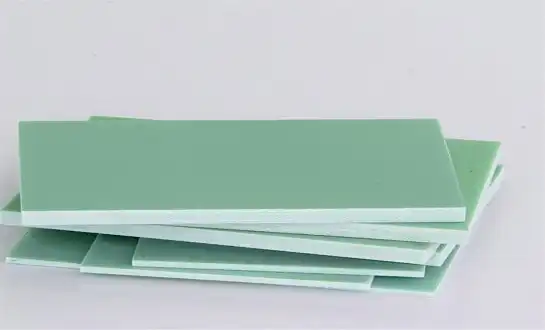
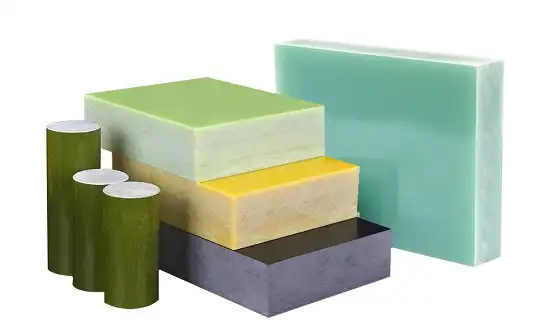
Before you request quotes, define the base material, resin grade, color, surface finish, sheet size, nominal thickness, tolerance, flatness, electrical and mechanical needs, and operating temperature. Add total cost items: material, processing, packaging, freight, insurance, duties, scrap, and machining losses. Hongda sheets come in black and brown, with a regular size of 1220 mm × 2020 mm, thicknesses from 0.5 mm to 100 mm, and custom sizes on request. Annual capacity reaches 13,000 tons, the MOQ is 500 KG, and payment is by T/T. Pallet-protected packing ships by ocean, land, or air. We hold ISO 9001 and UL certifications.
Conclusion
Consistent thickness in a CE Phenolic Sheet results from control at every stage, not from one machine. Resin viscosity, reinforcement moisture, and tension set resin pickup. The hot press, with parallel and evenly heated platens, sets compression. Cooling and finishing hold flatness, and gauges and laboratory tests verify the result. Grade choice matters as much as thickness, since paper-based sheets suit general insulation and cotton-canvas sheets suit gears and wear parts. Compared with glass epoxy and nylon, phenolic offers a cost-effective balance for machined parts, while demanding electrical conditions may call for epoxy. Buyers who define tolerance, documents, and total cost early, and who check traceability and test records, reduce scrap, machining losses, and assembly problems.
FAQ
Which equipment has the greatest effect on thickness?
The hydraulic hot press has the largest effect, mainly through platen parallelism, uniform temperature, and repeatable pressure control. Metering rollers also matter, because they set resin pickup before pressing.
Is every phenolic sheet CE certified?
No. Grade CE means Canvas Electrical in NEMA terms. The CE mark applies to finished products under European rules, so confirm which documents your product requires.
Which grade fits my part?
Choose paper-based phenolic for switchboards, terminal boards, and spacers. Choose cotton-canvas grades for gears, bushings, and wear strips. Then pick thickness from load, insulation distance, and machining allowance.
Can I order custom sizes and thicknesses?
Yes. Besides the regular 1220 mm × 2020 mm size, we supply custom sizes, colors, and thicknesses from 0.5 mm to 100 mm through our OEM service.
What are the minimum order and payment terms?
The MOQ is 500 KG, and payment is by T/T.
Request a CE Phenolic Sheet Supplier Evaluation from J&Q
Contact J&Q at info@jhd-material.com to discuss your CE Phenolic Sheet supplier needs. Send your drawings, thickness, tolerance, and annual volume, and our team, with over 20 years of insulating sheet experience, will recommend a specification and arrange samples. Our own logistics company handles ocean, land, and air shipping. Visit blog.jhd-material.com for more details.
References
1. ASTM International, Standard Specification for Laminated Thermosetting Materials (ASTM D709), 2017
2. ASTM International, Standard Test Methods for Rigid Sheet and Plate Materials Used for Electrical Insulation (ASTM D229), 2019
3. ASTM International, Standard Test Method for Dielectric Breakdown Voltage and Dielectric Strength of Solid Electrical Insulating Materials at Commercial Power Frequencies (ASTM D149), 2020
4. Underwriters Laboratories, UL 94 Standard for Tests for Flammability of Plastic Materials for Parts in Devices and Appliances, 2013
5. European Parliament and Council, Regulation (EC) No 765/2008 Setting Out the Requirements for Accreditation and Market Surveillance, 2008
6. Dodiuk, H. and Goodman, S., Handbook of Thermoset Plastics, 2013

Get a complete product list and quotation

J&Q New Composite Materials Company