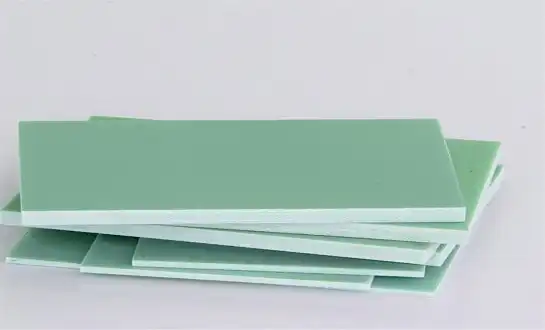
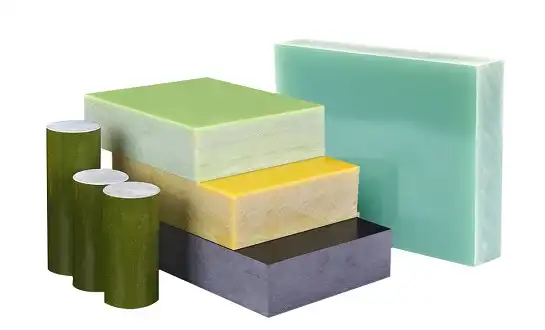
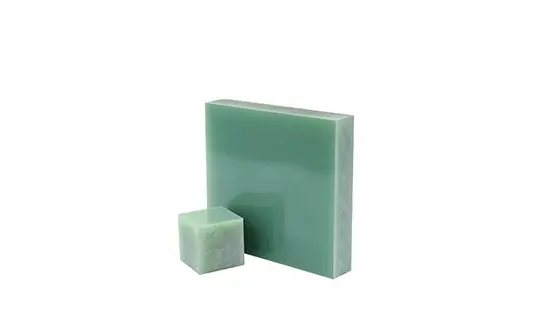
Can 3240 Epoxy Resin Glass Fiber Laminated Sheet Improve Insulation Reliability in Busbar Systems?
Busbar systems carry high currents across power distribution networks, switchgear panels, and industrial motor assemblies. The insulation protecting these conductors faces constant thermal cycling, voltage stress, mechanical vibration, and chemical exposure. When insulation fails, the consequences range from unplanned downtime to catastrophic electrical faults. The 3240 Epoxy Resin Glass Fiber Laminated Sheet directly addresses these failure modes. Manufactured from alkali-free woven glass fiber cloth impregnated with an epoxy-phenolic resin blend and hot-pressed under controlled conditions, this thermoset laminate delivers measurable dielectric strength, structural rigidity, and temperature stability that generic insulation materials simply cannot match in demanding busbar environments.

Understanding 3240 Epoxy Resin Glass Fiber Laminated Sheet and Its Properties
Before engineers choose an insulation material for a busbar project, they need to have a good idea of what that material can do at the molecular and structural levels.
Composition and Manufacturing Process
Alkali-free glass fiber cloth is mixed with a special epoxy-phenolic glue system to make the sheet. The stack is then baked and hot-pressed at around 155°C. When you press, thermoset cross-linking takes place, which holds the fiber design in place forever. This method gets rid of the creep and structural shift problems that thermoplastic options have when they are under constant mechanical load.
Key Electrical and Mechanical Properties
Jinghong's epoxy glass laminate has a dielectric strength of more than 14 kV/mm in the straight line, a bending strength of more than 340 MPa, and a constant service temperature of up to 130°C (Class B insulation). The material comes in standard 1020 mm × 2020 mm sheets and is thick from 0.3 mm to 100 mm. It can be used for a lot of different busbar barrier and gap shapes. The annual production capacity is 43,000 tons, so big buying projects don't have to worry about supply continuity.
Comparison With Alternative Laminates
The 3240 grade is better at resisting transformer oil and has a higher flexural stiffness at high temperatures compared to normal FR4. It has better dielectric strength and less moisture uptake than plain phenolic cotton laminates. It is more chemically stable than 3501 glass-alkyd sheets in acidic manufacturing environments. It is a good choice for busbar phase barriers, arc deflectors, and tap-changer supports because it has a good mix of qualities and is cheap in bulk.
Challenges in Busbar System Insulation and How 3240 Sheets Address Them
Insulation on busbars doesn't just break down at random; it breaks down in well-known stress pathways. By understanding these routes, you can see exactly where 3240 Epoxy Resin Glass Fiber Laminated Sheet can protect you.
When buying and engineering teams choose busbar insulation, they need to think about these main ways it could fail:
- Thermal degradation: Repeated thermal cycling causes micro-cracking in low-grade organic insulation. The thermoset nature of the epoxy-phenolic resin matrix maintains dimensional stability up to 155°C, preventing the micro-fractures that precede partial discharge and eventual breakdown.
- Electrical tracking and arc damage: Surface tracking occurs when contamination creates a conductive path across the insulation surface. High dielectric strength and low surface porosity of the glass fiber laminate interrupt tracking paths before they bridge conductor gaps.
- Mechanical wear and fatigue: Busbar assemblies vibrate under fault current forces. High flexural strength and tensile retention allow phase barrier plates machined from the laminate to absorb cyclic mechanical stress without delamination.
- Chemical corrosion: Industrial environments expose busbars to transformer oil, cleaning solvents, and humidity. The resin matrix resists these agents without swelling or loss of dielectric properties.
Together, these properties do more than they do on their own. It doesn't matter if a material can handle heat and soak water; it will still break under joint stress. Because it works in all four directions at once, the epoxy glass laminate is used as a standard phase barrier and arc deflector material by engineers in power distribution and switchgear making.
Evaluating Epoxy Glass Laminates: Procurement Decision Criteria
It's not enough to know that a material works well in the lab before you buy it. Total cost of ownership, supply dependability, and certification status are all things that engineering managers and OEM buying teams care about.
Certification and Standards Compliance
Jinghong's laminate sheets meet the standards for quality management set by ISO 9001, the classification of flammability by UL 94, and the testing procedures for electrical insulation materials set by ASTM D709. These licenses shorten the time it takes to get qualified and make governmental paperwork easier for people who want to buy switchgear and power distribution equipment in the US.
MOQ, Packaging, and Logistics
The lowest amount that can be ordered is 500 kg, which works for both prototype development and full-scale production runs. Sheets are shipped on pallets in standard protective packing. They can be sent by ocean freight, air, or land, based on the time frame and budget. T/T is used for payment. Since J&Q has been doing direct foreign trade for more than 10 years and has its own logistics operation, there is only one person you need to talk to from the time you place your order until you get your goods cleared through customs.
Supplier Quality Assessment
To compare 3240 Epoxy Resin Glass Fiber Laminated Sheet manufacturers, ask for thickness tolerance certificates, dielectric strength test results, and data on how consistent each batch is. Consistent thickness tolerance has a direct effect on how well CNC-machined busbar spacers and barriers work. This is because changes in dimensions during the machining process create gaps in the assembly that lower the creep distance.
How to Integrate Epoxy Glass Laminates Into Your Busbar System Design?
Step one is to choose the right medium. Getting it installed correctly determines how well the material works for the whole life of the system.
Thickness and Geometry Selection
A sheet width of 3 mm to 6 mm is usually enough for phase barriers in low-voltage distribution busbars in terms of creep distance and mechanical stiffness. For 10 mm to 25 mm walls, high-voltage switchgear is often used. J&Q's OEM service lets you get custom sizes besides the standard 1020 mm × 2020 mm size. This service includes CNC profiling, drilling, edge finishing, and drawing.
Handling and Storage Practices
Keep sheets flat on boxes in a dry place below 30°C and out of direct sunlight. Do not stack things that are not the same because it could damage the surface. Before CNC grinding, sheets should be brought up to shop temperature for at least 12 hours so that they don't change size while they're being cut.
Testing and Quality Assurance Protocols
Check the dielectric strength of sample coupons cut from each production batch before installation. Use a straight line to check the flatness across the diagonal of the whole sheet. Any bow that is more than 0.5% of the length of the sheet should be rejected for precision busbar spacer uses. After the installation is done, test the assembled busbar system for high potential to make sure that the insulation class has not been compromised by the machined edges and fastener holes.
Future Directions for Epoxy Laminate Insulation in Busbar Systems
In the power distribution business, things are going toward higher current densities, smaller enclosures, and longer breaks between upkeep. With each new style, insulation materials are pushed further than they were in the previous age. In order to adapt, epoxy glass laminates are getting better at controlling the resin formulation. This makes the minimum dielectric strength more uniform within a batch and lowers the variation that requires safety gaps. Also, companies are working to improve the binding of fibers to plastic so that variable-speed motor drive panels can last longer when they are vibrated at high frequencies. When it comes to sustainability, the production of glass fiber epoxy laminates that is ISO 9001-certified and the buying of raw materials that are in line with RoHS make them a good choice for the coming environmental purchasing rules in both the US and European markets. These material improvements mean that engineers designing next-generation switchgear will be able to use smaller barrier geometries, enclosure designs that are tighter, and longer verified service intervals.
Conclusion
Choosing a material that can handle thermal, electrical, mechanical, and chemical stresses at the same time is important for the reliability of busbar insulation. This article talks about 3240 Epoxy Resin Glass Fiber Laminated Sheet that meets that need because it has been tested for dielectric strength, thermoset dimensional stability, and quality control. This material is made by Jinghong and comes in thicknesses from 0.3 mm to 100 mm. It is 43,000 tons per year and meets ISO 9001, UL 94, and ASTM D709 standards. This material is a technically sound, cost-effective, and reliable choice for engineering managers and procurement specialists looking to buy phase barriers, arc deflectors, and mechanical spacers for busbar systems.
FAQ
What is the continuous service temperature of this epoxy glass laminate?
The material maintains dimensional stability and dielectric performance up to 130°C in continuous service, classified as Class B insulation under IEC standards. Short-term peaks up to 155°C during the hot-pressing manufacturing cycle confirm the resin system's thermal resistance.
Can the sheets be CNC machined to custom busbar spacer profiles?
Yes. The thermoset resin matrix machines cleanly by milling, drilling, and routing without delamination at the cut edge, provided carbide tooling and appropriate feed rates are used. J&Q offers OEM machining services to drawings.
What is the minimum order quantity for US procurement programs?
The MOQ is 500 kg. Ocean, air, and land transport options are available. Payment is via T/T. Sample testing prior to full-order commitment is supported.
How does this material compare to standard FR4 for high-voltage busbar barriers?
The 3240-grade laminate offers better resistance to transformer oil immersion and retains higher flexural modulus at operating temperatures above 100°C compared with standard FR4, making it the preferred specification for oil-filled switchgear and transformer applications.
Does the product meet RoHS and UL requirements?
The sheets comply with UL 94 flammability standards and are produced under ISO 9001-certified quality management. Contact J&Q directly for current RoHS compliance documentation relevant to your application.
Get Your Epoxy Glass Laminate Quote From J&Q Today
J&Q's 3240 Epoxy Resin Glass Fiber Laminated Sheet supplier program gives purchasing teams direct access to a production capacity of 43,000 tons per year, ISO 9001 certification, and in-house operations for shipping from door to port. With more than 20 years of experience making insulating sheets, J&Q can match the material specs to the needs of your busbar system and help you test samples before you buy in bulk. To get datasheets, special size quotes, or purchase paperwork, email our technical team at info@jhd-material.com or visit our blog at blog.jhd-material.com.
References
1. IEC 60893-3-2: Specification for Industrial Rigid Laminated Sheets Based on Epoxy Resin for Electrical Purposes — International Electrotechnical Commission, 2003.
2. ASTM D709: Standard Specification for Laminated Thermosetting Materials — ASTM International, 2017.
3. Shenai, K., & Shah, K. — "Electrical Insulation Materials for Power Electronics Applications," IEEE Transactions on Power Electronics, 2012.
4. Blythe, A.R., & Bloor, D. — Electrical Properties of Polymers, 2nd ed. — Cambridge University Press, 2005.
5. UL 94: Standard for Tests for Flammability of Plastic Materials for Parts in Devices and Appliances — Underwriters Laboratories, 2013.
6. Dissado, L.A., & Fothergill, J.C. — Electrical Degradation and Breakdown in Polymers — Peter Peregrinus Ltd. / IEE, 1992.

Get a complete product list and quotation
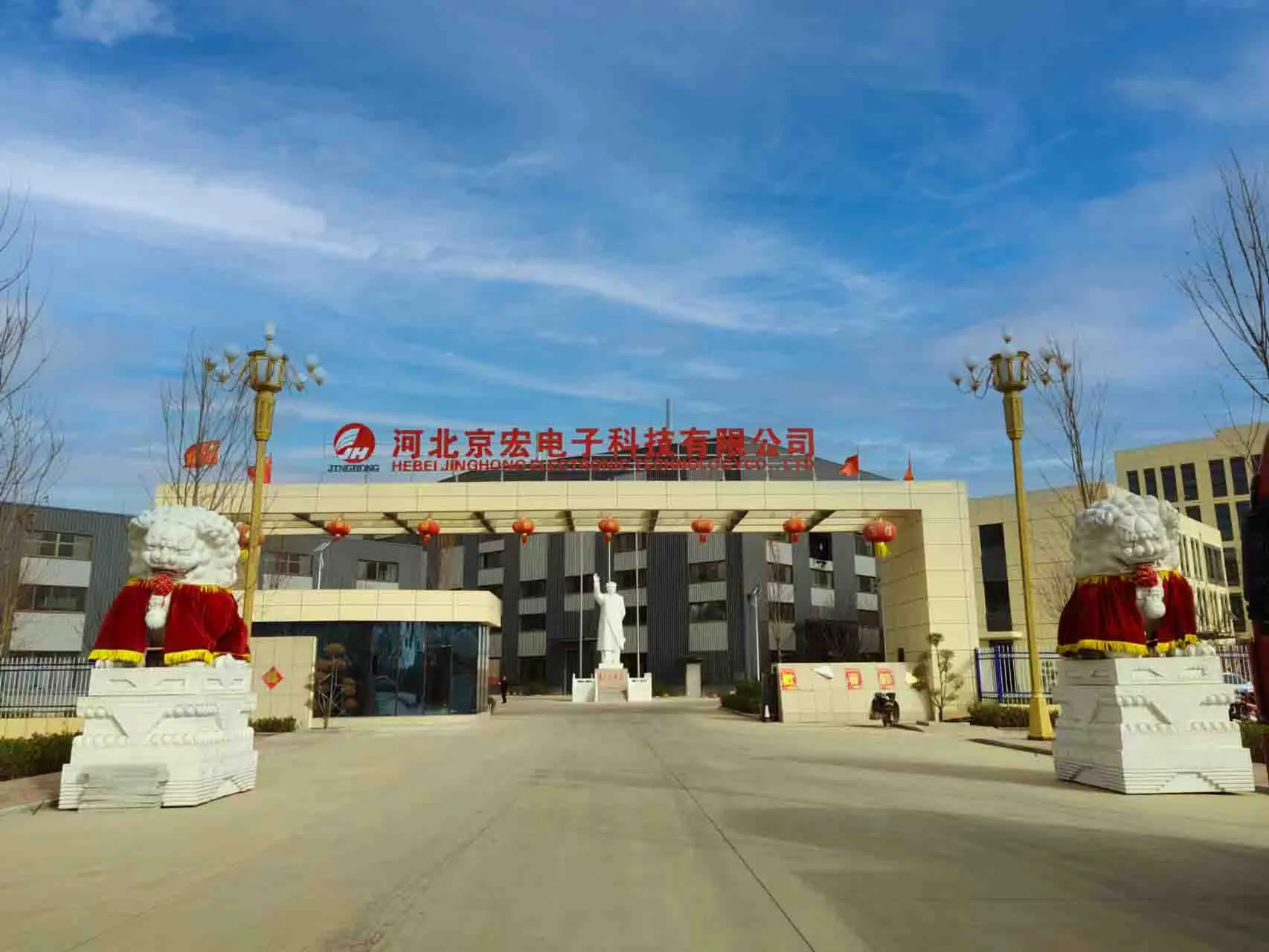
J&Q New Composite Materials Company