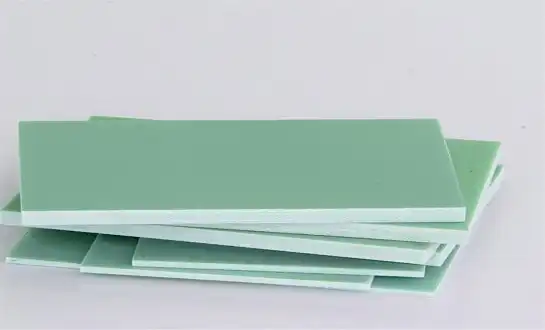
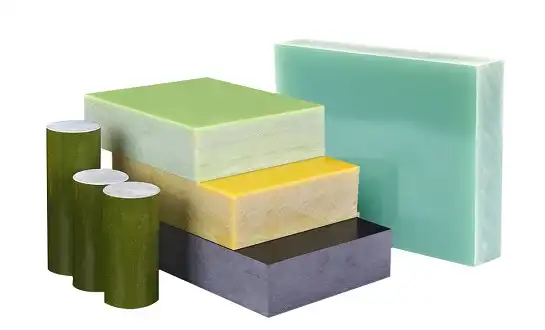
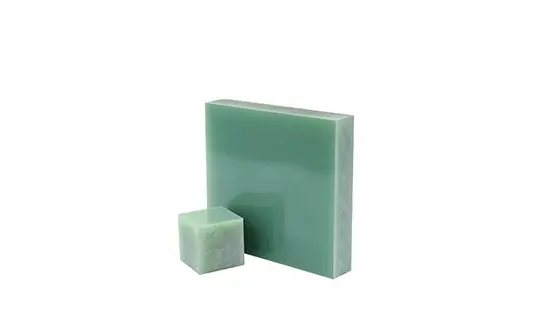
Phenolic Cotton Sheet Provides Wear Resistance for Gears, Bearings and Mechanical Parts
Phenolic cotton sheet is a high-pressure laminated composite made from woven cotton fabric layers saturated with phenolic resin, then cured at temperatures exceeding 150°C. This structure gives it a rare combination of mechanical toughness, wear resistance, and moderate electrical insulation. For industrial buyers sourcing materials for gears, bearings, and mechanical parts, this material addresses a real operational problem: reducing friction-related wear without the noise, weight, or corrosion risks of metal alternatives. It's the kind of material that quietly keeps machinery running longer and maintenance costs lower.

Understanding Phenolic Cotton Sheets: Properties and Manufacturing Process
What Makes Cotton-Based Phenolic Sheets Different
Cotton-based laminates are made from spun cotton cloth instead of cellulose paper, which is what phenolic paper sheets are made of. The impact toughness and tensile strength of this cloth base are much stronger. This makes a material that doesn't crack when sudden mechanical loads are put on it—something that paper- or melamine-based sheets just can't do in heavy-duty situations.
The Manufacturing Process Behind the Strength
The first step in the production process is to evenly soak cotton cloth in liquid phenolic resin. Several layers are stacked, lined up, and put into a hot press, which applies both heat and pressure at the same time. This process joins the layers together to make a thick laminate with no gaps. The thickness tolerances are always the same, which is important when the sheet is later machined into precise mechanical parts.
Quality Standards and Certifications
A Phenolic Cotton Sheet manufactured for industrial insulation applications should be produced according to applicable material and quality requirements, including relevant IEC 60893 and NEMA LI-1 specifications. During production, key quality parameters for the Phenolic Cotton Sheet can be controlled and documented at each stage, from resin preparation and cotton reinforcement to pressing, curing, finishing, and final dimensional inspection. In an ISO-certified manufacturing environment, consistent process control helps ensure that each Phenolic Cotton Sheet meets the specified thickness, dimensions, mechanical properties, and electrical insulation requirements. For procurement teams, verifying the applicable standards and quality documentation for a Phenolic Cotton Sheet is an essential part of supplier evaluation rather than an optional extra. Choosing a manufacturer that can provide traceable production records, inspection reports, and relevant certification for the Phenolic Cotton Sheet can also help buyers reduce quality variation and maintain consistent material performance across production batches.
Why Phenolic Cotton Sheet Excels in Wear Resistance for Mechanical Parts
The Wear Mechanism Advantage
Metal bushings and gears wear against each other in ways that are both rough and sticky. This creates heat, debris, and surface wear. This process is stopped by cotton-reinforced phenolic laminates. Their fiber-matrix construction takes in surface stress and spreads load over a larger area, which lowers wear in one area. In machines used to make textiles and paper, phenolic gears that engage with steel mating gears have shown significantly lower wear rates than cast iron alternatives.
Comparison With Other Engineering Materials
Here are some ways that cotton phenolic laminates are different from other options based on some important characteristics:
- Vs. Fiberglass laminates: Fiberglass offers higher dielectric strength but lower impact toughness. Cotton phenolic absorbs shock better, making it safer in high-load gear applications where catastrophic cracking would damage drive components.
- Vs. Metal gears: Metal-to-metal contact generates vibration and noise. Phenolic cotton gears run significantly quieter — an advantage confirmed in industrial textile operations where noise reduction is a measurable safety metric.
- Vs. Resin-bonded paper laminates: Paper laminates are lighter and cheaper but lack the fiber density to resist sustained mechanical stress. Cotton-based sheets handle higher torque cycles before showing wear.
These are not small changes. In mechanical settings with a lot of cycles, picking the wrong laminate grade means changing parts a lot more often than they need to be.
The Fail-Safe Property That Engineers Value
Mechanical experts with a lot of experience choose cotton phenolic because it can be used to predict how something will fail. When a phenolic cotton gear is overloaded, it slowly tears apart instead of breaking. This keeps the steel drive shaft safe, since they are usually much more expensive to replace. This built-in sacrificial behavior is a real engineering benefit, not just a property of the material itself.
Application Scenarios: Phenolic Cotton Sheets in Industrial Use
Mechanical Transmission Components
A lot of textile mills, printing machines, and paper processing lines use phenolic cotton laminates to make quiet gears, pinions, and pulleys. Compared to steel pairs, they make gear-mesh noise much less noticeable because of their natural damping qualities. When they are the right size and oiled, these gears always work well under high power, and their long service intervals cut down on planned downtime.
Marine and Hydraulic Bearing Systems
In naval engineering, phenolic cotton is used to make stern tube bearings and rudder bushings that work well when they are wet. The material doesn't swell in properly graded shapes and doesn't rust, which are two ways that metal bearings fail that can't be used in these situations. Manufacturers of hydraulic equipment also use phenolic bushings as wear surfaces in reciprocating assemblies because they don't have a lot of friction.
Electrical Structural and Switchgear Components
In PCB applications, FR4 and epoxy-glass laminates are widely used, while a Phenolic Cotton Sheet serves a different role in low- to medium-voltage switchgear. Rather than being selected primarily for PCB fabrication, a Phenolic Cotton Sheet is commonly considered for structural insulation applications where mechanical strength and dielectric performance are both important. In switchgear assemblies, the Phenolic Cotton Sheet can be used for components such as terminal boards, busbar supports, and breaker frames, where reliable electrical separation must be combined with sufficient mechanical integrity. The mechanical properties of a Phenolic Cotton Sheet can help components withstand repeated activation forces and mechanical loads during normal operation. For engineers selecting insulation materials, a Phenolic Cotton Sheet can therefore provide a practical option when both structural support and electrical insulation are required in low- to medium-voltage equipment.
How to Select and Procure the Best Phenolic Cotton Sheet
Key Technical Specifications to Evaluate
Before buying something, purchase teams and engineers should make sure that the following factors match the needs of the application:
- Temperature rating: Standard cotton phenolic grades are rated for continuous service up to approximately 120°C. Verify this against your operating environment.
- Mechanical strength: Check compressive and flexural strength values — these directly determine suitability for load-bearing gear and bearing applications.
- Thickness tolerance: For CNC-machined parts, tight thickness tolerances (typically ±0.2 mm or better) reduce post-machining adjustments and scrap rates.
- Moisture absorption: Lower moisture absorption grades are preferable for marine or humid industrial environments.
Before placing an order, comparing material data sheets to IEC 60893 classifications can help make sure that the grade chosen is right for the job.
Supplier Evaluation Criteria for B2B Buyers
Credibility of a supplier goes beyond what it says in its catalog. Buyers should ask for test reports, certifications, and records of production audits. OEM customization options, such as custom sheet sizes, CNC machining services, and labeling batch tracking, set trustworthy industrial sellers apart from generic distributors. When a supplier is being qualified, they should also meet minimum order amounts, wait times, and packaging standards for foreign shipping.
Procurement Channels and Sourcing Strategy
When you buy from a direct manufacturer, you can usually see prices more clearly and get expert help faster for special orders. Distributors are good for smaller orders or when it's important to have stock close by. Setting up a framework deal with a certified maker that covers price, shipping schedules, and consistent batch quality lowers the risk of buying over long periods of time for big corporate buyers.
Maintenance, Longevity, and ROI of Phenolic Cotton Sheets in Mechanical Applications
Installation and Handling Best Practices
Phenolic Cotton Sheets should be kept flat, dry, and out of direct sunlight. Carbide tools and controlled feed rates make edges cleaner during cutting and lower the risk of delamination at cut surfaces. When putting phenolic parts into machinery, be careful not to over-torque the fasteners. The material has a high compressive strength, but point loading from overtightened bolts can cause surface cracks near the holes for the fasteners.
Performance Validation and Third-Party Data
Industry performance data from IEC test reports and OEM field trials consistently show that in wear cycle testing, phenolic cotton parts do better than polymer alternatives that aren't reinforced. In gear applications, phenolic laminates have been shown to last millions of load cycles under controlled conditions. These checked numbers give procurement specialists real information to help them choose materials during internal review processes.
Cost-Benefit Analysis for Long-Term Users
Phenolic Cotton Sheet costs more up front than basic industrial plastics, but what you really pay for it over time is quite different. Longer periods between replacements, less lubrication needs in some bearing uses, and less damage to metal parts that fit together all add up to net savings over the life of a machine. For companies that make things all the time, less unexpected downtime is enough to cover the higher material costs in just one output quarter.
Conclusion
A Phenolic Cotton Sheet has a well-established place in industrial material selection because it combines mechanical toughness, wear resistance, and consistent performance under load. For applications such as gears, bearings, spacers, and structural insulation components, a properly specified Phenolic Cotton Sheet can provide reliable support in machinery, power equipment, and automotive systems. The durability and machinability of a Phenolic Cotton Sheet also make it suitable for components that require stable dimensions and dependable mechanical performance during long-term operation. For engineering managers and procurement specialists, selecting the right Phenolic Cotton Sheet according to load, temperature, electrical insulation, dimensional, and environmental requirements is important for achieving consistent results. Sourcing a Phenolic Cotton Sheet from a qualified and certified manufacturer with reliable quality control and production capabilities can further reduce material variation and supply-chain risks. When the correct grade and specifications are matched to the application, a Phenolic Cotton Sheet can contribute to reliable component performance and help support a practical total cost of ownership.
FAQ
What thickness ranges are available for phenolic cotton sheets?
Standard phenolic cotton laminates are available in thicknesses from approximately 0.5 mm up to 100 mm or more, depending on the manufacturer. Custom thicknesses can be produced to order for specific machined component requirements.
Can phenolic cotton sheets be CNC machined into custom gear profiles?
Yes. Cotton-reinforced phenolic laminates machine cleanly using standard carbide tooling. CNC routing, milling, drilling, and turning are all feasible. Gear tooth profiles, bushing bores, and complex bracket shapes can be produced with good dimensional accuracy.
How does moisture affect phenolic cotton sheet performance?
Standard grades absorb modest amounts of moisture over time, which can slightly affect dimensional stability. For marine or high-humidity applications, buyers should specify low-moisture-absorption grades and confirm material data sheet values before procurement.
Is phenolic cotton sheet suitable for food processing machinery?
Standard grades are not certified for direct food contact. Buyers in food processing should consult with their supplier regarding material compliance requirements specific to their regulatory environment.
What certifications should I request from a supplier?
Request IEC 60893 compliance documentation, ISO production certifications, and batch material test reports covering mechanical and electrical properties. These documents confirm the material meets published specifications.
Get Phenolic Cotton Sheet From J&Q — Trusted Manufacturer With 20+ Years of Experience
For more than 20 years, J&Q has been making and selling insulation laminates to businesses around the world. We are a Phenolic Cotton Sheet manufacturer with direct export experience and our own logistics operations. We offer consistent batch quality, OEM sizing, and shipping support from start to finish. You can talk to our technical team about your needs and get a quote by emailing info@jhd-material.com or going to blog.jhd-material.com.
References
1. IEC 60893-3-2: Industrial Rigid Laminated Sheets Based on Thermosetting Resins for Electrical Purposes — Specification for Phenolic Cotton Fabric Laminates. International Electrotechnical Commission, 2003.
2. NEMA LI-1: Industrial Laminating Thermosetting Products. National Electrical Manufacturers Association, 2020.
3. Harper, C.A. (Ed.). Handbook of Plastics Technologies. McGraw-Hill, 2006.
4. Brydson, J.A. Plastics Materials. 7th ed. Butterworth-Heinemann, 1999.
5. Rosato, D.V., & Rosato, M.G. Reinforced Plastics Handbook. 3rd ed. Elsevier, 2004.
6. Strong, A.B. Plastics: Materials and Processing. 3rd ed. Pearson Education, 2006.

Get a complete product list and quotation
J&Q New Composite Materials Company