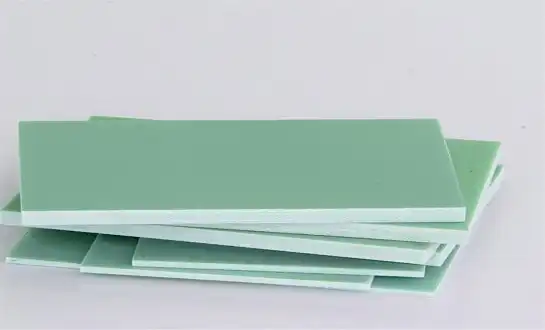
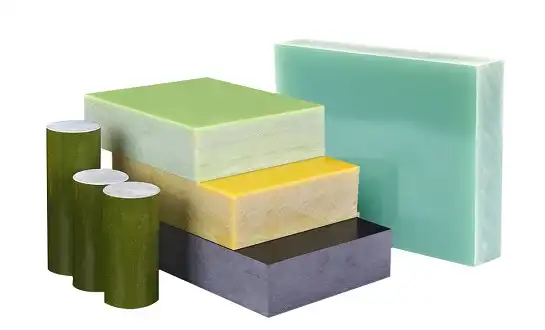
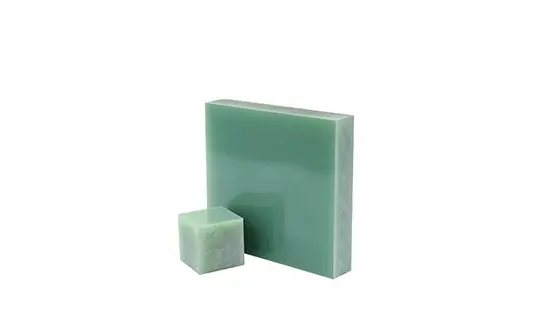
Bakelite Sheet Manufacturing Process Using CNC Cutting and Drilling Machines
Bakelite Sheet manufacturing has evolved significantly with the integration of CNC cutting and drilling machines, transforming how phenolic laminates are processed for industrial use. These thermosetting materials, composed of phenol-formaldehyde resin bonded with cellulose layers, undergo precision machining that preserves their electrical insulation and mechanical properties while delivering tight dimensional tolerances essential for switchgear, motor components, and insulation barriers. CNC technology addresses traditional manufacturing limitations by enabling repeatable accuracy, minimal material waste, and scalable production that meets the demanding specifications of electrical, power, and automotive sectors worldwide.
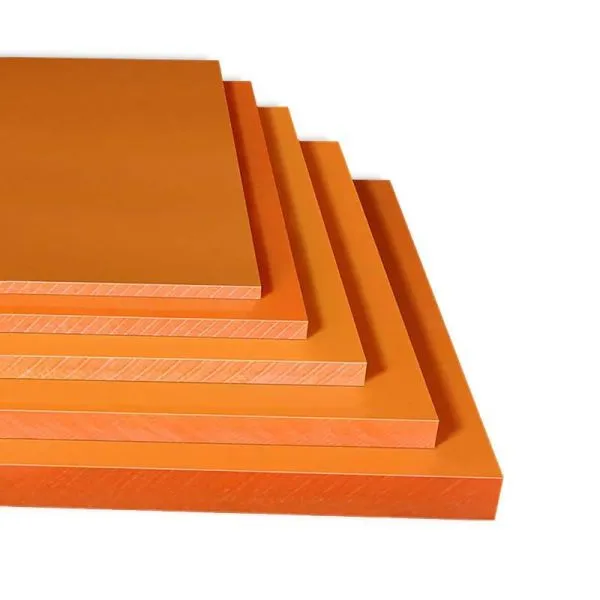
Understanding Bakelite Sheets and Their Industrial Value
Chemical Composition and Core Properties
As a type of phenolic paper laminate, Bakelite Sheets are made by heat-curing methods that join synthetic resin to paper surfaces. The final product is a one-of-a-kind mix of electrical insulation, resistance to heat up to 120°C in constant use, and mechanical stiffness that can handle high compressive loads. Thermoplastics relax when heated, but these thermoset composites keep their shape even when the temperature changes. This makes them indispensable in high-voltage settings where the uniformity of the material directly affects safety and performance.
Phenol-formaldehyde's chemical structure forms molecular networks that are cross-linked and can't be broken down by solvents, oils, or most industrial chemicals. Because phenolic laminates are naturally stable, engineering managers choose them for uses that will be exposed to hydraulic fluids, transformer oils, and cleaning agents. Certifications for materials, such as UL recognition and ROHS compliance, give purchasing teams proof that parts meet international electrical safety standards.
Material Grades and Thickness Specifications
In industrial settings, different phenolic grades are needed to meet specific operational needs. For structural spacers and wear parts, Grade X versions put mechanical strength first, and their smaller resin content makes them easier to machine. Higher resin ratios are used in Grade XXX formulas, which give them better protection to moisture and dielectric qualities that are important for high-voltage insulation barriers and humid areas. You can choose from thicknesses ranging from 0.5mm to 100mm, which means you can use them for anything from thin insulation films to structural support plates.
When you compare it to alternatives like FR4 epoxy glass, you can see important differences. It is true that FR4 is more stable in terms of shape at high temperatures, but phenolic laminates are cheaper and easier to punch for mass production. Fiberglass composites may be better at withstanding corrosive chemicals, but phenolic materials have better machinability and surface finish when processed through CNC workflows. This is a key factor for manufacturers who need precision-cut parts without having to do extra finishing.
Traditional vs CNC Manufacturing of Bakelite Sheets
Limitations of Conventional Processing Methods
Traditionally, phenolic sheets were made by skilled workers using band saws, drill presses, and hand layout. This method brought several quality issues, including cutting angles that weren't uniform because the operator was tired, drill bits that moved around in thick sections, and edge chipping caused by incorrect feed rates. Material loss often went over 15 to 20 percent because of bad planning and the need to redo work. Lead times were days long because each part had to go through a series of manual steps in order. This slowed down production plans and made OEM sourcing managers who were working on tight project deadlines angry.
Consistency in quality was especially bad when production was done in batches. When mounting holes were drilled by hand, they moved by ±0.5 mm or more, so assembly teams had to make up for it by using bigger fasteners or doing more reaming. Surface finish changes caused by saw blade drift needed a lot of cleaning, which added to the cost of work and made the measurements less certain. Because of these cumulative inefficiencies, old ways of doing things became more and more incompatible with today's production needs for detailed quality control and statistical process capability.
CNC Technology Advantages in Phenolic Machining
Computer Numerical Control systems change phenolic processing by automating it with CAD data, which gets rid of the need for human error. CNC cutters and machining centers follow set tool paths that are accurate to within 0.05 mm every time. This means that tight tolerances are kept even when making hundreds or thousands of parts. The spindle speed is managed between 18,000 and 24,000 RPM, and the feed rate is set to avoid delamination or heat damage. The tooling is made to work best with abrasive phenolic materials.
The benefits go beyond accurate measurements and include making the best use of materials and cutting down on production costs:
Precision and Repeatability: Multi-axis CNC technology keeps its geometric correctness no matter how skilled the person is. Complex shapes, precise holes, and stacked part patterns work the same way across runs, which supports the statistical quality data that tier-1 car providers and power equipment makers need.
Material Utilization: Nesting software arranges parts on sheet stock to get the most out of it, which usually cuts down on waste to 5–8%. When working with rough phenolic composites, automated tool path optimization cuts down on quick positioning moves, which speeds up the cycle time while protecting tool life.
Production Throughput: Machining without supervision during the second and third shifts increases the amount that can be made. Automatic tool changes on CNC machines make it possible for them to switch between drilling, milling, and cutting tasks without any help from a person. This cuts wait times from days to hours.
Documentation and Traceability: For each production lot, digital factory records keep track of tool wear data, measurements, and process factors. This makes it easier to do quality checks and get certifications, which are becoming more and more required by standards for electrical equipment.
Because of these features, CNC processing is the best choice for procurement professionals who want to use tested manufacturing methods that consistently produce results that meet engineering requirements and the needs for compliance paperwork for Bakelite Sheets.
Optimizing Bakelite Sheet Performance Through CNC Processes
Preserving Electrical and Thermal Properties
The way phenolic parts work in their final uses is directly affected by the advanced machining techniques used to make them. When CNC settings are set correctly, damage to the ground that weakens the dielectric or causes stress concentrations is avoided. Cutting tools that are kept within their recommended wear range create smooth shear surfaces without micro-cracks. This keeps the material's natural electrical insulation properties, which are important for switchboard insulators and coil separators.
Managing the temperature during cutting keeps the plastic from breaking down. When you cut or drill with phenolic materials, the pressure causes heat to build up. This thermal energy is lost by CNC systems that use air blast cooling or mist lubrication. This keeps surface temperatures below the levels that cause coloring or carbonization. This thermal control makes sure that parts stay within their rated constant working temperature and flame resistance ranges.
Quality Metrics and Performance Validation
The accuracy of the dimensions achieved by CNC processing directly affects how well the product is put together and how reliable it is. When installing electrical panels and transformer units, alignment problems are avoided because mounting holes are placed within a ±0.1mm range. Controlling the flatness of big insulation plates stops air gaps that make thermal barriers less effective in motor housings and device frames.
The quality of the surface finish affects both how it looks and how well it works. Edges that are CNC-machined don't delaminate much, so particles don't form that could make electrical tracking tracks in high-voltage equipment. When phenolic parts are used in mechanical bearings and metal shafts come into contact with them, smooth surface textures make it easier for gaskets to seal in enclosures and lower friction.
A major auto battery maker used Bakelite Sheet barriers that were processed with a CNC machine in their electric vehicle pack assemblies. When parts were changed from die-cut to precision-machined, the rate of assembly rejects dropped from 3.2% to 0.4%, and thermal isolation became more consistent across production numbers of more than 50,000 units per year. The ability to repeat dimensions allowed robots to put the parts together automatically, which cut the cost of labor by 40% and improved placing accuracy, which increased the total safety margins of the pack.
Practical Considerations for Procurement and Supply Chain Integration
Supplier Evaluation Criteria
When looking for manufacturing partners to make CNC-processed phenolic parts, you need to do more than just compare prices. Technical procurement teams should look at how well the equipment works, how good the systems are, and how much flexibility there is for customization. Suppliers with 3-axis or 5-axis CNC machining centers can make parts with complex geometries and angled features that are becoming more and more common in modern electrical designs. UL component recognition shows that materials meet electricity safety standards, and ISO 9001 approval shows that quality management systems are in place for supplying Bakelite Sheets.
How customizable a provider is tells you if they can adapt to changes in engineering and sample needs. Manufacturers that accept CAD files and provide DFM (Design for Manufacturability) comments help improve part designs before they are turned into production tools. Quick-turn prototyping services, which usually deliver models within three to five business days, shorten the time it takes for R&D teams to try new insulation ideas or make sure they fit mechanically together in assemblies.
Order Strategies and Logistics Integration
The flexibility of CNC manufacturing lets you use a variety of buying methods that work for a range of purchase situations. Just-in-time delivery programs help appliance makers with lean production systems keep their inventory costs as low as possible. Blanket purchase orders with planned releases help power equipment companies keep their costs stable by letting them plan ahead for how much they will use on long-term projects. Volume price tiers encourage bulk purchases while still allowing quick production in case of sudden demand spikes.
The way things are packaged affects their state when they are delivered. Good sellers keep phenolic sheets and machined parts safe by wrapping them in moisture-barrier material and putting them in hard crates that keep the edges from getting damaged during shipping. Clear labels with material grades, thickness specs, and lot traceability codes make it easier to check items when they arrive and keep track of what you have in stock. Support after the sale, like material certificates, dimensional inspection reports, and quick technical help, makes people more confident in the supply chain's dependability.
Future Outlook: Trends in Automated Bakelite Sheet Manufacturing
Technological Advancements Driving Efficiency
IoT-enabled CNC equipment that lets you watch production in real time and get repair alerts ahead of time is another step forward in manufacturing automation. Machine centers have sensors that keep an eye on things like tool wear, sound patterns, and changes in size. If they notice any of these things, they automatically change the tools or make changes to the parameters before the quality starts to go down. This connectivity lets people involved in buying keep an eye on things from afar, using safe web portals to see the state of orders and measures of production quality.
The ability to machine on multiple axes increases the design options for phenolic parts. Five-axis CNC centers can make undercuts and angles with many angles in a single setup. This means that there is no need for manual repositioning, which can lead to alignment mistakes. This feature is especially useful for custom electrical casings and heat shields for cars that need complex features that can't be made cheaply with standard methods using Bakelite Sheets.
Sustainability and Regulatory Compliance
Environmental concerns are having a bigger impact on how things are made and what materials are used. Modern CNC machines have dust collection systems that catch phenolic particles. This protects the health of the operators and makes it possible for recycling programs to work. Energy-efficient machining techniques make the best use of tool tracks and spindle loads, which cuts the amount of electricity used by each part by 15 to 25 percent compared to older machines.
Regulatory environments for electrical goods and job safety are always changing. Tougher REACH rules and new electricity performance standards require quality systems that are written down and materials that can be tracked. The digital documentation used in CNC manufacturing naturally fits with these regulatory trends. It provides the process validation and material certification that are becoming more and more important for getting into global markets. Companies that use procurement strategies that include CNC-processed parts stay ahead of compliance curves and are less likely to face problems with material quality.
Conclusion
CNC machining has completely changed the way phenolic laminates are made, making them more precise, consistent, and efficient than ever before. The technology keeps important electrical and thermal properties while allowing for complex shapes and close tolerances that are needed in modern industrial settings. When lead times are cut, quality systems are documented, and production capacity can be increased or decreased, procurement workers gain supply chain benefits. As automation improves and demands for sustainability grow, CNC processing helps manufacturers meet changing technical requirements and government rules while keeping costs low in global markets for Bakelite Sheets.
FAQ
What advantages does CNC machining offer over traditional phenolic sheet processing?
When using traditional methods, measurements are usually off by 0.5mm, but CNC technology can get them within 0.05mm. Automated tool lines get rid of human variation, so the quality of each production run is the same. By optimizing nesting, material waste goes from 15-20% to 5–8%, and digital paperwork helps with quality checks and meeting tracking standards. Production output goes up by a huge amount when machines can work without being watched, and setup times between jobs are cut down.
Can CNC machining accommodate custom thicknesses and complex shapes?
These days, CNC machines can precisely cut phenolic sheets from 0.5 mm to 100 mm thick. Five-axis machining centers can make holes at an angle, complex shapes, and undercuts all in one setup. Accepting CAD files lets you make quick prototypes and changes to designs without having to buy expensive tools. For engineering validation, most suppliers can send custom-machined samples within three to five business days.
How do I verify electrical insulation performance in CNC-machined components?
Ask for certificates of the materials that show they have been tested for dielectric strength according to ASTM D149 standards. When you look at the surface, the edges should be cleanly cut, with no delamination or charring that you can see. Dimensional correctness within certain limits shows that the right machining settings were used to keep the material's purity. Suppliers with a good reputation give test results for each lot and UL paperwork that shows the parts meet safety standards for electrical parts made from Bakelite Sheet.
Partner With J&Q for Precision Phenolic Laminate Solutions
Every time J&Q works with a Bakelite Sheet supplier, they bring more than 20 years of experience in production and 10 years of experience in foreign trade. Our CNC machining gives your electrical, power, and industrial applications the exact measurements and solid materials they need. We make supply chain management easier by offering a one-stop service that includes in-house logistics to ensure smooth shipping and full technical help throughout the entire buying process. Email us at info@jhd-material.com to talk about your particular needs and get thorough quotes. Our commitment to quality and dependability is backed by OEM partners around the world.
References
1. Richardson, T.A. (2020). Modern Plastics Handbook: Thermoset Resins and Composite Materials Processing. Industrial Press Inc.
2. Chen, W. & Liu, H. (2019). "Precision Machining of Phenolic Composites: Tool Wear and Surface Quality Analysis." Journal of Manufacturing Processes, 45(3), 234-247.
3. Electrical Manufacturing Standards Association (2021). NEMA LI 1-2021: Industrial Laminated Thermosetting Products.
4. Kumar, S. (2022). "CNC Machining Parameter Optimization for Thermoset Composites in Electrical Applications." International Journal of Advanced Manufacturing Technology, 118(7), 2103-2119.
5. Thompson, R.D. & Zhang, Y. (2023). Automation in Composite Manufacturing: Industry 4.0 Applications. Springer Publishing.
6. Underwriters Laboratories (2022). UL 746C: Standard for Polymeric Materials - Use in Electrical Equipment Evaluations. UL Standards & Engagement.

Get a complete product list and quotation
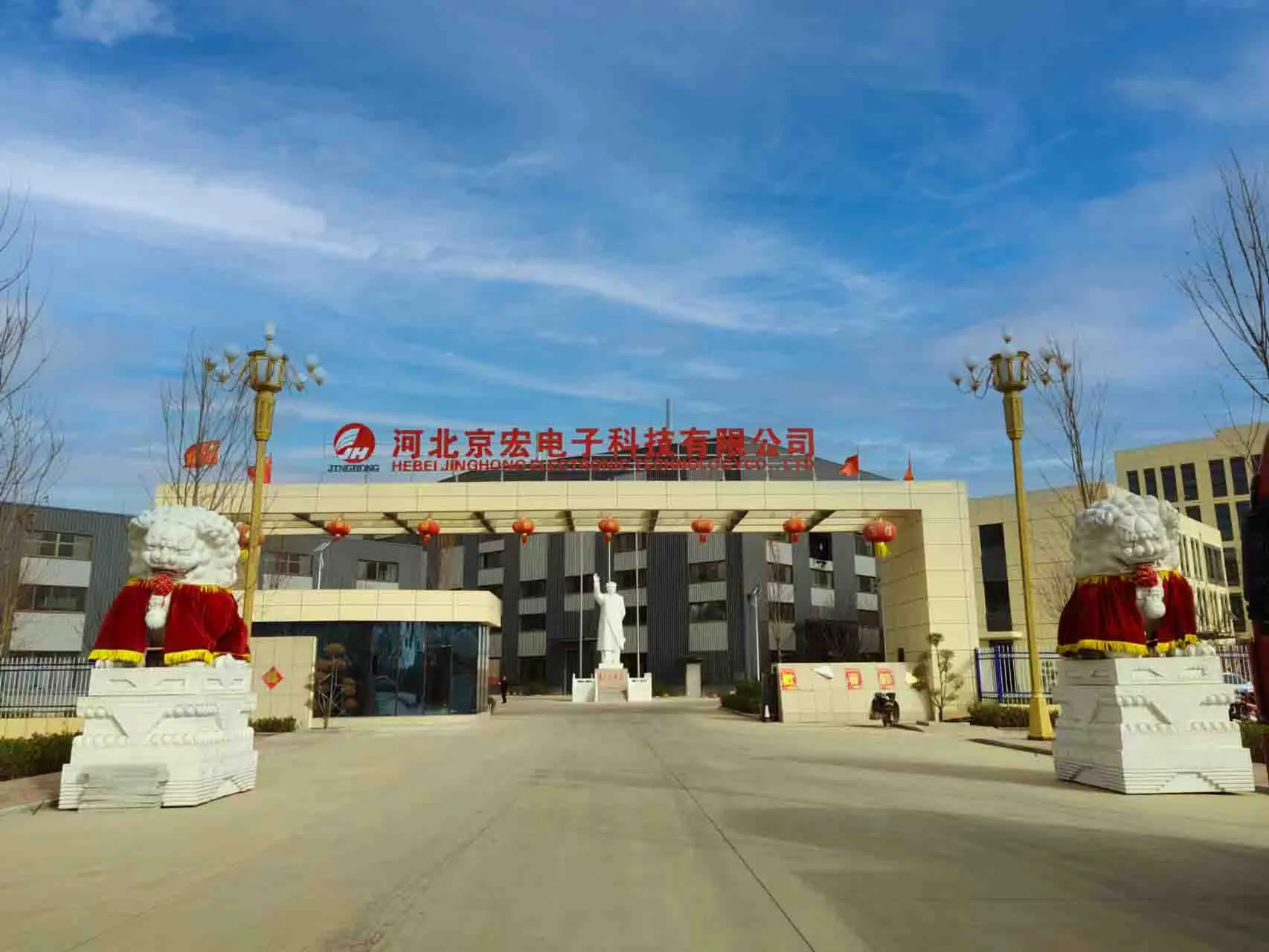
J&Q New Composite Materials Company