Advanced Cutting Tools for High-Accuracy Phenolic Cotton Sheet Machining
Achieving precision in phenolic cotton sheet machining demands more than standard tooling—it requires specialized cutting technologies designed to handle the unique characteristics of this cotton-reinforced composite material. Phenolic cotton sheets, manufactured by impregnating woven cotton fabric with phenolic resin under high temperature and pressure, deliver exceptional mechanical strength and chemical resistance. However, their dense fiber matrix and resin hardness present distinct machining challenges that conventional tools struggle to overcome. Advanced cutting solutions incorporating carbide, diamond-coated, and polycrystalline diamond (PCD) technologies have emerged as essential investments for manufacturers seeking tight tolerances, superior surface finishes, and extended tool life across electrical, industrial, and automotive applications.
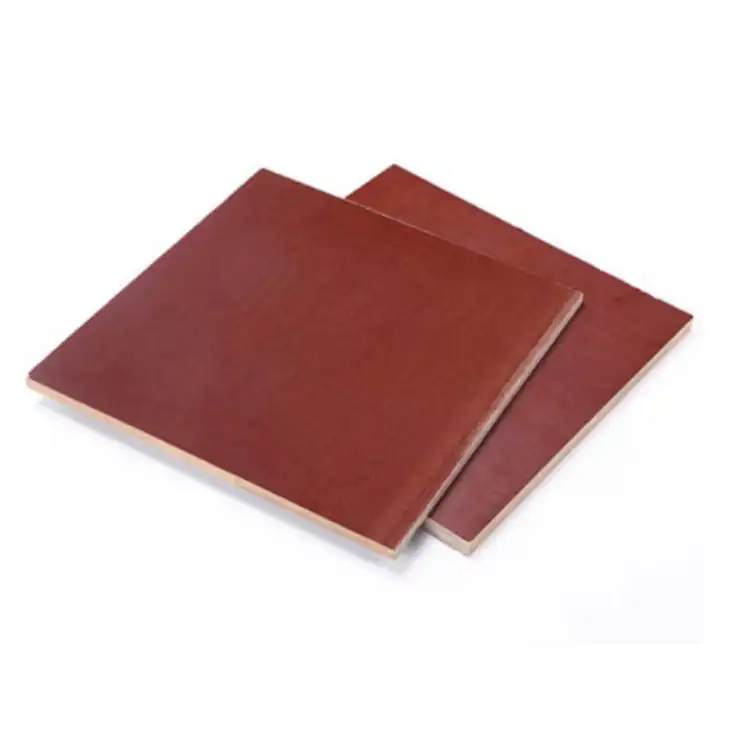
Understanding Phenolic Cotton Sheet and Machining Challenges
What Makes Phenolic Cotton Sheets Unique?
Phenolic cotton sheets represent a specialized class of thermoset composites. They are made with cotton canvas or linen fabric as the reinforcement structure. When the phenolic resin binder is polymerized at temperatures around 150°C and pressures above 1,000 psi, it makes a material that has a density of 1.35 to 1.45 g/cm³. This composite design has a flexural strength of more than 100 MPa and a high level of impact resistance. This makes it perfect for noise-dampening gears, wear pads, and structural insulation parts where metals would cause too much shaking.
Common Machining Difficulties
The qualities of these laminates that make them attractive also make them very hard to make. The thermosetting glue makes a lot of heat during cutting, and the abrasive wear from the cotton fiber support makes the tool dull very quickly. Without choosing the right tools, operators have to deal with delamination along the edges of layers, edge chipping that makes it hard to get accurate measurements, and surface roughness that needs extra steps to be finished. Because the material tends to make fine dust when it is machined, safety and environmental concerns are added, which affect both the tools used and the way things are done at work.
Material Grade Variations
According to NEMA classification standards, there are different types of weaves: coarse weave grades (C and CE) and fine weave grades (L and LE). The letter "E" indicates electrical-grade specifications. For heavy-duty mechanical uses like gear blanks and thrust washers, coarse weave materials are better at withstanding impact, while fine weave grades allow for tighter cutting limits for precision parts. Knowing these differences helps engineering teams choose the right cutting methods. For example, coarse grades can handle faster feed rates, but fine weave materials need lighter cuts to keep the surface intact and stop fibers from pulling out.
Advanced Cutting Tools and Technologies for Phenolic Cotton Sheet Machining
Limitations of Conventional Tooling
When cutting phenolic cotton sheets, standard high-speed steel (HSS) tools lose their sharp cutting edges very quickly. After just a few minutes of constant use, they are no longer useful. The rough cotton fibers make tiny chips on the rake face of the tool, and as heat builds up, it softens the material and wears out faster. This leads to stronger cutting forces, higher temperatures at the point where the two pieces meet, and a gradual loss of surface quality. When manufacturers use traditional tools, they have to change the tools more often, the sizes of the parts aren't always the same, and there is more waste, all of which hurt the costs of production.
Modern Cutting Tool Solutions
These problems can be fixed by today's advanced tooling technologies, which use smart material choice and shape optimization. The best solutions include:
Carbide-tipped tools keep their sharp cutting edges three to five times longer than HSS tools because they are much less likely to wear down. Because they are hard, they can stand up to the roughness of cotton fibers and better move heat away from the cutting area.
Diamond-coated cutting tools have thin diamond films cast on carbide bases. This makes the surface very hard and good at transferring heat. These coatings keep the tool and workpiece from rubbing against each other, keep heat from building up, and stop resin from sticking to the surface, which can damage the finish.
Polycrystalline diamond (PCD) tools are the best choice for places that make a lot of things. The sintered diamond cutting edges are very hard and don't wear down easily. In ongoing phenolic machining processes, they often last 50 to 100 times longer than uncoated carbide.
With these high-tech materials, manufacturers can keep the same surface quality and tolerances for size over long production runs. The original cost of buying high-quality tools usually pays for itself quickly thanks to fewer tool changes, less waste, and higher productivity.
Optimizing Cutting Parameters
Choosing the right tool isn't enough to ensure success; the cutting settings must also match the properties of the material and the tool's capabilities. Most phenolic cotton grades work best with spindle speeds between 3,000 and 6,000 RPM. However, fine weave materials may do better with higher speeds when diamond tooling is used. Feed rates need to be carefully balanced; too fast of speeds create heat and encourage delamination, while too slow of rates lower output without improving quality.
The depth of cut has a big effect on how long a tool lasts and how smooth the surface is. Shallow passes of 0.5 to 1.5 mm reduce cutting forces and heat production. This is especially important when working close to edges or making features with lots of small parts. Cooling methods, like air blast systems or minimal-quantity lubrication, help keep temperatures stable and keep the resin matrix from getting damaged by heat.
Performance Optimization: Breaking Through Machining Bottlenecks
Identifying Critical Production Constraints
In manufacturing phenolic cotton sheets, certain problems called "bottlenecks" often occur and lower the quality and efficiency of the work that is done. Too much tool wear causes differences in size between runs of production to get worse, which means machines need to be adjusted and quality checked more often. When too much heat breaks down the resin bond, it shows up as discoloration, surface crazing, or localized delamination. When worn tools bend under cutting forces, they make measurements even less accurate, which leads to parts that don't meet specifications and need to be fixed or thrown away.
Strategic Improvement Methodologies
Modern methods of optimization use a number of different intervention tactics to fix problems with the way the system works. When you switch from basic carbide to PCD tooling, the tool life is quickly extended. This means that you don't have to change the tools as often and the cutting shape stays the same throughout production runs. By using real-time tracking systems that keep an eye on spindle load, vibration patterns, and audio emissions, workers can find tool wear before it affects the quality of the part.
CNC parameter refinement through planning and carrying out experiments helps find the best combinations of speed, feed, and depth of cut for different types of materials and shapes. Adaptive control systems can change settings automatically based on feedback from sensors. This can account for changes in the material and keep the cutting conditions fixed. These technological changes make the surface finish better, with roughness values often going down by 30 to 50 percent while making tools last longer.
Validation and Continuous Improvement
To figure out how much speed has improved, key metrics must be measured consistently before and after optimization efforts. Coordinate measuring machines (CMM) are used for dimensional checking to make sure that tighter tolerances are always met across all production amounts. Surface profilometry shows that the quality of the finish has gotten better, and tool life tracking shows that it's been longer since the last repair. These objective measures help with cost-benefit analyses that help make decisions about capital investments and efforts for continuous growth.
Procurement Considerations for Advanced Cutting Tools and Phenolic Cotton Sheets
Supplier Selection Criteria
Choosing where to get phenolic cotton sheets has a big effect on how well and how much it costs to run a machine in the long run. Suppliers you can trust that have a history of providing high-quality phenolic composites and specialized tools can offer you useful technical advice that goes beyond just delivering products. ISO 9001 and other quality certifications show that you manage quality in a planned way, while credentials specific to your industry show that you know a lot about how to meet the needs of your application. Technical support, such as suggestions for tools and help with solving problems, is especially helpful when trying to improve processes or deal with problems that come up out of the blue.
Matching Tools to Material Specifications
Different types and sizes of phenolic cotton need different ways to be cut. Strong carbide tools with positive rake angles are best for shearing through coarse weave materials that are used in heavy-duty gears and other mechanical parts. Diamond-coated or PCD tools with very sharp cutting edges are needed for fine weave laminates that are going to be used in precision electrical components. This is to keep the fibers from getting fuzzy and to get better surface finishes. The width of the sheet affects the choice of tool geometry; for example, bigger materials need more space between the flanks to keep them from rubbing against each other and building up heat.
Economic Analysis Framework
Premium cutting tools cost more at first than regular ones, which makes people wonder about their return on investment. A full cost analysis needs to look at more than just the purchase price. For example, longer tool life cuts down on the number of replacements needed and the labor costs that come with them; better surface finish gets rid of the need for secondary operations; tighter control over dimensions lowers the amount of scrap; and higher throughput raises overall productivity. In situations with a lot of output, these long-term benefits usually cover the cost of the more expensive tools within a few weeks or months.
Strategic Partnership Benefits
Building relationships of collaboration with material suppliers and tooling experts has benefits that go beyond simple purchases. Expert suppliers who know a lot about the process can suggest the best grades of materials for certain uses, help with tooling plans for new part designs, and offer expert support when problems appear. Long-term partnerships often give partners access to new technologies before they're available to the general market and allow them to get better prices and priority when supplies are low.
Maintenance, Safety, and Best Practices in Phenolic Cotton Sheet Machining
Workplace Safety Protocols
When phenolic cotton sheets are machined, fine dust is made up of cotton fibers and phenolic resin particles. Long-term breathing in of dust is bad for your lungs, so dust collection systems that work should be required instead of optional. Local exit ventilation placed near cutting zones collects particles where they come from, and extra air filtering keeps the quality of the air in the room at a good level. Personal protective equipment, such as respirators, safety glasses, and protective clothing that has been cleared, is very important for keeping workers safe during setup, operation, and upkeep.
Tool Management Procedures
Systematic maintenance of cutting tools keeps part quality consistent and extends the life of the tools. By inspecting at regular intervals, operators can find early signs of wear before they affect the accuracy of measurements or the finish on the surface. When wear is limited to the cutting edge, carbide tools can often be resharpened more than once, regaining performance for a lot less money than buying a new one. Diamond-coated tools need to be sharpened by professionals, but the longer time between visits usually makes the cost worth it. Storing tools correctly in controlled settings keeps them from getting damaged or contaminated.
Quality System Integration
Phenolic machining is used in successful processes as part of larger quality control frameworks. Machine tuning plans make sure that over time, CNC equipment keeps its positional precision and spindle performance. Statistical process control charts keep an eye on important dimensions and surface features, and when trends point to problems, they start investigations. Documentation systems keep track of specific lots of materials, batches of tools, and processing factors that are linked to finished parts. This makes it easier to find the root cause of quality problems when they happen.
Environmental Responsibility
Responsible phenolic scrap management takes into account both protecting the environment and following the rules. Phenolic materials are thermoset polymers, which means they can't be remelted and reshaped as thermoplastics can. However, clean scraps can be ground up and used as filling in other projects. To keep particles from getting into the environment, dust collection systems need to properly dispose of their filters. As requirements change from place to place, operators should make sure they are following the area rules for getting rid of industrial waste and meeting air quality standards.
Conclusion
To accurately machine phenolic cotton sheets, you need to use high-tech cutting tools, make sure the process parameters are just right, and keep track of quality in a planned way. It is possible to get better dimensional accuracy, surface finish, and operating efficiency when you switch from traditional HSS tools to carbide, diamond-coated, or PCD options. Buying groups need to look at all of a supplier's strengths and weaknesses, including their technical help and the chance of a long-term relationship, along with the products they offer and their prices. Companies that buy high-quality tools, follow strict safety rules, and keep improving their processes are better able to meet the strict needs of the electrical, industrial, and automotive markets while keeping their prices low.
FAQ
How does cotton fiber content influence cutting tool selection?
The cutting forces and rate of tool wear on phenolic cotton sheets are directly related to the density of the cotton fibers. When it comes to coarse weave grades with heavier fiber bundles, the conditions are rougher and need strong carbide or PCD tools. On the other hand, diamond-coated tools work very well with fine weave materials. The direction of the fibers in relation to the cutting direction also affects how chips are formed and how good the surface quality is.
What are typical lead times for custom phenolic sheets and specialized cutting tools?
Standard types of phenolic cotton sheets usually ship within one to three weeks from reputable sources who keep stock on hand. It could take four to eight weeks to make products with custom layers or special formulas. Because they are made using special techniques, premium PCD cutting tools often have six to ten week wait times. This means that production schedules need to be planned well in advance.
Can advanced cutting tools effectively eliminate delamination and chipping issues?
Even though premium tooling cuts down on these flaws a lot, they can't be completely eliminated without proper parameter optimization. Sharp PCD or diamond-coated tools reduce the cutting forces that cause delamination, and the right feed rates and levels of cut keep the material from being loaded too much. When you combine advanced tools with optimized parameters, the number of defects you get is usually 70 to 90% lower than with traditional methods.
Partner with J&Q for Superior Phenolic Cotton Sheet Machining Solutions
With more than 20 years of experience, J&Q is a specialist in making and selling phenolic cotton sheets that are designed for precise machining. Our technical team knows how important it is for material specs to match up with cutting tool performance. They can help engineering managers and procurement specialists improve the way they make things. With more than ten years of experience in foreign trade and a fully integrated transportation network, we can help you with everything from choosing the right materials to delivering them. Our team is ready to help you succeed, whether you need a NEMA-grade supplier for large-scale production or technical advice for tough machining problems. Contact us at info@jhd-material.com to discuss your specific needs, ask for samples of our materials, or find out how our wide range of services can help your manufacturing operations and lower your overall production costs.
References
1. Smith, J.R., & Chen, W. (2021). Advanced Composite Machining: Materials, Tools, and Techniques. Industrial Manufacturing Press.
2. Thompson, K.L. (2020). "Tool Wear Mechanisms in Phenolic Composite Machining." Journal of Manufacturing Science and Engineering, 142(8), 081-095.
3. National Electrical Manufacturers Association. (2019). NEMA Standards Publication LI 1-2019: Industrial Laminated Thermosetting Products. NEMA Technical Standards.
4. Rodriguez, M.A., & Patel, S. (2022). "Optimization of Cutting Parameters for Phenolic Laminates Using Diamond Tooling." International Journal of Advanced Manufacturing Technology, 118(3-4), 1247-1262.
5. Williams, D.P. (2020). Precision Machining of Composite Materials: Engineering Guide for Production Environments. Technical Publications International.
6. Zhang, H., & Kumar, R. (2021). "Surface Quality Analysis in Phenolic Cotton Sheet CNC Machining." Composites Manufacturing Review, 15(2), 134-148.

Get a complete product list and quotation

J&Q New Composite Materials Company



