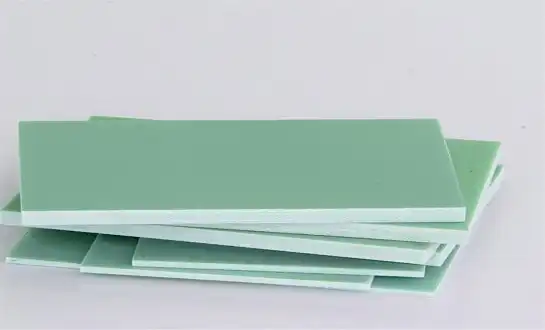
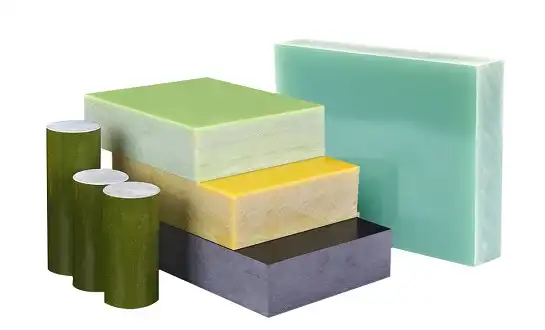
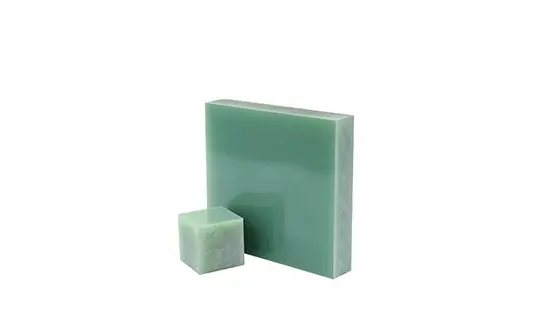
3526 Phenolic Cloth Laminated Tube for Bushings, Spacers, and Custom Electrical Assemblies
When engineering teams need a reliable insulating tube for bushings, spacers, or custom electrical assemblies, phenolic cloth laminated tube consistently earns a place on the shortlist. The 3526 phenolic cloth laminated tube is manufactured by impregnating scoured and desized cotton cloth with phenolic resin, then curing it through heating, rolling, pressing, and baking. The result is a dense, dimensionally stable tube with high radial tensile strength, low water absorption (≤4%), thermal stability at ≥130°C, and strong electrical resistivity. Its natural red color, combined with certified performance per GB/T 5132, makes it easy to identify and inspect on the production floor.

Understanding 3526 Phenolic Cloth Laminated Tube: Properties and Technical Specifications
How It Is Made
To make something, fine-weave cotton cloth is first scoured, shrunk, and fully saturated with phenolic resin. The layers are rolled out with exact pressure and then baked until the resin is completely hard. This method tightly joins the layers of cloth together, getting rid of any gaps that might affect the heat or strength when the fabric is loaded.
Key Technical Properties
The density of the material is between 1.04 and 1.20 g/cm³, and its bending strength is at least 80 MPa. The compressive strength is up to 45 MPa, and the surface resistance is up to 1/10 of an ohm. The electric strength of the vertical layer in transformer oil is ≥3.5 MV/m at 50 Hz and 20°C±5°C. These numbers show that the performance was the same across all production runs, as tested according to GB/T 5132.
How It Compares to Alternatives?
The cotton cloth-reinforced version is a good compromise between standard epoxy glass cloth tubes (Class F, more expensive) and plain paper phenolic tubes. It is stronger than paper laminates, cheaper than glass-fiber composites, and has a low friction coefficient that makes it good for wear parts. This tube is a good choice for uses that need Class E thermal endurance at 130°C without having to pay the higher price of epoxy.
Applications and Benefits of Phenolic Cloth Laminated Tube in Electrical Components
Where It Gets Used
This type of tube is used in a lot of different fields. It is used to make insulation sleeves, motor spacers, and switchgear bushings by companies that make electronics and electricity. It is used by power and energy companies to protect against arcs and insulate coils in transformer systems. Automotive makers depend on it for battery pack dividers and fixtures that can handle heat.
Why Engineers Choose It?
The tube is reliable in oily or damp places because it doesn't absorb much water (≒4%) and has good electrical properties even when it's damp (volume resistance ≥1.0×10⁵ ©·m). It can be machined so that CNC cutting, drilling, and sawing can be done without breaking. This cuts down on waste and speeds up production. Putting on insulating paint after machining protects the cut surfaces even more from getting wet.
Lifecycle Value for Procurement Teams
Unit price isn't the only thing that procurement managers look at. When bought from a certified maker, 3526 Phenolic Cloth Laminated Tube has a long service life under mechanical stress, doesn't need much upkeep, and the quality is the same from batch to batch. Compared to metals or lower-grade laminates that rust, freeze, or break down more quickly, these things lower the total cost of ownership.
This material is useful in five main industries, from home appliance motor clamps to industrial machinery spaces, because it is strong, doesn't conduct electricity, and can be machined with a CNC.
How to Select the Right Phenolic Laminated Tube for Your Procurement Needs?
Matching Size to Application
Available inner diameters range from φ5 mm to φ1500 mm, with outer diameters from φ6 mm to φ2000 mm and tube lengths up to 2 m. Wall thickness starts at 0.5 mm minimum. For inner diameters from 10 mm to 80 mm, the minimum wall thickness is 1.5 mm with a ±0.5 mm tolerance. For inner diameters ≥85 mm, minimum wall thickness increases to 2.0 mm. Non-standard specifications are available through direct negotiation.
Evaluating Supplier Credentials
Before placing a bulk order, procurement teams should confirm that the supplier holds relevant quality certifications (ISO 9001 is standard), produces under GB/T 5132 or equivalent international standards, and can provide traceable test data for each batch. Ask whether OEM customization—such as specific wall thickness, cut-to-length, or non-standard bore sizes—is supported before committing.
Practical Machining Considerations
Here are the core machining guidelines procurement and engineering teams should pass along to production:
- Use dry cutting methods only, since water cooling can alter dielectric properties.
- Apply low feed rates combined with high cutting speeds to prevent delamination at cut edges.
- After machining, treat exposed surfaces with insulating paint to resist moisture absorption.
- Ensure ventilation and dust extraction in the machining area, as the material generates fine dust.
These guidelines directly affect dimensional accuracy and part lifespan, so they are worth confirming with your supplier before the first production run.
Procurement Guide: How and Where to Buy Phenolic Cloth Laminated Tube?
Sourcing Channels
Global B2B platforms let you see what many suppliers are out there, but for custom or bulk orders, the best way to go is to contact the manufacturer directly. Companies that can make at least 100 tons of 3526 Phenolic Cloth Laminated Tube goods per year on their own can handle big orders without having to wait for longer lead times. Check to see if the seller sends by sea, land, or air. For flexible logistics planning, all three should be available.
Pricing and Cost Comparison
Phenolic cloth laminated tubes are usually less expensive than epoxy glass cloth alternatives, but they work just as well mechanically in many mid-voltage and structural situations. When reviewing prices, you should look at the inner diameter, wall thickness, and any extra costs that come with special cutting or non-standard sizes. Normal packing is fine, but make sure you know what kind of packaging is needed for long tubes to keep them from getting damaged in transit.
Reducing Supply Chain Risk
Before agreeing to a full production order, ask for a material sample or trial batch. Check the limits for dimensions against your plans, and look at the surface for flaws like blisters, dry spots, or delamination at the cut ends. These are signs of problems with the drying process. It is much safer to buy from suppliers who have written down their quality control methods, such as oil-immersion and shear strength tests.
Partnering with Reliable Phenolic Laminated Tube Suppliers
What to Look For in a Long-Term Supplier?
A trustworthy company that sells phenolic insulating tubes should have quality systems that are ISO-certified, consistent size tolerances between runs, and the ability to make tubes that don't meet standard requirements. More than 20 years of experience making insulating laminates and well-established trade channels with other countries make it much less likely that customers will be disappointed with the quality of their repeat orders.
Custom Solutions and OEM Capabilities
When suppliers support OEM customization, engineering teams can give exact bore sizes, wall thicknesses, and lengths without having to pay to remove material. This cuts down on waste and wait time. Check with the provider to see if they can make tubes with inner diameters that aren't in the normal range and if they have CNC or machining help on-site for parts that aren't quite finished.
After-Sales Support and Technical Guidance
Strong after-sales support means getting clear directions on how to handle the order, test data when asked for, and quick contact when standards need to be changed in the middle of the order. If a seller has its own logistics system, it can also handle shipping by sea, land, and air without the need for a third-party agent. This cuts down on delivery times and mistakes.
Conclusion
The 3526 Phenolic Cloth Laminated Tube can be used for many things, from transformer coil insulation and switchgear bushings to automobile spacers and motor braces, because it is strong, doesn't absorb water easily, and reliably insulates electricity. Because it can be machined on a CNC machine and comes in a wide range of sizes (ID φ5 mm to φ1500 mm), it can be used for both standard and custom assemblies. When you buy from a certified maker with clear quality control procedures and adaptable operations, you get a material that works the same way in every production batch, and the risk of buying it is low.
FAQ
What is the maximum operating temperature of this tube?
The thermal stability rating is ≥130°C per GB/T 5132, placing it in Class E thermal endurance. This makes it appropriate for motor components, transformer insulation, and switchgear parts operating in continuous moderate-heat environments.
How does it compare to epoxy glass cloth tube for electrical insulation?
Epoxy glass cloth tube (Class F, ≥155°C) offers higher thermal endurance, but cotton cloth phenolic tube delivers sufficient dielectric strength (≥3.5 MV/m in transformer oil) and better machinability at lower cost for Class E applications.
Can I order custom inner diameters or wall thicknesses?
Yes. Inner diameters from φ5 mm to φ1500 mm and outer diameters up to φ2000 mm are supported. Non-standard dimensions and wall thicknesses are available through direct negotiation with the manufacturer.
What are typical lead times for bulk orders?
Lead times vary based on order volume and whether custom dimensions are required. Standard sizes are generally fulfilled faster. Contact the supplier directly with your drawings and quantities for a confirmed timeline.
What shipping options are available?
Ocean, land, and air freight are all supported, allowing procurement teams to select the most cost-effective or time-sensitive shipping route for their project schedule.
Request a Quote from J&Q — Your Trusted 3526 Phenolic Cloth Laminated Tube Supplier
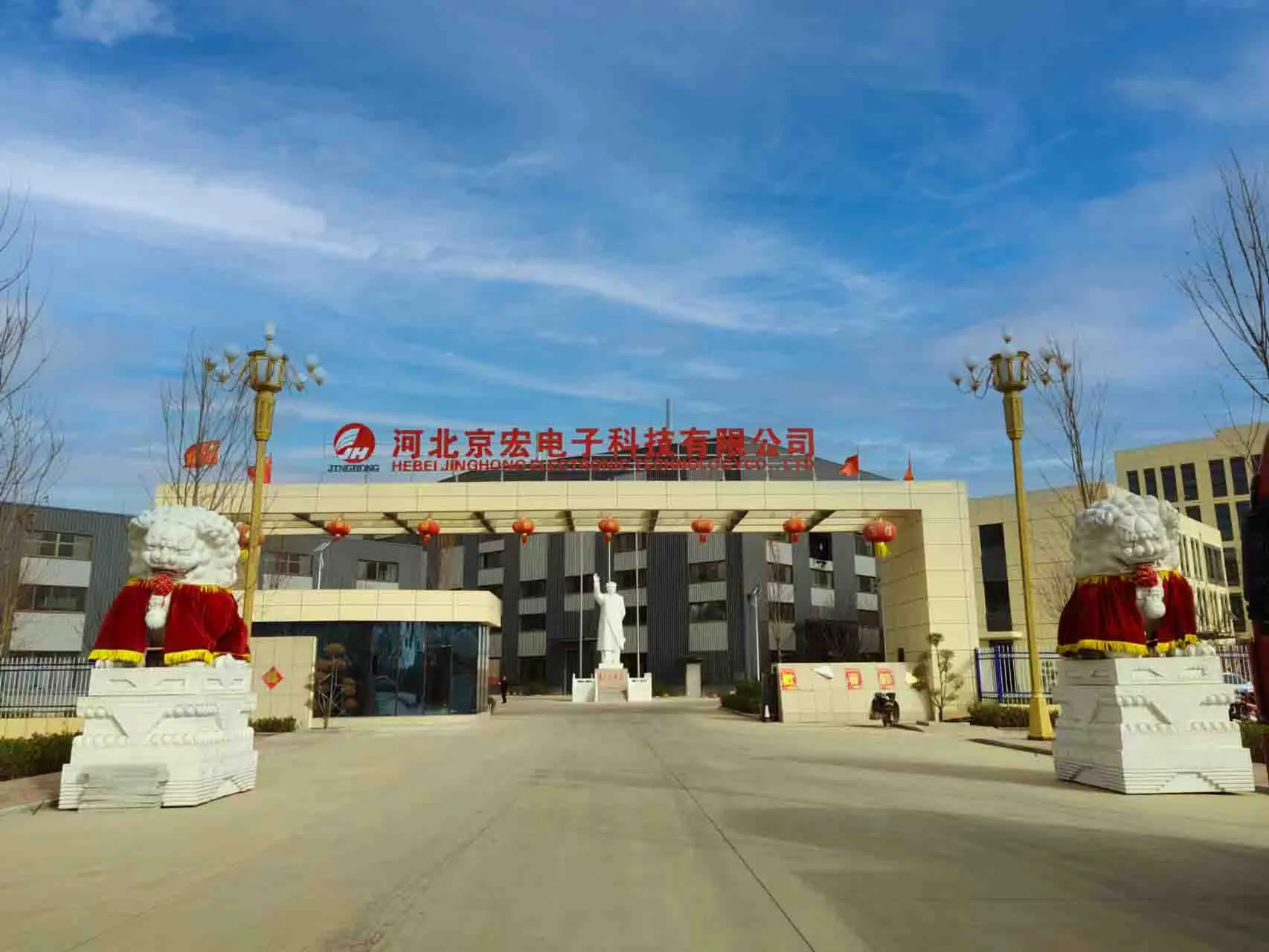
J&Q has been making insulation products for more than 20 years and has been trading internationally for more than 10 years. We use our own ISO-certified quality control system and our own transportation network to make 3526 Phenolic Cloth Laminated Tube products that meet standard and special requirements. Our team is ready to help you whether you need a sample, a large order, or a part that is specifically made for you. You can start your question right away by emailing us at info@jhd-material.com or going to blog.jhd-material.com.
References
1. IEEE Electrical Insulation Magazine — IEEE, 2021
2. Handbook of Thermoset Plastics — William Andrew Publishing, 2014
3. GB/T 5132: Test Methods for Laminated Tubes Made of Thermosetting Resin — Standardization Administration of China, 2019
4. NEMA LI 1: Industrial Laminated Thermosetting Products — National Electrical Manufacturers Association, 2020
5. Plastics Technology Handbook — CRC Press, 2018
6. Journal of Applied Polymer Science: Phenolic Resin Composites in Electrical Insulation — Wiley, 2022
Get a complete product list and quotation
J&Q New Composite Materials Company