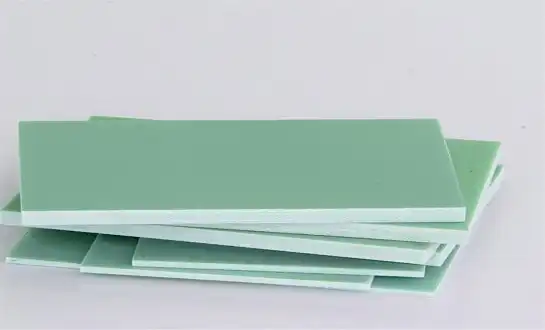
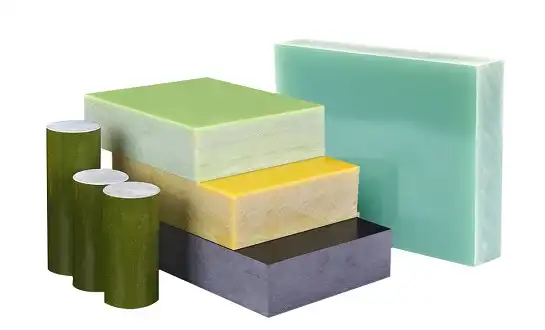
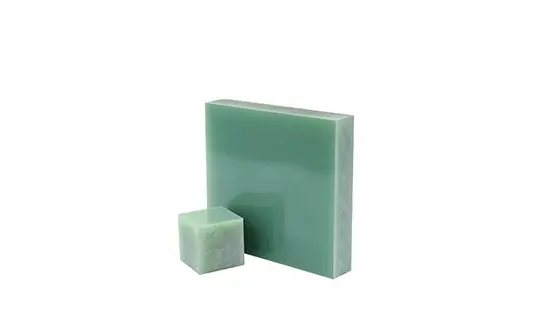
3240 Epoxy Resin Glass Fiber Laminated Sheet for Transformer and Switchgear Insulation
When engineers and procurement specialists search for a dependable insulation material for transformers and switchgear, one material comes up consistently: the 3240 Epoxy Resin Glass Fiber Laminated Sheet. This thermoset composite, built from alkali-free glass fiber cloth impregnated with an epoxy-phenolic resin blend and hot-pressed at approximately 155°C, delivers a rare combination of electrical, mechanical, and thermal performance. Whether you are sourcing for high-voltage phase barriers, arc-resistant tap changer components, or structural insulation spacers, this guide gives you the technical depth and procurement clarity you need before placing an order.
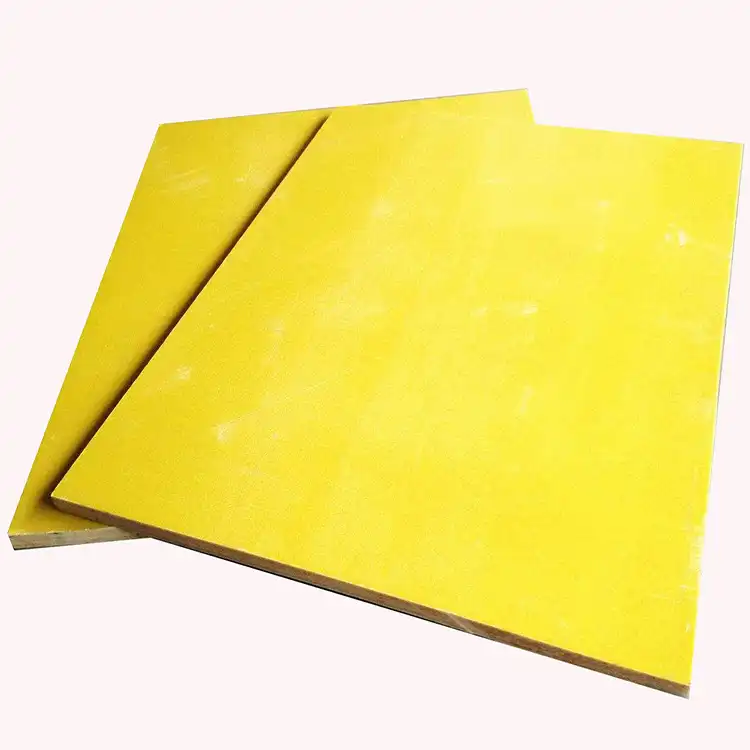
Understanding 3240 Epoxy Resin Glass Fiber Laminated Sheet
What It Is and How It Is Made
The number 3240 is in line with the Chinese national standard GB/T 1303.1, and it belongs to insulation classes B to F, based on the type of plastic used. The process starts with choosing woven glass fiber cloth that is free of alkalis. This is then filled with a special epoxy-phenolic resin system. It is stacked, pushed under controlled pressure, and cured at high temperature to make a stiff laminate with no holes. This managed process makes sure that the tolerances for thickness, surface flatness, and dielectric performance are the same from batch to batch. These are important factors for engineering procurement teams.
Key Material Properties
The finished sheet is naturally yellow, and you can get it from Jinghong in thicknesses between 0.3 mm and 100 mm. The standard sheet size is 1020 mm by 2020 mm. For OEM needs, custom measurements are available. These are the main qualities of the material that make it useful for tough jobs:
- Dielectric strength: Offers high breakdown voltage, reducing the risk of electrical tracking in high-voltage assemblies.
- Thermal stability: Maintains dimensional integrity at continuous operating temperatures up to 155°C, with no significant delamination or warping under sustained heat exposure.
- Flexural and tensile strength: Withstands mechanical load in vibrating or rotating machinery environments, such as motor stator spacers or transformer lifting lugs.
- Chemical resistance: Compatible with transformer oil, common industrial solvents, and moisture-laden environments, extending service life in submerged or wet-contact applications.
Because of these qualities, it is a good choice for use in power infrastructure, industrial machinery, and electronics manufacturing.
Governing Standards
Internationally recognized standards are used to check the quality of the product. For quality control, Jinghong's epoxy glass laminate sheets meet ISO 9001, UL 94, and ASTM D709 standards. They are also classified as flammable and electrically protective. These certifications lower the risk of not following the rules and give procurement teams a quality record that can be checked.
Performance and Advantages for Transformer and Switchgear Insulation
Thermal and Electrical Reliability
In transformer assemblies, insulation materials are either always in hot oil or are subject to repeated cycles of high and low temperatures. The thermoset structure in the 3240 Epoxy Resin Glass Fiber Laminated Sheet doesn't get soft when it gets hot as thermoplastics do. This means that phase dividers and coil supports will keep their shape even after years of use. Its high dielectric constant stability across temperature ranges also prevents voltage breakdown, which is a type of failure that shortens the time between transformer repair intervals.
Mechanical Durability Under Load
In switchgear settings, insulation parts are subject to arc flashes, vibrations, and repeated mechanical cycles. Because it is made with glass fibers instead of phenolic paper, this type of laminate is stronger when it bends than other types. It doesn't crack under contact pressure when used for bus bar spacers or supports for tap changers, which is something that procurement engineers often point out as a weakness with lower-grade alternatives.
Comparison With Alternative Laminates
Not every epoxy glass laminate is the same. When it comes to long-term heat above 130°C, the 3240 grade is clearly better than the 3313 type, which uses a different plastic system that works best for lower thermal class applications. Phenolic cotton laminates are cheaper, but they don't fight wetness or provide dielectric strength as well. For transformer and switchgear insulation where failure could have major effects, the 3240 grade's consistent performance supports its place in the standard.
Application and Installation Guidelines
Primary Industrial Applications
In power and industrial areas, the 3240 epoxy laminate sheet is used in a number of important ways. These are the most common ways that deployments happen:
- High-voltage switchgear: Machined into phase barriers and arc shields where the material must resist arcing and maintain structural rigidity under thermal cycling.
- Transformer components: Used for tap changer supports, coil insulation spacers, and lifting lugs submerged in hot transformer oil.
- Motor and generator parts: Applied as slot wedges and stator insulation spacers in heavy electric motors where centrifugal forces and vibration are present.
- PCB industry jigs and fixtures: Serve as carrier pallets for flexible circuit board drilling operations, valued for hardness, flatness, and tolerance stability under repeated CNC machining.
In these situations, using a lower-quality material directly raises the need for upkeep and the chance of accidents.
Cutting, Drilling, and Mounting Best Practices
When epoxy glass laminates are machined on a CNC, fine glass fiber dust is made. When cutting and drilling, use carbide-tipped tools, the right extraction, and personal safety equipment. When using a transformer, cut edges should be sealed or coated in places where oil will be present to stop edge wicking. When fixing as a barrier panel, make sure the bolt torque doesn't go over the material's compressive limits. Too much torque causes micro-cracking, which over time hurts the dielectric performance.
Maintenance and Lifecycle Monitoring
Check installed laminate parts on a regular basis for surface darkening (which could mean heat overload) or tracking marks on the surface (which could mean dielectric stress). Early detection lets replacements be planned before they break. Jinghong's standard box packaging keeps 3240 Epoxy Resin Glass Fiber Laminated Sheet sheets flat during shipping, which lowers the chance of stock that is twisted and makes installation harder in the field.
Procurement and Supplier Considerations for Global B2B Clients
Evaluating Supplier Credentials
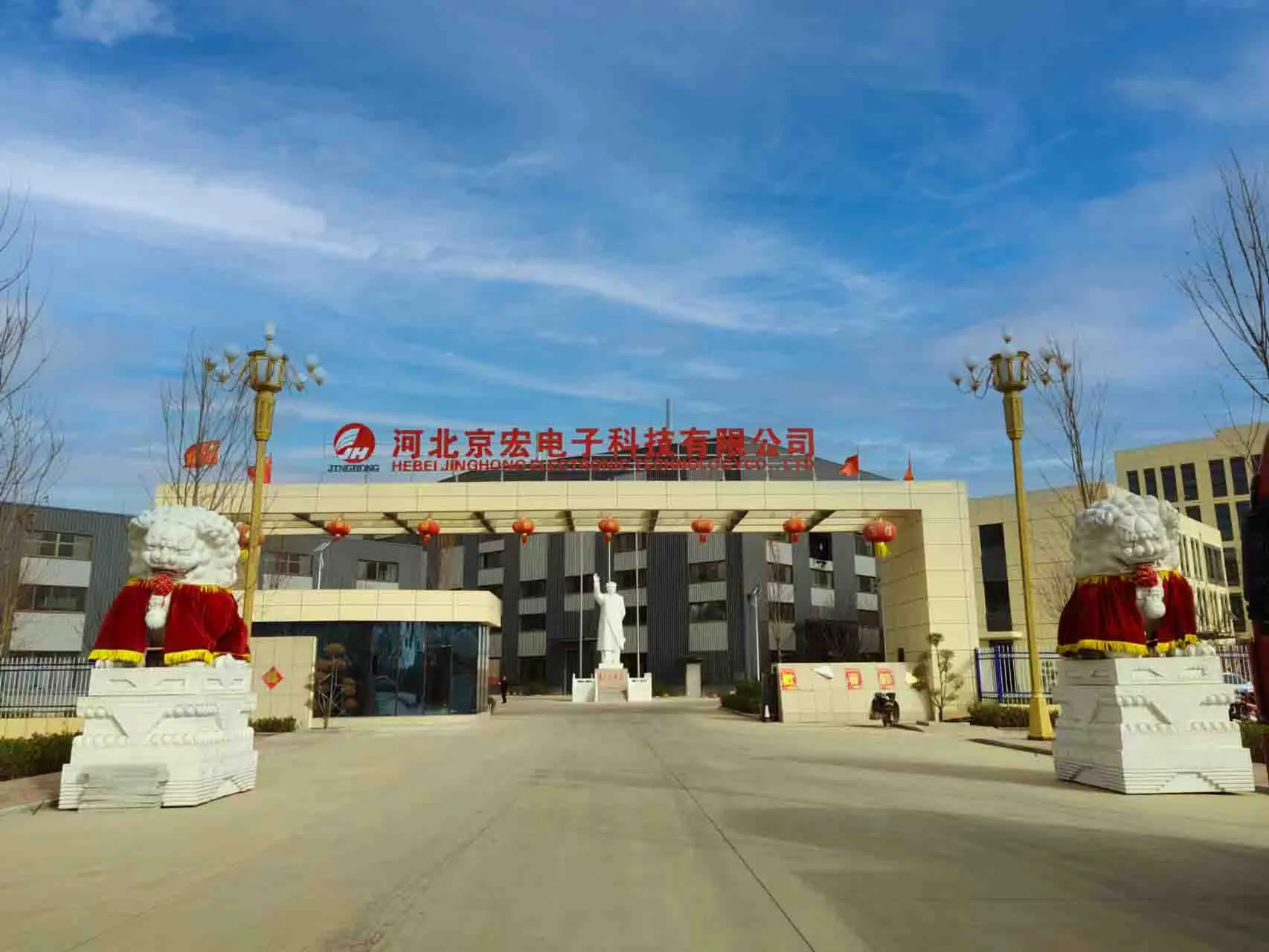
When looking for epoxy glass laminate on a commercial scale, the first things that you should look at are the supplier's past certifications and how much they can make. Jinghong, which is part of the J&Q New Composite Material Group Co., Ltd., makes 43,000 tons of insulation sheet every year, so buyers who buy in bulk can always get what they need. The team has more than 20 years of experience making products and more than 10 years of experience trading with other countries. They know what paperwork is needed for both U.S. and European buying processes. J&Q also has its own transportation business that lets customers move by sea, land, or air through a single relationship.
Ordering Parameters and Customization
The smallest amount you can order is 500 kg, and you can pay by T/T. The standard sheet size is 1020 mm × 2020 mm, but special sizes can be made to cut down on waste in large-scale cutting jobs. OEM service is offered for buyers who need exact thickness tolerances, surface finish requirements, or color coding to make it easy to find a unit. By working directly with technical procurement teams, Jinghong can make sure that the production parameters are set up to meet the needs of each project before the first shipment.
Logistics and Lead Time Transparency
When making an inquiry, international buyers should make sure they know how long the lead time will be. This is especially important when ordering custom thicknesses that aren't in the standard range of 0.3 mm to 100 mm. Long ocean freight lines are safer when sheets are packed on pallets. Having a supplier who can handle logistics directly takes away the risk of relying on a third party to coordinate freight and makes customs paperwork easier.
Technical Support and After-Sales Services
Documentation and Compliance Support
With every sale, Jinghong sends safety data sheets, material test results, and certification paperwork. Having verified test data on dielectric strength, thermal classification, and flammability rating cuts down on the time it takes to prepare for audits and improves seller qualification records for procurement teams that work in controlled industries like automobile or power distribution.
Warranty and Post-Sale Responsiveness
After-sales support includes claims for material non-conformance, such as thickness variations that are outside of the agreed tolerance and surface defects that were found during the delivery inspection. If you email the technical team directly at info@jhd-material.com, problems will be fixed right away, which is important when production plans depend on having the right materials on hand.
Conclusion
The 3240 Epoxy Resin Glass Fiber Laminated Sheet is still a reliable insulator material used to make transformers, put together circuits, build industrial machinery, and protect power lines. Its ability to stay stable at high temperatures, have a high dielectric strength, and last a long time mechanically addresses the main failure modes that engineers try to keep high-voltage equipment from experiencing. Buying from a company whose certifications have been checked, whose annual output stays the same, and whose processes can be handled directly lowers the risk of buying something. The specifications and support structure that Jinghong offers through J&Q are a useful and well-known choice for engineering managers and technical buyers looking for a new supplier of insulation materials.
FAQ
How does 3240 differ from 3313 epoxy glass laminate?
The 3240 grade has a higher thermal class than the 3313 grade because it uses an epoxy-phenolic resin system that can work continuously up to 155°C.
Is this laminate compatible with transformer oil?
Yes. The epoxy glass laminate doesn't break down when it comes into contact with or is covered in transformer oil. This is one reason why it is used for coil spacers and supports for tap changers inside oil-filled transformers.
How do I verify product quality before full-volume ordering?
Ask for test results on the material that include its dielectric strength according to ASTM D149, its flexural strength according to ASTM D790, and information on its temperature classification. Suppliers with ISO 9001 certification can be even more sure that quality controls are always being used in production.
What thicknesses are available from Jinghong?
The thickness of this epoxy glass laminate that Jinghong makes ranges from 0.3 mm to 100 mm. Custom thicknesses can be made through OEM agreements, and orders must be at least 500 kg.
Can the sheet be CNC machined to tight tolerances?
Yes. The material works reliably with carbide tools and has tight size limits, so it can be used to make precision-cut parts like jig plates, slot wedges, and spacers.
Partner With J&Q for Your Next Epoxy Glass Laminate Order
The 3240 Epoxy Resin Glass Fiber Laminated Sheet is sold by J&Q New Composite Material Group Co., Ltd. to businesses all over the world and in North America. We are a reliable supplier of 3240 Epoxy Resin Glass Fiber Laminated Sheet for both standard and custom needs. Our products are ISO 9001 and UL-certified, and we handle all of our own logistics. We have been in business for over 20 years and can make 43,000 tons of products every year. You can email us at info@jhd-material.com or go to blog.jhd-material.com to get a price or talk about the details of your project.
References
1. IEC 60893-3-2 — Insulating Materials: Industrial Rigid Laminated Sheets Based on Thermosetting Resins for Electrical Purposes, International Electrotechnical Commission, 2003.
2. ASTM D709 — Standard Specification for Laminated Thermosetting Materials, ASTM International, 2017.
3. ASTM D149 — Standard Test Method for Dielectric Breakdown Voltage and Dielectric Strength of Solid Electrical Insulating Materials, ASTM International, 2020.
4. Brydson, J.A. — Plastics Materials, 7th ed., Butterworth-Heinemann, 1999.
5. Harper, C.A. — Handbook of Plastics Technologies, McGraw-Hill, 2006.
6. IEEE Std C57.12.00 — IEEE Standard for General Requirements for Liquid-Immersed Distribution, Power, and Regulating Transformers, IEEE, 2015.

Get a complete product list and quotation
J&Q New Composite Materials Company