3021 Phenolic Paper Sheet Enables Cost-Effective Industrial Applications
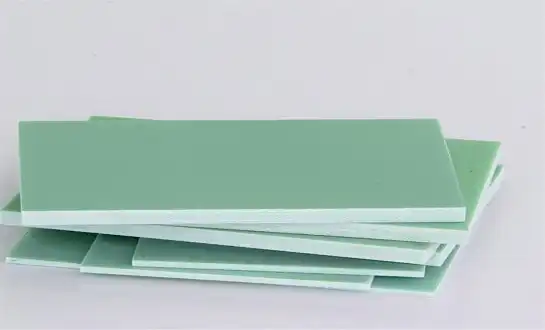
When procurement teams across electrical manufacturing, power distribution, and industrial machinery sectors search for reliable insulation materials that balance performance with budget, phenolic paper laminate consistently rises to the top of the shortlist. The 3021 Phenolic Paper Sheet — available in characteristic orange or black — is a thermosetting laminate produced by impregnating insulating kraft paper with phenolic resin, then consolidating it under heat and pressure. With a density of 1.33 g/cm³, bending strength of 168 MPa perpendicular to laminations, and insulation resistance after soaking reaching 2.1×10⁸ Ω, this material delivers verifiable performance at the lowest cost point within the phenolic laminate family.

Understanding 3021 Phenolic Paper Sheet: Properties and Manufacturing
Composition and Technical Specifications
The structure of the sheet starts with carefully chosen shielding paper that is soaked in phenolic resin. This is then hardened by baking and pressing it hot under controlled conditions. This method creates a hard, dimensionally stable laminate that is classed as thermal Class E (120°C). This means that it can be used to insulate electrical parts in motors, control panels, and transformer oil.
The phenolic paper laminate that JingHong makes comes in thicknesses between 2 mm and 100 mm. The normal sheet size is 1040 mm × 2080 mm, but special sizes up to 1220 mm × 2440 mm can be made. The factory can make up to 13,000 tons of goods every year, which is enough to meet the needs of both high-volume OEM projects and tight buying cycles.
Some important checked technical parameters are:
- Water Absorption: 115 mg (GB/T 1303.2-2009), indicating controlled moisture uptake suitable for oil-immersed environments
- Vertical Layer Breakdown Voltage: 2.7 kV/mm at 90°C in 25# transformer oil — confirming dielectric reliability under thermal stress
- Parallel Layer Breakdown Voltage: 11.8 kV under the same test conditions, meeting switchgear insulation benchmarks
- Bending Strength Perpendicular to Laminations: 168 MPa, enabling use in load-bearing structural insulation roles
- Adhesive Strength: 3,438 N (GB/T 1303.6-2009), reflecting inter-laminar cohesion essential for machined components
These data points have been tested to meet Chinese national standards that are the same as IEC 60893-3-4 (type PFCP201). This gives engineers a technical basis that they can check.
Applications and Industrial Use Cases
Where Phenolic Paper Laminate Delivers Real Value?
3021 Phenolic Paper Sheet is used by electrical and electronics companies to make motor slot wedges, PCB support boards, insulation washers, and switchboard panel covers. Because it is anti-static and has an average dielectric strength, it works especially well in low-voltage insulation assemblies where epoxy glass laminates would be too expensive.
Transformer makers use the stuff to make coil insulation, arc barriers, and oil-immersed insulating bushings for use in power and energy settings. Electrical engineers can use the sheet with confidence in submerged or oil-cooled setups because it is more resistant to transformer oil than other materials. This was proven by breakdown voltage tests that were done directly in 25# transformer oil.
Builders of industrial machinery use this material for making mechanical spacers, gears, and structural parts that don't break down easily. It can be used instead of more expensive composite materials in moderate-duty mechanical uses because it is stiff, has a high compression strength, and doesn't wear down easily when it's loaded.
It is also used by companies that make home appliances in motor brackets, insulation frames, and thermal separation parts, where low cost and consistent production are more important than high thermal ratings.
Compared to epoxy glass laminates (FR4), phenolic paper laminate can save you a lot of money on materials while still providing good shielding for Class E uses. Compared to mica or ceramic insulators, it is much easier to machine, which cuts down on CNC tooling time and part rejection rates.
Comparison Guide: 3021 Phenolic Paper Sheet vs. Alternative Materials
Selecting the Right Laminate for Your Application
FR4 epoxy glass, cotton phenolic (canvas-based), and mica sheets are often put up against phenolic paper laminates by procurement managers. Each material has its own level of performance and cost.
Because 3021 Phenolic Paper Sheet is better at resisting moisture and has a higher dielectric strength, FR4 epoxy glass is the best choice for multilayer PCB substrates and high-frequency electronics. Its price per kilogram is, however, much higher, and Class E temperature ratings are sufficient for structural insulation parts in transformers or switchgear, so FR4 is not needed.
Cotton phenolic laminates, like the 3025 grade, are better for making thick mechanical parts because they can handle more impact and are easier to machine. However, they tend to absorb more water and have lower electrical insulation values than paper-based phenolic grades.
Mica-based insulators work well in places with temperatures above 200°C, but they are fragile, hard to make, and too expensive for big structure parts.
The value tier is made up of phenolic paper laminate, which has good oil protection, good electrical insulation, and the lowest cost per unit area in the phenolic family. With temperatures staying within Class E limits and humidity levels being mild, this is the smart pick.
When purchasing from providers, teams should make sure that they follow GB/T 1303 or a similar IEC standard, offer thickness limits, allow OEM customization, and have recorded factory quality systems.
Procurement and Ordering Guide
Sourcing Phenolic Paper Laminate at Scale
JingHong helps businesses buy from each other by letting them place trade and bulk orders with a minimum order amount of 500 kg. Standard sheet sizes are shipped quickly, and custom sizes up to 1220 mm x 2440 mm can be made with agreed-upon lead times. You can pay with T/T, and shipping options include ocean freight, land transport, and air freight, based on how quickly you need it and how much it is.
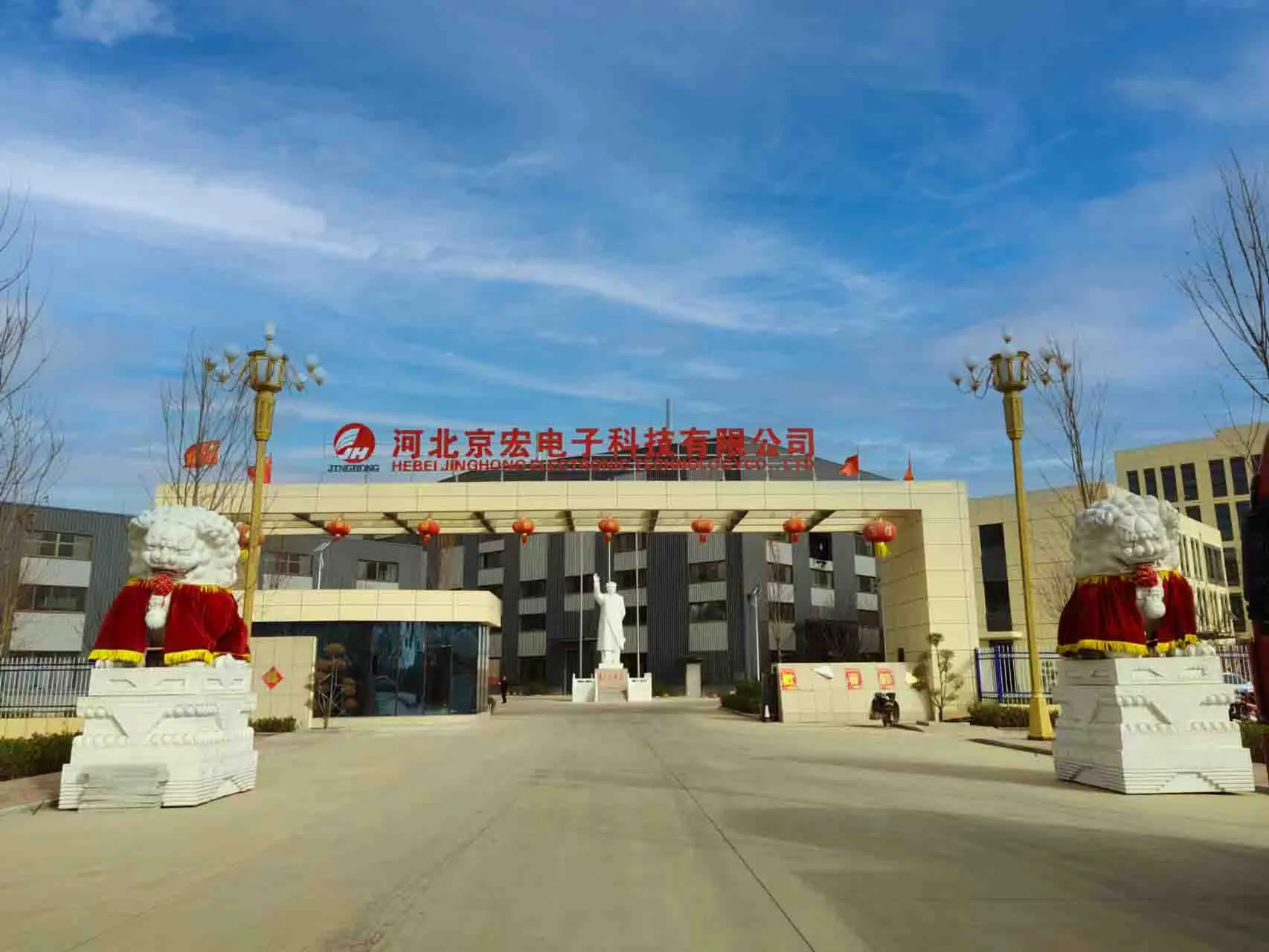
With more than 20 years of experience making 3021 Phenolic Paper Sheet insulation materials and more than 10 years of direct foreign trade, JingHong has built relationships in the supply chain that make delivery dates reliable. The company runs its own transportation network, which means it can provide a true "one-stop service" from production to final delivery. This is a big benefit for buying teams that have to keep projects on time.
Standard protective box designs are used in packaging to keep sheets from warping or getting damaged on the surface while they're being shipped. This is important for keeping the right dimensions when they arrive.
Best Practices and Handling Tips
Protecting Material Integrity from Storage to Installation
When kept incorrectly, phenolic paper laminates slowly soak up water. Sheets should be kept in dry, covered places that are out of direct sunlight and where the humidity doesn't change often. In wet places, storing things on pallets with desiccant packs makes the shelves last longer.
Standard CNC tools for cutting, drilling, and sawing work well on this material when it comes to machining. Tooling with a carbide tip stops edges from chipping on thicker pieces. When operators are cutting, they should use dust extraction because phenolic dust requires standard respiratory precautions according to safety rules at work.
When bonding or putting things together, making sure the mating surfaces are clean and dry before adding glue makes the laminate's already strong adhesive strength (3,438 N per test data) even stronger. Edge grain takes water more easily than laminated faces, so don't leave polished edges wet for a long time before installing them.
Conclusion
3021 Phenolic Paper Sheet has been used for decades in industrial insulation because it solves a simple problem: it gives reliable Class E electrical insulation and good mechanical performance at the lowest cost that can be justified. This material is versatile and doesn't cost a lot. It can be used for a lot of different things, from switchgear panels to transformer oil barriers to motor slot liners. Verified technical specs, a large production capacity, and integrated transportation make JingHong a reliable sourcing partner for U.S. procurement teams that want to get quality goods at low prices.
FAQ
What thicknesses are available for phenolic paper laminate sheets?
JingHong's phenolic paper laminate is available in thicknesses ranging from 2 mm to 100 mm, covering the dimensional requirements of most electrical insulation and structural applications.
Can this material be used submerged in transformer oil?
Yes. Test data confirms breakdown voltage performance conducted directly in 25# transformer oil at 90°C, validating suitability for oil-immersed switchgear and transformer insulation components.
Is custom sizing available for OEM orders?
Custom sheet dimensions up to 1220 mm × 2440 mm are available. JingHong supports OEM procurement programs with agreed specifications and consistent batch quality across large production volumes.
What is the thermal classification of this laminate?
The material is rated Class E, corresponding to a continuous operating temperature of 120°C, appropriate for motors, switchgear, and transformer insulation within those thermal limits.
How does this material compare to FR4 for cost-sensitive applications?
For applications operating within Class E thermal limits and moderate humidity environments, phenolic paper laminate delivers adequate insulation performance at a materially lower cost per unit than FR4 epoxy glass laminate.
Request a Quote from J&Q — Your Trusted 3021 Phenolic Paper Sheet Supplier
J&Q connects business-to-business buyers with JingHong's verified 3021 Phenolic Paper Sheet supply. JingHong has more than 20 years of production experience, can produce 13,000 tons per year, and has integrated logistics. Our team is ready to give you detailed datasheets and competitive bulk prices, whether you need standard sizes or OEM batches that are cut to your exact specifications. You can email us at info@jhd-material.com or go to blog.jhd-material.com to start your sourcing request right away.
References
1. IEC 60893-3-4: Industrial Rigid Laminated Sheets Based on Thermosetting Resins for Electrical Purposes — Specifications for Sheets Based on Phenolic Resin, Paper, International Electrotechnical Commission, 2003.
2. GB/T 1303.1: Laminated Sheets of Electrical Insulating Materials — General Requirements, Standardization Administration of China, 2009.
3. NEMA LI 1: Industrial Laminating Thermosetting Products, National Electrical Manufacturers Association, 2020.
4. Harper, C.A. (Ed.): Handbook of Plastics Technologies, McGraw-Hill, 2006.
5. Biswas, B. & Rajagopalan, P.: Thermosetting Resins: Properties and Applications in Electrical Insulation Systems, Journal of Electrical Insulation Engineering, 2015.
6. Ku, C.C. & Liepins, R.: Electrical Properties of Polymers: Chemical Principles, Hanser Publishers, 1987.

Get a complete product list and quotation
J&Q New Composite Materials Company