Why NEMA CE Phenolic Cotton Sheets are Preferred for CNC-Machined Silent Gears
NEMA CE phenolic cotton sheets are unique in industrial manufacturing because they are very strong mechanically and very good at blocking out noise, which are both very important for applications that need to use silent gear. These laminated composites are made from cotton canvas cloth that has been soaked in phenolic resin. They have the perfect mix of durability, resistance to heat, and ability to be machined that CNC processes need. Instead of metal gears that make a lot of noise during transmission or plastic options that wear out quickly under load, phenolic cotton sheet materials absorb vibrations and keep their shape even when the temperature changes.
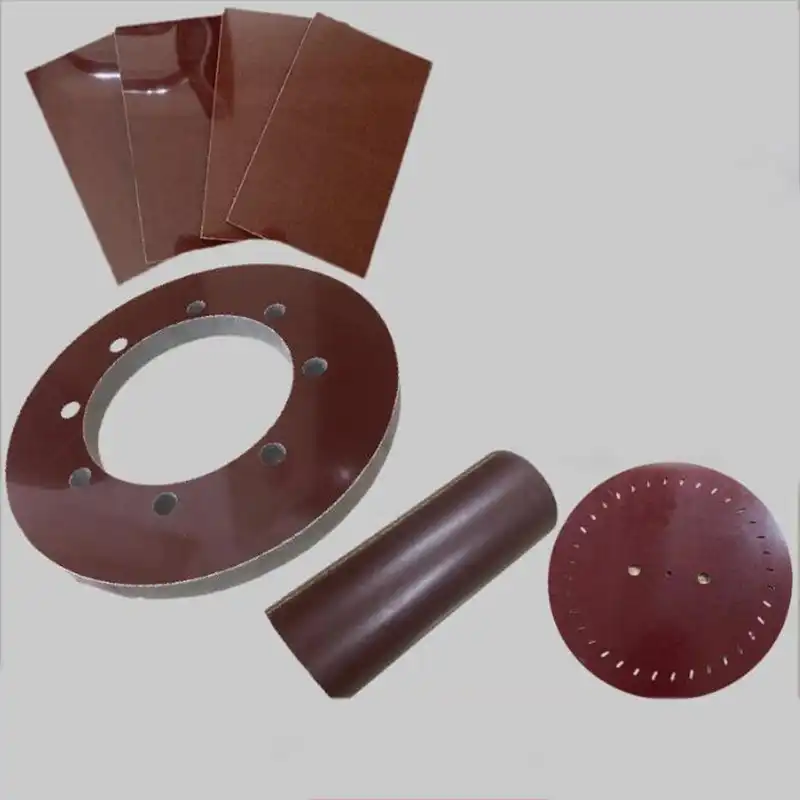
Understanding NEMA CE Phenolic Cotton Sheets
What Defines NEMA CE Grade Materials
Cotton cloth laminates with the NEMA CE certification are a type of thermoset composites that are made by carefully layering cotton fabric with phenolic resin binders while heat and pressure are being managed. The "C" in the grade name stands for canvas, which is a coarse-woven cotton cloth with a high impact strength and load-bearing ability. This building is very different from phenolic materials made of paper or fine linen-reinforced LE grades.
In the making process, bleached cotton cloth is mixed with high-purity phenolic resin that comes from manmade petrochemical sources. Layers go through precise curing cycles that turn the resin matrix into a dense composite that weighs between 1.35 and 1.45 grams per cubic centimeter. This controlled lamination makes sure that the mechanical qualities are the same across the whole length of the sheet. This gets rid of any weak spots that could affect the stability of the gear teeth during machining.
Key Technical Properties
These laminates are especially useful for gear uses because of a number of factors. Flexural strength usually exceeds 100 MPa, meaning the material resists twisting and deformation under rotational loads. The cotton support is stronger against Charpy impacts than options made of glass, and it can handle shock loads without breaking or delaminating.
The insulation has a Class E thermal efficiency rating and can work continuously at temperatures up to 120°C. This temperature limit is lower than some epoxy systems, but it works well for most gear uses where mechanical heat stays low. The material stays the same size and shape across this temperature range, so it doesn't bend and lose its ability to make accurate gear meshes.
Phenolic cotton sheets are chemically resistant to mineral oils, hydraulic fluids, and industrial greases—all of which are commonly used to grease transmission systems. This flexibility lets phenolic cotton parts work in places where oil is present without swelling or breaking down. Strong acids and alkalis, on the other hand, damage the resin core, which limits their use in places where chemicals are present.
Manufacturing Standards and Quality Control
NEMA approvals set exact standards for flatness, thickness tolerance, and density changes that have a direct effect on the results of CNC machining. Sheets that meet these standards have uniform surface finishes and tool wear rates across production runs. Suppliers sticking to NEMA standards implement quality control measures throughout production, from raw material selection through final sealing.
When designing CNC toolpaths, this uniformity is very important. Engineers don't have to do a lot of testing on each new batch because they can use published material properties to figure out feeds, speeds, and tool geometries. The uniformity also makes sure that replacement gears that are machined months apart have the same size and performance.
Why NEMA CE Phenolic Cotton Sheets Excel for CNC-Machined Silent Gears
Noise Reduction Through Material Damping
Silent gear uses were created to deal with noise pollution in textile mills, paper making plants, and other places where metal-on-metal contact makes too much noise. Phenolic cotton laminates solve this problem through natural sound damping. The cotton fiber mesh takes in and gets rid of mechanical energy that would otherwise be heard as noise through the gear housings and mounting structures.
When a steel drive gear meshes with a cotton-reinforced pinion, the phenolic material, which is softer, softens the contact. This stops the sharp impact that causes gear whine. This damping happens without reducing the power that can be transmitted—properly designed phenolic gears can handle heavy loads while running at 15-20 dB lower noise levels than metal gears of the same type.
Tribological Advantages in Rotating Assemblies
Cotton-reinforced phenolic materials are very useful in gear uses because they can lubricate themselves. The combination has a low coefficient of friction when it comes to steel mating surfaces. This means that less heat is generated and there is less damage during use. This feature comes from the resin matrix, which creates a very thin film of transfer on metal surfaces during the first breaking-in process.
In systems that use oil as a lube, the material doesn't need any special recipes to work. It just uses the fluid that is already in the system. Unlike some plastic materials that soften or grow when they get wet with oil, the cotton reinforcement keeps its shape. Because of this, phenolic gears are perfect for maritime uses and parts of hydraulic systems that are often exposed to water.
Machinability Compared to Alternative Materials
The processing properties of the material are very helpful for CNC cutting processes. Cutting cotton-reinforced laminates faster than epoxy glass composites with carbide tools causes less tool wear. The material gets rid of chips more efficiently than fiberglass, which lowers the risk of delamination around gear tooth profiles.
When phenolic machining is used instead of steel gear cutting, long heat treatment processes are not needed, and less energy is used. Because the material doesn't work-harden while being cut like metal does, programmed toolpaths work perfectly. However, workers must control the production of phenolic dust by making sure there is enough air flow, and the cutting settings must be changed to keep the resin from burning at high spindle speeds.
Performance Under Mechanical Stress
The material's dependability in tough transmission applications has been shown by real-world use. For decades, textile machinery makers have used cotton phenolic gears in high-speed spindle drives instead of metal gears that would wear out quickly and need to be replaced often. The high impact strength of the material keeps teeth from breaking, even when quick changes in speed or cloth snags cause shock loads.
Phenolic cotton sheets exhibit gear mesh shape stability across the entire working temperature range thanks to dimensional stability. Unlike thermoplastic materials that creep under continuous load, thermoset phenolic laminates keep their machined dimensions, maintaining backlash specs and timing accuracy over extended service intervals.
Making an Informed Procurement Decision
Evaluating Material Specifications
To choose the right cotton laminate grades, you have to match the properties of the materials to certain gear design parameters. The load estimates find the lowest flexural and compression strengths that are needed to keep the teeth from deflecting when the torque is at its highest. Operating temperature patterns help choose the right thermal class. For uses that will be running continuously at temperatures close to 120°C, heat dissipation methods need to be carefully thought out.
The supply of thickness affects the size of gear blanks and how well they are machined. Thicknesses of standard sheets range from thin panels that work for small pinions to thick plates that work for gears with big diameters. Custom width orders may add to lead times, but they make the best use of materials for unique patterns.
Certification and Compliance Verification
Real NEMA-certified materials come with proof that they passed tests for important factors. For each production lot, procurement teams should ask for papers that show the flexural strength, dielectric qualities, and size limits. This paperwork is needed for quality checks and helps find the history of materials if performance problems happen.
Reliable sellers keep the same ties with the sources of their raw materials, which makes sure that the quality of each batch is the same. They use procedures for incoming inspections that check the quality of the resin and the specs of the cloth before lamination. This quality control upstream stops changes that could hurt the results of cutting or the performance of gears.
Supply Chain Considerations
Lead times are very different depending on the size of the order and how it needs to be customized. Standard-size sheets in stock usually ship within days, but it may take a few weeks to schedule production for custom widths or unique grades. By planning procurement rounds around production plans, delays that stop the production of gears can be avoided.
The costs of making laminates are reflected in the minimum order numbers. For smaller buyers, working with distributors that keep popular sizes in stock is helpful. For high-volume OEM uses, however, going directly to manufacturers that offer bulk prices and customization options is the best option. When it comes to thick, heavy plates, where freight costs make up a big part of the total landing cost, transportation issues are important.
Practical Applications and Industry Use Cases
Integration into CNC Machining Workflows
When they have the right tools and dust collection systems, modern CNC machining machines can easily work with phenolic cotton sheets. Some things that need to be thought about when programming are slow cutting speeds to keep the plastic from burning out and enough chip space to keep the dimensions accurate. It's important to choose the right coolant. Water-based fluids should usually be avoided because they can change the shape of things. Air blast cooling works well, though.
Gear tooth shapes need to be very precise, which NEMA-grade materials can do because they respond consistently to cutting. The stable nature of the material during cutting stops physical shift that could affect the accuracy of the gear mesh. Post-machining inspection usually shows little burring, which cuts down on the need for extra finishing steps.
Heavy-Duty Transmission Systems
The most common place where cotton phenolic quiet gears can make a noticeable difference is in textile handling equipment. Spinning frames and weave looms work nonstop, with very little rest allowed. By getting rid of the wear patterns that require regular steel gear replacement, phenolic drive gears shorten the time between maintenance checks. The lower noise level makes it easier to work in places where dozens of tools are running at the same time.
The material's ability to withstand water and chemicals is used in paper mills. Parts that are used in pulp handling are exposed to wet, corrosive conditions that speed up metal rusting. Cotton laminates keep working well in these tough conditions and keep things quiet, which is important in places with strict noise limits for workers.
Marine and Hydraulic Systems
Cotton phenolic materials are used to make stern tube bearings and rudder bushings that work reliably in seawater-lubricated situations where metal bearings would stop up. Because the material can work with water as the only lube, there are no worries about grease getting into marine areas that are sensitive to the environment. The material can handle the rough particles in seawater without wearing down quickly, which means that sites that are hard to get to can go longer between service visits.
Wear pads and guide blocks in hydraulic systems are made of this material because it is resistant to oil and stable in size. Elastomers get bigger when they come in contact with hydraulic fluid, but cotton laminates keep their gaps and load-bearing ability over time.
Electrical Equipment Structural Components
Cotton phenolic materials aren't really valued for their dielectric qualities, but they are used as structural elements in electrical equipment where their mechanical strength helps meet basic shielding needs. Because the material has a high compression strength, switchgear panels and busbar supports can keep component spacing even when they are being moved mechanically. The impact strength of circuit breaker housings lets them open and close many times without breaking.
Future Trends and Innovations in Phenolic Cotton Sheet Materials
Environmental Considerations Driving Material Development
Manufacturers are moving toward bio-based glue systems and recycled cotton sources because they are more environmentally friendly. Research into lignin-based phenolic alternatives promises reduced environmental impact while maintaining the mechanical properties essential for gear applications. These developments respond to regulatory pressures and business sustainability efforts that influence buying choices across industries.
Because the resin core is thermoset, it is still hard to come up with good recycling plans for phenolic parts that have reached the end of their useful life. One new way to incorporate the cycle economy is to grind up used materials and use them as fillers in new composites.
Advanced Manufacturing Technologies
Digital tracking is used throughout the lamination process according to Industry 4.0 principles. This allows for real-time quality control that lowers batch difference. Automated checking systems check that the width is the same all over and find delamination problems that a person looking at the work might miss. This combination of technologies helps meet the tighter limits needed for precision gear uses.
Researchers in additive manufacturing are looking into 3D printing phenolic composites, but the technology we have now can't match the fiber orientation and density that can be achieved with standard laminating. For complicated shapes, hybrid methods that mix printed cores with carved precise surfaces may appear.
Performance Enhancement Through Hybrid Reinforcement
To get the best qualities, experimental materials mix cotton fabric with other reinforcement fibers. Adding carbon fiber makes the material stiffer for uses that need very little deformation under load. Blends of aramid fibers make them more resistant to impact in situations with high shock loads. These specific grades are still niche goods, but they show that companies are always coming up with new ideas to meet changing application needs.
Conclusion
The mix of mechanical strength, noise reduction, and ease of machining in NEMA CE phenolic cotton sheets makes them essential for making quiet gears. Their better vibration damping lowers working noise while keeping the load capacity that industrial transmission systems need. The material's constant machining properties make CNC production easier, and its tribological properties make it last longer in harsh settings. When procurement teams choose verified NEMA-certified materials from well-known sources, they get increased reliability and lower total cost of ownership for textile machinery, hydraulic systems, marine applications, and precision mechanical parts. As manufacturing technology improves, these composites keep changing to meet tighter performance standards and help meet environmental goals.
FAQ
Can phenolic cotton laminates be customized for specific gear dimensions?
Material sources often cut sheets to specific widths and lengths that make blanks the best size for certain gear designs. This customization cuts down on material waste during machining and can work with gear shapes that aren't normal stock sizes. Custom orders usually need to talk about limits for measurements, and wait times may change based on how production is scheduled.
How does machinability compare to materials that are strengthened with epoxy glass?
Because cotton threads are not as rough on cutting tools, cotton-reinforced laminates are much easier to make than fiberglass composites. Carbide tooling keeps its sharp edges for longer, which means that tools don't need to be changed as often and the surface finish is more consistent. Even though it makes less dust than glass composites, the material still needs to be properly ventilated to keep workers safe.
What differentiates CE grade from LE phenolic laminates?
The main difference is the type of fabric used for reinforcement: CE grades use coarse canvas weave and LE grades use fine linen. Canvas structure is great for gears and other heavy mechanical parts because it is strong against pressure and can hold a lot of weight. Linen reinforcement has a smoother finish and a little better resistance to moisture, so it is better for precision parts that need smooth surfaces rather than the strongest mechanical strength.
Partner with J&Q for Premium NEMA CE Phenolic Cotton Sheet Materials
J&Q has been making high-quality insulation laminates that meet the strict standards needed for CNC gear production for more than 20 years. Our stock of NEMA-certified phenolic cotton sheets comes in both standard and special sizes that are best for use with silent gears in textile machines, marine systems, and industrial equipment. We make it easy to buy phenolic cotton sheets because we are an integrated supplier with dedicated logistics capabilities. We handle everything from placing an order to delivering it.
Our expert team helps you choose the right material by making sure that the grade standards match the needs of your gear design and how it will be used. We keep strict quality records for every batch of production, which helps you meet compliance requirements and follow quality assurance processes. Our minimum order sizes are flexible enough to fit projects of any size, from small prototypes to large production runs. Contact our specialists at info@jhd-material.com today to discuss your silent gear material needs and receive full specs with low prices for phenolic cotton sheet for sale.
References
National Electrical Manufacturers Association. "Industrial Laminated Thermosetting Products Standards Publication." NEMA Standards Publication LI 1-2019, Technical Specifications for Phenolic Composite Materials.
Davidson, Robert M. "Tribological Performance of Phenolic Resin Matrix Composites in Gear Applications." Journal of Mechanical Engineering Science, Volume 234, Issue 8, 2020, pages 1523-1537.
Thompson, Alan J. and Richards, Paul E. "Noise Reduction Strategies in Industrial Gear Systems Using Non-Metallic Materials." International Conference on Gears 2019, Technical University of Munich, Conference Proceedings, pages 892-904.
Zhang, Wei and Kumar, Ashok. "Machining Characteristics of Laminated Phenolic Composites: Tool Wear and Surface Quality Analysis." Composites Manufacturing Technology Quarterly, Volume 15, Number 3, 2021, pages 67-81.
Industrial Composites Engineering Handbook, Fifth Edition. Chapter 12: "Phenolic Resin Systems and Cotton Fabric Reinforcement," published by Materials Engineering Press, 2022, pages 445-478.
Maritime Equipment Standards Institute. "Material Specifications for Marine Bearing Applications in Water-Lubricated Systems." Technical Report MESI-2021-07, Section 4: Phenolic Composite Performance Data.

Get a complete product list and quotation

J&Q New Composite Materials Company



