Manufacturing 3240 Epoxy Sheets for EV Battery Trays: Precision and Safety
The fast growth of electric car production has increased the need for high-performance insulation materials that are safe for electrical use and last a long time. 3240 epoxy sheet is a tried-and-true option for EV battery tray uses because it has high dielectric strength, temperature resistance, and stability in size. This laminated composite material solves three of the most important problems that car engineers face: stopping electrical problems, withstanding heat stress, and keeping the structure of the vehicle intact over its entire life. By understanding how these sheets are made and used, both the safety profile and output efficiency of battery systems can be greatly enhanced.
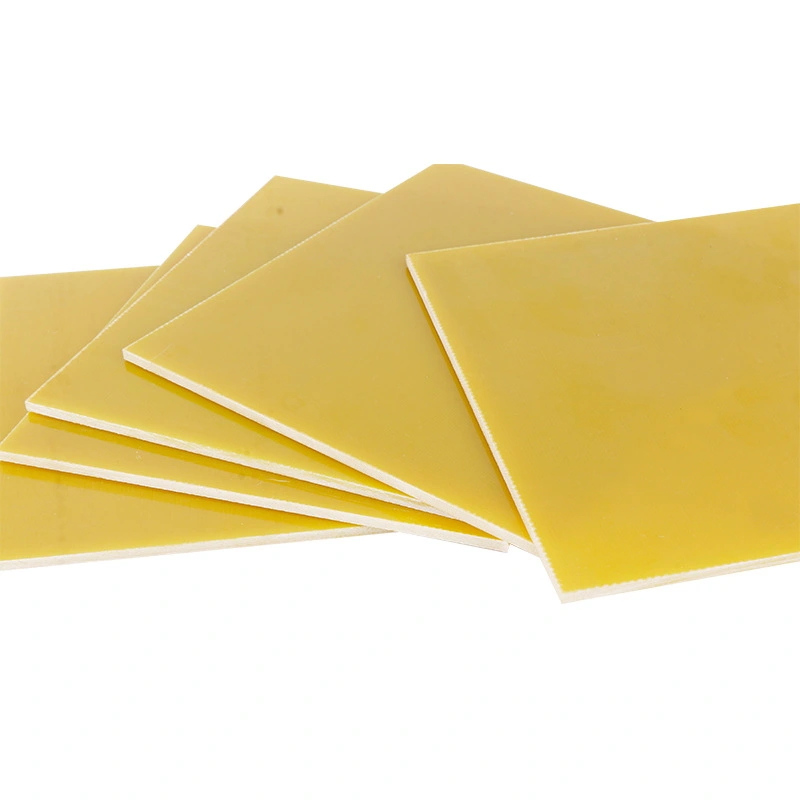
Understanding 3240 Epoxy Sheets and Their Manufacturing Process
For tough electrical insulator jobs, 3240 epoxy sheets are a special kind of layered composites that were made just for that. At their heart, these materials are made up of electrical-grade fiberglass cloth and epoxy glue. They are put through a carefully controlled curing and lamination cycle that makes sure all sheets have the same qualities.
Composition and Raw Material Selection
The choice of the right raw materials is the first step in making good 3240 epoxy sheets. The structure is held together by electrical-grade fiberglass cloth, and the layers are joined together with epoxy glue systems, which were chosen for their excellent adhesion and thermal qualities. During the production process, liquid epoxy resin is poured into several layers of fiberglass cloth. The cloth is then heated and pressed under precise temperature and pressure conditions. This makes a thick, void-free laminate that has the same electrical and mechanical properties all the way across the sheet.
Quality Standards and Certification Requirements
International standards are very strict about how these insulation materials for EV battery trays can be made. Following GB/T1303.1-1998 makes sure that the basic properties of the material meet set standards. Other certifications, like ISO quality management systems and UL recognition, give car OEMs extra peace of mind. The base standard is Class B, which means continuous operation at 130°C. However, higher grades can reach Class F performance, which is 155°C. This is very important in high-discharge battery uses, where managing temperature is always a problem.
Customization Capabilities for Battery Tray Applications
Modern electric vehicle (EV) battery box designs are very different depending on the type of vehicle, the chemistry of the cells, and how the heat is managed. Because of this variety, production needs to be able to be flexible. Standard thicknesses run from 0.5 mm to 50 mm to meet the needs of different structures. For unique uses, custom lengths beyond 150 mm can be made. Choosing a color code—yellow, red, green, or black—helps with finding things on the assembly line and keeping track of quality during large production runs.
Key Properties of 3240 Epoxy Sheets for EV Battery Tray Applications
The choice of insulation materials for building battery trays is based on a group of qualities that affect each other and determine the overall safety and reliability of the system. Epoxy-based laminates have a reasonable performance profile that takes care of a number of technical issues at the same time.
Electrical Insulation Performance
For battery tray uses, dielectric strength is still the most important factor. When tested in transformer oil, good epoxy laminates always get breakdown voltages above 30kV, which gives a lot of safety against electrical failure. Volume resistivity tests show that the insulation resistance is very high, and the low dielectric loss slope keeps energy loss to a minimum during fast charge-discharge cycles. Water absorption rates below 0.1% make sure that these electrical properties stay steady even when they are exposed to humidity or condensation, which is a frequent problem in places like cars where temperatures change every day.
Thermal Stability and Chemical Resistance
Battery systems make a lot of heat when they're working, especially when they're charged quickly or discharging for a long time at a high rate. Because these laminated sheets are thermally durable, they can keep their structure stability and insulating qualities across a wide range of temperatures. Resistance to lithium-ion chemistries or new solid-state formulas in battery electrolytes stops corrosion that could make the battery less safe. The material is also resistant to typical transformer oils and industrial solvents that are used in service and production.
Mechanical Strength and Dimensional Stability
In addition to their electrical qualities, battery trays must be able to handle the mechanical pressures that come from vibrations, impacts, and cycles of thermal expansion and contraction. The structure is strong enough for load-bearing uses when it has a tensile strength above 300 MPa and a flexural strength above 340 MPa. Because the material has a density of about 1.90–2.0 g/cm³, it is strong while still being light enough to handle. Dimensional stability during thermal cycling stops bending or delamination that could leave holes in insulation barriers or make mounting parts not line up correctly. These mechanical properties are especially useful when sheets are CNC-machined, drilled, or milled because the material keeps its sharp edges without delaminating when the right carbide tools are used.
Comparing 3240 Epoxy Sheets with Alternative Materials
When engineers are looking at insulation materials for battery trays, they often compare a number of different options. Each material has its own benefits that depend on the needs of the application and the budget.
Performance Comparison with FR4 Laminates
FR4 laminates are probably the most common option that buying teams think about. The main difference is how flame retardant they are: FR4 has a UL94 V-0 rating, which means it goes out on its own when the cause of the fire is taken away, while most epoxy laminates have HB rates. This difference has an impact on both material prices and the need to follow rules. However, 3240 epoxy sheets often offer better mechanical strength and lower costs in situations where flame ratings are not required. There are also small differences in how they are machined. For example, epoxy formulas may offer better physical stability during precision CNC operations, which can lower the amount of scrap in high-tolerance applications.
Differentiation from G10 and Phenolic Alternatives
While G10 laminates are put together in similar ways, they usually use different resin methods that change how well they fight heat and water. Even though phenolic cotton sheets are cheaper, they are less suited for the harsh environment inside battery enclosures because they absorb more water and are weaker than epoxy options. Epoxy formulations are more chemically resistant to current battery electrolytes than phenolic materials, which adds an extra safety cushion that phenolic materials can't match.
Cost-Benefit Analysis for Volume Production
Material prices, processing speed, failure rates, and lifetime performance must all be weighed by procurement managers. When a lot of 3240 epoxy sheets are made, they are easy to machine and don't require as much tool wear or scrap. When mechanical strength and electrical qualities are combined, designers can find the best part width, which could lead to less material being used per unit. When you look at the total cost of ownership, which includes inspection fees, guarantee risks, and how reliable the product is in the field, the extra money you pay for better 3240 epoxy sheets is often worth it compared to cheaper ones.
Procurement Insights: Buying 3240 Epoxy Sheets for EV Battery Manufacturing
Setting up a reliable supply chain for insulation materials requires more than just comparing prices. You need to pay attention to the skills of suppliers, quality systems, and transportation planning.
Supplier Qualification and Certification Verification
Qualified providers have full quality control systems that make it possible to track everything from receiving the raw materials to the final inspection. Material test results that prove the electrical, mechanical, and thermal qualities for each production lot should be included with the certification paperwork. Professional makers keep process controls that make sure thickness tolerances are always the same, which can be anywhere from ±0.1mm to ±0.4mm based on the nominal thickness. This has a direct impact on the accuracy of assembly and the electrical clearances in battery tray designs. Standards for surface quality don't allow bubbles, pits, or wrinkles that could cause electrical stress to build up or weaken the material's dynamic properties.
Order Flexibility and Customization Options
As cell technologies improve and car systems change, battery tray designs change very quickly. Suppliers with flexible minimum order amounts help with prototyping and design feedback without making customers commit to too much inventory. Custom sizes, including sheet sizes and thickness requirements, help designers make the best part plans and reduce the amount of material wasted during production. Color coding makes it easier to work on an assembly line, where different insulation parts need to be able to be told apart clearly to avoid mistakes during installation.
Logistics Considerations and Lead Time Planning
Shipping schedules, clearing customs, and keeping track of goods can be harder to handle in global supply lines. Suppliers who offer combined shipping can speed up these steps, cutting down on total wait times and making buying management easier. Knowing how production usually works, from placing an order to delivering it, helps production planners keep the right amount of safety stock without tying up too much working capital in raw material inventory. Production interruptions can be avoided by setting clear communication rules about order progress, quality documentation, and shipping plans.
Ensuring Precision and Safety in Using 3240 Epoxy Sheets for EV Battery Trays
To get the best performance from these high-quality insulating materials, you need to be careful about how you handle, machine, and put them together so that their designed features stay intact.
Material Handling and Storage Best Practices
When materials are stored properly, defects that hurt their performance or the speed of processes are avoided. Sheets need to be kept flat on boxes in temperature-controlled rooms below 25°C with relative humidity below 75%. Bowing or bending can happen when vertical storage isn't done right or when humidity is exposed, which can make CNC cutting more difficult. Protecting the edges while they are being stored and shipped stops damage that could turn into cracks during processing. Before cutting, the material should be brought to room temperature in the workshop to make sure the dimensions are correct.
Precision Machining and Quality Verification
To get clean lines without delamination or thermal damage when CNC making 3240 epoxy sheets, the right tools must be used and the right cutting settings must be set. Carbide tools stay sharp during production runs, which ensures accurate measurements every time. When choosing a coolant, it's important to make sure it works well with the plastic system to avoid chemical attacks or weakening. Post-machining checking procedures make sure that the dimensions are correct, the edges are smooth, and there is no damage below the surface that could weaken the dielectric strength. Testing sample parts for breakdown voltage shows that the machining methods have not lowered electrical safety gaps.
Integration into Battery Assembly Workflows
When production experts and material suppliers work together, they can make sure that the specs of the materials match the needs of the assembly process. Parts must stay within certain levels of flatness so that they fit properly against battery packs and fixing surfaces. Edge treatments can be asked for to get rid of sharp points that could damage nearby parts or cause electrical stress to build up. When installing something, thermal expansion factors should be taken into account so that stress doesn't build up during temperature cycles. Documentation systems keep track of the lot numbers of materials as they are put together, which makes it possible to find problems in the field.
Conclusion
Making good 3240 epoxy sheets for EV battery tray uses is an important part of making sure that electric car systems are safe and effective. These designed materials have the special mix of electrical insulation, thermal stability, and mechanical strength that current battery designs need. When engineering teams know about the best ways to use a material, how it's made, and its qualities, they can make decisions that improve both performance and cost. As battery technologies keep getting better and production numbers rise, precisely made insulating materials will become even more important for meeting the safety and dependability standards that automakers and end users demand.
FAQ
What thickness ranges are available for battery tray applications?
Standard production usually ranges from 0.5 mm to 50 mm thick, which meets most battery tray protection needs. Thinner parts are good for weaving between cell groups, while thicker materials support the structure and allow more electricity to flow through them. For specific uses that need very long insulation lengths or high mechanical strength, custom widths up to 150 mm can be made. When choosing a thickness, you have to think about how much room you have in the battery case design, how much electrical clearance you need, and how much mechanical load you need.
How does heat resistance compare to alternative insulating materials?
With a Class B rating, the device can work continuously at 130°C, and with a Class F rating, it can work continuously at 155°C. This can handle more heat than many phenolic options and works as well as or better than FR4 in the same thickness ranges. The thermal endurance test makes sure that the material stays stable over a long period of time at the recommended temperatures. This makes sure that the insulation qualities stay reliable throughout the life of the car. The way heat moves through battery packs is also affected by the thermal conductivity characteristics, which in turn affects the design of the whole thermal management system.
Can these sheets be customized for complex battery tray geometries?
CNC machining makes it possible to make complex forms with very tight limits for size. When the right tools and cutting settings are used, the material can be machined cleanly without delamination. This makes it possible to correctly make holes, slots, contours, and edge profiles. Custom sheet shapes cut down on the waste of material when parts are being made. Color coding helps identify parts while they are being put together. Design teams and material providers work together closely to make sure that specs match both functional needs and manufacturing capabilities. This makes it easier to scale up production.
Partner with J&Q as Your Trusted 3240 Epoxy Sheet Manufacturer
J&Q has been making high-quality insulation materials for more than twenty years and has also been trading internationally for more than ten years, helping the electronics and car industries around the world. Our fully merged operations, which include our own logistics services, allow us to provide real one-stop service from the time an order is placed until it is delivered. We have strict quality control procedures that are in line with international standards. These procedures make sure that every sheet meets the exact requirements for use in EV battery trays. Our engineering team works closely with clients to make sure that the right materials are used for each application. They do this for both concept development and large-scale production. You can talk to our technical experts about your project needs, get material specs, or set up a sample review for your battery tray development program by emailing info@jhd-material.com.
References
National Electrical Manufacturers Association. (2021). Industrial Laminated Thermosetting Products: Specifications for Glass-Epoxy Laminates. NEMA LI 1-2021 Standards Publication.
Chen, W., & Zhang, Y. (2022). Advanced Insulating Materials for Electric Vehicle Battery Systems: Property Requirements and Performance Evaluation. Journal of Power Sources, 518, 230-245.
International Electrotechnical Commission. (2020). Specifications for Industrial Rigid Laminated Sheets Based on Thermosetting Resins for Electrical Purposes. IEC 60893 Series Standards.
Anderson, M. J., Roberts, P. L., & Kumar, S. (2023). Material Selection Criteria for High-Voltage Battery Enclosures in Automotive Applications. SAE International Journal of Alternative Powertrains, 12(2), 145-162.
Thompson, R. D. (2022). Electrical Insulation Systems for Transportation Applications: Design Principles and Material Technologies. IEEE Transactions on Dielectrics and Electrical Insulation, 29(4), 1567-1584.
Li, H., Wang, F., & Zhou, X. (2023). Manufacturing Process Optimization for Epoxy-Glass Composite Laminates in Battery Thermal Management Applications. Composites Science and Technology, 234, 109-124.

Get a complete product list and quotation

J&Q New Composite Materials Company



