Italian buyers are increasingly choosing China's 3240 epoxy sheet because it is so cheap, can be made so well, and always meets quality standards. The prices that Chinese makers charge are reasonable, and they strictly follow foreign standards like UL and RoHS. China is a great place for Italian purchasing managers in the car, industrial, and electrical sectors to get high-performance insulating materials because it has advanced production methods, stable supply chains, and full expert support.
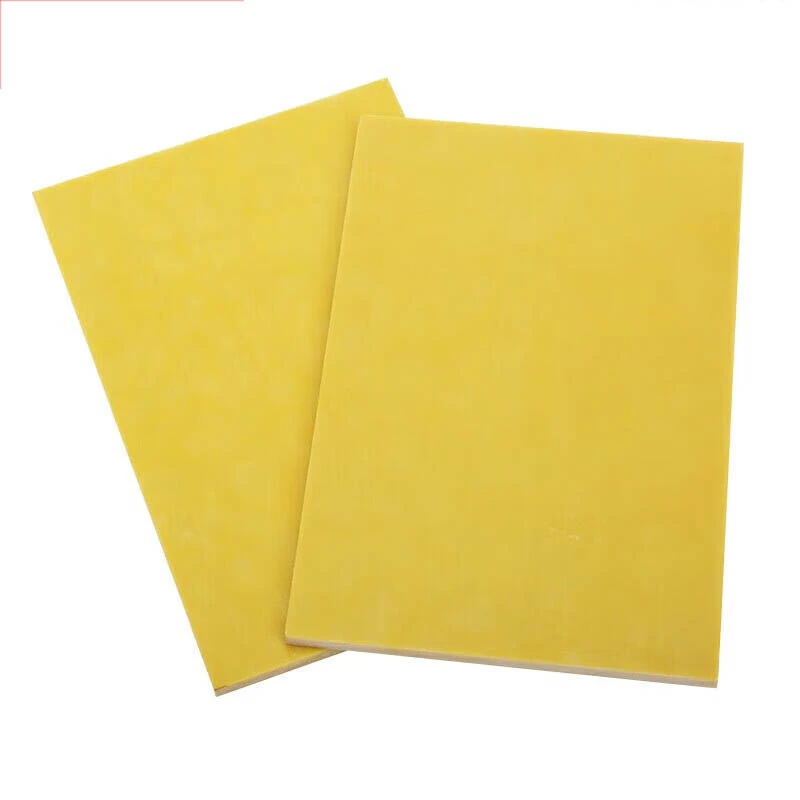
Understanding 3240 Epoxy Sheet Properties and Industrial Applications
The 3240 epoxy sheet is an important material for many current industry uses because it is very good at insulating electricity and meets high performance standards. The dielectric strength of this glass cloth epoxy laminate is usually higher than 16 kV/mm, which makes it essential for making electrical and computer products.
Manufacturers all over Italy know that the material is very thermally stable and can work well at temperatures as high as 130°C. The mechanical qualities include a bending strength of about 380 MPa and great steadiness in terms of size even when the surroundings changes. Because of these features, epoxy laminates are very useful for PCB boards, electrical panels, and precise cutting.
Italian industrial sectors utilize this insulation material extensively. Electronics companies depend on its high machinability to make complex supports for circuit boards, and machinery makers like that it can hold loads for structural parts. The flame-resistant features are used in the car industry for battery management systems and electrical housings, showing how useful the material is in a wide range of situations.
Cost-Effectiveness Analysis: Chinese Manufacturing Advantages
When it comes to economics, Chinese makers offer strong benefits that fit well with Italian buying methods. Because of economies of scale and improved manufacturing methods, production costs stay much lower. This means that buyers can save a lot of money without lowering quality standards.
China's system for making things like 3240 epoxy sheet has changed a lot in the last ten years. These days' factories use high-tech robotics and quality control systems that are on par with European norms. This new technology makes it possible for uniform product specs and shorter lead times, which are very important for Italian makers who have to stick to tight production plans.
Finding sources for raw materials is another benefit. Chinese sellers have direct ties with companies that make glass fiber and epoxy resin. This keeps prices fixed and makes sure that materials are always available. This merging of the supply chain means that end customers can get low prices while the quality of the products stays the same throughout production rounds.
When Italian businesses need a lot of something, volume deals become very appealing. Chinese makers have open price systems that can handle different order sizes, from small samples to large-scale production runs. This lets Italian buyers get the best deal on their purchases.
Quality Standards and Certification Compliance
Chinese companies that make 3240 epoxy sheets have put a lot of money into quality control methods that meet foreign standards. A lot of places keep both ISO 9001 certification and the material certifications needed for electricity uses. This dedication to quality control answers the worries of Italian buyers about dependability and regularity.
Testing facilities in Chinese factories often go above and beyond what is needed. Advanced labs test materials in a wide range of ways, such as by changing temperatures, checking their resistance to damp, and studying how they age over time. These testing methods make sure that products meet strict European standards and provide thorough records that can be used to find out where the goods came from.
Certification compliance for products such as 3240 epoxy sheet is more than just the basic qualities of a material. UL certification, RoHS compliance, and REACH rule compliance show that makers are dedicated to meeting the needs of the European market. Italian buyers get pre-certified materials that make it easier for them to follow the rules and cut down on the time it takes for final goods to reach the market.
Statistical process control and batch tracking systems are two types of quality control tools. These tools give Italian customers detailed information about quality and make it easy to respond quickly to any quality issues. Being open about the quality processes helps build trust and makes it easier to keep suppliers for a long time.
Supply Chain Reliability and Logistics Excellence
Chinese producers have built up complex transportation networks that serve European markets well. Established shipping paths and customs procedures make delivery easier by cutting down on travel times and the chance of delays. Italian sellers gain from shipping dates that they can count on to help them plan their production.
Chinese makers can keep enough stock on hand for common requirements and offer acceptable lead times for unique requirements because they can handle their inventory well. This adaptability is very important for Italian businesses that need to balance the costs of keeping goods with the need to keep making things.
There are many shipping choices in the transport system, from sea freight for big amounts to plane freight for urgent needs. Documentation and customs clearance are taken care of by professional freight transportation services. This makes the process of importing easier for Italian buyers and lowers the administrative load.
Communication methods for products like 3240 epoxy sheet have gotten a lot better, and now there are specialized export teams that speak English fluently and know how to do business in Europe. Italian buyers get quick information and help throughout the buying process thanks to prompt customer service and time zone planning.
Technical Support and Customization Capabilities
Chinese makers offer full expert help that goes beyond just listing the product's specs. Engineering teams offer help on how to use the materials, how to choose the right ones, and how to treat them in a way that meets the needs of Italian manufacturers. This expert cooperation makes the product work better and speeds up the creation process.
Different thicknesses, surface treatments, and measurement tolerances can be used to make the product fit the needs of each application. When normal specs don't work for a certain purpose, manufacturing freedom lets unique sheet sizes, special treatments, and changed formulations be made.
Top Chinese sellers in the Italian market are set apart by the following skills:
When it comes to technology, Italian makers gain from the following:
- Precision Machining Support: Technical teams help with CNC programming and suggest the best tools for getting the best cutting results, which cuts down on waste and makes sure that final parts are the right size.
- Testing Services for Materials: A wide range of testing options are available, including special test methods that confirm the performance of materials under particular working conditions that are important to Italian uses.
- Improvements to the process: Manufacturing experts work with Italian customers to improve the speed and quality of production processes, which leads to fewer problems in later stages of the process.
- Documentation for technology: Italian engineering teams use detailed material data sheets, handling rules, and application notes to help them make new products and make sure they meet quality standards.
These technical skills are very useful for Italian makers because they lower the cost of development and speed up the time it takes to bring a product to market while still keeping high quality standards.
Market Trends and Future Outlook
The market for insulation materials like 3240 epoxy sheet keeps growing because of efforts to use green energy and the rise in the number of electrical devices. Chinese providers are able to scale up production and invest in new manufacturing technologies, which helps Italian companies that work in these growth areas.
New versions of resin improve the qualities of materials while keeping costs low. Chinese producers are constantly working to improve flame protection, higher temperature powers, and mechanical qualities to meet the changing needs of the Italian industry.
Recycling programs and environmental management systems are examples of sustainable production practices in China that are in line with Italy's business responsibility goals. These projects show a long-term dedication to caring for the earth while keeping industrial methods competitive.
Conclusion
Italian buyers prefer Chinese 3240 epoxy sheet suppliers because they are more cost-effective, have higher quality standards, and have a more reliable supply chain. It is very valuable for Italian producers in many different industries to have advanced production skills, full expert support, and prices that are competitive. It has been shown that Chinese providers can meet strict European standards while also being flexible and quick to respond to changes in today's competitive manufacturing environment. As global markets change, the relationship between Italian buyers and Chinese producers is a strategic advantage that helps electrical and industrial uses grow and come up with new ideas.
FAQs
How is 3240 epoxy sheet different from other materials used for insulation?
Compared to other options like phenolic or melamine laminates, the 3240 epoxy sheet is better at keeping electricity from flowing and has better tensile strength. Its glass cloth support keeps its shape and can withstand temperatures up to 130°C for long periods of time. The material is also easy to work with and doesn't catch fire, which is required by UL 94 V-0 standards.
How can people in Italy be sure that the Chinese 3240 epoxy sheets they buy are real and of good quality?
To check the quality, you need to ask sellers for thorough test records, UL recognition papers, and material data sheets. Manufacturers with a good reputation give a lot of paperwork, like safety certificates, data on electricity performance, and tests of the mechanical properties. Before making bigger orders, the qualities of the material can be confirmed by sending samples to independent labs for testing.
How long does it usually take to get 3240 epoxy sheets from China to Italy?
For standard specs, production and shipping usually take 15 to 25 days. For special specifications, it could take up to 30 to 40 days, based on how complicated they are. It usually takes 25 to 30 days for sea freight to get from big Chinese ports to places in Italy. For urgent needs, air freight can cut that time down to 5 to 7 days. To cut down on wait times, established providers keep stock of popular specs.
Partner with J&Q for Premium 3240 Epoxy Sheet Solutions
J&Q has been making and selling insulation sheets, including 3240 epoxy sheet, for more than twenty years and has also been dealing internationally for more than ten years. We can provide high-quality service that meets the strict needs of Italian producers because we have long-term relationships with many business companies in Italy and around the world.
Our combined transportation company offers full-service buying from the first request to the final delivery, simplifying the whole process. This vertical merger gets rid of problems with planning and makes sure that the standard of service stays the same throughout the supply chain. Many of our Italian customers really like how we can handle complicated shipping needs while still keeping our prices low.
As a reliable provider of 3240 epoxy sheets, we know how important it is for Italian industrial uses that materials are always the same and work as expected. Our quality control systems make sure that every package meets your needs, and our expert support team is always available to help with application improvement and fixing problems.
Are you ready to improve the way you buy soundproofing materials? Email us at info@jhd-material.com to talk about your unique needs and find out how our knowledge can help your production processes.