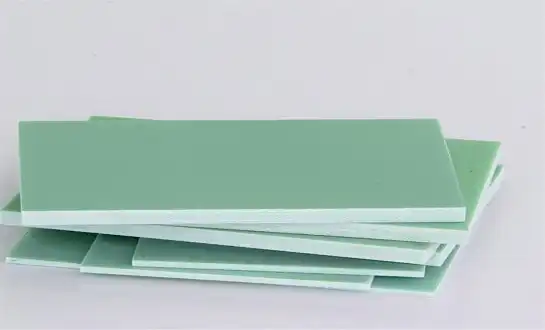
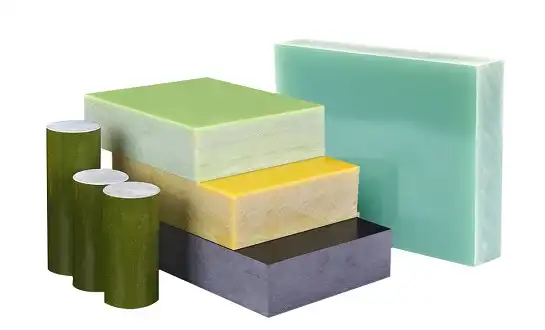
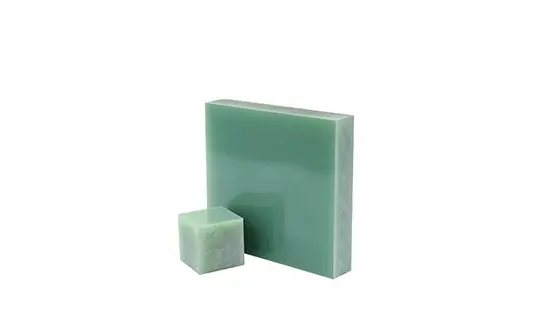
CNC-machined phenolic sheets are an important way to make mechanical parts for a wide range of industry uses. These designed laminates have great mechanical qualities and can be manufactured with great accuracy, which makes them essential in the electrical, automobile, and industrial machinery industries. New phenolic sheet technology works better in tough conditions than older materials, so they can be used in those places. Looking for reliable, high-performance mechanical part solutions? Our detailed guide is just what buying managers, engineers, wholesalers, and original equipment manufacturers (OEMs) need. Knowing how phenolic materials and CNC cutting work together helps you make smart purchasing decisions that improve operations and cut costs.
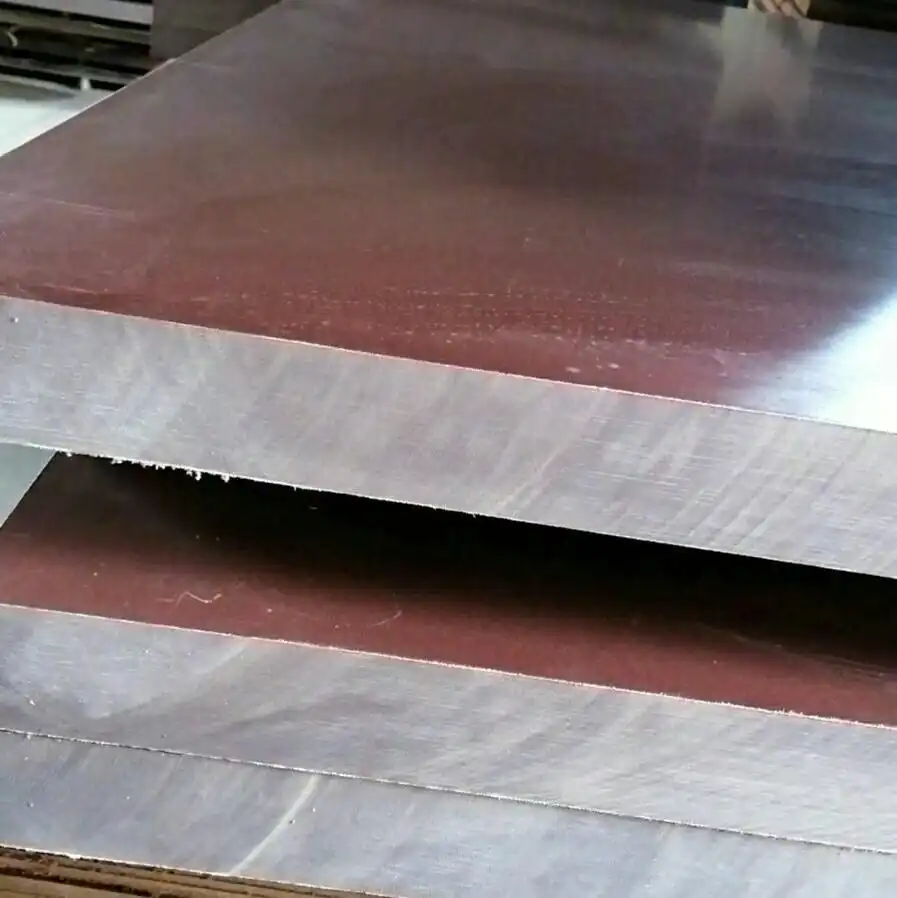
Understanding Phenolic Sheets and Their Mechanical Properties
Phenolic sheets are high-performance designed laminates that are made by carefully injecting phenolic resin into cellulose or cloth bases, then carefully laminating them and controlling the hardening process. The way the product is made makes a thermosetting polymer material that stays very stable in very harsh circumstances.
Material Composition and Manufacturing Process
The carefully controlled manufacturing process is what makes phenolic laminate so good. Paper-based phenolic sheets are made from kraft paper, while fabric-based versions are made with cotton or glass cloth support. The phenolic resin system creates cross-linked polymer chains that are strong against chemical and heat damage. This way of making things guarantees uniform quality and expected performance, which are important for precision mechanical parts.
Key Mechanical Properties
Phenolic laminates are different from other materials because they have unique dynamic qualities. Some of these traits are:
Depending on the type of material, phenolic sheets have a tensile strength of 50 to 80 MPa and a bending strength of 70 to 120 MPa. These materials can handle big loads because their compressive strength is usually higher than 150 MPa. The low thermal expansion rate keeps the shape stable across a wide range of temperatures, and the good electrical insulation qualities make it useful for many computer uses.
Standard types of phenolic sheet can be used in temperatures ranging from -40°C to 120°C because they are thermally insulated. Chemical protection protects parts in tough industrial settings by including acids, alkalis, and organic fluids. When these qualities are put together, they make materials that can be used in a wide range of difficult mechanical component uses.
Comparative Performance Analysis
If you compare phenolic laminates to other materials like plywood, MDF, and melamine board, they work better. Even though plywood is pretty strong, it doesn't have the chemical protection or physical steadiness that is needed for precise tasks. Phenolic materials are stronger and don't absorb water as well as MDF, but MDF has smooth surfaces. Melamine board has a great surface, but it's not very good for structural uses that need to hold a lot of weight.
CNC Machining Phenolic Sheets: Enhancing Precision and Efficiency
CNC cutting uses advanced production techniques to turn phenolic sheet potential into precisely designed mechanical parts. When material science and industrial technology are combined, they can make it possible to make things with complicated shapes and tight standards that weren't possible with traditional methods.
Precision Manufacturing Advantages
CNC cutting makes phenolic sheets much more valuable by letting you make exact, repeatable cuts and complicated shapes. The process gets rid of the factors that can lead to mistakes made by people while keeping quality the same across production runs. Automated tool tracks make sure that the cutting settings are perfect, which cuts down on waste and speeds up production. When making a lot of things, like cars, electronics, and industrial machinery, where tolerance differences can affect how well the parts are put together, it's important that the parts are all the same.
Manufacturing Process Optimization
To successfully use CNC to cut phenolic materials, you need to pay close attention to a few key steps:
Before cutting, the width, surface quality, and internal uniformity of the material are checked. Proper clamping and workholding are part of preparing the material so that it doesn't vibrate during cutting. Carbide or diamond-coated cutting tools that stay sharp while producing little heat are the most common types of tools used. To get the surface finish you want, programming optimization looks at cutting speeds, feed rates, and the amount of water used.
Quality control after cutting a phenolic sheet checks the accuracy of the dimensions, the shine on the surface, and the quality of the edges. These process controls make sure that parts meet the standards of the specifications while keeping production running smoothly. For phenolic machining to go safely, the right dust collection devices must be used to keep the tools safe and the area safe.
Performance Benefits and Case Studies
The usefulness of CNC-machined phenolic parts can be seen in real-life situations. Automakers say that parts made of these materials are 30% lighter than metal options while still keeping their structural integrity. Precision-cut phenolic insulators help electronics companies save 25% on costs by cutting down on the time it takes to put things together. Chemical-resistant phenolic parts used in tough settings help makers of industrial tools stretch service times by 40%.
Making the Right Choice: Phenolic Sheets vs Alternatives for Mechanical Components
Choosing the right material for mechanical parts means looking at a lot of factors, such as performance, cost, and the needs of the particular application. Knowing the pros and cons of different materials helps you make smart purchasing choices that improve the performance of parts and lower running costs.
Comprehensive Material Comparison
On a number of assessment factors, phenolic sheets show better performance traits than traditional options. Melamine board has a nice surface and isn't too weak, but it's not resistant to chemicals, which is needed in industry settings. MDF is easy to work with because it is smooth, but it is sensitive to moisture and doesn't have a lot of structural strength. Plastic laminates are great for decorating, but they can't stand up to the heat as well as phenolic materials can.
Grade Selection and Thickness Considerations
Picking the right phenolic types and sizes requires a thorough examination of load-bearing needs, weather exposure conditions, and the need for physical stability. Paper-based grades are cheaper and better for moderate-stress uses, while fabric-based grades are more durable and better for demanding structure parts. The choice of thickness strikes a balance between the need for strength in the part, the ease of cutting, and the cost of the material.
Environmental factors have a big impact on choices about what materials to use. Standard phenolic grades work great in controlled indoor settings, but for outdoor use, UV-stabilized versions with better weather protection are needed. Chemically exposed areas need special types that are more resistant to certain chemical families. Low-expansion formulas that keep the same size across all operating ranges are good for temperature cycle uses.
Procurement Guide: How to Source High-Quality CNC Machined Phenolic Sheets
Effective buying strategies make sure that you can always get high-quality phenolic materials while keeping costs and delivery times as low as possible. Knowing what suppliers can do, how they handle quality, and how the market changes helps you make smart buying decisions that support business excellence.
Supplier Evaluation Criteria
To find trustworthy providers for a phenolic sheet, you need to look at their quality certifications, production ability, and name in the market. Companies that have been around for a while usually have quality control systems that meet international standards. This makes sure that the quality of their products is always the same and that they can be tracked. Production capacity estimates make sure that providers can meet number needs and keep shipping dates. Some things that show a business has a good image in the market are customer recommendations, industry certifications, and measures of financial security.
Cost Optimization Strategies
Understanding what causes costs is important for making good purchasing decisions and getting the most out of your budget. Standardizing sheet sizes cuts down on trash and costs, and combining thicknesses makes managing supplies easier. Custom specs affect prices by requiring special tools and incurring setup costs. For specialized uses, committing to large orders is a good idea.
When you buy in bulk, you can take advantage of big savings and keep your product holding costs in check. Long-term supply deals keep prices stable and make sure that capacity is allocated even when the market changes. Through smart relationships with storage companies, transportation merging lowers shipping costs while keeping delivery options open.
J&Q: Your Trusted Partner for Premium Phenolic Solutions
J&Q has been making high-quality products for over 20 years and has a lot of experience with phenolic materials. As part of our wide range of services, we can make high-quality phenolic sheets and offer precise CNC cutting for challenging mechanical component uses in many different industries.
Manufacturing Excellence and Capabilities
We have been making and selling insulation products for more than 20 years, and we have also been dealing internationally for over 10 years. This mix helps people really understand world quality standards and what customers want. Our factories use cutting-edge production technologies and strict quality control systems to make sure that the products they make are always the best.
A wide range of products is available, such as basic phenolic sheets in different grades and sizes and custom-made mechanical parts designed for particular uses. The expert team at our company works closely with customers to create the best options that meet their exact performance needs while also being cost-effective.
Integrated Service Solutions
Our "turnkey" service includes customizing products, providing dedicated technical support, and finding efficient transportation solutions that make things easier for our customers. Long-term relationships with trading companies in both the United States and other countries allow for full market covering and quick customer service. Our in-house shipping business offers complete supply chain solutions that make sure deliveries happen on time and at a low cost.
As part of technical support services, you may get help choosing materials, advice from application engineers, and suggestions on how to improve performance. Quality assurance programs make sure that strict testing standards are followed and that all the necessary paperwork is kept to meet customer quality requirements and legal compliance needs.
Conclusion
When it comes to challenging mechanical component uses that need high performance, precise making, and low cost, CNC cut phenolic sheet materials are the best choice. Because they have great mechanical qualities, are resistant to chemicals, and can be machined easily, phenolic materials are important parts in the automobile, electrical, and industrial sectors. In today's tough industrial world, knowing about the properties of materials, how they can be made, and how to get them is key to making smart decisions that lead to operating excellence and a competitive edge.
FAQs
When it comes to fire safety, how do phenolic sheets stack up against other materials?
Because their core is made of thermosetting resin, phenolic sheets are better at resisting fire than wood-based options like plywood or MDF. Because the cross-linked polymer structure doesn't catch fire and doesn't make much smoke when exposed to flame, phenolic materials are perfect for uses that need to be flame resistant.
What about phenolic sheets makes them perfect for CNC machining?
During grinding, phenolic laminates are very easy to work with because they don't chip easily, require little cutting force, and stay the same size. The uniform structure of the material makes it possible to cut precisely and get smooth edges, and the low temperature expansion keeps the material from warping during processing.
Can phenolic sheets be changed to fit the form of a specific mechanical part?
Of course, CNC cutting lets you make any shape you want, from simple forms to complicated three-dimensional parts. Complex cutting lines, multiple processes, and tight limits can all be supported by advanced computer methods, making it possible to meet almost any design need for specialized mechanical uses.
Partner with J&Q for Superior Phenolic Solutions
Find out how J&Q's quality CNC cut phenolic sheets can improve the performance and efficiency of your mechanical parts. As a top producer of phenolic sheets with years of experience around the world, we offer unique solutions that are made to fit your exact needs. Our ability to combine production and transportation makes sure that our supply lines are stable and that our prices are reasonable. You can email us at info@jhd-material.com for expert advice, full specs, and low prices.
References
Industrial Materials Handbook: Phenolic Laminates and Applications, Engineering Materials Research Institute, 2023
CNC Machining of Composite Materials: Best Practices and Quality Control, Manufacturing Technology Journal, Vol. 45, 2023
Mechanical Properties of Phenolic Resin Composites in Industrial Applications, Materials Science Quarterly, Issue 3, 2023
Procurement Strategies for Engineering Plastics and Composite Materials, Supply Chain Management Review, 2023
Comparative Analysis of Insulating Materials for Electrical and Electronic Applications, Electrical Engineering Standards Handbook, 2023
Quality Management Systems for Precision Machining Operations, Manufacturing Excellence Guidelines, 2023