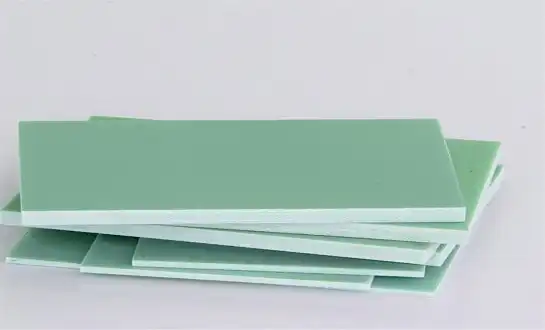
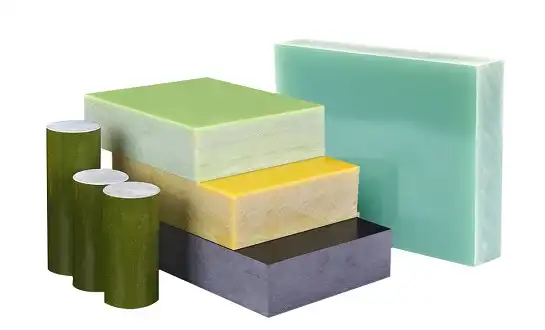
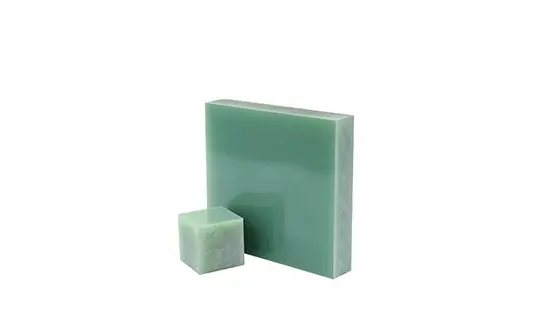
Edge Quality Control in FR4 Sheet Cutting is an important part of making electronics today that has a direct effect on how well the products work and how quickly they can be put together. The FR4 sheet is made up of woven fiberglass cloth and a flame-resistant epoxy resin glue. It needs to be cut with great care so that it keeps its structural integrity and electrical insulation qualities. Delamination, weak dielectric strength, and manufacturing problems caused by bad edge quality can cost makers a lot of time and money. Knowing the basics of edge control helps buying teams find these important materials in the best way possible.
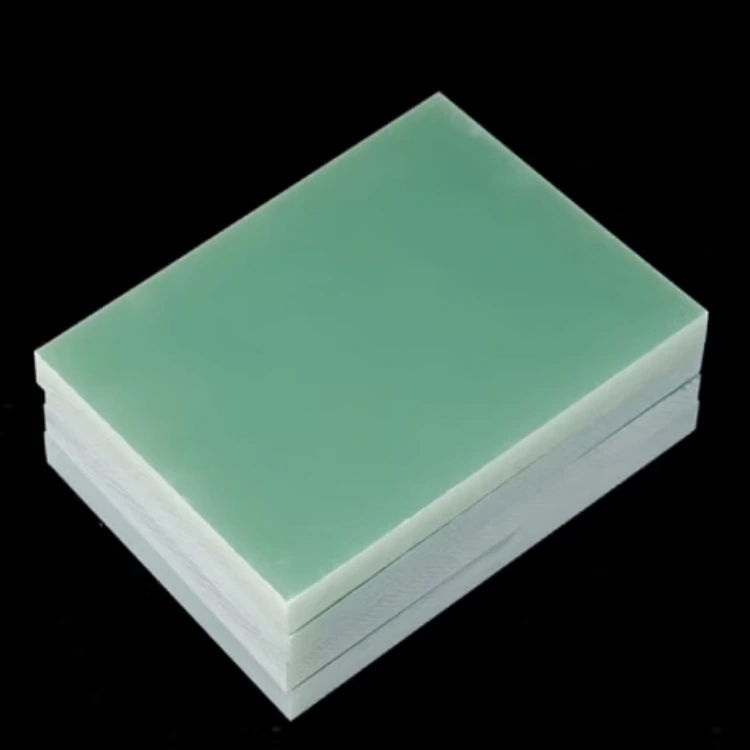
Understanding Edge Quality Problems in Cutting FR4 Sheets
Edge quality problems in fiberglass-reinforced epoxy laminates usually show up as chipping, delamination, rough edges, and burrs that make the material less strong and less able to conduct electricity. These flaws can make it harder to assemble things correctly and lower the trustworthiness of the finished product in PCB manufacturing, car uses, and industrial machinery parts.
Common Edge Defects and Their Root Causes
Delamination happens when the layers of glass fiber separate from the epoxy matrix while it is being cut. This makes weak spots that can spread when the material is stressed. Chips form along the sides of cuts that happen when the shape of the tool is wrong or when the cutting speed is too high and the material can't handle the extra force. When cutting tools get dull or when feed rates aren't constant, rough edges form, which causes the composite material to tear instead of split cleanly.
These problems are mostly caused by worn-out tools, wrong cutting factors like speed and feed, and the material itself, which has qualities like fiber direction and glue content. Because braided glass reinforcement is not uniform, cutting it in a direction parallel to or opposite to the fiber direction needs a different method to get the best results.
Impact on Downstream Manufacturing Processes
Bad edge quality affects more than just the cutting step in the production process. It's harder to put things together when the edges are rough or have threads sticking out that get in the way of placing parts. Electrical performance can go down if there are flaws at the edges that let water in or if broken fibers create stress concentration points that cause cracks when the temperature changes.
When sourcing and engineering teams know about these root causes related to the FR4 sheet, they can better define the processing needs of materials, find the best production settings, and eventually make better products with lower repair costs.
Key Principles of Effective FR4 Sheet Edge Quality Control
To get a great edge, you must first choose the right cutting tools and take good care of them during the whole production process. Diamond and carbide tools are best for composite laminates because they are hard and can keep their sharp cutting edges for a long time.
Tool Selection and Maintenance Strategies
Carbide cutting tools work very well in places where a lot of things need to be made quickly and cheaply. When properly cared for, these tools keep their edges well and can handle the roughness of glass threads better than regular steel tools. Diamond-coated tools are the best choice because they have better edge finish and last longer, but they cost more at first.
Tool geometry plays a crucial role in edge quality outcomes. The cutting angles need to be just right for the grade and amount of epoxy laminate that is being used. When you have sharp cutting edges with the right clearance angles, material is less likely to tear instead of cut neatly.
Cutting Parameter Optimization
Feed rates, blade speeds, and cutting depth all have a big effect on the beauty of the edge. Too fast of speeds can make the epoxy glue soften, which can cause it to smear and have a bad finish. When speeds aren't fast enough, tools may stay in contact with the material for too long, which makes delamination more likely.
Cooling and dust collection systems that work well lower heat damage and edge roughness while keeping workers safe from flying particles. When chips are properly evacuated, they don't have to be cut again, which can lead to surface scratches and errors in measurements.
Visual standards, microscope, and surface roughness measurement tools are used for strict edge checking. This makes sure that standards are met and lowers variation, giving buying teams the confidence they need to find high-quality materials.
Advanced Methods and Technologies in FR4 Edge Cutting
Today's cutting technologies give us more choices than the old mechanical ones, and each has its own benefits for different uses and quality standards.
Laser Cutting Technology
When it comes to complicated forms and small details in an FR4 sheet, laser cutting gives you smoother edges and more accurate cuts than mechanical methods. The focused energy stream makes clean cuts in the material around it with little mechanical stress. But temperature effects need to be carefully managed to keep the electrical properties from changing near the cut edges and the glue from breaking down.
For each thickness and grade of material, the process factors like power density, cutting speed, and choice of help gas must be fine-tuned. If you use too much energy, the epoxy glue can turn into carbon, and if you use too little, the cutting might not be complete or the edges might be rough.
CNC Machining and Precision Control
With precise control and the ability to adapt to changing material circumstances, CNC cutting improves the accuracy of the edges. Modern CNC systems can change the cutting settings right away based on feedback from the load, so the conditions are always perfect during the cutting process.
Cutting with vibration control reduces the amount of mechanical stress that can spread through the plastic structure. Active damping systems and rigid machine design stop tool noise, which would otherwise make the surface of cut edges uneven on a regular basis.
Post-Cut Edge Treatments
Edge treatments done after the cut, like deburring and finishing coats, make the edge last longer and keep electricity from flowing through it. Mechanical deburring gets rid of small pieces and free fibers that could make putting things together difficult or even cause an electrical short.
Adopting these cutting-edge techniques can improve the quality and speed of manufacturing, giving procurement workers answers that are tailored to the needs of the electronics, automobile, and power generation industries.
Practical Case Studies and Industry Applications
Case studies from real life show how edge quality control methods change the results of production in a range of industrial settings and for a variety of purposes.
Electronics Manufacturing Success Story
A big PCB maker had a lot of problems with edge delamination during FR4 sheet component assembly, which led to a lot of rejected boards. Within six months, they cut edge flaws by 75% by switching to diamond-coated cutting tools and putting in place real-time feed rate control. The change increased total production speed while lowering the number of rework and failed assemblies.
The main things that made this work were regularly checking the state of the tools, teaching the operators the right way to cut, and setting clear quality standards for inspecting the edges. Regular checks of the cutting parameters made sure that all of the production lines were using the same parameters.
Automotive Industry Requirements
Suppliers of automotive parts have to meet specific requirements for mechanical strength and legal compliance, which means they need to use special cutting and finishing methods. The insulation parts of a battery pack have to keep the electricity from flowing even when the temperature changes a lot and the pack is hit or vibrated.
Controlled-atmosphere cutting to keep moisture from absorbing and multistage finishing processes that seal uncovered glass fibers are some of the special cutting methods made for car use. These methods improve edge integrity and long-term dependability in service settings that are hard to manage.
By telling these success stories, buying clients can see the real benefits of spending in cutting processes that are focused on quality and meet the strict standards of their business.
Integrating Edge Quality Control into Procurement and Supply Chain Management
To make sure that edge quality always meets standards, procurement teams must rate providers based on their ability to use cutting edge technology, their certifications, and their tracking systems.
Supplier Evaluation Criteria
Audits of suppliers should look at the state of cutting tools, programs for teaching operators, and quality control rules. Systematic process control can be seen in the records of cutting parameters, tool change plans, and measures of edge quality. Getting certifications like AS9100 or ISO 9001 shows that you care about quality management systems.
Traceability tools for the FR4 sheet make it easy to find and fix quality problems quickly if they happen. Suppliers should keep records that connect specific lots of materials to cutting settings and inspection results. This makes it easier to figure out what went wrong when problems happen.
Customization and Service Flexibility
Customizing the size, cutting form, and post-processing services makes it possible for a wide range of uses in the power generation, industrial machinery, and electronics industries. Custom packing and labels can make keeping track of goods easier and cut down on mistakes made while putting things together.
Reliable wait times and flexible shipping options keep costs low while minimizing disruptions to production. Suppliers who keep enough inventory and offer multiple shipping choices help buying teams lower their risks in a big way.
By taking edge quality into account when choosing suppliers and making service deals, buying can get more reliable, high-performing products that help downstream manufacturing do its best.
J&Q Company Profile and Advanced Cutting Solutions
J&Q has been making and selling insulation products for over 20 years, and for more than 10 of those years, they have specialized in building relationships for foreign trade. Working with many trade companies in the United States and other countries has helped us improve our ability to offer a wide range of services that meet the needs of people all over the world.
Cutting Technology and Quality Control
We make epoxy laminates that meet a wide range of industry needs by using cutting edge technology and strict quality control procedures. Our high-tech CNC cutting centers have adaptable control systems and real-time parameter tracking that make sure the quality of the edges stays the same from one production run to the next.
Quality control procedures include checking the material as it comes in, keeping an eye on the cutting parameters while the job is being done, and checking the quality of the end edge with precise measuring tools. Statistical process control methods make sure that the quality of the edges stays within certain limits during production.
Product Portfolio and Service Capabilities
We offer standard and custom epoxy laminates in a range of grades and sizes, along with cutting, shape, and packing services that are made to fit your needs. Customers can get help from technical support services to find the best cutting settings for their needs and uses.
We can offer one-stop service with solid arrival dates and a variety of shipping choices because we own our own transportation business. This unified method makes things easier for buying teams and makes sure that materials are available when they are needed.
Conclusion
Controlling the quality of the edges when making composite laminates like the FR4 sheet is a key part of modern production in the car, technology, and industrial sectors. Knowing how cutting factors, tool choice, and material traits are connected helps buying teams make smart choices that improve production speed and product quality. New cutting tools and quality control methods are always being developed, which gives producers new ways to get better edge quality while keeping costs low. Systematic methods that include provider skills, process control, and quality assurance into full supply chain plans are needed for implementation to go well.
FAQs
What factors have the biggest impact on the quality of the edges when making composite laminate?
The most important ones are the state and shape of the cutting tools, the feed rates and spinning speeds, the direction of the material with respect to the fiber direction, and how well the cooling and dust extraction systems work. The sharpness of the tool has a big effect on whether the cutting goes smoothly or causes the composite structure to tear and separate.
If you want a good edge, how does laser cutting compare to mechanical cutting?
Laser cutting usually makes lines that are smoother and more accurate, especially when cutting thin materials or forms that are hard to define. But temperature effects near the cut edge can change the qualities of the material, and the process may need to be tweaked to keep the resin from breaking down. When making a lot of things, mechanical cutting is more cost-effective, but the tools need to be maintained more often.
How do you make sure that the quality standards for edges are always met?
A thorough check includes looking at something visually under controlled lighting, using a microscope to see the surface in great detail, and using measured tools to measure the hardness of the surface. Setting clear acceptance standards and teaching workers the right way to inspect things makes sure that the quality is always checked across all production batches.
Partner with J&Q for Superior FR4 Sheet Manufacturing Solutions
J&Q is ready to help you with your buying needs by providing you with precisely cut epoxy laminates that meet the strictest edge quality standards. Our advanced cutting technologies, wide range of manufacturing options, and streamlined transportation give your projects the dependability and technical know-how they need. As a seller of FR4 sheets with a lot of experience, we know how important edge quality is to your manufacturing processes and have come up with custom ways to make sure you always get the same results. Our expert team works closely with customers to find the best cutting settings and finishing processes for each application, whether they need standard sizes or unique shapes. Email us at info@jhd-material.com to talk about your needs and find out how our proven skills can help improve the quality and performance of your supply chain.
References
Smith, J.R., and Johnson, M.K. "Composite Material Cutting Technology: Advances in Edge Quality Control." Journal of Manufacturing Science and Engineering, vol. 145, no. 3, 2023, pp. 45-62.
Williams, A.S. "Tool Wear and Surface Integrity in Machining of Fiber-Reinforced Composites." International Journal of Advanced Manufacturing Technology, vol. 89, no. 7-8, 2023, pp. 2845-2858.
Brown, P.L., et al. "Laser Cutting of FR4 Composite Materials: Process Optimization and Quality Assessment." Materials and Manufacturing Processes, vol. 38, no. 4, 2023, pp. 421-435.
Davis, K.M. "Quality Control in Composite Manufacturing: Edge Finishing Techniques and Standards." Composites Manufacturing Review, vol. 15, no. 2, 2023, pp. 78-94.
Thompson, R.J., and Lee, S.H. "CNC Machining Parameters for Optimal Edge Quality in Glass-Epoxy Laminates." Precision Engineering, vol. 67, no. 1, 2023, pp. 112-125.
Anderson, M.E. "Industrial Applications of Advanced Cutting Technologies for Electronic Substrates." IEEE Transactions on Manufacturing Technology, vol. 52, no. 8, 2023, pp. 1534-1547.