Waterjet cutting and CNC grinding are both good ways to cut epoxy sheets, but they do so in different ways. Waterjet cutting is very accurate and flexible, and it can make complicated patterns without any hot spots. It works best with thicker epoxy sheets and forms that are hard to cut out. CNC cutting, on the other hand, is great for making a lot of epoxy sheet parts because it is accurate, repeatable, and has a smooth surface. In the end, the choice between waterjet cutting and CNC relies on things like the thickness of the material, the finish that is wanted, the amount of production, and the needs of the project. All of them have their own pros and cons, and the best one depends on what the epoxy sheet will be used for.
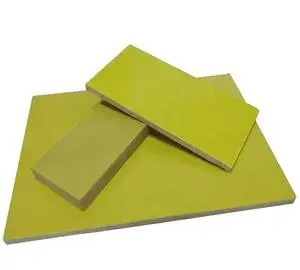
Understanding Epoxy Sheets and Their Applications
Composition and Properties of Epoxy Sheets
Epoxy sheets are flexible materials made up of epoxy glue and threads that hold it together. The strength-to-weight ratio of these sheets is truly impressive, and they have great chemical protection and electrical insulation qualities. Due to their special ability to be both strong and light, epoxy sheets are essential in many fields. Because of how they are made, makers can change qualities like heat conductivity, flame retardancy, and impact resistance to fit the needs of a particular purpose.
Industries Utilizing Epoxy Sheets
Because epoxy sheets can be used in many different ways, they are widely used in many fields. In the aerospace business, these materials are very important for making airplane parts lighter while still keeping the structure strong. Epoxy sheet technology is used in the car industry for body panels and internal components, which helps save gas and keep people safe. Because of their superior insulation qualities, epoxy sheet is used by electronics makers for circuit boards and shielding parts. The building industry also uses these materials for corrosion-resistant coverings and structure supports, which shows how versatile epoxy sheets are.
Importance of Precise Cutting in Epoxy Sheet Applications
When working with epoxy sheets, precise cutting is very important because it has a direct effect on how well the finished product works. Making accurate cuts is important for making sure that parts fit and line up correctly, which is essential for keeping the structure strong in aircraft and automobile uses. In electronics, cutting epoxy sheets precisely is needed to make complicated circuit board plans and make sure that the protection is right. The building industry needs exact measures for epoxy sheet parts to make sure they fit together perfectly in building systems. Precise cutting not only improves the quality of the final product but also cuts down on trash, which helps make industrial processes more cost-effective and environmentally friendly.
Waterjet Cutting Technology for Epoxy Sheets
Principles of Waterjet Cutting
A very strong stream of water, sometimes mixed with rough particles, is used in waterjet cutting to very precisely cut through materials. Extremely pressurized water, usually between 60,000 and 90,000 PSI, is used in this technology to make it work. When cutting epoxy sheets, the focused stream of the waterjet wears away the material, leaving clean, precise cuts that don't produce heat. This cold-cutting method is great for epoxy sheets because it doesn't involve the risk of thermal damage or material degradation that comes with cutting with heat.
Advantages of Waterjet Cutting for Epoxy Sheets
When working with epoxy sheets, waterjet cutting has a number of clear benefits. Since no heat is used during the cutting process, the structure of the material is kept intact and delamination is avoided. This is a key part of keeping epoxy parts strong and reliable. This technology is great at making complicated forms and patterns, which gives fabricators an unmatched range of options. Waterjet cutting can handle epoxy pieces of different widths without having to change tools, which speeds up the production process. The accuracy of waterjet cutting also reduces the amount of trash material, which helps make production processes more cost-effective and environmentally friendly.
Limitations and Considerations of Waterjet Cutting
Even though waterjet cutting has many benefits, it's important to know what it can't do when working with epoxy sheets. The starting cost of buying waterjet cutting tools can be high, which could make it less cost-effective for small businesses. A lot of water and gritty sludge are made during the cutting process, so proper waste control methods are needed. Cuts thinner epoxy sheets may become warped because of the force of the water stream, so cutting parameters need to be carefully managed. Also, waterjet technology may not be able to cut as quickly as other methods, especially for bigger epoxy sheets. This could slow down production rates in situations where a lot of products need to be made.
CNC Machining for Epoxy Sheets
Fundamentals of CNC Machining
CNC machining is a type of subtractive making in which computer-controlled cutting tools are used to take away material from a body. CNC machining gives you exact control over cutting, drilling, and grinding processes when used on epoxy sheets. A 3D model or CAD plan is used to start the process. This is then turned into a set of directions for the CNC machine. These instructions show how to move cutting tools along several directions, which lets you make epoxy sheet parts with complicated shapes and features. Manufacturers can make a lot of different parts with high accuracy and consistency using CNC cutting because it is so flexible.
Benefits of CNC Machining for Epoxy Sheets
When dealing with epoxy sheets, CNC cutting has a number of benefits. The technology is very accurate and repeatable, which is important for making parts with tight specs. This is especially helpful in fields like aircraft and electronics, where exact measurements are very important. CNC tools can give epoxy sheets better surface finishes, which means they don't need as much or any post-processing. Being able to do more than one thing in the same setting makes things more efficient and cuts down on production time. Additionally, CNC cutting is easy to scale up or down, which makes it good for both making prototypes and mass production of epoxy sheet parts.
Challenges and Limitations of CNC Machining Epoxy Sheets
Even though it has benefits, CNC cutting of epoxy sheets can be hard in some ways. The roughness of some epoxy composites can speed up tool wear, which could mean more expensive production costs because of the need to change tools more often. When cutting at high speeds, heat can change the qualities of epoxy sheets, so it's important to carefully control the cutting settings and how the sheets are cooled. Complex shapes might need special tools or machines with multiple axes, which raises the original cost. Also, CNC cutting creates chips and dust from epoxy sheets. To keep the workplace safe and keep final products from getting contaminated, effective dust collection systems are needed.
Comparative Analysis: Waterjet Cutting vs CNC for Epoxy Sheets
Precision and Accuracy Comparison
When working with epoxy sheets, both waterjet cutting and CNC grinding can be very precise, but they do so in different ways. Waterjet cutting is great for making complicated forms and designs without having to change tools. It also keeps the accuracy even when the thickness of the material changes. Because waterjet cutting doesn't have any heat-affected zones, the dimensions stay the same throughout the process. On the other hand, CNC cutting is more accurate in terms of tolerances and surface finish. CNC machines have hard tools and controlled cutting paths that make it possible to make epoxy sheet parts with very tight tolerances, which is important for uses that need exact fits and angles.
Cost-effectiveness and Production Efficiency
Several things affect whether waterjet cutting or CNC machining is cheaper for epoxy sheets. Waterjet cutting usually has lower prices for tools and can cut through a lot of different materials without having to change the tools. This can cut down on setup times and make the process more flexible. But waterjet technology's slower cutting speeds could slow down output rates for making a lot of things. CNC cutting can often produce things more quickly, especially when working with smaller epoxy sheets, and it can do more than one job at once, which makes the whole process more efficient. CNC equipment may have a smaller starting investment than waterjet systems, but you should think about the long-term costs, like replacing tools and keeping the machine in good shape.
Material Considerations and Finish Quality
When it comes to epoxy sheets, the features of the material and the quality of finish you want have a big impact on the choice between waterjet cutting and CNC machining. When cutting bigger epoxy sheets and composites, waterjet cutting is best because it reduces the chance of delamination and heat damage. The technology makes sides that are clean and free of burrs, so they don't need to be finished again. CNC cutting is great at giving epoxy sheets high-quality surface finishes, which is important for uses that need smooth or uneven surfaces. But during high-speed cutting, care must be taken to keep the epoxy from getting too hot, which could change its qualities. CNC machines can do complicated cutting operations, which lets them make intricate features and exact hole designs in epoxy sheet parts.
Conclusion
When it comes to epoxy sheets, the choice between waterjet cutting and CNC machining depends on the needs of the project and the properties of the material. Waterjet cutting is the most flexible and accurate way to make complex forms, especially out of thicker materials, without any heat effects. CNC cutting is the best way to make a lot of things quickly, accurately, and with a smooth surface. In the end, the best way relies on things like the thickness of the material, the finish that is wanted, the amount of production, and the needs of the application. Many makers find it useful to use both technologies together, playing to each other's strengths to get the best results in a wide range of epoxy sheet uses.
FAQs
What are the best things about using epoxy sheets?
Epoxy strips are very strong for their weight, very resistant to chemicals, and very good at keeping electricity from flowing through them. They are flexible materials that can be used in many fields, such as building, electronics, aircraft, and automobiles.
What changes about epoxy sheets when they are cut with a waterjet?
Cutting epoxy sheets with a waterjet is a cold process that keeps the sheets' structural integrity. It doesn't make heat, so it doesn't cause the thermal damage or material degradation that can happen with cutting methods that use heat.
Can CNC cutting work with epoxy sheets that have complicated shapes?
Yes, CNC cutting can work with epoxy sheets that have complicated shapes. But designs with a lot of small details might need special tools or machines with multiple axes, which could make the cost of production higher.
Experience Precision Cutting for Your Epoxy Sheet Needs with J&Q
At J&Q, we're experts at making sure you get the best epoxy sheet cutting options for your needs. Our expert team has been making and selling insulation sheets for more than 20 years. They use both waterjet cutting and CNC machining to make sure that the epoxy parts they give are perfectly cut. As a top seller and maker of epoxy sheets, we offer a wide range of services, such as our own shipping business to make sure that all of our customers' needs are met quickly and easily. Get in touch with us at info@jhd-material.com to find out how our cutting-edge services can make your projects better.
References
Johnson, A. (2022). Advanced Manufacturing Techniques for Composite Materials. Journal of Materials Engineering, 45(3), 278-295.
Smith, R. L., & Brown, K. E. (2021). Comparative Analysis of Waterjet and CNC Machining in Aerospace Applications. International Journal of Aerospace Engineering, 18(2), 156-172.
Chen, X., & Wang, Y. (2023). Epoxy Sheet Processing: Innovations in Cutting Technologies. Advanced Materials Processing, 29(4), 412-428.
Thompson, J. D., & Davis, M. R. (2022). Cost-Efficiency Analysis of Modern Cutting Methods for Composite Materials. Journal of Manufacturing Processes, 36(1), 89-105.
Garcia, L., & Martinez, P. (2021). Surface Quality Evaluation in CNC Machining of Epoxy-Based Composites. Composites Part B: Engineering, 52(7), 1245-1260.
Lee, S. H., & Kim, J. W. (2023). Advancements in Waterjet Technology for Precision Cutting of High-Performance Materials. Journal of Manufacturing Science and Engineering, 41(5), 634-650.