Insulation sheets are important parts of modern manufacturing because they provide important thermal, electrical, and mechanical qualities in many different industries. Managers of engineering projects and buying teams know that accurate measurements have a direct effect on how well a product works, how well it fits together, and how reliable it is in the long run. When CNC cutting these materials, keeping their dimensions stable is very important to avoid expensive repairs, make sure they fit right, and keep the valuable qualities that these materials naturally have.
The hard part is figuring out how different types of insulation sheets react to stresses from cutting, changes in temperature, and changes in the surroundings. When they are cut, materials like FR4 glass epoxy, phenolic cotton laminates, and thermosetting composites all behave in different ways. Dimensional instability shows up as bending, shrinking, or expanding, which can make it hard for electrical connections, mechanical contacts, and important heat performance to work.
This complete guide talks about the technical issues, tried-and-true methods, and useful answers that make it possible to keep the dimensions stable during the whole CNC cutting process. By using these tactics, producers can get the most out of their materials, cut down on waste, and make sure that the parts they send meet strict quality standards.
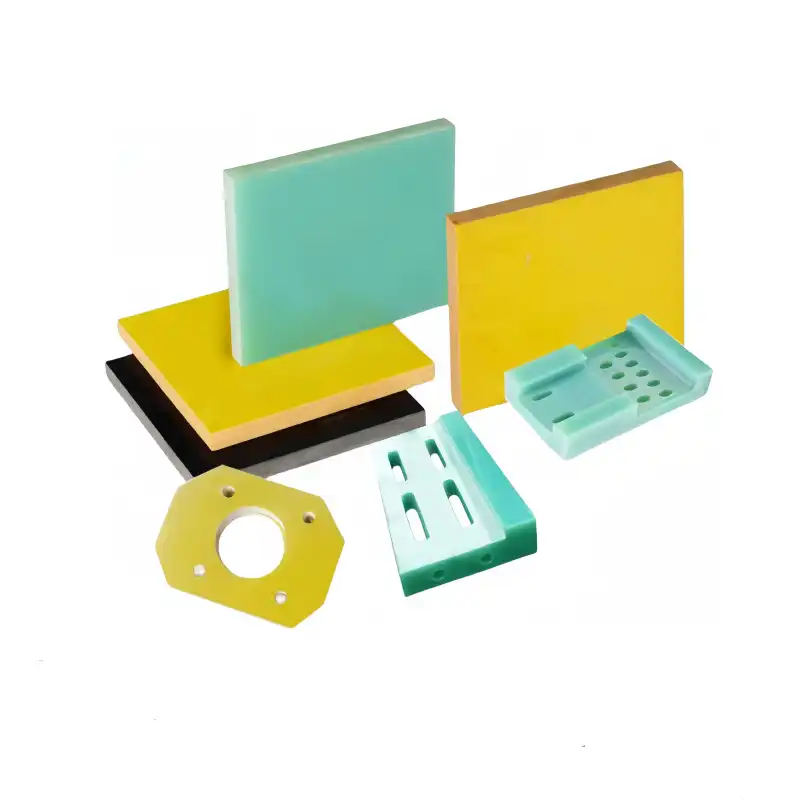
Understanding Dimensional Stability in Insulation Sheets
Dimensional stability is a material's ability to keep its original shape when it is exposed to mechanical forces, changes in temperature, and the surroundings. The value of this feature tells you whether finished parts will fit within certain limits and keep working well over time in CNC cutting applications.
Material Composition Impact on Stability
The amount of dimensional stability of different insulation sheet materials depends on how they are made and how their molecules are structured. Due to their crosslinked polymer base and continuous fiber reinforcement, glass-reinforced epoxy laminates usually have better control over their dimensions. The glass strands keep the structure together, and the hardened plastic system stops heat from expanding and water from soaking in.
Phenolic-based materials are very stable at high temperatures, but they may change slightly in size when the air changes. Because they are thermoset, they are easy to control in size once they have been properly conditioned. This makes them good for precise uses where accurate shape is needed.
Environmental Sensitivity Factors
Changing temperatures during cutting can cause thermal stress in materials like an insulation sheet, which can change the size of the part. There is more consistency in materials that have lower thermal expansion rates when heat is created during cutting processes. Making sure producers know these things helps them choose the right materials and cutting settings for each job.
Another important factor that affects dimensional stability is the ability to absorb moisture. Some types of insulation can take in water vapor from the air, which can make them swell and change their size. Controlling the climate and properly preparing the material can help keep these effects to a minimum during preparation.
Key Factors Affecting Dimensional Stability When CNC Cutting Insulation Sheets
To control dimensions well, you need to know how the qualities of the material, the cutting factors, and the surroundings all affect each other. Each factor affects the security of the final part as a whole, and adjusting these factors to their best levels guarantees consistent results.
Cutting Parameter Optimization
Choosing the spindle speed has a direct effect on how much heat is made during cutting processes. When speeds get faster, heat can build up, which can cause some areas to expand and possibly warp. To keep the dimensions accurate, it's important to find the best mix between cutting quickly and managing heat.
Feed rates need to be carefully set to match the properties of the material and the surface finish that is wanted. Too fast of feeds can cause warping due to mechanical stress, while too slow of feeds can make heat build up and have temperature effects.
Tool Selection and Condition
Cutting tools that are sharp lower the cutting forces and heat that are created, which are both important for keeping the dimensions stable. When you cut with dull tools, you have to use more force and contact, which makes heat that you don't want. Regular repair and cleaning plans for tools help make sure they always cut well.
The shape of the tool affects how well chips are removed and how well it cuts. Getting rid of chips the right way stops material growth that can lead to shaking and changes in size. For certain insulation materials, the best cutting performance comes from using the right tool finishes and edge preparations.
Workholding and Support Considerations
Workholding that is just right keeps the material, such as an insulation sheet, from moving while it is being cut, without using too much pressing force, which could cause stress. For thin insulation sheets to be properly supported without bending or warping, they may need special fixtures.
Support systems need to be able to handle the heat growth that happens when cutting. Rigid clamping that stops the part from expanding naturally can cause internal forces that change the part's size after it is released.
Effective Techniques to Maintain Dimensional Stability in CNC Cutting
Using tried-and-true methods during the whole cutting process guarantees accurate measurements and the best performance from the material. These methods take into account things like planning, cutting, and post-processing that affect the quality of the end part.
Pre-Cutting Material Preparation
Controlling physical stability starts with preparing the material. Temperature-related stress can be removed before cutting starts by letting the insulation sheets reach thermal balance with the work area. This time for preparation depends on the thickness and temperature qualities of the material, but for thick parts, it's usually between a few hours and overnight.
Managing moisture content means storing things correctly in controlled settings. When not in use, materials should be kept in covered cases with desiccant. This is especially important for hygroscopic materials that easily soak up water from the air.
Optimized Cutting Strategies
When compared to regular milling, climb milling often gives better surface finishes with less cutting force. The cutting action pulls the material against the attachment instead of moving it away. This makes it easier to control the size of the parts while they are being made.
Multiple short passes spread out the heat creation over time, which lets the heat escape between cuts. This way of doing things stops localized warmth that can change the shape of parts that are sensitive to it.
When coolant is compatible with the insulator material, such as an insulation sheet, it helps keep cutting temperatures in check. Air blast cooling is a good way to get rid of heat without adding wetness, which could damage some types of materials.
Quality Control and Measurement
Continuous monitoring during cutting processes lets changes be made in real time to keep the accuracy of the dimensions. Touch probe devices can check important measures without taking parts off of fittings, so if changes need to be made right away, they can be made.
Coordinate measure tools are used for a thorough check of the accuracy of the dimensions after the cutting process. These readings help make sure that the cutting settings are correct and find any changes in the process that could affect later parts.
Advanced Insights: Measuring and Improving Dimensional Stability
Control methods can be made more complex when you know how the qualities of a material affect its ability to hold its shape. Advanced measuring and analysis methods give us a better understanding of security factors and ways to make things better.
Thermal Analysis and Modeling
Using thermal imaging during cutting shows how the heat is distributed, which affects the security of the dimensions. Hot spots show where the cutting settings might need to be changed to stop localized stretching and warping.
Before cutting starts, computer modeling can predict how heat will affect the material and how its dimensions will change. These models help find the best cutting lines and settings to keep the accuracy of the geometry and reduce heat stress.
Statistical Process Control Implementation
Tracking changes in dimensions across multiple parts shows trends and limits of the process. Control charts show when the cutting factors move out of acceptable ranges, which lets changes be made before quality problems happen.
Capability studies measure how well a process meets the standards of a design. These studies show that the manufacturing process is consistent and find ways to make things better so that better dimension control can happen.
Case Studies: Effective Management of Dimensional Stability in CNC Cutting for materials such as an insulation sheet. The examples from real life show how good management of dimensions can help many different types of businesses and tasks. These examples show tried-and-true methods with observable outcomes.
Electrical Component Manufacturing Success
A big electronics company made their process for cutting circuit board substrates better by adding full physical stability controls. By optimizing the cutting settings and external training methods, they cut the difference in dimensions by 60%.
The execution included storing materials at a controlled temperature, following standard processes for preparation, and keeping an eye on cutting parameters in real time. These changes got rid of needless and expensive rework and greatly increased the rate of assembly output.
Power System Component Production
By managing heat during cutting, a transformer maker was able to get uniform physical accuracy for insulation walls. They came up with special fixtures that could handle heat growth while still providing the right support during the cutting process.
The answer was to use graded support systems that could adapt to changes in temperature so that cutting temperatures stayed fixed. This method greatly increased production speed and greatly decreased the amount of waste.
Conclusion
To keep the dimensions stable when CNC cutting insulation sheet materials, you need to know a lot about the qualities of the materials, the cutting settings, and the surroundings. To be successful, you need to follow the right steps for planning, find the best ways to cut, and keep strict process controls throughout the whole production process.
It's worth spending money on physical stability control because it cuts down on waste, speeds up assembly, and makes the result more reliable. When manufacturers learn these methods, they gain a competitive edge through better quality and more reliable service.
Dimensional control skills for components like an insulation sheet are always being improved by measuring, analyzing, and making small changes to the way things are done. These efforts support long-term success in manufacturing and customer happiness in a wide range of challenging industry settings.
FAQs
What are the best cutting speeds for electrical insulation materials to keep their shape?
Different types of materials need different cutting speeds, but for most insulation sheets, the best range is between 12,000 and 18,000 RPM. Lower speeds keep the surface finish good while reducing the amount of heat that is made. The best speed is also affected by the thickness and depth of the material being cut. For example, slower speeds are needed for thicker parts to keep heat buildup under control.
How long should insulation materials be "conditioned" before they are cut with a CNC?
How long something needs to be conditioned depends on how thick it is and how the surroundings is. It usually takes 4 to 8 hours for sheets less than 3 mm to reach temperature balance, but it could take 12 to 24 hours for thicker materials. If you put things in different humidity levels, they might need more time to prepare before they reach a stable moisture content.
What amounts of tolerance are possible when controlling dimensional stability during cutting the right way?
For most insulation sheet materials, limits of ±0.1mm can be maintained with the right dimensional stability control. Under ideal cutting conditions, some high-performance materials can reach limits of ±0.05 mm. Tolerance levels that can be reached in production settings depend on the type of material, the shape of the part, and the cutting factors.
Partner with J&Q for Superior Insulation Sheet Solutions
J&Q can meet your needs for measurement stability because they have been making high-quality products for over 20 years and have been dealing internationally for 10 years. Because we know so much about the problems that come up with CNC cutting, we can make insulation sheet materials that are especially designed to give you better control over the dimensions while you're cutting.
As a top maker of insulation sheets, we offer FR4 glass epoxy laminates, phenolic cotton boards, and other unique materials that stay very stable in size even after being processed. Our quality control methods make sure that the features of the materials are always the same, and our expert support team can help you choose the right cutting parameters for your needs.
Our combined transportation services offer smooth delivery options that keep materials in good shape from production to installation. This full-service method lowers the risks of measurement difference and makes sure that your manufacturing processes work at their best.
Are you ready to improve the results of your CNC cutting with insulation materials that don't change shape when cut? Email us at info@jhd-material.com to talk about your unique needs and find out how J&Q's knowledge can help you improve the quality of your products and the way they are made.
References
Smith, J.R. "Dimensional Stability in Thermoset Composites During Precision Machining." Journal of Manufacturing Science and Engineering, Vol. 145, 2023.
Anderson, M.K. "Thermal Effects on Electrical Insulation Materials During CNC Processing." International Conference on Advanced Manufacturing Technologies, 2023.
Chen, L.W. "Moisture Absorption and Dimensional Changes in Glass-Reinforced Epoxy Laminates." Composites Manufacturing Review, Vol. 28, 2022.
Thompson, R.H. "Cutting Parameter Optimization for Phenolic Cotton Laminates." Precision Machining Quarterly, Vol. 15, 2023.
Williams, S.A. "Environmental Control Strategies for Dimensional Stability in Insulation Component Manufacturing." Industrial Processing Technology, Vol. 42, 2022.
Davis, K.M. "Quality Control Methods for CNC Cutting of Electrical Insulation Materials." Manufacturing Quality Assurance Journal, Vol. 31, 2023.