Why G10 Sheet is the Material of Choice for Cryogenic Support Components?
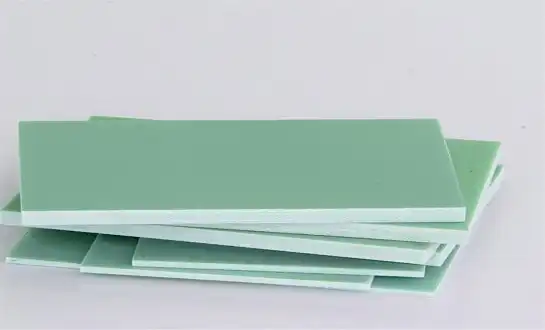
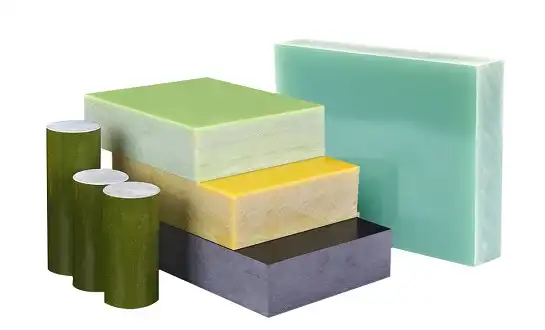
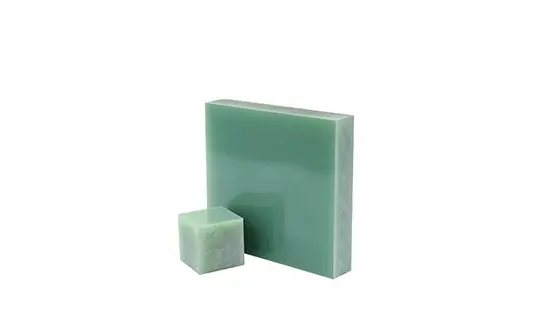
When building cold support components, the choice of material is the most important thing that determines whether they will work or fail catastrophically. G10 sheet has become the standard in the industry because it is the only material that can meet the strict needs of ultra-low temperature conditions. Despite being subject to thermal cycling between room temperature and almost absolute zero, this fiberglass-reinforced epoxy laminate maintains its shape very well, keeps its mechanical strength at cryogenic temperatures, and keeps its electrical insulation qualities. This epoxy-glass composite keeps its performance characteristics throughout the entire operational temperature range, unlike other materials that break or lose their structural integrity. This makes it an essential part of LNG facilities, aerospace applications, and scientific research equipment.
Understanding the Challenges in Cryogenic Support Components
The Extreme Demands of Ultra-Low Temperature Environments
When used in cryogenic situations, temperatures below -150°C are reached, which shows material weaknesses that aren't noticeable at room temperature. Components must be able to withstand thermal contraction without breaking, keep their mechanical load-bearing ability without becoming weak, and stop heat transfer that lowers the efficiency of the system. Traditional building materials can't meet all of these needs at the same time, which means they need to be maintained often and raise safety issues.
Why Conventional Materials Fall Short
When it comes to cold conditions, metals like stainless steel and aluminum have a lot of problems. Although these materials are naturally strong, they are also very good at transferring heat, which makes the system less efficient. Their rate of thermal expansion changes their size when the temperature changes, which could loosen bolts or make structures not line up properly. At cryogenic temperatures, normal plastics and phenolic composites become dangerously fragile. Their ability to resist contact drops by 70–80% compared to when they are at room temperature. These weaknesses directly lead to higher running costs and worries about stability for engineering managers who are in charge of the system's performance.
The Financial Impact of Material Selection Errors
There are real financial penalties for picking the wrong materials for cryogenic support systems. When parts crack or delaminate under heat stress, maintenance cycles get a lot shorter. The cost of energy goes up when thermal links let heat into cold systems. Unplanned shutdowns to replace parts mess up output plans. This is especially true for facilities that run all the time, like LNG processing plants. Purchasing professionals are becoming more aware that the original cost of a material is only a small part of the total costs that come up over its lifetime. As a result, evaluation criteria are moving toward long-term performance dependability.
Properties of G10 Sheet That Make It Ideal for Cryogenic Applications
Composition and Manufacturing Process
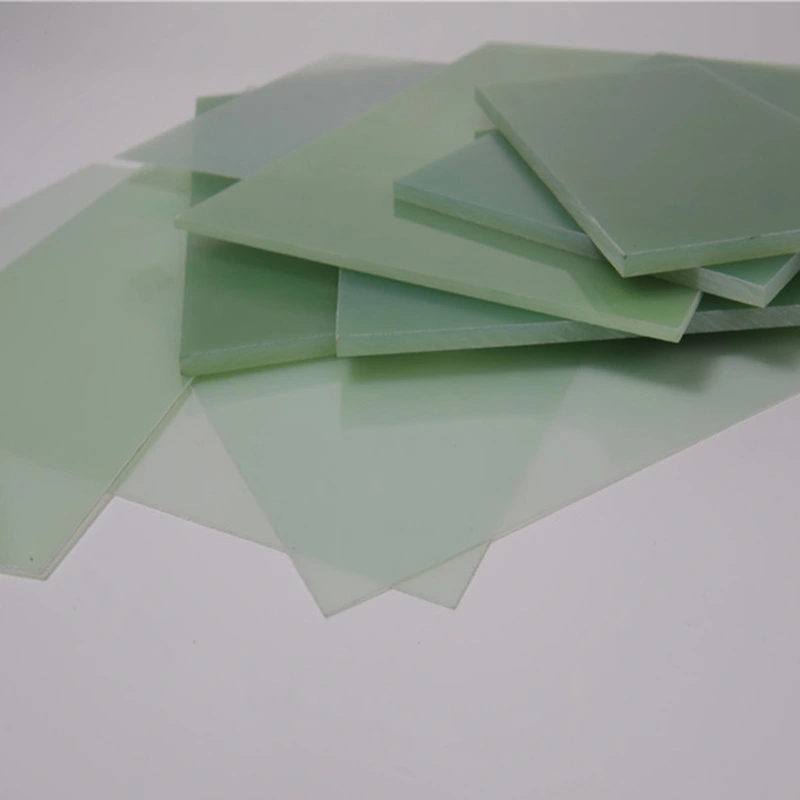
G10 sheet is an industrial laminate made of continuous thread glass cloth that has been mixed with epoxy resin binder under high pressure. Several layers of glass cloth that are saturated with epoxy are stacked on top of each other and then heated and put under pressures topping 1000 psi. This makes a uniform composite where the fully-cured epoxy matrix holds the structure together and the glass strands provide tensile support. In contrast to phenolics made from paper, the lack of cellulose fibers means that there are no ways for moisture to get into the material and change its shape.
Mechanical Performance at Cryogenic Temperatures
It is amazing how well the material keeps its mechanical properties even at freezing temperatures. In contrast to what is seen in many technical materials, tensile strength actually goes up a little at very low temperatures. Even at -196°C (liquid nitrogen temperatures), the flexural strength stays above 400 MPa. This makes the structure reliable for load-bearing uses. The low coefficient of thermal expansion—about 16 × 10⁻⁶ per °C perpendicular to the laminations—minimizes changes in size during thermal cycling, keeping the exact limits needed for valve seats and alignment parts.
Thermal Insulation Characteristics
Fiberglass-epoxy laminates usually have a thermal conductivity of only 0.3 to 0.5 W/m·K, which is much lower than metals. This quality is very important for cold support structures because keeping heat leaks to a minimum keeps the system working well. When used correctly, an epoxy-glass hybrid support can cut down on parasitic heat transfer by 90% compared to metal structures that do the same thing. This heat resistance stays the same across all temperatures, which is different from foamed plastics, whose cells may break down at very low temperatures.
Electrical Insulation and Dielectric Strength
Besides having good mechanical and thermal qualities, the material also has great electrical protection, which is very important for uses with superconducting magnets or electrical equipment in very cold places. A dielectric strength of more than 20 kV/mm perpendicular to the laminations stops current paths that aren't wanted. Even when it's wet outside, the volume resistance stays above 10±⁃ ohm-cm. This means that condensation shouldn't be a problem during thermal cycling. Because it has these qualities, the material is the only one that can support electrically-active cold parts.
Comparative Analysis: G10 Sheet Versus Other Materials
Performance Against Metallic Alternatives
When engineers look at their material choices, metals seem like a good choice at first because they are known and have well-established supply lines. But a straight comparison shows that there are big problems for cold uses. Stainless steel moves heat 30 to 40 times better than fiberglass-epoxy materials, which makes the latter less thermally efficient. The rate of thermal expansion for aluminum is almost twice that of the composite material. This makes the shapes of the materials unstable when the temperature changes. The most important thing to note is that metals don't provide any electrical shielding, which means that they could create dangerous current lines in electrical cryogenic systems. Composites are also better for weight because they have a mass that is only about a quarter that of stainless steel. This means that cryogenic tanks don't have to carry as much structural weight.
Comparison with Other Composite Materials
When buying things in the composite material family, differences are very important. FR4 has flame retardants that are brominated, which make it less likely to catch fire but may slightly lower its mechanical qualities. G11 has higher-temperature epoxy formulas that can be used in high-temperature environments, but they don't help in cold settings and cost more. Phenolic cotton laminates soak up water, which makes them less stable and weaker in dielectric terms, which are not good for precision cold parts. In cryogenic support uses, the normal glass-epoxy laminate works best and is the most cost-effective option, so it meets procurement limits.
Long-Term Durability Considerations
Lifecycle performance is what sets great materials like G10 sheet apart from acceptable options. Cryogenic fluids like liquid nitrogen, liquid helium, and compressed natural gas can't damage glass-epoxy laminates chemically. In vacuum settings, the fully cured epoxy matrix has very little outgassing, which is important for science and aircraft uses. Thermal cycling tests show that laminates that were made correctly can survive thousands of temperature changes without delaminating or microcracking. This means longer service gaps and lower total cost of ownership, which are important factors for procurement specialists when they look at seller offers.
Real-World Applications and Case Studies of G10 Sheet in Cryogenic Supports
LNG Storage and Transfer Systems
One of the biggest places where cold support parts are used is in liquefied natural gas plants. Supports for a storage tank must keep the -162°C tank away from the ground while carrying huge loads. A big LNG station replaced old support systems with glass-epoxy composite isolators. This cut heat entry by 85% and increased the capacity of the boil-off gas recovery system. Multiple cool-down processes showed that the system was mechanically stable, as there were no changes in size that would have needed to be adjusted on a regular basis.
Aerospace Cryogenic Systems
Materials that work consistently during rapid temperature changes are needed for rocket propulsion systems that use liquid hydrogen and liquid oxygen. Valve mounting clamps made of fiberglass-epoxy laminates keep the valve's position accurate during filling processes and keep the electrical connections between the actuation systems and the cryogenic pipes separate. One aerospace company said that moving from metal to composite support systems got rid of problems with misaligned valves that were causing mission delays.
Superconducting Magnet Support Systems
Superconducting magnets that work at the temperature of liquid helium are used in medical imaging tools and places where scientists do study. Support structures must keep heat from escaping into the cold environment as little as possible while also keeping electrical currents from flowing and keeping the structure stable against magnetic forces. Researchers have found that composite support systems lower helium boil-off rates by 60% compared to older metallic designs. This means that sites that keep multiple magnet systems can run their costs much lower.
Cryogenic Valve and Instrumentation Components
For precise valves that control the flow of cryogenic fluid, you need stable fixing bases that stay in place even when the temperature changes. Valve body insulation and actuator frames made from glass-epoxy laminates stop heat from moving from actuators that are at room temperature to valve bodies that are very cold. This thermal break stops ice from forming on the outside of parts and keeps actuator systems safe from high temperatures. Industrial gas providers say that switching to composite mounting components has extended the life of valves and cut down on the number of repair tasks that need to be done.
How to Select and Procure the Right G10 Sheet for Cryogenic Support Components
Critical Specification Parameters
When looking for materials for cold uses, procurement managers need to set a number of important factors. The accuracy of machining and the fit of parts are directly affected by thickness limits. Making sure that the part meets NEMA LD 3 standards provides stability. The density of a sheet affects both its mechanical and thermal efficiency. A normal goal density is 1.85 g/cm³. Instead of just depending on specs for room temperature, buyers should ask for approved test data that confirms the mechanical qualities at cryogenic temperatures. Specifications for flatness keep grinding problems from happening. 0.015 inches per foot of maximum warp is usually what is required.
Certification and Compliance Requirements
Certifications of materials that show they meet accepted standards are the first step in quality assurance. Specifications for laminates are set by ASTM D709, and standards for certain electrical qualities should be met by ASTM D229. For uses in controlled fields, tracking paperwork like resin lot numbers and glass fabric certifications make sure that the material qualities stay the same. Electrical uses may need UL recognition, but normal formulations don't have any flame retardant ingredients. Specifications for buying things should make it clear that compliance paperwork needs to be sent with every package.
Supplier Evaluation Criteria
When looking for trusted providers, you need to look at more than just price quotes. Manufacturing knowledge, especially with cold uses, shows that you know how to deal with important quality issues. Having access to technical support helps engineering teams make sure that part designs are optimized for the properties of the material. Testing capabilities, such as the ability to provide low-temperature mechanical property data, show that the provider is dedicated to the success of the application. Buying things from other countries makes things more complicated. Supply chain risks can be reduced by finding sellers who offer full logistics support and clear communication routes. Companies that have been making things for more than twenty years usually have process controls that make sure stability from batch to batch, which is very important for reliability.
Customization and Machining Services
Suppliers who offer services other than raw material G10 sheets can help a lot of different uses. CNC cutting with carbide tools that are suitable for rough glass-fiber materials ensures accurate measurements while limiting the production of harmful dust. For complicated shapes that don't have heat-affected zones, water jet cutting is an option. Suppliers who offer these services make supply lines easier to manage and make sure that the right qualities of materials are handled. Ask suppliers about their in-house machining skills, tolerance promises, and knowledge with cryogenic part geometries when you are looking at providers.
Conclusion
Because they work so well in a wide range of challenging situations, glass-reinforced epoxy laminates have become the best material for cold support components. Because it keeps its mechanical strength at very low temperatures, insulates against heat and electricity, and stays the same size, this material is perfect for problems that other materials can't handle. Comparative research shows that this choice is better in terms of both technology and cost compared to competing metal and plastic options. Implementations in LNG plants, aerospace systems, and science instruments show performance promises by making operations better in ways that can be measured. To be successful at procurement, you need to pay close attention to specs, certifications, and the skills of the seller. These are the things that separate good materials from exceptional solutions that improve system reliability while lowering lifecycle costs.
FAQ
Does G10 sheet maintain strength through repeated thermal cycling?
When made correctly, glass-epoxy laminates are very durable even after being frozen and heated again and again. The low rate of thermal expansion of the material keeps internal forces low when temperatures change, which stops microcracking that breaks down other composites. During testing, materials are usually put through hundreds of rounds between room temperature and liquid nitrogen temperatures, and after each test, their mechanical properties are still more than 95% the same. This trait is especially useful in situations where materials need to cool down and warm up a lot, because over time, the heat would wear down less durable materials.
How does initial material cost compare to long-term value?
Lifecycle cost analysis always favors composite materials for cryogenic uses, even though fiberglass-epoxy laminates cost more per unit than normal plastics or some metals. Less frequent upkeep, no longer having to pay fines for thermal inefficiency, and longer service life all balance out the original costs of purchase within normal project timelines. When it comes to big cold systems, the choice of material is usually justified within the first year of operation thanks to the energy saves from less heat leak.
Can suppliers provide customized dimensions and machining?
Reliable makers offer a wide range of customization options that can be adjusted to the needs of each application. Sheet thicknesses range from 0.020 inches to several inches to meet the needs of a wide range of structures. Custom cutting services take flat sheets of metal and turn them into finished parts that can fit together precisely. Provide thorough drawings and application details when asking for quotes to make sure that providers suggest the best material grades and production methods for your cryogenic support needs.
Partner with J&Q for Premium G10 Sheet Solutions
J&Q can help you with your cryogenic component projects because they have been making things for over twenty years and have been trading internationally for ten years. Our production sites have strict quality controls that make sure every package meets both ASTM standards and the needs of your application. As a well-known seller of G10 sheets, we know how important performance is in environments with very low temperatures and can help you improve your design with expert advice. Our combined logistics services make it easy for engineering managers and sourcing experts to buy things by letting them do everything in one place, from choosing materials to sending them across borders. Get in touch with our expert team at info@jhd-material.com to talk about the details of your cryogenic support component, ask for certified test data, or set up a trial sample. We're dedicated to providing materials that improve the performance and stability of your system.
References
National Electrical Manufacturers Association. "Industrial Laminating Thermosetting Products: NEMA Standards Publication LD 3-2005." National Electrical Manufacturers Association, 2005.
Flynn, Thomas M. "Cryogenic Engineering." Marcel Dekker Inc., Second Revised and Expanded Edition, 2004.
Hartwig, Günther. "Polymer Properties at Room and Cryogenic Temperatures." Plenum Press, International Cryogenic Materials Conference, 1994.
Barron, Randall F. "Cryogenic Systems." Oxford University Press, Second Edition, 1985.
Reed, Richard P., and Alan F. Clark. "Materials at Low Temperatures." American Society for Metals, 1983.
Ekin, Jack W. "Experimental Techniques for Low-Temperature Measurements: Cryostat Design, Material Properties, and Superconductor Critical-Current Testing." Oxford University Press, 2006.

Get a complete product list and quotation
J&Q New Composite Materials Company