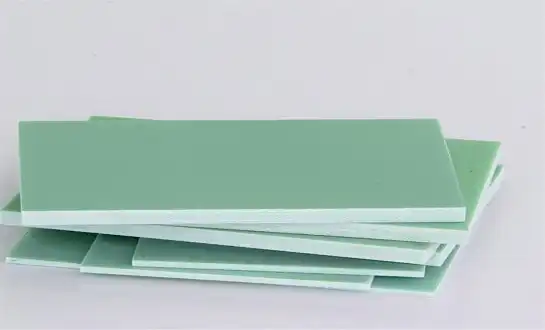
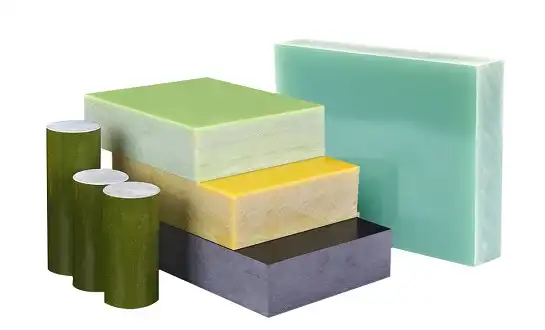
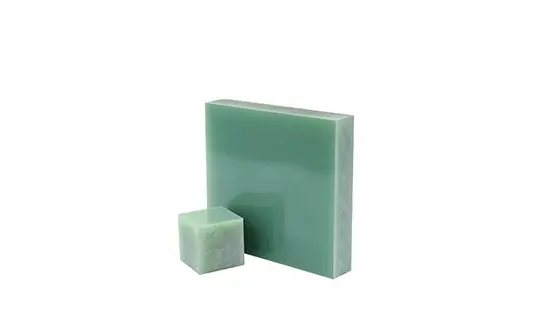
Bakelite Sheet Machining for Retro-Style Electrical Switches and Components
By blending phenolic resin's classic insulating qualities with modern, precise CNC methods, Bakelite sheet machining brings old electrical switches back to life. This thermoset material is known as the world's first synthetic plastic. It has great dielectric strength, dimensional stability, and heat resistance up to 120°C—all qualities that are needed for authentic retro-style electrical parts that need to look good and be safe at the same time.
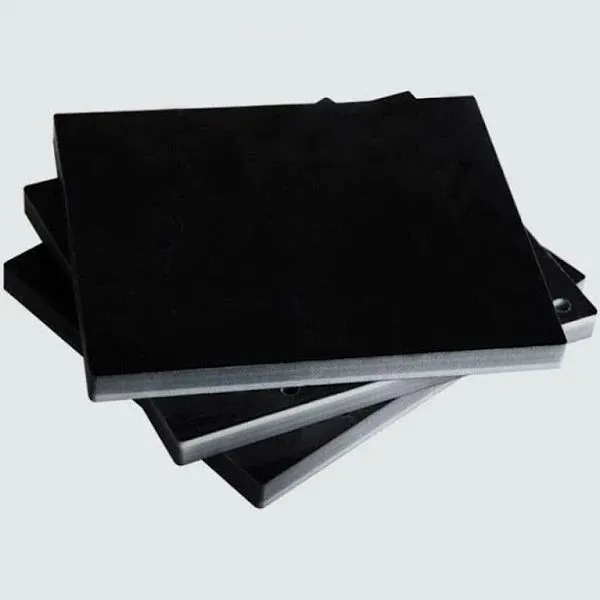
Understanding Bakelite Sheets for Electrical Components
What Makes Phenolic Resin Superior for Electrical Applications?
Phenolic paper layered sheets work as thermoset composites. They are made of cellulose fibers that are mixed with phenol-formaldehyde glue and then hardened under heat and pressure to make structures that don't change shape. These materials don't soften or distort at high temperatures like thermoplastics like ABS do. Instead, they stay hard and good at insulating throughout their working temperature range. The cross-linked molecular structure naturally resists flames without adding any halogenated chemicals, which is important for making sure that electrical systems meet UL and ROHS standards. Mechanical experts like how strong the material is compared to how heavy it is. It has a shear strength of 70 MPa and can be machined with carbide tools.
Modern epoxy resins have better dielectric constants, but phenolic laminates are still the best choice when bulk shielding at a low cost is needed for mechanical load-bearing. The material doesn't absorb much water—usually less than 0.5% after 24 hours of immersion—so it doesn't swell and make it harder to make sure that electrical housings fit perfectly. Because phenolic sheets are resistant to transformer oils, solvents, and weak acids, they can be used in tough industrial settings where other plastics break down too quickly.
Phenolic Sheet Grades and Electrical Insulation Characteristics
Different grades deal with different engineering problems. Standard Grade X versions focus on mechanical strength for structure parts like motor mounts and gear blanks, and they have reasonable resin ratios that make them easier to machine. Formulations for Grade XXX have more glue, which makes them more resistant to water and has a dielectric strength of more than 15 kV/mm. This is important for high-voltage switchgear insulators and transformer barriers. Light-colored grades use special layers of bleached paper that make them easier to check visually during quality control processes while keeping the same electrical properties.
The directional strength features can be changed with laminated structure. Cross-ply layups spread mechanical stress evenly, which stops delamination when thermal loads change, which happens a lot in device motor parts. Precision CNC cutting is possible with thickness limits of ±0.2 mm, which means that too much material is not wasted and cycle times are cut down. Buyers should check that the manufacturer's certificates show the dielectric breakdown voltage, arc resistance according to ASTM D495, and flame classification scores that meet the needs of the application.
Environmental and Regulatory Context for Modern Procurement
Because they replaced flammable celluloid and fragile pottery in early 20th-century electronics, phenolic resins were seen as a big step forward in materials science. It is now required by law to show proof of following electricity safety standards and environmental rules. The material datasheets should say if the material is compliant with ROHS when it comes to restricted chemicals and give UL94 scores for how flammable it is, usually V-0 or V-1 for electrical insulator uses.
Sustainability concerns are becoming more and more important in choosing materials. Renewable cellulose bases are used in phenolic production, and less energy is needed to make it than industrial ceramics. Because the material lasts a long time, it doesn't need to be replaced as often, which lowers the lifetime environmental footprint. Responsible providers are clear about how they control formaldehyde emissions during production and back closed-loop recycling programs for machine scrap, which is in line with what companies are required to do to be environmentally friendly.
Key Considerations in Machining Bakelite Sheets for Retro Electrical Components
Common Machining Challenges and Material Behavior
When cutting phenolic laminates, you need to use special techniques because they are not like other materials. Because the material is so brittle, edges chip when cutting settings that aren't right or old tools cause too much shaking. Paper fibers are very rough and quickly dull high-speed steel tools. For production runs, carbide or polycrystalline diamond pieces are needed. Making dust can be bad for your health and the environment. Bakelite sheet particles can irritate respiratory systems and damage sensitive electrical circuits if the filtering systems aren't good enough to keep the dust out of the air.
Managing the temperature during cutting stops the surface from changing color and the glue from breaking down. When cutting at too high of speeds, frictional heat builds up above the material's 120°C constant service level. This causes charring in certain areas that weakens the insulation. It's important to be careful when choosing a coolant because water-based fluids may help unmachined stock absorb moisture, while petroleum-based oils may not work well with certain chemicals. A lot of precision cutting jobs use high-efficiency particulate filters and compressed air cooling to deal with both heat and dust at the same time.
CNC Machining Best Practices and Tool Selection
Cutting factors that have been optimized balance quality and efficiency. Spindle speeds of 3,000 to 6,000 RPM and feed rates of 100 to 300 mm/min keep chip-out to a minimum on the curved edges that are common in switch plate designs. When compared to regular milling, climb milling lowers the risk of delamination because it cuts into the object instead of moving layers. The shape of the tool is important. Cutting edges that are sharp and have relief angles of 15 to 20 degrees break fibers neatly instead of crushing them. This makes surfaces that are smoother and need less secondary finishing.
Drilling operations demand particular attention. When the bit breaks through the back surface of a standard twist drill, fibers often come out in broken pieces. Brad-point or spur-point drill shapes with 118° included angles keep the material from coming out of the hole, and backing boards keep the material in place while the hole is being finished. Chips are cleared from flutes by pecking cycles with frequent recoil. This keeps heat from building up and sticking. When it comes to load distribution, threaded plugs often work better than tapped threads directly in phenolic material. This is especially true for systems that need to be taken apart and put back together more than once.
Quality Control for Electrical Component Manufacturing
Coordinate measuring tools or optical comparators are used for dimension checking to make sure that tolerances are met on important features like switch mounting holes, insulator standoff heights, and the flatness of the mating surface. High-potential testing at certain voltage levels confirms the dielectric strength and makes sure that no conductive paths breach insulating obstacles. Profilometers measure the hardness of a surface's finish. For example, Ra values below 3.2 μm are common for obvious retro switch faces that need to look great.
Incoming material inspection should verify manufacturer certifications and perform sample testing validating mechanical and electrical properties match procurement specifications. Batch tracking systems that connect the lots of raw materials to the serial numbers of finished parts make it easy to quickly figure out what went wrong if something goes wrong in the field. Using statistical process control to keep an eye on important machine parameters like tool wear signs, dimensional trends, and surface quality metrics stops production drift and lowers the amount of scrap that is made.
Comparing Bakelite Sheet Options for Retro-Style Electrical Switch Manufacturing
Material Performance Benchmarking Against Alternatives
Comparing phenolic laminates to other materials makes it clear where they work best. Melamine resins are better at resisting stains and having a hard surface, which is why they are used for ornamental laminates. However, they are not as strong or good at insulating electricity as phenolic materials. Epoxy-glass composites have higher dielectric constants and can withstand temperatures above 180°C, but they are more expensive than phenolic alternatives, often by 40 to 60%. This makes them unsuitable for cost-sensitive device parts.
ABS thermoplastics allow for complicated shapes to be injected that can't be done with laminate machining. However, their heat deflection temperatures of 80°C make them unsuitable for use near motors or heating elements. Fiberglass-reinforced polyester is chemically resistant and has average electrical qualities. However, it is hard to machine and loses its shape more quickly when heated and cooled, which makes it less ideal for precision switch assemblies. Bakelite sheets are the only ones that perfectly match electrical performance, mechanical longevity, ease of machining, and low cost for making medium-volume retro components.
Supplier Evaluation Criteria and Certification Requirements
To find dependable Bakelite sheet providers, you need to do more than just look at unit prices. Manufacturing licenses like ISO 9001 for quality management and ISO 14001 for environmental standards show that the process is mature and consistent. Electrical component uses should make sure that providers keep UL recognition for insulating materials. This can be shown by UL yellow card data that lists voltage ratings and flammability classes. Documentation that shows compliance with ROHS and REACH keeps legal problems from happening in foreign markets.
Technical capabilities matter alongside certifications. Suppliers offering custom machining services streamline supply chains by delivering finished components rather than raw sheets requiring secondary processing. Minimum order quantities affect inventory holding costs—suppliers accommodating smaller production runs provide flexibility for specialty retro switch designs without excessive capital lockup. Lead time reliability influences production scheduling. Despite possible cost differences, domestic sellers often respond faster than foreign sources.
Understanding Phenolic Sheet Pricing and Value Drivers
Material costs change depending on the price of resin feedstock and the supply of paper substrates. However, on a volume basis, phenolic laminates are usually 30–50% less expensive than epoxy-glass versions. Thickness has a direct effect on price—12 mm structure plates cost more than 3 mm insulation sheets because they take longer to press and use more material. Custom formulations that use custom resins or reinforcement fibers come with development costs that are spread out over a large amount of production.
Total cost of ownership includes more than just buying things. When compared to cutting forms from full sheets, suppliers who offer pre-cut blanks cut down on waste and run times. Just-in-time supply programs keep storage costs low while making sure that materials are available at the right time for production. When technical support helps with choosing the right materials and making the best cuts, development times are shortened and prototypes are tested fewer times, which adds value.
Bulk Purchasing and Custom Machining Services: Streamlining Your Supply Chain
Strategic Sourcing for OEM Production Schedules
When buying Bakelite sheets, it's important to find the best balance between cost savings and stocking risks. Volume deals usually start at 500 kg, and prices go down as you commit to buying more than one ton. This way, you can save 15–25% compared to buying on the spot. Every year, blanket orders with set release dates keep prices stable, protecting against changes in the prices of raw materials, and keep inventory levels low. When sellers keep stock at customer sites as part of consignment inventory programs, customers don't have to spend money on raw materials up front, and they know they will be available right away.
Dual-sourcing strategies mitigate supply disruptions without excessive qualification costs. Finding alternative suppliers with similar material requirements and the ability to machine them provides continuity insurance in case the main supplier's capacity is limited or quality goes off track. Geographic diversity makes companies less vulnerable to problems with regional transportation, but it requires strict rules for new inspections to make sure that materials from different sources have the same properties.
Custom Machining Services Adding Manufacturing Value
Raw Bakelite sheets are turned into finished switch parts by turnkey component providers that offer combined machining services. This streamlines supply chains and cuts down on the number of touchpoints. CNC routing, drilling, and shaping processes make it possible to make switch plates with tighter tolerances and more complicated shapes than when they are made by hand. Without having to spend money on in-house processing, secondary processes like edge cleaning, deburring, and surface treatments make parts ready for final assembly.
Custom machining partners do great work when output rates are high enough to cover setup costs but low enough to keep costs down, usually between 500 and 10,000 units per year. Digital manufacturing methods that accept CAD files directly speed up the process of going from concept to production, which shortens the time it takes to build a product. Clear acceptance standards are set by quality agreements that include dimensional limits, surface finish requirements, and electrical performance criteria. This stops disagreements and saves money on repair costs.
The economic value extends beyond labor cost arbitrage. Specialized machining facilities maintain optimized tooling inventories, dust collection systems, and process knowledge that regular makers can't afford. Capacity flexibility lets production scale up or down to meet changing demand without having to buy new equipment all the time. When you outsource your machining, the service provider, not the person who buys the part, is responsible for making sure the dimensions are met and that no material is wasted.
Conclusion
Bakelite sheets are still needed for true retro-style electrical parts because they perfectly balance the look of older parts with the performance standards of today. For implementation to go smoothly, you need to know a lot about things like material science, precision cutting, and strategic sourcing. When engineering managers and procurement specialists are experts in these related fields, their companies can take advantage of the growing market for vintage designs while still keeping the quality, safety, and cost structures that are needed to stay ahead of the competition. Because the material has been used successfully in many different electrical applications and is still being improved, Bakelite sheets will continue to play important roles in both historic repairs and modern designs that embrace the classic industrial look.
FAQ
How can I verify authentic phenolic laminate quality?
Real Bakelite sheets have unique features, such as being able to see paper fibers on the polished edges, being a uniform brown to black color throughout their thickness, and having a strong phenolic smell when they are first cut. Ask for certificates of the materials that show their electrical qualities, such as a dielectric strength of at least 15 kV/mm and a volume resistivity greater than 10^9 ohm-cm. Reliable providers give test results that are specific to each batch and confirm the mechanical and thermal qualities. Thermoset behavior can be proven by exposing the material to simple heat. Real thermoset material won't melt or soften, but will slowly burn above 150°C.
Does phenolic material suit high-temperature electrical applications?
Standard phenolic laminates can safely work nonstop at temperatures up to 120°C, which is hot enough for most electrical switch and insulation uses. Intermittent contact to 140°C is still fine for short periods of time. For uses that need to be kept at higher temperatures for a long time, you need better types or different materials. The thermal cycling performance is great—the physical stability keeps the tight limits even after many heating and cooling cycles, which are common in motor control and appliance applications. Always make sure that the grade levels meet the needs of your thermal climate.
What environmental considerations affect phenolic sheet selection?
Modern phenolic manufacturing follows strict pollution controls that limit the release of formaldehyde during production and throughout the duration of the product. Under normal working settings, finished parts give off very small amounts of volatile organic compounds. Long-lasting materials don't need to be replaced as often, which is better for the world than shorter-lasting options. Scrap metal from machines can be ground up and used in mixed materials, or it can be burned to get energy back. Standard rules for getting rid of industrial solid trash apply to phenolic materials because they don't contain any heavy metals or lingering organic pollutants that need special treatment.
Partner With J&Q for Premium Phenolic Laminate Solutions
In addition to retro-style electrical switch making, J&Q also offers a wide range of Bakelite sheet options for precision component fabrication. We have been making things for 20 years and have done a lot of business with other countries, so you can be sure that the Bakelite sheets you buy are real and meet the strictest electrical and mechanical standards. With flexible minimum order amounts, we keep a wide range of standard and custom grades in stock to meet the needs of both prototype development and large-scale production.
We can do more than just offer materials. For example, our precision CNC cutting services can turn raw Bakelite sheets into finished parts that exactly match your needs. With our dedicated transportation infrastructure and true "one-stop service," we can streamline your supply chain and lower the total cost of buying. Technical support teams help you choose the right materials, make the best cuts, and check the quality of your parts to make sure they meet strict electrical safety standards and look good. Get in touch with our experts at info@jhd-material.com to talk about your Bakelite sheet needs and find out how working with an experienced Bakelite sheet source can speed up product development and make production more efficient.
References
Baekeland, L. H. (1909). "The Synthesis, Constitution, and Uses of Bakelite." Industrial & Engineering Chemistry Research, Volume 1, Issue 3.
American Society for Testing and Materials. (2018). "ASTM D229 - Standard Specification for Rigid Sheet and Plate Materials Used for Electrical Insulation." ASTM International Standards.
Underwriters Laboratories. (2020). "UL 94: Standard for Safety of Flammability of Plastic Materials for Parts in Devices and Appliances." UL Standards Catalog.
Harper, C. A. (2006). "Handbook of Plastics Technologies: The Complete Guide to Properties and Performance." McGraw-Hill Professional Engineering Series.
Society of Plastics Engineers. (2019). "Machining of Thermoset Plastics: Best Practices for Phenolic Laminates." SPE Technical Papers and Proceedings.
National Electrical Manufacturers Association. (2021). "NEMA LI 1: Industrial Laminated Thermosetting Products - Specifications and Test Methods." NEMA Standards Publication.

Get a complete product list and quotation
J&Q New Composite Materials Company