How Modern Laminating Presses Improve G10 Sheet Consistency
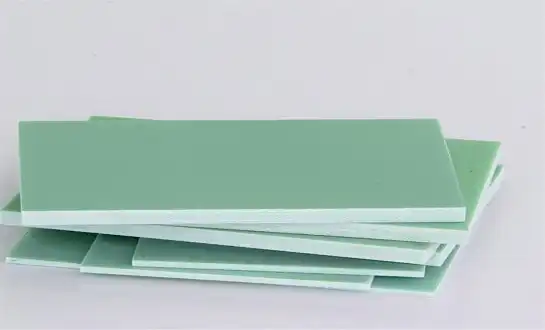
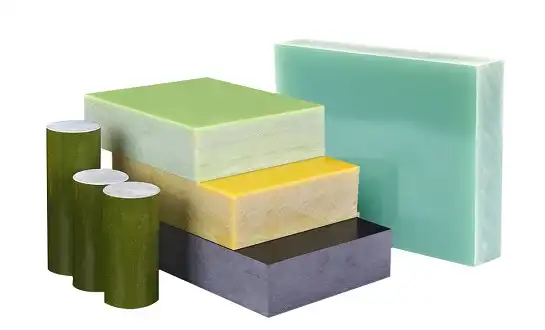
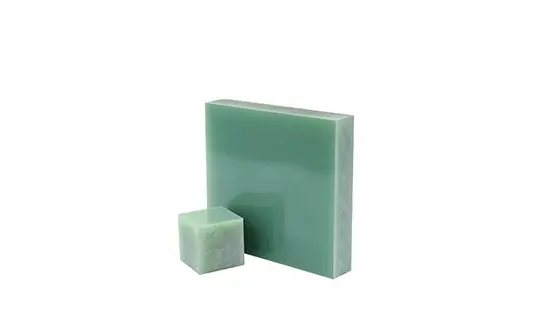
Modern laminating presses have changed the way G10 sheets are made by making temperature control, pressure distribution, and glue curing processes more precise than ever before. The latest automation systems get rid of the need for human mistake and make sure that each layer of fiberglass cloth bonds evenly with epoxy resin. This creates laminates that are consistently thick, have high dielectric strength, and have reliable mechanical qualities. This big step forward in technology solves long-standing problems in manufacturing that used to weaken materials. Now, industries from electrical switchgear to aerospace can get G10 composites with reliable performance traits that are needed for important engineering tasks.
Understanding G10 Sheet Consistency Challenges
Making glass-epoxy composites requires careful coordination of a lot of different factors. Each layer of knitted glass cloth needs to be saturated with enough resin, and any extra material needs to be squished out when it is compressed. Controlled heating changes the epoxy from a thick liquid to a stiff thermoset material through a series of complex polymerization processes. The change must happen the same way all the way through the plastic stack.
Thickness Variation and Its Industrial Impact
Tight tolerances for thickness are an ongoing problem in production. During lamination cycles, uneven pressure distribution creates areas in the composite structure that are resin-rich and areas that are resin-starved. Tolerances of less than ±0.005 inches are needed for electrical component makers who machine G10 sheet surfaces for use on printed circuit boards. Variations above this level require expensive repair or material refusal, which has a direct effect on how well the production works and how reliable the parts are.
Delamination Risks in Multi-Layer Constructions
A major failure mode is when the layers of glass cloth separate from each other inside. When heat doesn't get through enough or pressure is released too soon, it stops the glue from fully cross-linking at the edges of the layers. These secret holes are found by an ultrasonic C-scan analysis and hurt both the mechanical strength and the dielectric performance. When high voltage gradients or temperature cycle stress are put on power distribution equipment made of delaminated materials, it could fail catastrophically.
Surface Defects and Machinability Concerns
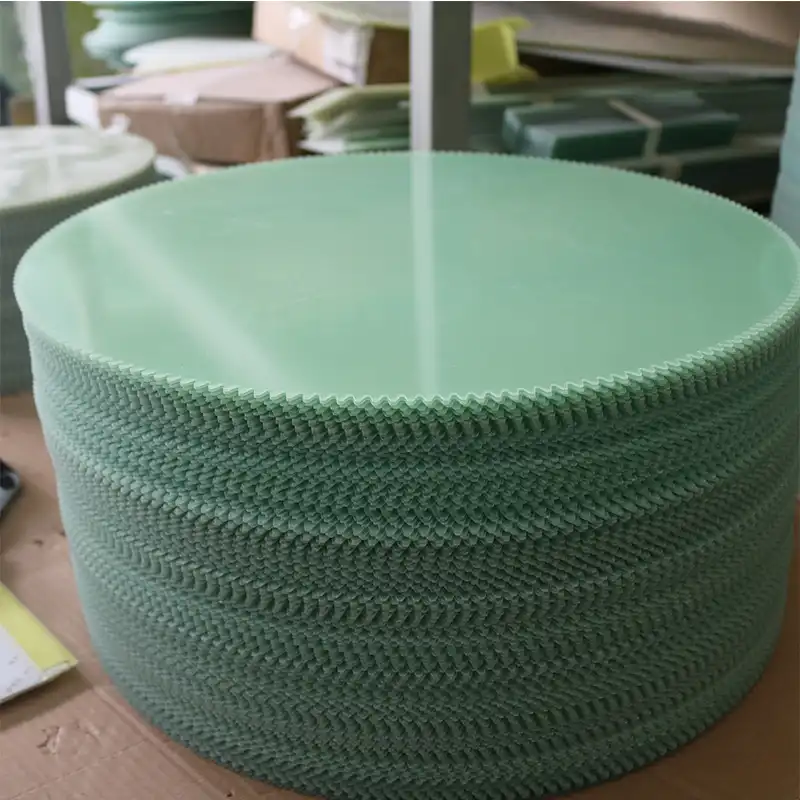
Surface flaws like resin pooling, fiber texture marks, and edge deformation can affect later CNC cutting processes. Companies that make parts for cars that need to cut precise insulation pads for battery pack systems need bases that are flat and even so they won't move around on the machining beds. Surface flaws make carbide tools wear out faster and cause errors in measurements that spread through the production process, leading to more waste and more work for quality control.
Limitations of Traditional Laminating Press Methods
For decades, most G10 sheet was made with traditional hydraulic and mechanical presses, which relied on the skill and knowledge of the operator to handle the many factors that affected the process. Adjusting the valves on these devices by hand controls the flow of hydraulic fluid, and analog readings control the pressure on the platen. Managing the temperature rests on heating elements that are built in, and the basic thermostatic settings don't give a lot of accuracy over big platen surfaces.
Variability from batch to batch is caused by process inconsistencies. Operators change the pressure by hand based on how the glue flows visually and how long they think it will take based on their experience. As the heating elements turn on and off, temperature differences appear across the platen surfaces. This makes areas of over-cured and under-cured resin within single laminate sheets. As equipment thermal mass builds up heat, changing cure dynamics, morning production runs are often different from afternoon batches.
Longer cycle times are needed to make up for problems with control, which slows down production. Conservative temperature jumps and long dwell times are used to try to make sure that the whole laminate stack cures, but these long processes lower the daily output capacity. Manually loading and removing equipment makes handling less consistent, costs more, and raises safety issues around hot equipment in the workplace.
Quality control stops being proactive and starts being reactive. Traditional presses can't be watched in real time, so makers have to wait until after production to find flaws. This method creates trash from batches that are refused and waits too long to find process drift, which can damage a lot of material. When purchasing from standard manufacturing operations, teams have to deal with unpredictable wait times and inconsistent quality, which makes it harder to handle inventory and plan production.
How Modern Laminating Presses Enhance G10 Sheet Consistency?
Modern laminating machines have microprocessor-based control systems that keep an eye on and change important process factors all the time. Spread out across heated platens, precise temperature sensors provide real-time thermal mapping. This lets software programs fix problems with heat distribution before they affect the consistency of the cure. Pressure transducers measure the real force that is being applied to the laminate stack. They keep the same numbers even if the thickness of the material or the viscosity of the resin changes.
Automated Process Control and Real-Time Feedback
People who work with digital control interfaces can set up full cure cycles with exactly defined temperature steps, pressure stages, and dwell time sequences. The system runs these programs in a way that can't be repeated by hand, which takes away the variable nature of human labor from the industrial process. Data logging records all the parameters of a production run, making traceability paperwork that meets the needs of the quality system and building statistical process control databases for efforts to make things better all the time.
Through zone-based heating control, temperature consistency across platen surfaces got a lot better. Different areas of the platen stay at the same temperature thanks to separate heating lines that work even when the thermal load and environment change. This accuracy stops the hot spots that break down the resin and the cold spots that don't fully fix it. This makes sure that the polymerization is the same all over each glass-epoxy laminate sheet, no matter where it is in the press.
Advanced Material Handling and Pressure Distribution
Engineered pressure distribution systems took the place of simple flat platens with more complex designs that take into account how plastic flows when it is compressed. These systems evenly press down on the whole laminate surface, stopping the edges from getting thinner and the middle from bulging out, which were problems in older ways of making things. Controlled pressure staging lets low-force compression be used first to squeeze extra resin out of the laminate stack. During the cure cycle, higher pressure is then applied to reach the desired thickness and density.
Leading makers that use modern laminating technology report failure rates that are more than 30% lower than with older equipment. Thickness tolerance went from usual ranges of ±0.010 inch to stable ranges of ±0.003 inch, meeting the need for accuracy in important electrical uses. According to ASTM D570, testing for water absorption shows better resin cure quality, with results typically below 0.1% showing full polymerization and the best G10 sheet qualities.
These changes in technology have a direct effect on how much things cost. Consistent material qualities make it easier to check new materials and keep production running smoothly even when substrates don't meet specifications. Better batch consistency helps just-in-time manufacturing tactics work and makes it easier to keep track of supplies. Reliable thickness standards get rid of the need for expensive secondary grinding, which lowers the total cost of the part and speeds up production.
Procurement Considerations When Choosing Laminating Presses for G10 Sheets
The evaluation of tools is based on its technical specs. Pressure determines the thickest laminate and densest material that can be used. For industrial uses, working pressures usually range from 800 to 2000 psi. Epoxy resin systems need cure temperatures between 280°F and 350°F. The temperature range must be able to handle these systems, and the heating control must be precise enough to keep the temperature constant across the platen surfaces by ±5°F.
The level of automation in different pieces of equipment changes a lot. Entry-level systems can control temperature and pressure through programming and require hand loading. They are good for moderate production rates. For high-volume industrial settings, advanced configurations with automated material handling, built-in preheating stations, and statistical process tracking make things run more smoothly. The choice must fit the needs for output scale and quality that are unique to the intended uses.
Infrastructure for after-sales assistance should be carefully looked at in addition to the cost of the initial tools. Comprehensive operator training programs make sure that manufacturing teams get the most out of complex control systems and learn how to fix problems. Response time for technical help during equipment setup and continuing production has a direct effect on operational uptime. Total cost of ownership changes over the span of an item depending on how easy it is to get replacement parts and how well the support network works.
When figuring out the return on an investment, you should look at more than just the direct capabilities of the tools. Better process control leads to less waste, which immediately saves money on materials. Automation makes work more efficient, which lowers the cost of production per unit and raises safety in the workplace. Better stability of materials lets you charge more for higher-quality goods, which might be enough to cover the cost of buying new tools by increasing profits instead of just lowering costs.
Partnering with a supplier is more than just buying tools. Manufacturers with a lot of experience in specific applications can help with process development by helping to find the best fix times for different resin systems and material structures. Long-term relationships make it easier to plan for upgrades to technology and capacity growth, which makes sure that manufacturing skills can adapt to new materials and changing market needs.
Best Practices and Maintenance Tips for Maximizing G10 Sheet Consistency
Routine Calibration and Preventive Maintenance Protocols
The accuracy of the temperature monitor has a direct effect on the consistency of the cure, and it needs to be checked against approved reference standards every three months. In the same way, pressure sensors need to be validated on a regular basis to make sure that control systems get correct input. Regular maintenance plans should check the state of the hydraulic fluid, the strength of the heater elements, and the levelness of the platen surface before they hurt the quality of the production.
Systematic checking methods find patterns of wear that show what needs to be fixed or replaced. Platen surface scoring from contamination or problems with earlier production makes pressure concentration spots that make uniformity less likely. Pressure shift and reaction time get worse when hydraulic seals wear out. Structured maintenance programs help find problems early on, which stops quality problems and unexpected downtime that delays output.
Operator Training and Process Optimization Strategies
Skilled workers who know how materials behave and how processes work together are essential for equipment to be useful. Comprehensive training programs should teach both basic operations and advanced problem-solving, making workers more skilled so that technology investments are used to their fullest potential. Instead of responding to quality failures, operators who are taught to spot subtle process signs can make changes ahead of time that stop defects.
Modern control systems include data analytics features that can be used to find ways to make things better all the time. Using statistics to look at process factors across multiple production runs shows links between control settings and material features. This lets cure cycle programs be made better. Trend monitoring finds small changes in equipment before they get too far off track, which helps planned maintenance plans that keep production running as smoothly as possible.
Conclusion
Modern laminating press technology has completely changed how G10 sheet is made, making it possible to achieve levels of accuracy that were not possible with older production methods. Automated process control, precise temperature management, and high-tech pressure distribution systems get rid of the factors that used to affect the qualities of materials. These advances in technology have measurable benefits, such as lower defect rates, better thickness tolerances, and better batch-to-batch uniformity. These benefits directly address procurement problems in the electrical, industrial machinery, power generation, automotive, and appliance manufacturing sectors. When you buy high-tech industrial equipment, you get it back in the form of less waste, higher efficiency, and better materials that can be used in tough engineering applications. When companies make strategic buying choices based on their production technology, they can get the reliable, high-performance materials they need to stay competitive in the manufacturing industry.
FAQ
How does automation specifically improve glass-epoxy laminate quality?
Automated systems get rid of human error by keeping exact control over time, temperature, and pressure during cure processes. Real-time feedback systems find and fix process deviations before they change the qualities of the material. This makes sure that every production batch has the same level of resin polymerization and fiber wet-out. This accuracy stops flaws like varying thickness, delamination, and insufficient curing that weaken the performance of electrical insulation and the power of the material in important situations.
What maintenance intervals ensure optimal manufacturing consistency?
Temperature monitors and pressure detectors need to be calibrated and checked every three months to keep their measurement accuracy, which is important for process control. Hydraulic systems need to have their fluid condition checked every month and their seals inspected once a year. Platen surfaces need to be cleaned after every production run and checked for flatness every six months. Scheduling preventive maintenance based on the hours that the equipment is used instead of date times makes sure that service activities are in line with how the equipment actually wears down, which increases uptime and protects material quality.
Can advanced laminating technology scale for large-volume production?
Modern systems have automatic ways of moving materials and fast cycle times that are made for high-throughput production. Multiple laminate stacks can be processed at the same time by multi-opening press setups, which increase production capacity without lowering the quality of each sheet. Manufacturers can keep tight specifications across millions of square feet of yearly production thanks to statistical process control and continuous tracking. This helps with both mass production of cars and the production of precise electrical parts.
Partner with J&Q for Superior G10 Sheet Manufacturing Solutions
J&Q uses current manufacturing technology along with more than 20 years of experience making insulating materials to make G10 sheet goods that meet the strictest industry standards. Our high-tech laminating skills make sure that thickness tolerances are always the same, that dielectric strength is always high, and that mechanical qualities are always reliable. These are all important for electrical switchgear, precision machinery parts, and high-performance car uses. As a supplier of G10 sheets with a lot of experience, we know how important it is for your production processes and quality promises that the materials you use are always the same.
Our expert team offers full application support and can help you choose the best material grades and setups for your needs. Contact us at info@jhd-material.com to talk to one of our experts about how to buy G10 sheets, get access to full technical datasheets, or ask for samples to try. With combined logistics skills gained through ten years of foreign trade, we offer a one-stop service from choosing materials to delivering them, making sure that your supply chain works as efficiently and reliably as possible.
References
National Electrical Manufacturers Association. "NEMA Standards Publication LD 3-2005: High-Pressure Decorative Laminates and High-Pressure Industrial Laminates." National Electrical Manufacturers Association, 2005.
ASTM International. "ASTM D709-19: Standard Specification for Laminated Thermosetting Materials." ASTM International Committee D20 on Plastics, 2019.
Richardson, M.O.W. and Zhang, Z.Y. "Polymer Composites in the Electrical and Electronics Industries." Rapra Technology Limited Industrial Materials Series, 2003.
Harper, Charles A. "Handbook of Materials and Processes for Electronics." McGraw-Hill Professional Engineering, 2004.
Lubin, George. "Handbook of Composites: Modern Manufacturing Techniques for Thermoset Laminates." Van Nostrand Reinhold Industrial Processing Methods, 1982.
Peters, S.T. "Handbook of Composites: Manufacturing Process Control and Quality Assurance in Composite Materials Production." Chapman & Hall Advanced Materials Engineering Series, 1998.

Get a complete product list and quotation
J&Q New Composite Materials Company