Why CNC Machining Is Preferred for High-Precision Phenolic Cotton Parts?
CNC cutting is the best way to make high-precision phenolic cotton parts because it gives the most accurate measurements, keeps the material's integrity, and makes sure that the quality is the same from one production run to the next. Electrical insulation, mechanical spacers, and heat-resistant parts used in many businesses need to meet very tight standards. This new technology can do that. CNC machining gets rid of the flaws that come with human production by automating precise control and improving tool paths. It also keeps the composite structure's mechanical and insulating qualities, which are important for demanding uses.
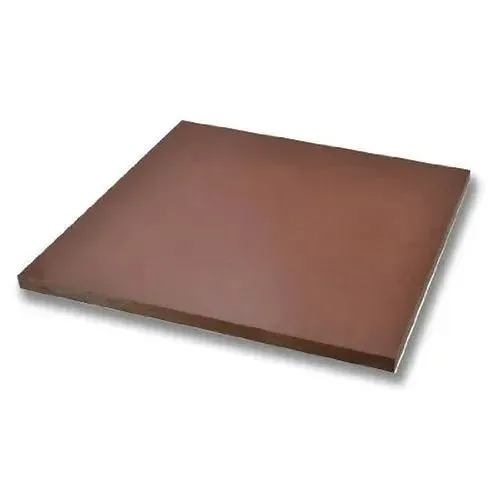
Understanding Phenolic Cotton Parts and Their Technical Requirements
Material Composition and Core Properties
Phenolic cotton laminates are made up of layers of knitted cotton cloth that are saturated with thermosetting phenolic resin binders. They are made under high pressure and temperature, as required by NEMA standards (grades C, CE, L, and LE) or IEC 60893 guidelines. This structure combines the flexibility of cellulose fibers with the heat resistance of phenolic resins to make materials that can survive temperatures of up to 125°C while still keeping electrical insulation qualities at Class E (120°C). The phenolic matrix protects against chemicals like oils, acids, and wetness that are common in industrial settings, while the cotton weave is tough mechanically and absorbs shock to keep gear systems quiet.
Critical Technical Specifications
Tight dimensional accuracy is required for these laminates, usually within ±0.2mm to ±0.5mm thickness tolerances based on gauge, to make sure they fit properly in systems where clearances directly affect performance. The main goals of surface quality standards are to stop delamination and keep the dielectric strength. This is because any structure separation or surface flaws can lead to electrical tracking or mechanical failure. The weave consistency—which is different for coarse canvas grades (NEMA C, CE) and fine linen grades (NEMA L, LE)—affects how easy it is to machine and how good the surface finish is. When parts work in wet or oiled conditions, engineering standards need to account for a small amount of hygroscopic expansion (0.1 to 0.2%). This means that clearances need to be calculated in bearing and bushing uses.
Application Demands Across Industries
These materials are used by electrical and electronics companies to make PCB support structures, motor insulation frames, and circuit barriers. Their dielectric power keeps arc flashes from happening. As wear-resistant gears, structural spacers, and guide rings, phenolic cotton parts are used by manufacturers of industrial machinery to keep expensive metal surfaces from getting scratched during heavy-load operations. These materials are used in power distribution systems to insulate coils and act as thermal shields in transformers. Their flame resistance and temperature stability keep breakdowns from being too bad. Battery pack insulation pads and heat-resistant mounting devices are used in cars, and exact measurements are needed to make sure that heat is managed properly and electricity is kept separate. When sourcing experts understand these different needs, they can choose parts that will work reliably and last a long time in harsh industrial settings.
Challenges in Machining Phenolic Cotton Parts Using Traditional Methods
Tolerance and Surface Quality Limitations
Traditional ways of cutting don't work well for making phenolic cotton parts with accurate measurements, especially when the width needs to be kept the same across large sheets or complicated shapes. When things are done by hand, there is variation in the results because people are different. Tolerances also move outside of normal ranges as tools wear out or users change parameters. Because cotton fibers are rough, they speed up the wear and tear on cutting edges. This leads to measurement drift during production runs and requires frequent tool changes that slow down work. The quality of the surface finish is lower because of tear-out and fuzzing, which happen when fibers pull apart instead of shearing neatly. This makes the texture rough, which looks bad and could hurt the dielectric performance in electrical applications.
Material Integrity Compromises
When you use old tools or the wrong feed rates, conventional cutting methods can create too much heat from friction between the tool and the material. This increase of heat breaks down the phenolic resin matrix, causing charring in some places that weakens the structure and makes carbonized tracks for electricity to follow. Delamination between layers of cotton cloth is caused by mechanical stress from incorrect pressing or cutting forces, especially at the edges where shear forces are strongest. These structural separations get worse under practical loads, which causes parts to fail before they should. The hygroscopic cotton fibers soak up water during processing if coolants soak the material. This can change the dimensions after machining, which means that the limits that were set are no longer true and there are problems with fitting during assembly.
Operational and Economic Impacts
These problems with machining lead to a lot of waste because parts fail measurement checking or have surface flaws that need to be fixed. Quality control requires a lot of work because parts have to be carefully inspected for delamination, measurement drift, and surface flaws before they can be put together. Rework processes take more time on the machine and more work, and the quality is rarely as good as it could be with proper manufacturing the first time. When machining flaws cause batch rejections, which happens a lot with just-in-time manufacturing plans, production delays spread through supply lines. We have seen buying budgets get tight because of higher costs due to wasted materials, longer production cycles, and faster shipping fees to make up for late deliveries. These are problems that have a direct effect on how profitable the project is and how happy the clients are.
Why CNC Machining Excels in Producing High-Precision Phenolic Cotton Parts
CNC machining is better for making things out of phenolic cotton parts because it has basic process powers that can handle problems unique to the material while still providing industrial-scale accuracy. Here are the main benefits this technology brings to the process of making composite laminates:
- Automated Precision Control: Computer numerical control takes away the unpredictability of human error by following pre-programmed tool paths that are repeatable to the level of microns. Servo-driven placement systems make sure that thickness errors stay within the required ranges throughout production runs by keeping the dimensions of thousands of parts accurate over time. With multi-axis capabilities, you can make complicated shapes like exact radii, angled features, and detailed profiles that you couldn't make by hand.
- Optimized Material Interaction: Cutting-edge CAM software figures out the best feed rates, spindle speeds, and tool interaction strategies for the hybrid structure of phenolic cotton. High cutting speeds and carbide or diamond-tipped tools make clean split instead of tearing fibers, which results in better surface finishes that keep their dielectric qualities. Programmed cooling strategies that use mist lubrication or compressed air to remove chips without wetting the hygroscopic cotton fibers stop the fibers from absorbing water. Shallow depth-of-cut passes reduce delamination forces while still meeting the minimum dimensions.
- Real-Time Quality Assurance: In-process tracking systems use probe measures and laser scanning to check the dimensions while machining is happening. They find any differences before the whole batch is finished. Statistical process control combines measurement data from different production runs to find trends of tool wear and change tools before they lose their shape. This real-time validation makes sure that every part meets the requirements without depending only on inspections done after the fact.
Comparing CNC Machining with Alternative Methods for Phenolic Cotton Parts
Precision and Surface Finish Differentiators
When working with phenolic cotton parts laminates, CNC machining gives you surface finishes and size specs that you can't get with pressing, water jet cutting, or laser processing. When you stamp, you apply compression forces that separate layers and make lines that need extra finishing. The water jet cutting process adds wetness to hygroscopic cotton fibers, which makes the parts unstable as they dry and shrink in unpredictable ways. Laser processes produce too much heat, which turns phenolic glue into carbon and weakens the qualities of materials in areas that are exposed to the heat.
Material Performance Considerations
If the requirements for the purchase allow it, options like FR4 epoxy-glass laminates or G10 boards are better at keeping out moisture and can handle higher temperatures, making them ideal for main electrical shielding. But these materials don't have the unique ability of phenolic cotton parts to absorb mechanical shock, dampen sound, and prevent wear, which makes it useful in gear systems and bearing uses. The cotton fiber structure acts as a protective barrier to keep expensive metal parts from getting scored, and the naturally lubricating nature of the material means that it can be used without constant external greasing.
Cost-Performance Economics
The economic benefits of CNC cutting become clear when large amounts of work are done. This is because economies of scale lower the cost per unit while keeping quality standards high. Initial investments in programming are spread out over a large volume of production, and automatic operation cuts down on labor costs compared to hand fabrication. Precision first-pass manufacturing cuts down on scrap rates, which gets rid of the cost of wasted materials. Faster output cuts down on wait times, which helps keep projects on schedule. For large production runs, where quality stability stops problems with assembly and failures in the field, CNC has a lower total cost of ownership.
How to Choose the Right CNC Machining Supplier for Phenolic Cotton Parts
Essential Supplier Qualifications
When choosing a machining partner, you need to look at how well they've worked with phenolic cotton parts materials in the past. General CNC skills don't always lead to good laminate creation. Suppliers should show that they have experience with NEMA-grade materials and IEC 60893 standards. They should also know the differences between canvas and linen weaves and how they affect tooling techniques. Quality certifications, like ISO 9001, show that processes are controlled in a planned way. UL or ROHS compliance paperwork shows that materials meet important standards for regulated industries.
Customization and OEM Support Capabilities
For industrial uses, unique shapes, changed material grades, or special finishing processes are often needed that aren't available in standard catalogs. Check out possible suppliers' engineering support services, such as their ability to work with CAD files, do design-for-manufacturability reviews, and offer development services. As part of the sample approval process, there should be records on measurements, certifications of materials, and test coupons that make sure qualities match the requirements. Volume scalability becomes very important when pilot projects turn into full production, meaning suppliers must be able to keep quality consistent whether they produce hundreds or thousands of parts.
Procurement Process Efficiency
Practical buying issues have a big effect on supply chain success. Minimum order numbers (MOQs) affect both the cost of keeping inventory and the flow of cash. MOQs can be changed to accommodate changing demand trends. Lead time promises need to match up with project schedules, taking into account how long it takes to get materials, machine them, check them for quality, and ship them. We have worked with many partners in the US and abroad to make buying processes more efficient. Our combined logistics operations offer a one-stop service that eliminates coordination issues. This makes sure that parts arrive on time without having to pay extra for faster shipping or deal with problems at customs.
Conclusion
CNC machining is the best way to make high-precision phenolic cotton parts because it can handle the unique challenges of working with this material and provide accuracy in measurements, quality of the surface, and stability in output that can't be achieved with traditional methods. The technology's automated accuracy, improved material interaction strategies, and real-time quality checks make sure that parts meet the strict requirements needed for mechanical and electrical uses. When looking at providers, people in charge of buying things should give more weight to partners who can show they know a lot about the material, have quality certifications, and have the right process skills to support both prototype development and large-scale production. Choosing the right machining technology directly impacts the performance of the component, the stability of the supply chain, and the total cost of ownership.
FAQ
Can phenolic cotton laminates serve as primary electrical insulation in high-voltage applications?
These materials have good dielectric strength for structure insulation and secondary barriers. However, because cotton fibers absorb water, they can't be used as effectively as FR4 or G10 glass-epoxy for main high-voltage insulation. Over time, insulation resistance goes down when it absorbs moisture, especially in damp places. Glass-reinforced laminates work best in situations where the dielectric performance needs to stay the same even when the humidity changes. phenolic cotton parts, on the other hand, are great for mechanical insulation jobs where shock absorption and wear protection are both important.
How does CNC machining prevent delamination during fabrication?
By planning short depth-of-cut passes that reduce shear stress between laminate layers, computer-controlled tool tracks make the best use of cutting forces. Climb milling methods use less pulling force on the material than traditional milling, and sharp carbide tools cut through resin and cloth without tearing them. When work is held correctly, binding pressure is spread out evenly. This stops stress from building up in one area, which can cause layers to separate. During cutting, these process controls keep the structure's integrity, which means that the composite bonds in the finished parts stay strong during use.
What dimensional tolerances can CNC machining reliably achieve with these materials?
Standard CNC operations keep thickness errors within ±0.2mm for materials up to 10mm thick. Tighter control is possible with precision fixtures and double-checking measurements. Specifications for flatness usually say that across-dimension parts should be 0.3 mm flat, and hole locations should be accurate to within 0.1 mm. With the right tools and cutting settings, the surface finish quality can reach Ra values below 3.2 micrometers, meeting the needs of parts where surface texture affects how well they fit together or how well they work electrically.
Partner With J&Q for Precision-Engineered Phenolic Cotton Solutions
J&Q has been making things for over twenty years and has special CNC tools that are made to make it easier to make phenolic cotton parts. Our research teams know a lot about the science behind NEMA-grade laminates and can turn your technical requirements into made parts that meet all of your electrical, mechanical, and size needs. Advanced quality systems check that every batch of products meets your standards, and our streamlined transportation operations make sure that they get to you on time to support your production plans.
We can make solutions that are exactly what you need, whether it's structural insulation for transformer assemblies, wear-resistant gears for industrial machinery, or precision-machined barriers for car battery systems. Email our team at info@jhd-material.com to talk about your needs, get detailed information, or set up a sample review. As a provider with a lot of experience, we can give you the quick service and consistent quality that your operations need. Our certifications and process controls meet the high standards that procurement workers around the world expect.
References
National Electrical Manufacturers Association. (2021). Industrial Laminating Thermosetting Products (NEMA LI 1-2021). NEMA Standards Publication.
International Electrotechnical Commission. (2019). Insulating Materials - Industrial Rigid Laminated Sheets Based on Thermosetting Resins for Electrical Purposes (IEC 60893). IEC Technical Committee.
Johnson, M. R., & Williams, P. T. (2020). Precision Machining of Composite Materials: Process Optimization and Quality Control. Journal of Manufacturing Processes, 58, 447-462.
Thompson, R. L. (2022). Advanced CNC Techniques for Thermosetting Laminates. Society of Manufacturing Engineers Technical Paper Series.
Zhang, H., Chen, Y., & Liu, Q. (2021). Thermal and Mechanical Properties of Phenolic Resin Composites for Industrial Applications. Composites Science and Technology, 205, 108-121.
American Society for Testing and Materials. (2020). Standard Test Methods for Rigid Phenolic Laminate Materials (ASTM D709-17). ASTM International Standards.

Get a complete product list and quotation

J&Q New Composite Materials Company



