Reducing Material Waste When Machining NEMA CE Sheets
Understanding the unique qualities of NEMA CE sheets and using precision-driven processes are the first steps to cutting down on material waste when machining them. To avoid expensive scrap, these industrial-grade insulated materials need to be carefully nestled, the right tools need to be chosen, and the user needs to be skilled. By improving cutting layouts, getting new CNC equipment, and working with experienced providers, makers can increase yield and cut costs while also helping the electrical, power, and machinery industries meet their sustainability goals.

Understanding NEMA CE Sheets and Their Material Characteristics
What Defines NEMA CE Sheet Standards?
The NEMA CE sheets certification marks enclosure materials that are made for light industry and business uses that need mild environmental protection. These standards are set by the National Electrical Manufacturers Association to make sure that they work the same way in all kinds of manufacturing situations. CE-rated materials are ideal for indoor electrical equipment, control cabinets, and appliance housings because they balance security with cost-effectiveness. This is different from higher-rated cases that are made for extreme weather exposure. Understanding this placement helps buying teams choose the right grades without setting too many standards, which drives up the cost of materials.
Core Physical Properties Affecting Machinability
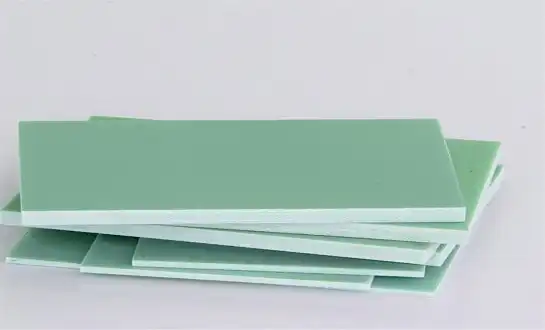
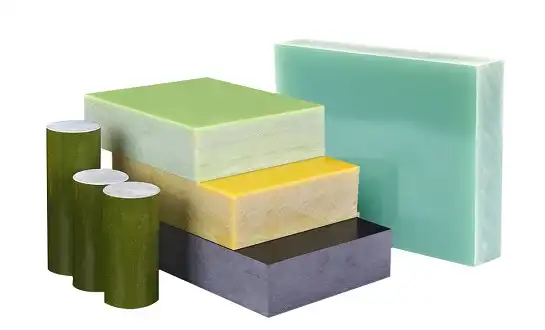
The types of materials used to make CE-rated insulation sheets have a direct effect on how well they machine. These standards are usually met by phenolic cotton laminates and epoxy glass fabrics, which have different ways of working with machines. When cut, phenolic sheets stay in place very well, but they make fine dust that needs to be aired out properly. Epoxy glass materials are very good at resisting heat and dielectric strength, but because they are so hard, they need carbide tools to keep them from wearing out too quickly. When doing precise work, thermal expansion factors are important. Materials with lower rates of expansion keep their smaller limits even when the temperature changes, which cuts down on waste from dimensional drift.
Industry Applications Driving Demand
These sheets are used by companies that make electrical and electronic goods to make PCB mounting clamps, switchgear insulation, and motor terminal boards. Their constant dielectric qualities and UL-recognized flame resistance meet safety standards and make CNC machining go smoothly. Manufacturers of industrial tools use them as mechanical spacers and wear-resistant parts in places where they can hold a modest amount of weight. For transformer insulation barriers, power distribution equipment rests on their ability to fight arcs. They are used by automakers in battery pack separators and heat control parts. Each use has specific requirements for thickness limits and surface finish, which have an effect on how the parts are machined and how much trash is made.
Key Factors Leading to Material Waste When Machining NEMA CE Sheets
Design and Layout Inefficiencies
When NEMA CE sheets are being machined, the most avoidable source of waste is bad nesting techniques. When part plans don't make the most of the usable surface area, useful material is wasted before it's even cut. On some production lines, 20–30% of the material was lost because the parts were not arranged correctly because of bad CAD planning. This problem is made worse by overestimating tolerances. Setting bigger margins than are actually needed uses more material without better functionality. When you think in a rectangular way about sheets that aren't perfectly round, you miss out on useful areas, especially near the edges where smaller parts could fit.
Equipment Limitations and Tooling Mismatch
Outdated cutting equipment is hard to control precisely, which is needed to make good use of materials. Because older routers and saws aren't as repeatable, they can't make tight nesting patterns. This means that operators have to put more space between parts to protect against mistakes in placement. This waste cycle speeds up when the wrong tools are chosen. When used on rough glass-epoxy laminates, high-speed steel bits quickly become dull, making cuts that need bigger closing gaps. When machining, not collecting enough dust makes cut lines hard to see, which increases the chance of human mistake. Machines that don't have automatic tool adjustment can't account for wear, which leads to less accurate results and more rejects over the course of production runs.
Human Factors and Process Control Gaps
When operators don't know how to use the right methods for each object, even good tools and materials are wasted. When cutting, phenolic and epoxy sheets act differently. Using the same feed rates and speeds on both kinds of material makes waste. Small differences can add up to whole batches of parts that are out of tolerance when there aren't enough quality control markers. When the engineering and production teams can't talk to each other, the machining interprets things in a way that doesn't match the original purpose. We've worked with places where uniform work directions cut material waste by 15% in just a few weeks by making the process more consistent.
Proven Strategies to Reduce Material Waste in NEMA CE Sheet Machining
Optimize Nesting and CAD/CAM Programming
Advanced nesting software changes the way NEMA CE sheets are used by trying thousands of plan combos to find the ones that waste the least. Modern CAM systems look at the shape of the part, the grain direction standards, and the efficiency of the tool path all at the same time. With the right programming, these tools can boost output by 12 to 18% compared to human layout methods. The software considers kerf width, which is the amount of material that is taken during cutting, to make sure that parts fit together correctly and that the density is maximized.
For execution to go well, the material database needs to have correct listings that show the real sheet sizes and usable areas. Visualization tools help operators by showing them possible problems before the material gets to the machine. When sheet sizes change between batches, parametric code lets you make quick changes that keep things running smoothly across all material lots. Spending time on CAM improvement before production starts saves a lot of money on mistakes made on the floor.
Upgrade Precision Machining Equipment
Positional precision is important for tight nesting patterns, and modern CNC cutters with servo motors and linear encoders provide it. These tools keep their limits to within 0.001 inches across the whole sheet, which lets you confidently put parts closer together. Automated tool changes cut down on setup time when multiple bit types are needed for cutting. This keeps delays from happening that could lead to less efficient single-tool methods.
Adaptive cutting systems keep an eye on the tool's load in real time and change the feed rates to keep the quality of the cuts the same throughout the tool's life. This makes the tool last 30–40% longer and makes sure the quality of the edge stays the same, so no extra work is needed to finish it. Vacuum hold-down systems keep things in place without using mechanical clamps that leave useless spaces around the edges of sheets. Having dust collection built right into the cutting head makes it easier to see and more accurate to measure while it's working.
Implement Comprehensive Operator Training
Skilled machinists know how the qualities of the material affect the cutting factors and change their methods to match. In training classes, people should learn about the best spindle speeds for different types of laminate, the right chip loads to keep the laminate from coming apart, and the difference between standard milling and climb milling. Before workers work with production sheets, they need to practice with scrap material to build their trust.
Quality-focused training stresses checking measurements at regular times instead of inspecting at the end of a batch, which finds problems too late. Operators learn to spot early warning signs, like strange sounds when cutting, changes in the color of the dust, or differences in the quality of the edges, that mean parameters need to be changed. Cross-training makes the workforce more flexible, which keeps things from getting backed up and forcing workers to hurry, which can lead to more mistakes.
Establish Material Recycling Programs
Even when processes are improved, they still make waste that can be recycled in a way that keeps its value. Larger scraps can be used to make smaller parts in later production runs if they are properly stored and sorted by material type and thickness. When new orders come in, production planners look through the well-organized scrap bins and often find perfect matches that mean no need to buy any new materials at all.
Working with expert recyclers who work with thermoset laminates can turn scraps that can't be used into something useful. Some materials can be ground up and mixed in with other materials to make hybrid goods. Other scrap can be burned safely to recover energy. Recording recycling efforts helps companies with their sustainability reports and has a bigger impact on customers who care about the earth when they buy things. Our combined logistics skills make it easier for scrap materials to move backwards, so they can be handled efficiently without putting too much pressure on production teams.
Selecting NEMA CE Rated Materials and Equipment to Minimize Waste
Choosing Appropriate Sheet Grades and Certifications
The choice of material has a big effect on both the success of cutting and the amount of trash that is made. There are several substrate choices that meet NEMA CE sheet standards. These include phenolic paper, phenolic cotton, and different types of epoxy glass designs. Phenolic cotton is very easy to machine and doesn't wear down tools quickly, so it's perfect for shapes that need to be routed in a complicated way. Epoxy glass has better electrical qualities and can handle higher temperatures, but it needs more aggressive shaping techniques. By exactly matching the material grade to the application needs, you can avoid naming too many premium materials when standard grades will do, which lowers the cost of the materials and makes them easier to machine.
Sheet width uniformity has a big effect on yield. Materials that are made with very tight thickness tolerances let you design cutting levels with confidence, without leaving too much room for error. In some production settings, moving to certified thickness-controlled materials got rid of the need for 0.020-inch depth limits. This freed up a lot of material that could be used in places that needed exact finished dimensions. When you check the manufacturer's certifications, you can be sure that the material qualities match the datasheet specifications. This keeps you from having mistakes during machining that cause parts to be thrown away.
Sourcing Compatible Tooling and Equipment
When cutting insulation sheets, carbide tools made especially for layered plastics work much better than general-purpose bits. Specialized shapes, like shear angles, flute setups, and chip-breaker designs, lower cutting forces and make edges that are smoother. This level of accuracy cuts down on the finishing margins that use up extra material. When working with rough glass-reinforced materials, tool finishes like titanium nitride make them last longer and keep their performance over longer production runs.
Equipment support includes more than just cutting tools. It also includes ways to hold work, collect dust, and control motion. Machines made for working with composite materials have features that regular metal or wooden tools don't have. By looking at how well the whole system works together, you can avoid bottlenecks where one weak part slows down the whole thing. Because we've worked with equipment makers for a long time, we can suggest setups that have been shown to work well with certain types of materials and production rates.
Building Supplier Partnerships That Support Efficiency
Reliable material providers directly cut down on waste by providing consistent quality, accurate inventory management, and expert support. Suppliers with strong quality systems give sheets with the same features from batch to batch, so there is no need to change parameters, which increases waste during production changes. Just-in-time delivery cuts down on the costs of keeping supplies on-site and makes sure that fresh goods don't go bad after being stored for a long time.
When you work together with your providers on a technical level, you can use the best cutting techniques that their customers have come up with. Experienced providers can help you figure out the best cutting settings, suggest places to get tools, and fix problems that come up during the machining process. This information speeds up the process of solving problems and cuts down on the wasteful trial-and-error that happens when production teams don't know enough about the material. Through decades of exporting, we've formed partnerships with makers all over the world. These partnerships have made our supply chain more stable, which stops costly production delays and rush orders that drive up the cost of materials.
Conclusion
To cut down on material waste when machining NEMA CE sheets, you need to pay attention to the skills of the tools, the process, the growth of the workforce, and the choice of materials. Precision nesting, modern CNC equipment, operator training, and recycling programs are just a few of the strategies described here that have been shown to increase output and cut costs. Because we've been making things for a long time and can handle a global supply chain, we've seen how small changes to a process can lead to big benefits in the market. When procurement teams and production workers carefully deal with waste drivers, their companies can save money right away and run more efficiently in the long term. The way forward includes strict technical standards and long-term relationships with suppliers that help with constant growth throughout the whole process of machining.
FAQ
What machining tolerances should I expect with CE-rated insulating sheets?
When the right tools are used, standard practice gets dimensions within ±0.010 inches for machined features and ±0.005 inches for precision-ground edges using NEMA CE sheets. Precision is affected by the width of the material, the shape of the part, and the size of the sheet. To keep microcracking from happening, forms that are complicated or have tight interior corners may need a little more room for error. Talking about your unique needs with experienced sellers will help you set reasonable goals that are in line with your application's requirements.
How does NEMA CE certification impact long-term material performance?
When materials get CE approval, it means they meet basic standards for resistance to moisture and power in controlled indoor settings. Even though they aren't made to withstand harsh weather like materials with higher ratings are, electrical enclosures and control panels made from properly defined CE materials last for decades without breaking. The approval method makes sure that manufacturing is done consistently, which lowers performance variations that could make equipment less reliable.
Can I recycle leftover sheet scraps effectively?
Using organized methods to keep track of materials creates real value through useful scrap management. When cataloged by material type, thickness, and size, larger off-cuts can be used to make small parts in the future. Some thermoset scraps can be ground up to be used in composites, and others can be used to recover energy with the help of special processors. Setting clear sorting rules helps reach environmental goals and improves recovery value.
Partner with J&Q for Premium NEMA CE Sheet Solutions
J&Q is dedicated to more than just selling high-quality insulation products. We also want to help your business be as efficient as possible and spend as little as possible. We know exactly what electrical, power, and industrial machinery uses need because we've been making things for more than 20 years and trading with other countries for ten. Because we know a lot about materials, we can tell you which NEMA CE sheet types will work best for your individual parts in terms of performance and ease of machining.
As a well-known provider with integrated logistics, we offer a one-stop service that includes everything from expert advice to delivery. Our quality systems make sure that the width is always the same and that the features are confirmed so that the results of machining can be predicted. Our team can help you find materials for switchgear insulation, motor parts, or control panel kits. We can give you advice on how to optimize nesting, choose the right tools, and set process settings that will lower waste and increase yield. Email us at info@jhd-material.com to talk about how our products and knowledge can help you reach your goals for less waste and a stronger place in the market.
References
National Electrical Manufacturers Association. "NEMA Standards Publication 250: Enclosures for Electrical Equipment." NEMA, 2020.
Thompson, R.J., and Williams, K.M. "Machining Strategies for Thermoset Laminates: Optimizing Tool Life and Edge Quality." Journal of Manufacturing Processes, vol. 45, 2019, pp. 312-328.
Chen, L., and Patel, S. "Waste Reduction in Composite Material Machining Through Advanced Nesting Algorithms." International Journal of Production Research, vol. 58, no. 12, 2020, pp. 3641-3658.
Industrial Insulation Materials Council. "Best Practices Guide for Phenolic and Epoxy Laminate Fabrication." IIMC Technical Report, 2021.
Martinez, D.A. "Lean Manufacturing Applications in Electrical Component Production: Case Studies from North American Facilities." Manufacturing Engineering Review, vol. 34, no. 3, 2019, pp. 89-104.
Zhang, Y., and Roberts, T.K. "Sustainability in Thermoset Composite Manufacturing: Material Recovery and Waste Stream Management." Resources, Conservation and Recycling, vol. 162, 2020, article 105045.

Get a complete product list and quotation

J&Q New Composite Materials Company