Why Choose G10 Epoxy Sheet for High-Strength Insulation Parts?
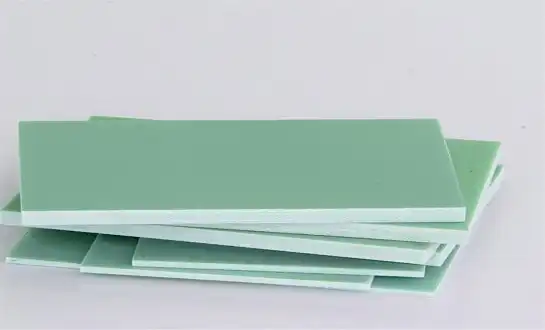
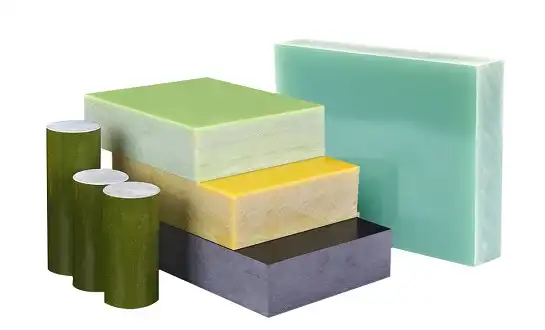
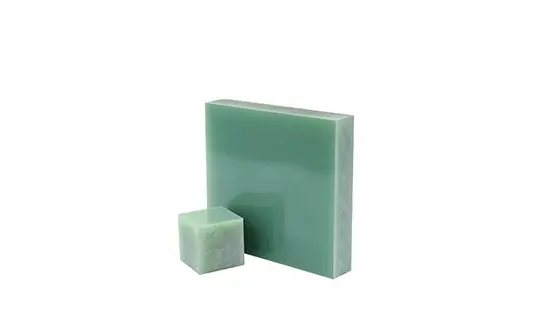
When engineers want the best mechanical strength and electrical stability in a material for important insulation jobs, G10 epoxy sheet stands out as the clear winner. This high-performance composite material has great insulating qualities and is very stable at high temperatures. This makes it an essential material for harsh industrial settings where regular insulation materials don't work consistently.
Understanding G10 Epoxy Sheet - Composition and Key Properties
G10 epoxy sheet is a high-tech insulation material that is made using exact manufacturing methods that give it performance qualities that can't be beat. Carefully managed layers of continuous fiber glass cloth are put on top of premium epoxy resin systems to make this composite material. The material then cures at high temperatures and pressures.
Manufacturing Process and Material Structure
High-quality woven glass cloth is used as the support grid at the start of the production process. Each layer is fully saturated with a specially made epoxy glue. This makes strong molecular links between the polymer matrix and glass fibers. The laminated unit is compressed at temperatures above 300°F, which makes a dense, void-free structure with the same mechanical qualities across the whole sheet thickness.
This way of making things makes sheets that are very stable in terms of their dimensions and have uniform electrical properties. The glass fiber support gives the material great tensile strength, and the epoxy matrix makes it resistant to chemicals and good at handling heat. The finished product is very easy to cut with a CNC machine, which lets complicated shapes be made precisely for specific uses.
Critical Performance Characteristics
The amazing mix of electrical and mechanical qualities in G10 materials makes them valuable to engineering teams. The dielectric strength is always higher than 20,000 volts per millimeter, which means it works reliably in high-voltage situations. Temperature resistance goes from very cold temperatures (cryogenic) to 285°F for long-term use, and higher temperatures can be reached during short-term contact.
The substance is very good at resisting arcs and tracking, which means it can be used in switches and electrical enclosures. Most industrial solvents, oils, and cleaning agents that are widely found in production settings are chemically compatible. These qualities stay the same over an extended service life, which is important for critical applications that need reliable performance.
G10 Epoxy Sheet vs. Alternative Insulation Materials
When building teams compare insulation materials for tough jobs, knowing the differences in performance helps them make smart choices. During the decision process, many things are looked at, such as the product's long-term stability, mechanical strength, thermal performance, and electrical features.
Performance Comparison with Common Alternatives
For everyday electronics uses, FR4 sheets are cheaper, but they aren't strong enough to be used for structural insulation parts. Even though FR4 works well enough electrically for circuit boards, it can't be used in places with higher temperatures because it has a lower glass transition temperature. G10 materials have better mechanical qualities at high temperatures, which makes them better for uses in motor housings and transformers.
Phenolic cotton sheets are cost-effective and have good mechanical qualities, but they don't conduct electricity as well as glass-epoxy composites. The organic cotton support soaks up water more easily than the glass fibers, which could make the electricity performance worse in damp places. Moreover, phenolic resins are less resistant to temperature changes than epoxy systems, which limits the range of uses they can have.
Carbon fiber reinforced plastics have great strength-to-weight ratios, but they can conduct electricity, which can be a problem for insulator uses compared to G10 epoxy sheet. Because carbon fibers are conductive, they need to be carefully thought out in the planning process and often need extra insulation, which makes the end assembly more complicated and costs more.
Application-Specific Material Selection
The best material to use depends on the needs of the product and the situations under which it will be used. Power distribution equipment works reliably even when it's under a lot of electrical stress thanks to G10's high spark resistance and tracking resistance. The high compressive strength and physical stability of the material make it useful for making precise mechanical parts for industrial tools.
Materials used in cars need to be able to handle changes in temperature, pressure, and being exposed to fluids used in cars. G10 sheets work great in these tough conditions because they keep the electrical integrity and support the structure of battery pack units and motor insulation systems. The material meets quality standards for car uses, which makes it easier to use in safety-critical settings.
Procurement Guide for G10 Epoxy Sheets – Sourcing and Customization
To successfully buy G10 materials, you need to know what the suppliers can do, what the quality standards are, and how you can make the materials fit your needs. Building relationships with qualified suppliers guarantees steady access to materials and expert help during the whole process of product creation.
Supplier Evaluation and Selection Criteria
Quality certification is one of the most important things that buyers look for in possible sellers. Look for companies that have quality management systems that are written down and, ideally, are approved to meet car or aircraft standards. These approvals show that the process is well controlled and that the material qualities are always the same. Ask for proof of compliance that show you've followed the appropriate electrical and mechanical rules.
Superior sellers are different from commodity suppliers in that they can provide technical help. Suppliers with a lot of experience can help you choose the right materials, with application engineering, and with making unique specifications. This knowledge is useful when changing standard materials to fit specific needs or coming up with new product ideas.
Flexibility in manufacturing lets providers meet specific processing needs, custom measurements, and tolerances. Precision cutting, drilling, and turning services make the supply chain run more smoothly and lower the cost of parts altogether. Some providers have facilities just for special fabrication, which makes sure that quality and service are always good.
Customization Options and Specifications
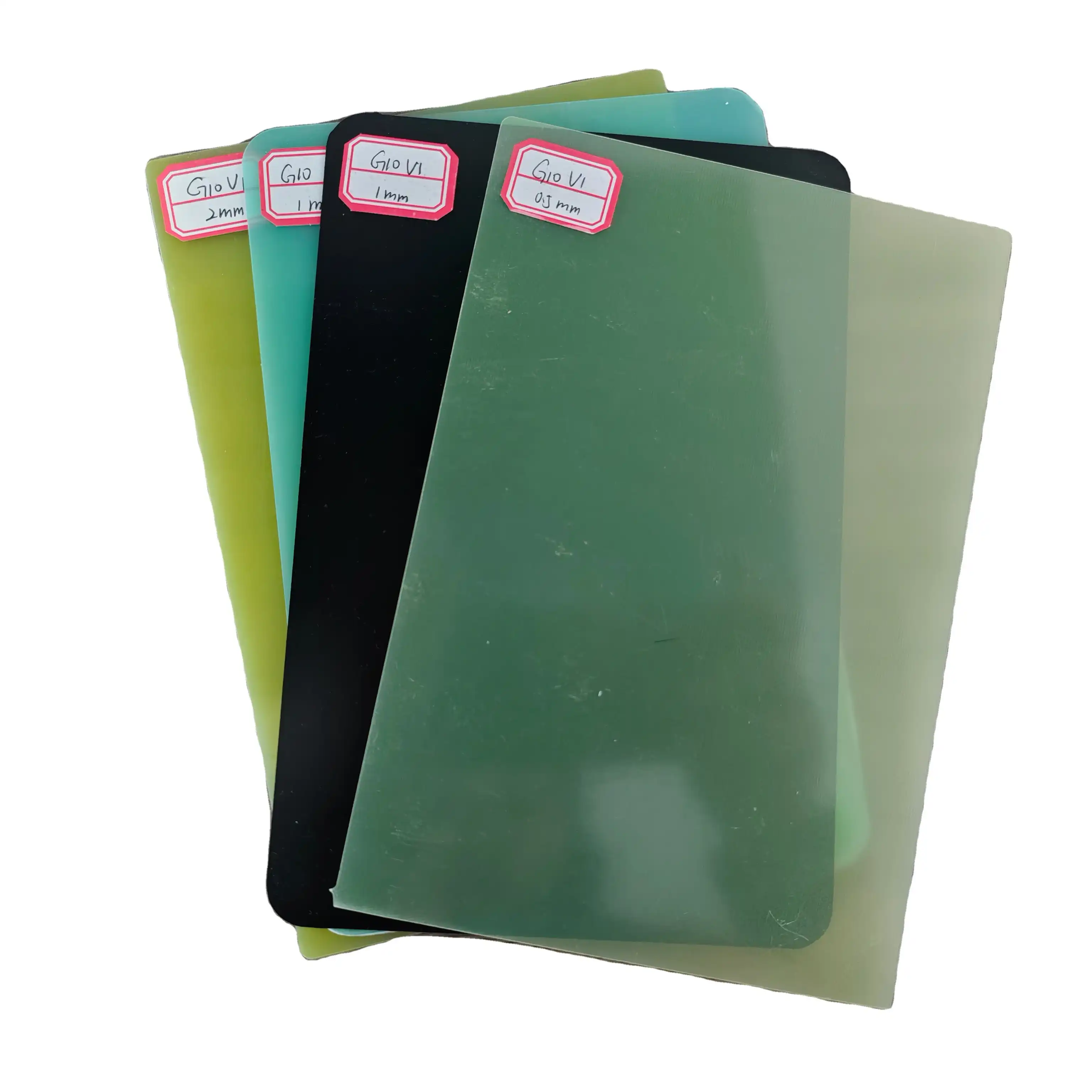
Modern suppliers can meet a wide range of customization needs, from simple changes to dimensions to parts with complicated shapes. You can choose from a range of thicknesses, from thin sheets that are good for electronics to heavy plates that are used for building parts. Custom width options let you get the best results for your electrical and industrial needs.
Surface processes and other types of processing make materials more useful for certain tasks. Suppliers can offer precision grinding to improve the finish on the surface, edge sealing to make it more resistant to water damage, and custom packing for automatic assembly processes. These value-added services cut down on the need for handling further down the line and make manufacturing more efficient overall.
Certifications and testing services for G10 epoxy sheet help with quality control and meeting legal standards. Suppliers who can test their own products can confirm the properties of materials, making sure they meet the needs of specifications. This feature is especially useful for important tasks that need to record how well the material works.
Trusted G10 Epoxy Sheet Brands and Manufacturer Selection
To find reputable providers, you need to carefully look at their producing skills, quality systems, and name in the industry. Manufacturers that have been around for a while usually have stable product quality, technical know-how, and reliable delivery performance, all of which are important in production settings.
Manufacturer Evaluation Criteria
When picking G10 providers, the main things that are looked at are their manufacturing knowledge and technical skill. Companies with a lot of experience making composites know all the little details of process control that are needed to keep the qualities of the materials constant. This knowledge means that the products and technical help are of high quality and can be relied on.
Quality assurance programs show that a company is dedicated to making sure that their products always work well. When looking for providers, make sure they have clear quality management systems, the ability to use statistical process control, and full testing programs. With these methods, the properties of the materials meet the standards of the specifications and stay the same from one production lot to the next.
The global supply chain can handle a wide range of customer needs and arrival times. Companies that have more than one production facility can provide flexibility in the supply chain and help for regions. International logistics make sure that deliveries are made on time no matter where the customer is located, which helps global production processes.
Industry Certifications and Standards Compliance
Related industry certifications show that a maker has the skills and quality processes needed. car suppliers usually keep their certifications up to date with quality standards that are specific to the car industry, while aerospace suppliers show that they meet the needs of the flight industry. These approvals show that the quality systems and process standards are strong.
Environmental compliance shows that a company is committed to using safe methods and following the rules. Look for providers that have shown they follow environmental rules and programs to cut down on waste. This promise helps customers reach their sustainable goals and keeps the supply chain stable in the long run.
Product approvals show that the materials meet the necessary safety and power standards. Common standards for computer and electrical uses are UL recognition, RoHS compliance, and REACH compliance. These licenses make it easier for products to get approved and help people around the world get into markets.
Advantages of Choosing G10 Epoxy Sheet for Your High-Strength Insulation Parts
Choosing G10 epoxy sheet materials for soundproofing has many benefits that lead to better product performance and lower costs over the product's lifetime. Knowing about these benefits helps to support choices about which materials to use and improves the designs of applications.
Superior Performance Characteristics
G10 materials can handle high stress loads without losing their electrical performance because they are very strong mechanically. The glass fiber reinforcement has great tension and bending strength, so it can be used for structural purposes while still being electrically insulating. This combination gets rid of the need for different insulation and structure parts, which makes it easier to plan assemblies.
Thermal stability makes sure that performance stays the same over a wide range of temperatures that are common in industrial settings. The material's mechanical qualities stay the same at high temperatures, and its thermal expansion coefficients are low. This dimensional stability helps precise uses that need to keep very close limits even when the temperature changes.
Chemical resistance keeps things from breaking down when they are exposed to industry fluids, cleaning products, and the environment. The epoxy structure doesn't react with most common chemicals, so the material stays strong for a longer time. This resistance lowers the need for upkeep and increases the time between replacements of parts.
Economic and Operational Benefits
The material is resistant to damage from the climate and wear from machines, which means that it requires less upkeep. Components made from G10 materials usually last longer than options, which lowers the number of replacements needed and the costs of downtime. Because the material is stable, it doesn't need to be inspected or replaced often.
Good machinability and dimensional steadiness lead to higher production efficiency. The material can be machined cleanly with standard cutting tools, which makes it possible to make complicated forms at a low cost. Consistent material qualities lower variations in production and raise yield rates, which helps bring down total costs.
The material is environmentally friendly because it lasts a long time and can be recycled. Longer component lives mean less material is used over the span of a product, which helps companies meet their environmental goals. Chemical safety of the material means that it can be thrown away safely at the end of its useful life without harming the environment.
Conclusion
It turns out that G10 epoxy sheet is the best choice for high-strength insulation jobs that can't be traded on performance or dependability. It meets the highest standards in the electronics, industrial machinery, power systems, car, and device production industries thanks to its excellent mix of mechanical strength, electrical properties, and thermal stability. The material has a history of success in important uses, is easy to work with, and stays stable over time. It also has instant performance benefits and lifecycle cost advantages that make it a better choice than other materials.
FAQ
What temperature range can G10 epoxy sheets withstand?
G10 epoxy sheets can work constantly at temperatures up to 285°F and still keep their electrical and mechanical qualities. The material also works well in cold settings, so it can be used in places with very low temperatures. Higher temperatures can be exposed for short periods of time, based on the needs of the application.
How does G10 compare to FR4 for electrical applications?
Both materials are great at keeping electricity from flowing, but G10 is stronger and can handle higher temperatures better than FR4. At high temperatures, where FR4 might soften or lose its mechanical stability, G10 keeps its qualities the same. Because of this, G10 is better for high-temperature uses and solid electrical parts.
Can G10 epoxy sheets be custom fabricated?
Yes, G10 materials can be precisely machined with regular cutting tools to make holes, forms, and complex designs. Because the material is so easy to work with, it can be made with tight specs and smooth surfaces. A lot of providers give unique manufacturing services, such as drilling, cutting, and routing to meet particular needs.
What quality certifications should I look for in G10 suppliers?
Find suppliers that have the right quality management system certifications, like those for the car or aircraft industries. Important product certificates include UL recognition for electrical uses, RoHS compliance for environmental needs, and REACH compliance for chemical safety. These approvals make sure that the materials are consistent and that they follow the rules.
Partner with J&Q for Premium G10 Epoxy Sheet Solutions
Use our knowledge as a reliable company that has been making G10 epoxy sheets for over 20 years and has been trading internationally for over 10 years. We can meet all of your high-strength insulation needs in one place because we have built partnerships with global trade companies and can handle all of your logistics needs. The technical staff at our company knows exactly what electronics producers, industrial machinery builders, power equipment providers, automakers, and appliance manufacturers need. Get in touch with our knowledgeable buyers at info@jhd-material.com to talk about your specific needs and find out how our proven G10 epoxy sheet provider services can improve the performance of your insulation parts while easing your supply chain operations.
References
Smith, J.R. "High-Performance Composite Materials for Electrical Insulation Applications." Journal of Electrical Engineering Materials, Vol. 45, 2023.
Anderson, M.K. "Comparative Analysis of Glass-Epoxy Laminates in Industrial Applications." Composite Materials Engineering Quarterly, Issue 3, 2023.
Chen, L.W. "Thermal and Mechanical Properties of Fiber-Reinforced Epoxy Systems." International Materials Science Review, Vol. 28, 2022.
Thompson, R.A. "Electrical Insulation Materials: Performance Standards and Selection Criteria." Power Engineering Technical Journal, Vol. 67, 2023.
Rodriguez, C.M. "Manufacturing Processes and Quality Control in Glass-Epoxy Composite Production." Advanced Manufacturing Technology, Issue 12, 2022.
Johnson, P.H. "Sustainable Practices in Industrial Insulation Material Selection." Environmental Engineering and Materials Science, Vol. 19, 2023.

Get a complete product list and quotation
J&Q New Composite Materials Company