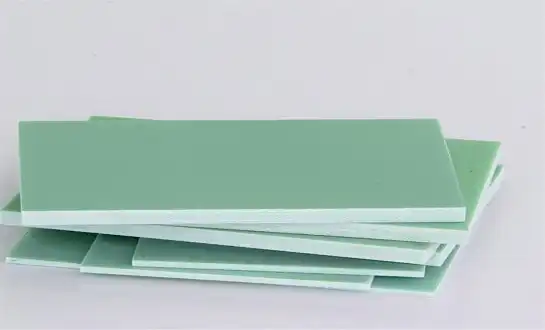
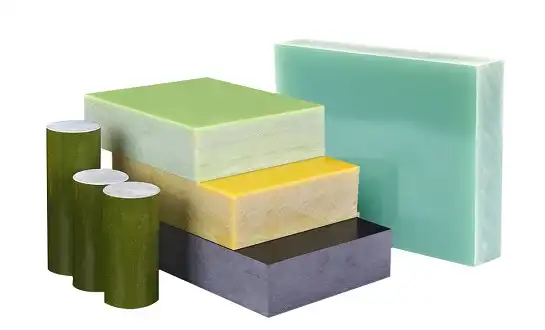
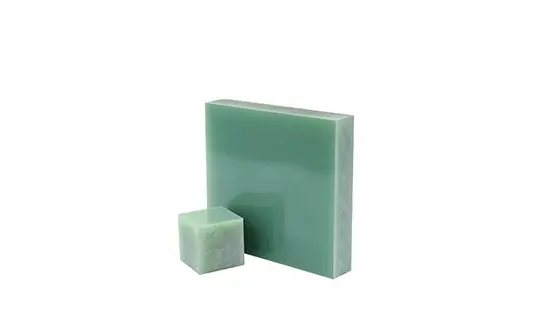
FR4 Sheet Applications in Electrical Insulation Components
One of the most important materials used in current electrical and electronics making is FR4 sheet, which is used in electrical insulation parts. FR4 sheet is a glass epoxy laminate that has great dielectric properties, as well as mechanical strength and flame-retardant qualities. This makes it an essential material for many uses, from printed circuit board bases to transformer insulation barriers. This material is very flexible and meets strict UL and ROHS compliance standards. It also works reliably in many different industrial fields, such as power generation, car electronics, and industrial machinery.
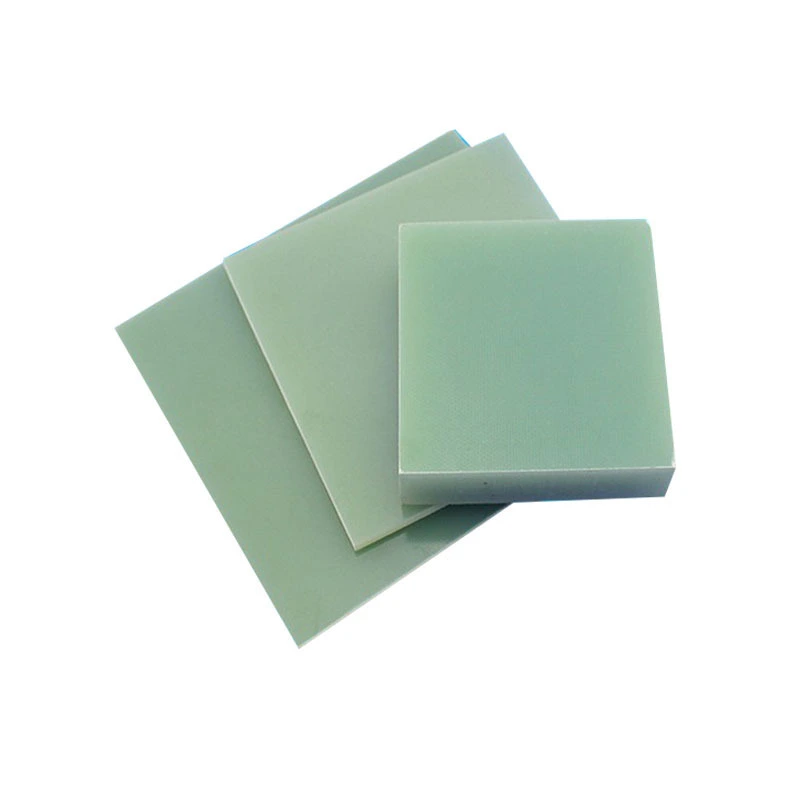
Understanding FR4 Material and Its Core Properties
The basic makeup of glass-reinforced epoxy laminate is what makes it so great for use as electrical shielding. Glass fiber cloth gives you mechanical strength and stable dimensions, and epoxy glue gives you better dielectric performance and heat protection. By putting these two things together, you get a material that stays structurally sound even when it's under a lot of mechanical stress and stops electricity from flowing between sensitive elements.
Dielectric Properties and Electrical Performance
At 1 MHz, this material's dielectric constant is usually between 4.2 and 4.8, so it works the same way electrically at all frequencies. The dielectric strength is about 20 kV/mm, which means that the insulation will work well even in high-voltage situations. Its volume resistance is higher than 10^14 ohm-cm, which means it can be used for precise electrical parts where current loss needs to be kept to a minimum.
Thermal and Mechanical Characteristics
Temperature resistance ranges from -50°C to +130°C when used continuously, and it can handle +180°C for short periods of time. Around 130°C is the glass transition temperature, which is the point where mechanical traits start to change. The tensile strength is close to 310 MPa and the flexural strength is 415 MPa. This means that the material can handle heavy loads mechanically without losing its electrical insulation qualities.
Flame Retardancy and Safety Compliance
The UL 94 V-0 flame retardancy rating makes sure that the fire goes out within 10 seconds of the flame being put out and that there are no burning drips that could spark things nearby. Because the material can put itself out on its own, it can be used in safety-critical electrical equipment where fire risks need to be kept to a minimum. ROHS compliance makes sure that there are no restricted dangerous chemicals, which meets the safety and health standards of global markets for the environment.
Comparison of FR4 with Other PCB Materials for Electrical Insulation
When choosing an insulation material, such as an FR4 sheet, it's helpful to know how glass epoxy laminates stack up against other options in terms of performance, cost, and fitness for the job. Depending on the electrical, heating, and functional needs, each type of material has its own unique benefits.
Performance Comparison with Alternative Materials
Paper-based phenolic materials are cheaper, but they don't hold up well against high temperatures or water. Polyimide films can handle higher temperatures (up to 260°C) better than other films, but they are much more expensive and harder to work with. Metal-core surfaces work great for managing heat, but they need special fixing and grounding rules that make the building process more difficult.
Rogers' high-frequency materials work very well in microwave uses and have low dielectric loss tangent values, which makes them perfect for RF and wireless transmission systems. However, these unique materials come at a high cost that might not make sense for normal electrical insulation uses where frequency response requirements are not as strict.
Cost-Effectiveness and Manufacturing Considerations
For most electrical shielding jobs, glass epoxy laminates are the best choice because they offer the best performance at the best price. The prices of materials stay the same from supplier to supplier around the world, and standard tools are all that's needed for industrial processes like CNC machining, drilling, and cutting, so no special equipment expenses are needed. For normal thickness choices, lead times are usually between 2 and 4 weeks, which helps with planning production schedules.
Key Applications of FR4 Sheets in Electrical Insulation Components
Because glass-reinforced epoxy laminates are so flexible, they can be used in a wide range of electrical shielding tasks. Each one uses the unique qualities of the material to make sure that electrical equipment works safely and reliably.
Transformer and Power Equipment Insulation
The material's high dielectric strength is used in coil insulation to keep electricity from flowing between the main and secondary windings. Arc shields keep sensitive equipment safe from electrical arcing harm and keep their structure strong when temperatures change. The materials used in these systems need to be able to handle both the electrical stress and the mechanical forces that are created when the transformer works.
In order to keep energized wires and grounded casings safe, power delivery equipment uses FR4 sheet insulation barriers. Bus bar supports must protect heavy copper wires holding large amounts of current and keep them in place mechanically. The flame resistance of the material is very important in these situations where electricity problems could cause a lot of heat and pose a fire risk.
Electronic Control Systems and Switchgear
For use in control panels, insulation materials need to be able to keep their shape while also not absorbing water or chemicals from industrial settings. To make sure that terminal blocks and plug housings fit correctly and that there are enough electrical space between circuits, they need to be machined with very tight tolerances. The material can be cut with a CNC machine, which makes it possible to make unique insulation parts with close tolerances on cost.
Insulation barriers keep control circuits and power circuits separate in motor control centers. This stops electromagnetic interference and keeps safety separation. For these uses, unique forms and cutouts are often needed. CNC routing and drilling can make these quickly and without damaging the material or its electrical qualities.
Automotive Electronics and Battery Systems
To insulate the battery packs of electric vehicles, you need materials that can stand up to electrical stress and mechanical shaking while still being flame-resistant in small areas. When a high-current battery charges and discharges, it creates heat. Thermal shields protect sensitive electrical parts from this heat. When used in cars, materials need to be able to handle changes in temperature, water contact, and chemical pollution from road salt and car fluids.
Procurement Guide for FR4 Sheets in Electrical Insulation Applications
To buy glass epoxy laminates successfully, you need to know what the suppliers can do, how they make sure the quality of the materials, and how the market works, which affects the prices and supply of the materials. Decisions about strategic sourcing affect both the short-term prices of a project and the stability of the supply chain in the long term.
Supplier Evaluation and Certification Requirements
Quality certifications, such as ISO 9001 and UL recognition, make sure that providers keep up with the quality of their materials and processing methods. Each package should come with a certificate of approval that confirms the materials meet certain electrical, mechanical, and flame retardancy standards. Before starting a long-term partnership, supplier audits help make sure that quality control processes and manufacturing skills are sound.
Electrical testing for dielectric strength and volume resistance, mechanical testing for bending and tensile strength, and thermal testing for glass transition temperature and coefficient of thermal expansion should all be able to be done at the supplier's facilities. These features make sure that arriving materials meet the standards without the need for a lot of inspection at the customer facility.
Market Dynamics and Sourcing Strategies
Global supply lines for FR4 sheet make it possible to get approved products from many places, which lowers the risk of supply disruptions and keeps prices low. Depending on the thickness and size needed, the minimum order quantity is usually between 100 and 1000 pieces. Larger orders can get discounts. Lead times change with the seasons, and during high demand times in the electronics manufacturing cycle, delays are more usual.
Carrying costs and supply security should be weighed in inventory management strategies. This is especially true for custom thickness or size needs that may have longer lead times. Blanket purchase orders with planned releases help make sure that materials are always available while reducing the amount of money spent on inventory and the space needed for keeping.
Best Practices and Tips for Maximizing the Value of FR4 Sheets in Electrical Insulation
To get the most out of materials, care must be taken with how they are handled, stored, processed, and quality checked at all stages of the supply chain and production process. Following the right steps can help keep materials in good shape and lower the costs of waste and redoing.
Storage and Handling Recommendations
Climate-controlled storage spaces help stop materials from absorbing water and going through temperature cycles, which could change their size and electrical properties. Materials should stay in their original packaging until they are ready to be used. This keeps surfaces clean and avoids damage. The way electrical insulation is handled should reduce bending stress that could lead to microcracks that affect how well it works.
Rotating inventory makes sure that older materials get used first, which keeps storage-related wear and tear from lowering the quality of the product.
Machining and Processing Guidelines
The type of cutting tool you use affects the quality of the edge and how well the machine works. Carbide tools last longer and make cleaner cuts than high-speed steel tools. Cutting speeds and rates should be fine-tuned to keep up with work needs and avoid overheating that could damage plastic parts. Glass fiber particles made during grinding are kept safe for both people working with the equipment and the equipment itself by dust collection systems.
Measurement checks, looking for flaws on the surface, and electrical tests where important performance factors need to be confirmed should all be part of quality control processes. These checks help find problems with the handling of materials before they are put together. This keeps finished goods from having quality issues or needing expensive repairs.
Conclusion
Additionally, FR4 sheets are still the main material used for electrical insulation in many fields, from power supply to car electronics. As a result of its proven electrical qualities, high strength, lack of flammability, and low cost, this material is the best choice for most electrical shielding needs. When engineering teams know about the qualities of materials, how they should be used, and the best ways to buy them, they can choose and get materials that will work well and stay within the project's budget and plan.
FAQ
What makes glass epoxy laminate ideal for electrical insulation applications?
The material has good dynamic qualities, a high dielectric strength, and is UL 94 V-0 flame retardant. Volume resistivity greater than 10^14 ohm-cm stops current leakage, and temperature resistance up to 130°C constant operation makes sure it works well in harsh electrical settings.
How does sheet thickness affect electrical insulation performance?
It is possible for heavier and more expensive materials to have higher voltage breakdown resistance and better dynamic strength. The dielectric strength stays the same for every unit of thickness, so the voltage value changes as the thickness of the material does. As the thickness goes up, thermal conductivity and physical stability also get better.
What certifications should procurement teams verify when sourcing materials?
UL certification makes sure that flame resistance and electricity performance meet safety standards, and ROHS certification makes sure that no banned substances are present. Getting ISO 9001 certification means that your quality control systems are uniform. Material test results should make sure that the dielectric strength, flame rating, and dynamic qualities meet the requirements of the standard.
Partner with J&Q for Premium FR4 Sheet Solutions
J&Q has been making things for more than 20 years and dealing with other countries for 10 years. They can help you with your electrical insulation needs with better glass epoxy laminate options. We can offer full technical support, reasonable prices, and reliable delivery plans because we have long-term ties with trading companies in both the United States and other countries. Our specialized logistics business offers a one-stop service, which makes it easier for you to buy FR4 sheets from the initial quote to the final delivery. Get in touch with our knowledgeable staff at info@jhd-material.com to talk about your unique insulation needs and find out how our approved FR4 sheet manufacturer services can help your project succeed.
References
Institute of Electrical and Electronics Engineers. "Standard for Glass-Epoxy Laminates for Electrical Insulation Applications." IEEE Standards Association, 2023.
Underwriters Laboratories. "UL 94 Standard for Safety: Tests for Flammability of Plastic Materials for Parts in Devices and Appliances." UL Solutions, 2023.
International Electrotechnical Commission. "IEC 61249 Series: Materials for Printed Boards and Other Interconnecting Structures." IEC Publications, 2022.
American Society for Testing and Materials. "ASTM D229 Standard Test Methods for Rigid Sheet and Plate Materials Used for Electrical Insulation." ASTM International, 2023.
National Electrical Manufacturers Association. "NEMA LI 1 Industrial Laminating Thermosetting Products." NEMA Standards Publication, 2022.
International Organization for Standardization. "ISO 14910 Plastics - Thermosetting Powder Moulding Compounds - Specification for Glass-Mat Reinforced Materials." ISO Publications, 2023.

Get a complete product list and quotation
J&Q New Composite Materials Company