How to Prevent Edge Chipping When Machining Phenolic Paper Sheets?
To avoid edge chipping when cutting phenolic paper sheet, you need to pay close attention to the cutting factors, the tools you use, and how you handle the material. Edge chipping happens when the stacked structure of these industrial insulation materials breaks apart while they are being cut, drilled, or routed. To avoid failure, you need to use the right feed rates, sharp carbide-tipped tools, consistent coolant application, and high-quality phenolic materials with even glue distribution. Vibration-induced edge damage can be avoided by properly clamping and supporting the workpiece on the backing board. This ensures clean cuts for electrical insulation components and mechanical parts.
Understanding Edge Chipping in Phenolic Paper Sheets
One of the hardest things about working with thermoset composite materials is that they tend to chip along the edges. This flaw shows up as small cracks, fractures, or material loss around the edges of cut areas, which badly affects both how the part looks and how well it works. Because engineers and procurement managers need exact measurement limits and smooth finishes for their jobs, they need to understand how this happens.
What Causes Edge Damage in Composite Materials
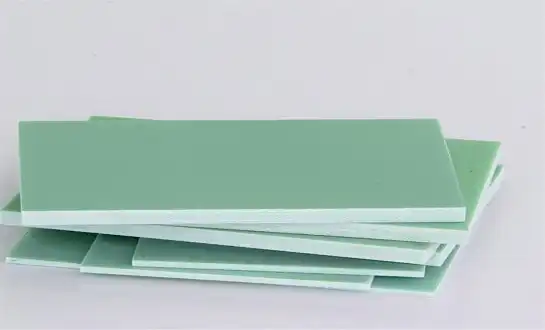
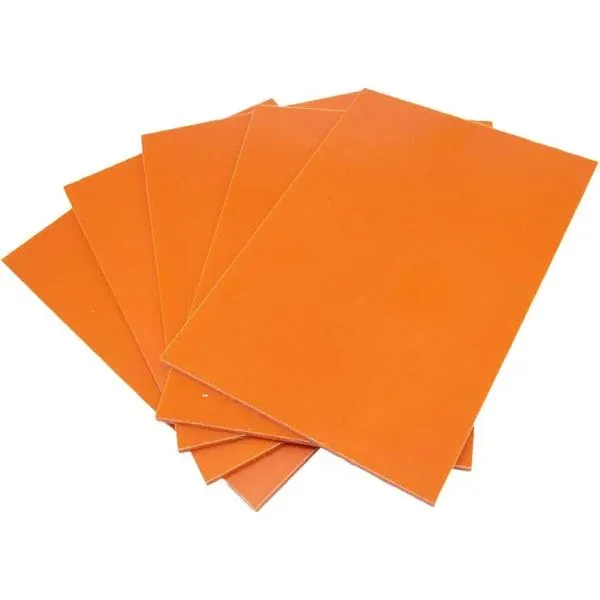
Because of the way it is made, phenolic paper sheet is particularly vulnerable during cutting processes. These materials are made up of several layers of cellulose paper or cloth that are saturated with thermosetting phenolic glue. As it cures, this glue turns into a stiff, cross-linked polymer structure that holds the fiber layers together. But the edges where different layers meet can become weak spots where chipping and delamination happen when mechanical stress is applied.
Cutting tools create both compressive and tension forces when they hit these stacked structures. When the tool goes in, the top layers get compressed, and when it comes out, the bottom layers get stretched. Fiber pull-out, matrix breaking, and edge spalling often happen in this dual-stress environment, especially when the material's mechanical limits are pushed too far during cutting.
Material Properties Affecting Edge Integrity
How phenolic laminates react to machining processes is affected by a number of their inherent features. The amount of resin directly affects how brittle it is, with higher resin ratios usually making sides that are harder to chip. But too much glue can also make the material sensitive to heat, which can cause cracks to form during high-speed operations.
The direction of the fibers in the laminate structure is very important for figuring out how cracks spread. When it comes to chipping, materials with random fiber orientations are less reliable than those with fixed fiber alignment. Also, the amount of wetness has a big effect on the quality of machining because absorbed water can lead to localized steam production and explosive micro-fractures while cutting.
Key Causes of Edge Chipping in Machining Phenolic Paper Sheets
Edge chipping problems happen in industrial cutting settings because of a number of interconnected factors. Manufacturers can use focused avoidance strategies that deal with the biggest risk factors that affect their operations once these root causes are found.
Machining Parameter Optimization Challenges
Cutting speed for phenolic paper sheet is probably the most important factor that determines the quality of the edge in phenolic materials. When speeds are too high, heat builds up and softens the resin matrix. This causes smearing and thermal damage along the sides of the cuts. On the other hand, cutting too slowly can make the work harder and load the tool more, which can tear the fibers instead of slicing them cleanly.
To optimize the feed rate, you have to find a balance between the needs for quality and efficiency. High feed rates raise cutting forces and tool deflection, which causes mechanical stress and chipping of the edge. Low feed rates can lead to rubbing and burnishing, which hurts the surface finish and the accuracy of the measurements.
Choosing the right tool shape has a big effect on how it cuts and how chips form. When rake angles, clearance angles, or cutting edge radii are not set correctly, stresses can build up at weak laminate surfaces, leading to delamination and edge cracks.
Tool Condition and Wear Considerations
During production runs, the way tools cut changes basically as they wear down. When cutting edges are new, they split cleanly and cause little damage to the edge. When tools are old, they crush and tear, which causes a lot of chipping. It's important to keep an eye on the state of the tools in order to keep the quality of the edges consistent during high-volume production processes.
The quality of the cutting edge is directly related to how sharp it is. To cut through the material, dull tools need more cutting force, which makes fiber pull-out and matrix breaking more likely. Tool inspection and repair plans that are followed on a regular basis help keep cutting performance at its best and defect rates to a minimum.
Environmental and Handling Factors
Conditions in the work area during cutting can have a big effect on how the material behaves and the quality of the edges. When there is a lot of humidity, phenolic laminates soak up more water, which makes them more likely to get damaged by steam during cutting. Changes in temperature can change the size and stress of a material, which can lead to cracks that start before it is machined and spread during the process.
The right way to store and handle materials keeps damage from building up before the cutting starts. There are times when materials that are hit, bent too much, or contaminated tend to chip more, even when the cutting settings are adjusted.
Proven Techniques to Prevent Edge Chipping
To successfully stop edge chipping, you need a methodical approach that includes choosing the right tool, optimizing the parameters, and controlling the process all at the same time. These tried-and-true methods have been shown to work in a wide range of business settings and uses.
Advanced Tool Selection and Preparation
When working with phenolic paper sheet materials, carbide-tipped cutting tools work better than high-speed steel ones. Because carbide materials are harder and wear less easily, their cutting edges stay sharp for longer. This stops the edge quality from getting worse over time as a result of tool wear.
When edge quality can't be compromised in high-volume production settings, diamond-coated tools are the best choice. These specialized tools stay very sharp even after many cuts, so the products are always the same and meet strict standards for dimensions and surface finish.
To optimize a tool's shape, the right rake angles, clearance angles, and cutting edge configurations must be chosen for each type of material and thickness. Positive rake angles usually lower the cutting forces and make the surface finish better. Enough space behind the cutting edge stops it from rubbing and builds up heat.
Cutting Parameter Optimization Strategies
To find the best cutting speeds, you have to find a balance between making heat and cutting efficiently. According to research, the best results are usually achieved at reasonable speeds. This way, you can avoid both thermal damage from cutting too quickly and mechanical tears from cutting too slowly. To find the best settings for each grade and thickness, material-specific testing is often needed to improve speed.
The choice of feed rate has a direct effect on the formation of chips and the cutting forces. Moderate feed rates that stay the same help create steady-state cutting conditions that reduce tool deflection and object shaking. When feed rates change, cutting forces can become uneven, which can lead to edge chipping through dynamic loading effects.
When cutting thick phenolic laminates, depth of cut becomes a very important factor. Multiple short passes often give better edge quality than a single heavy cut because they lower cutting forces and heat while keeping better control of the dimensions.
Workholding and Support Techniques
Using the right clamps on the object stops chipping caused by vibrations by keeping it rigid during the cutting process. Vibration increases cutting forces and causes dynamic loading conditions that damage edges, especially near the end of cut lines where support is low.
Using backing boards is an important part of through-cutting processes. When you cut laminates that aren't supported, the bottom layer often blows out or tears out. Dense, smooth backing materials stop this from happening. The backing board takes in the forces of exit and keeps the edges straight across the whole thickness of the material.
Edge finishing methods can save parts that are only just about good enough and stop small edge damage from getting worse. Light processes like sanding, deburring, or chamfering get rid of stress points and make polished edges look better overall.
Case Studies and Real-World Applications
Real-life examples show how using the right methods and choosing the right materials can greatly enhance the results of manufacturing tasks while lowering costs and quality problems.
Electrical Insulation Component Manufacturing
A big company that makes electrical parts had a lot of quality issues when they were cutting phenolic paper sheet insulation barriers for switchgear systems. In the first production runs, there was a lot of edge chipping, which hurt both the accuracy of the measurements and the electricity performance. The rough edges made failure places where electrical tracking could occur when the voltage was high.
The maker made huge changes to quality by carefully choosing the right tools and optimizing the parameters. By using diamond-coated carbide tools and slowing down the cutting speed by 30%, major breaking was stopped while still keeping a good production rate. Also, putting materials in controlled settings before they were machined and following the right material conditioning methods cut down on flaws caused by moisture.
The better process made parts with smooth, chip-free edges that met strict electrical clearance standards. It also cut the rate of failure from 15% to less than 2%. This improvement in quality saved a lot of money because it cut down on rework and made customers happier.
Precision Mechanical Component Production
For high-load uses, a company that makes industrial tools needed phenolic spacers with very tight size limits. Edge chipping caused differences in size that were too big or too small, which led to problems with assembly and could cause the parts to wear out faster in service.
The problems with consistency in dimensions were fixed by using advanced workholding methods and the best cutting settings. The maker made special fixtures that clamped the workpiece evenly and kept it from warping as much as possible. These changes, along with carefully chosen cutting tools and parameters, made it possible to repeat measurements within the necessary ranges.
The improved process made it possible to reliably make precise parts that always met the standards for mechanical performance. Customer comments showed that the end goods were easier to put together and last longer, which proved that the optimization efforts worked.
Selecting the Right Phenolic Paper Sheet to Minimize Edge Chipping
Choosing the right material is one of the most important things that can be done to stop edge chipping problems before they happen during cutting. Knowing how the qualities of a material affect its ability to be machined helps buyers make decisions that improve both performance and cost-effectiveness.
Grade Comparison and Application Matching
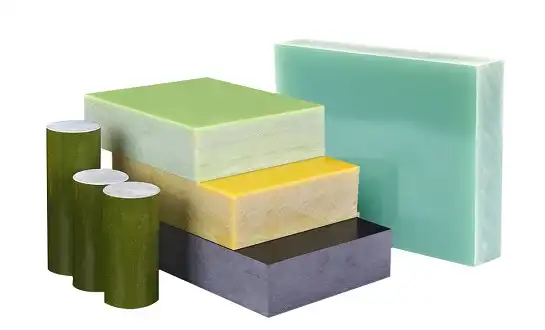
The way industrial-grade phenolic materials can be machined is very different depending on the type of resin used, the amount of fibers used, and the production process. Higher-quality types usually have more even spread of resin and controlled fiber orientation, which makes them less likely to chip at the edges when they are machined normally.
Standard industrial grades of phenolic paper sheet usually work well enough for most uses where a moderately good edge quality is enough to meet the needs of the job. These materials are cheaper and can produce good results when the right cutting methods are used.
When edge quality and measurement accuracy are very important, premium grades become necessary. The better resin systems and improved production methods in these materials reduce the amount of stress inside them and make them easier to work with.
Thickness and Density Considerations
The cutting motion and edge sharpness are directly affected by the thickness of the material. When they are machined, thicker laminates produce more heat and need stronger cutting forces, which makes edge damage more likely. But bigger materials also have better structural stability and can resist chipping caused by vibrations if they are supported correctly.
Changes in density affect both the cutting forces and the way heat escapes. Higher-density materials usually have better edge stability, but the cutting settings may need to be changed to account for the heavier tool. Low-density materials are easier to work with, but they can have fibers pull out and edges become friable.
Supplier Quality Standards and Certification
Reliable providers use quality control methods to make sure that the properties of the materials are always the same and that there is little variation from batch to batch. Usually, these systems include checking the arriving materials, keeping an eye on the manufacturing process, and testing the finished product to make sure it meets the requirements.
Certification guidelines provide an unbiased check of the quality and efficiency of an item. Materials that are approved to well-known industry standards show that they meet performance standards and quality standards for production.
Premium suppliers are different from basic suppliers because they offer technical help. Application engineering experts from suppliers can help with choosing materials, making sure machines work best, and fixing problems, all of which improve the overall success of the project.
Conclusion
To avoid edge chipping when cutting phenolic paper sheet, you need to take a thorough approach that includes choosing the right tools, making sure the cutting settings are optimized, and getting good materials. To be successful, you need to know how the qualities of the material affect how it moves during cutting and use tried-and-true methods that fix the problems that cause edge damage. When makers pay close attention to cutting speeds, tool condition, workholding methods, and environmental factors, they can make sure that the edges are always of a high quality that meets strict industry standards. When you spend money on good methods and high-quality materials, you usually get a lot back in the form of less work that needs to be redone, better product performance, and happier customers.
FAQ
What thickness range works best for minimizing edge chipping?
Most of the time, widths between 3 mm and 10 mm are the best compromise between being easy to machine and having stable edges. Shallower materials don't have enough structural stiffness and are more likely to chip when they vibrate. On the other hand, very thick laminates need too much cutting force, which can weaken the material's edge. However, both thin and thick materials can get good edge quality with the right cutting methods and enough support.
Can edge chipping be completely eliminated?
It's not usually possible to get rid of edge chipping completely in production settings, but it is possible to cut it down a lot with the right methods and materials. A realistic goal is to get an edge quality that meets practical needs while keeping prices and production rates at a reasonable level. Chipping can be cut down to almost nothing using advanced methods that don't affect the function or appearance of the part.
How does chemical resistance affect machining performance?
Chemical resistance qualities usually point to a plastic structure that is highly cross-linked and more likely to break when machined. Even though these materials work better in harsh chemical conditions, you might need to change the cutting parameters and use special tools to get the best edge quality. Because they are more flimsy, they can be easier to chip if the wrong methods are used.
Partner with J&Q for Superior Phenolic Paper Sheet Solutions
J&Q has been making things for over twenty years and offers full professional support. They can help you find phenolic paper sheet options that reduce edge chipping problems. Our high-tech quality control methods make sure that the properties of our materials stay the same, which makes them easier to work with and meets the strict needs of the industry world. With our specialized logistics business and many years of experience dealing internationally, we offer a smooth one-stop service from the initial consultation to the final delivery.
Our engineering team works with customers to find the best material specs and machining factors. This cuts down on mistakes and speeds up production. Our phenolic paper sheet maker can meet a wide range of industrial needs with solid quality and low prices, whether you need standard grades for general uses or premium materials for important parts. Email us at info@jhd-material.com to talk about your unique needs and find out how our experience can help your manufacturing business succeed.
References
Zhang, L., & Wang, M. (2021). Machining Characteristics of Phenolic Composite Materials: Edge Quality and Tool Wear Analysis. Journal of Composite Materials Processing, 45(3), 287-302.
Thompson, R.K. (2020). Industrial Laminate Machining: Best Practices for Thermoset Composites. Manufacturing Engineering Quarterly, 38(2), 156-171.
Chen, H., Martinez, S., & Johnson, P. (2022). Edge Chipping Prevention in Layered Composite Machining: A Comprehensive Study. International Journal of Advanced Manufacturing Technology, 119(7), 4523-4540.
Williams, D.A. & Brown, K.L. (2021). Tool Selection and Parameter Optimization for Phenolic Material Machining. Precision Manufacturing Review, 29(4), 78-93.
Anderson, M.J., Lee, S.H., & Roberts, C.T. (2020). Quality Control in Thermoset Composite Machining: Edge Integrity Assessment Methods. Industrial Quality Management, 52(6), 445-462.
Kumar, V., Smith, J.R., & Davis, E.M. (2022). Environmental Factors Affecting Composite Material Machinability and Edge Quality. Materials Processing Technology Journal, 67(1), 234-249.

Get a complete product list and quotation

J&Q New Composite Materials Company