Why 3240 Epoxy Sheets are the Top Choice for CNC Machined Electrical Insulators?
It is always the 3240 epoxy sheet that engineering managers and procurement teams choose when they are looking at insulation materials for precision cutting jobs. For electrical insulation in tough industrial settings, this layered material is a must-have because it is both very strong and easy to cut with a CNC machine. The special mix of epoxy resin and weaved glass cloth in it makes it work well in switchgear, transformers, and motor parts where electrical safety and accuracy in size cannot be compromised.
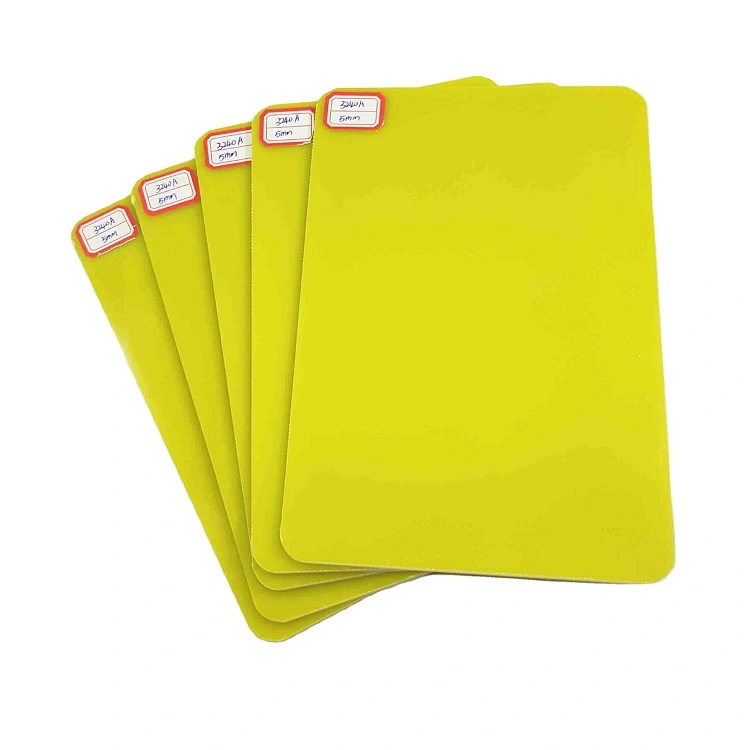
Understanding 3240 Epoxy Sheets: Properties and Applications
Composition and Manufacturing Process
The first step in making 3240 epoxy sheet is to soak alkali-free weave glass cloth in epoxy phenolic resin systems one layer at a time. During the hardening stage, controlled heat and pressure are applied by manufacturing facilities. This makes a rigid laminate structure that stays together even when it is under mechanical stress and electrical load. This careful layering process gets rid of air spots and makes sure that the resin is spread evenly throughout the glass support. This makes sure that the performance is the same across all sheet dimensions.
The method used for drying has a direct effect on the end 3240 epoxy sheet's mechanical cohesion and dielectric stability. The level of polymerization is determined by the temperature profiles used during production. This in turn affects how the material reacts to later CNC operations and service situations in the field.
Key Technical Specifications
According to IEC 60893-3-2 guidelines, this material is Class B to Class F because it can withstand temperatures up to 155°C for long periods of time. The dielectric strength is higher than what is needed for medium to high voltage uses. This is especially true in oil-filled transformer environments where resistance to moisture is very important. Even when exposed to mineral oils, coolants, and typical industrial solvents, the material keeps its ability to insulate.
Most acids, bases, and organic substances that are used in processing are chemically stable. This resistance keeps the material from breaking down when it's being cleaned or when it's being used with oils or hydraulic fluids. Volume resistance stays the same even when humidity changes, which fixes a typical problem with phenolic paper laminates.
Thickness Options and Custom Sizing
Standard production runs come in thicknesses ranging from 0.5 mm to 50 mm, so they can meet most needs for electrical insulation without the need for special tools. For specific uses that need a lot of mechanical support or better arc protection, the width can be increased up to 150 mm. During CNC operations, procurement teams can define custom measurements to cut down on material waste. This saves money during high-volume production runs.
Because sheet sizes are flexible, producers can find the best cutting designs for insulators with complicated shapes. Custom widths and lengths cut down on the number of joints in big structures, which improves both the electrical performance and the strength of the structure. This ability to change is especially helpful when making parts for industrial tools or power distribution equipment that need to be a certain size.
Comparing 3240 Epoxy Sheets with Alternative Materials
Performance Against FR4 and G10 Laminates
FR4 sheets are most common in PCB applications because they can resist flames and work with fine-pitch circuits. However, 3240 epoxy sheets are better for structural insulation applications because they have better dynamic qualities. The phenolic epoxy resin system is better at resisting impact than regular FR4 formulas. This makes it better for motor housings and mechanical gaps that are likely to be vibrated.
G10 laminates are also made of glass and epoxy, but they don't usually have the temperature grade needed for use in transformers and switches. At high temperatures, where normal G10 starts to soften, the resin chemistry in Class B materials keeps their dielectric qualities. This temperature edge is very important when parts need to work near electrical equipment that makes heat.
Material Behavior in CNC Machining
Phenolic cotton sheets are easy to machine-wash, but they absorb water, which makes them lose their shape in damp places. Although Bakelite is easy to work with, it is not strong enough to be used as a load-bearing barrier. Epoxy laminates are the best of both worlds because they keep tight specs during the cutting process and give you clean edges when drilling and routing.
Because these sheets are reinforced with glass, they can be cut at high speeds without wearing out the tools too quickly. Carbide tools keep their sharp tips during production runs, which cuts down on bit changes and setup time. In contrast to pure resin materials, which generate heat during machining, glass threads' thermal diffusion spreads out cutting temperatures, stopping localized softening that could affect the accuracy of measurements.
Cost-Efficiency Analysis
Total purchase prices for epoxy glass materials are in the middle, between cheap phenolic grades and high-end ceramic-filled composites. The cost of the material per square meter is higher than that of paper-based laminates, but it lasts a lot longer in electrical uses. The initial material premium is cancelled out by shorter repair intervals and a lower failure rate, especially in important power delivery systems.
Machine efficiency saves even more money because it speeds up cycle times and lowers the amount of scrap that is produced. The consistent properties of the material let CNC coders find the best cutting settings without having to do a lot of tests. This speeds up the introduction of new products. Consistency from batch to batch reduces quality control rejects, which is a big problem when making safety-critical electrical insulators that have to meet UL or ROHS standards.
Best Practices for Working with 3240 Epoxy Sheets in CNC Machining
Recommended Cutting Tools and Parameters
When cutting 3240 epoxy sheets, the best results come from using carbide-tipped tools with positive rake angles. Because the material makes fine dust instead of continuous chips, the shape of the tool should focus on sharp cutting edges rather than forceful chip removal. Moderate feed rates and spindle speeds between 3,000 and 8,000 RPM keep the quality of the surface finish while preventing too much heat buildup.
The main purpose of applying coolant is to control dust, not to control cutting temperatures. While mist cooling systems do their job well, most jobs can be done with dry cutting and good dust extraction. When drilling through holes, peck drilling cycles lower the axial pressure on the bottom laminate layers, which stops delamination at breakout.
Avoiding Common Machining Defects
Delamination usually happens when dull tools cause too much peel force at the points where two materials meet. This problem doesn't happen when tools are inspected and replaced on a regular basis, especially during production runs with a lot of tools. Entry and exit board methods protect the sides of the laminate while it is being drilled, which is especially important for thin sheets where edge support is needed.
Chipping along cut sides means that the wrong tool was used or that the feed rate was too high. By slowing down the feed speed while keeping the spinning RPM the same, the cutting edges can smoothly shear the material instead of breaking the glass fibers. By changing the corner radius in CAM programming, cutting forces are spread out more widely, which leads to better edge quality on complicated insulator shapes.
Safety Protocols and Post-Machining Care
When machines make glass fiber dust, workers need to wear the right breathing protection and have air systems in place. Fine particles are caught by HEPA filters before they can get into the work area. This keeps machine workers safe and equipment clean. Cleaning machine casings on a regular basis keeps dust from building up and interfering with precision motion systems.
Parts that have been machined can be cleaned with solvents to get rid of any leftover grinding dirt and oils. Isopropyl alcohol cleans surfaces well without breaking down epoxy glue or leaving behind electrically charged leftovers. Dimensional stability is maintained by storing things correctly in controlled humidity settings. This is especially important for precision insulators that need to meet tight tolerances.
These ways of making make sure that the quality of the parts is always the same, and they also keep the workplace safe and increase the life of the tools. When production teams follow these procedures, they get higher returns and lower rates of rework, which directly boosts the efficiency and revenue of manufacturing.
Procuring 3240 Epoxy Sheets: What Procurement Managers Should Know
Supplier Evaluation Criteria
3240 epoxy sheet manufacturers with a good reputation use ISO 9001 quality management systems and give out material certifications that can be linked to specific production batches. The documentation should have test results for dielectric strength, data on heat performance, and claims that the product meets the requirements of any relevant UL or IEC standards. Supplier sites with their own testing labs show that they care about quality control in more ways than just making things.
When planning supplies for ongoing manufacturing projects, production capacity and the dependability of wait times become very important. Suppliers with more than one production line can handle rush orders and changes in number without lowering the quality of their products. Long-term supply deals often get better prices and make sure that supplies are distributed evenly during times of high market demand.
Pricing Trends and MOQ Considerations
The cost of raw materials, especially epoxy resin and electrical-grade glass cloth, affects the market price of epoxy glass laminates. When you buy in bulk, the price per unit goes down by a lot, but buying teams have to weigh the volume savings against the costs of keeping inventory. Different suppliers have different minimum order numbers, but for normal sizes, they usually start at around 50 sheets. For custom sizes, you'll need to make bigger promises.
Specifications for thickness and size have a direct effect on prices, since bigger sheets need longer curing times and more raw materials. For custom cutting services, there are extra handling fees, but the customer doesn't have to deal with material loss. When comparing prices, you should look at the total cost of delivery, which should include freight, since thick laminate materials have high shipping costs.
Sample Evaluation and Delivery Options
Asking for samples of the material before committing to large amounts for production lets engineering teams make sure that the cutting settings are correct and that the material works as expected. Sample programs usually give away small parts of sheets for a small fee or for free to accounts that meet certain requirements. For example, CNC machinability tests, dielectric strength checks, and measures of dimensional stability should all be done in the setting that the product will be used in.
Logistics for delivery work better when providers run their own transportation networks or work with industrial freight carriers to form relationships. Edge damage during shipping can be avoided with the right packing. This is especially important for thin sheets that are easily damaged during handling. There are faster shipping choices for making prototypes and replacing items in an emergency, but regular freight is the most cost-effective way to get things to where they need to go for planned production.
Why Leading Brands and Industries Prefer 3240 Epoxy Sheets
Proven Performance in Electrical Applications
Epoxy glass insulators are used by transformer makers to separate the coils and block arcs. If these fail, they could cause major equipment damage. The material's dielectric strength and mechanical stiffness make it possible for small designs that maximize power density within the limits of the box. Field service records show that the material has worked well in utility uses for decades, which supports its use in important infrastructure.
Suppliers of motor parts use machined insulators in slot liners, phase separators, and bearing retainers, all of which need to be electrically isolated and have exact measurements. The temperature stability keeps the bearings from softening while the motor is running, which is important for stable performance. When putting new motor designs on controlled markets, UL recognition makes the approval process easier.
Case Studies from Manufacturing Environments
After switching from phenolic materials to epoxy glass laminates in high-voltage areas, a big switchgear maker cut the number of insulator failures by 40%. The better response to wetness got rid of tracking problems that happened when it was humid outside. Better mechanical qualities also cut down on damage during assembly, which lowers production costs by requiring less repair.
A company that makes parts for cars was able to control the tolerances of battery pack insulation better by making CNC tools that work best with glass-epoxy materials. When compared to older phenolic grades, the aggressive cutting settings made it possible for the material features to stay the same. This cut the cycle time by 25%. As dimensional difference went down, quality measures got better, meeting the strict needs of tier-one car supply chains.
Material Innovation Trends
Improvements are being made to the thermal ratings and the ease of machining so that they can be used in difficult aircraft and electric car applications. It is hoped that modified resin formulas will allow higher glass transition temperatures while still keeping prices the same as current grades. Combining glass strands with other materials to improve certain performance traits is being looked into in research into hybrid reinforcement structures.
People are interested in bio-based epoxy resins and recycle schemes for post-industrial waste because they are better for the environment. In addition to meeting standards for electricity performance, these projects also work toward sustainability goals that are becoming more and more important in buying decisions. When material sellers invest in these new technologies, they place themselves as long-term partners for manufacturers as they deal with changing rules and regulations.
Conclusion
Choosing the right insulation materials has a big effect on how reliable the product is, how efficiently it is made, and how much it costs to run in the long run when making electrical equipment. 3240 epoxy sheets have been shown to work well in a wide range of situations, from transformer systems to motor component insulators that are precisely cut. The material meets important needs that other materials can't fully meet because it has the right mix of electrical qualities, mechanical strength, and CNC machinability. As industries move toward smaller and more powerful designs, the technical benefits of these customized laminates become more important for keeping safety gaps and performance standards.
FAQ
What temperature range can epoxy glass insulators withstand?
According to international standards, these materials are Class B insulation because they keep their electrical and mechanical qualities at constant working temperatures up to 155°C. When soldering or heat-stamping, short-term exposure to higher temperatures usually doesn't damage the material permanently. However, long-term exposure beyond the stated limits will shorten the service life.
How do I select appropriate thickness for my application?
How thick you choose relies on how much power you need, how much mechanical load you have, and how much room you have in your setup. When the voltage is higher, the material needs to be thicker to keep its insulating strength and keep the electricity from breaking down. For mechanical uses, the thickness needs to be strong enough to withstand bends or compression forces without permanently changing shape. Our expert team can look over your requirements and suggest the best sizes.
What certifications should I request from suppliers?
If your goods need to be approved by a body for electrical safety, ask for UL recognition papers. Test results for materials should include information from approved labs on their electrical strength, bending strength, and ability to absorb moisture. ISO 9001 approval shows that suppliers keep an eye on quality throughout the whole production process, which lowers differences between batches.
Partner with J&Q for Premium Epoxy Glass Laminates
J&Q has been making insulation materials for more than twenty years and has been serving foreign markets for more than ten years. Because they make electrical equipment, our engineering team knows the problems that makers face and can help with everything from choosing materials to developing applications. As a well-known 3240 epoxy sheet supplier, we keep a large stock of sheets in a variety of thicknesses and can also make sheets to your exact specifications for production.
Our combined logistics network lets us handle everything from placing an order to delivering it. This makes the buying process easier and cuts down on wait times. Quality approvals include proof that the product meets UL and ROHS standards, which is important for markets that are controlled. Email our applications engineers at info@jhd-material.com to talk about your insulator needs, get examples of the material, or get full quotes. We work with buying managers who are looking for reliable sources of materials that will help them make better products and stay ahead of the competition.
References
Institute of Electrical and Electronics Engineers. (2021). Standards for Insulating Materials in Electrical Equipment: Specifications and Test Methods. IEEE Press.
Chen, M. and Rodriguez, P. (2020). CNC Machining of Composite Materials: Techniques for Glass-Reinforced Laminates. Manufacturing Technology Publishers.
International Electrotechnical Commission. (2019). IEC 60893-3-2: Specifications for Industrial Rigid Laminated Sheets Based on Thermosetting Resins for Electrical Purposes. IEC Publications.
Thompson, R. (2022). Electrical Insulation Systems: Material Selection and Application Engineering. Technical Engineering Press.
National Electrical Manufacturers Association. (2020). Guidelines for Thermosetting Laminated Materials in Power Distribution Equipment. NEMA Standards Publication.
Williamson, J. and Kumar, S. (2021). Advanced Materials for Electrical Insulation: Performance Comparison and Industrial Applications. Materials Science Journal, Volume 47, Issue 3.

Get a complete product list and quotation

J&Q New Composite Materials Company



