The Role of CNC Machined Phenolic Cotton Sheets in Heavy Machinery Gears
When big machinery gears work under very high loads and temperatures, the shielding and building materials used are very important for their performance and durability. Phenolic cotton sheet is a tried-and-true answer that combines mechanical toughness with thermal stability. It gives engineers a safe option besides using only metal systems. By injecting phenolic resin into woven cotton fabric, these hybrid laminates provide fail-safe security, sound dampening, and load-bearing capacity that metal gears alone can't. CNC-machined components made from these sheets are tailored to exact specs. This cuts down on downtime and extends the time between repair rounds in mining, automotive, and industrial settings.
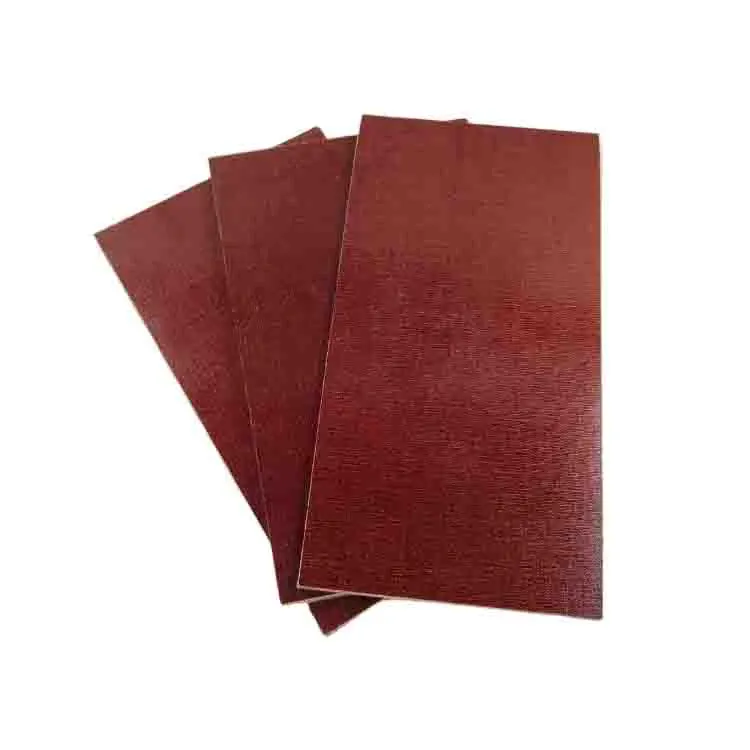
Understanding Phenolic Cotton Sheets in Heavy Machinery Applications
What Makes Phenolic Cotton Cloth Laminates Unique
In a multi-step process, bleached cotton fabric is mixed with phenolic resin and then heated and pressed at high pressures and temperatures above 150°C. This makes phenolic cotton cloth laminated sheets. This process makes a stiff hybrid material that is somewhere between metals that are only good for mechanical purposes and materials that are only good for electrical purposes. After being made, the laminate has great dielectric strength, is easy to work with, and stays the same size even when the temperature changes.
Compared to phenolic paper sheets, which are made with paper as the support layer, cotton cloth sheets are more resistant to mechanical damage. This feature keeps gears from breaking completely when they suddenly get a lot of weight on them, which can happen in conveyor systems, breakers, and other heavy industrial equipment. In addition to adding strength, the cotton reinforcement naturally dampens vibrations and noise that travel through engine parts.
Core Properties That Matter for Gear Manufacturing
For heavy machinery gear uses, you need materials that can handle constant rubbing, keep their shape under stress, and don't break down when heated. Phenolic cotton laminates give in a number of ways that have a direct effect on how well gear works and how much it costs to run.
Because the material is resistant to heat and wear, it can be used in places where temperatures change between normal and high working zones. Because it doesn't absorb much water—usually less than 1.5% by weight—its dimensions don't change much, even in damp places or outside. This means that the gears will always fit properly, and there is a lower chance that they will wear out too quickly.
Another useful benefit is that it is resistant to chemicals. Gears are often in industrial settings where they come into touch with oils, cutting fluids, and sometimes solvents. Phenolic cotton sheets are better at resisting rust and chemical breakdown than many thermoplastics. They also keep their mechanical qualities over long periods of time. Because these laminates are light, they also lower the rotating inertia of gear systems. This lets them speed up and slow down more quickly without losing strength.
How CNC Machining Enhances Performance and Customization
Standard phenolic cotton sheets can be turned into precision-engineered gear parts with tight size tolerances using CNC-machining. Tolerances of within ±0.05mm can be reached with modern CNC equipment. This makes sure that the teeth are the right shape, the hub hole is centered, and the surface is smooth so that there is little friction during use.
Because phenolic cotton laminates are easy to machine, complicated gear profiles with helical teeth, keyways, and mounting holes can be made in a single setting. This feature cuts down on production time and gets rid of alignment mistakes that happen when parts are moved from one machine to another. CNC-machining also lets you make quick prototypes and small batches, which means you can make custom gears for specialized machines without having to pay for expensive tools like you would for metal casting or forging.
Noise levels and wear rates are directly related to the quality of the surface finish. When phenolic cotton gears are CNC-machined, the surface roughness is usually between 1.6 and 3.2 Ra. This means that the contact surfaces are smooth and the loads are spread evenly across the tooth faces. This precise cutting makes bearings last longer and requires less upkeep in heavy-duty situations.
Comparing Phenolic Cotton Sheets with Other Materials for Gear Manufacturing
Performance Benchmarks Against Alternative Laminates
Choosing the right material for big machinery gears means finding a balance between cost, handling needs, mechanical strength, and thermal performance. Phenolic cotton cloth laminates work in a certain set of conditions that are different from phenolics made from paper and options that are reinforced with glass.
Phenolic cotton sheets are less expensive, but they can't handle being hit hard. Glass-reinforced epoxy laminates have a higher tensile strength, often surpassing 400 MPa. However, they don't have the self-lubricating and vibration-dampening qualities of cotton reinforcement. Even though polyester and acetal resins are easier to work with, they are not as good as phenolic materials at withstanding heat and keeping their shape when heated and cooled.
When you look at specific program needs, the trade-offs become clear. Cotton is tough against impacts, which is good for mining equipment gears that have to deal with pressure loads. On the other hand, precision instrument gears may prefer the tighter standards that glass-reinforced composites allow. Knowing these differences helps procurement teams fit the qualities of materials to the needs of operations.
Thickness, Grade, and Quality Standards
The quality grade and width of the sheet have a big effect on how stable the gear is and how long it lasts. Standard phenolic cotton laminates come in a range of thicknesses, from 3mm to 100mm. The mechanical qualities change with thickness because of the number of layers of lamination and how evenly they cure.
Thinner sheets, between 3mm and 10mm, are better for things like seals and screws that need to be flexible and bendable. When making gears, sheets that are between 15mm and 50mm thick are needed because they need to be strong enough to hold loads. Quality levels are usually shown by color or code systems that show the amount of glue, the level of hardening, and how well the material works at different temperatures.
Following well-known rules makes sure that the qualities of an object stay the same. A lot of providers use NEMA grades or foreign standards that are similar and spell out electrical, mechanical, and thermal performance factors. The people in charge of buying things should make sure that the materials they're considering meet any UL, ROHS, or industry-specific standards that apply to them.
Procurement Insights: Buying CNC Machined Phenolic Cotton Sheets for Heavy Machinery
Supplier Evaluation and Global Sourcing Considerations
To find high-quality CNC-machined parts, you have to look at sources in more than one way, not just their unit price. The reputation of a supplier shows how well they've done in the past at offering consistent material quality, meeting shipping dates, and responding to technical help requests. Some certifications, like ISO 9001, show that you have a written quality management system. Other certifications, like those for specific industries, show that you have specialized knowledge.
Location affects lead times, shipping prices, and how well people can talk to each other. When it comes to unique specs, domestic suppliers often offer faster turnaround times and make it easier to work together, while foreign makers may offer lower prices on big orders. In today's global supply chain, these factors have to be weighed against the costs of keeping stockpiles and the need for flexible production schedules.
When compliance paperwork is needed for regulated businesses or quality checks, being able to track materials becomes important. Established providers keep records that connect batch numbers to the sources of raw materials, the conditions of processing, and the results of inspections. This paperwork helps with finding the root cause of any quality problems that might happen and shows that the provider was properly qualified.
Understanding Pricing, MOQs, and Lead Time Variables
The cost of raw materials, the difficulty of the cutting process, the number of orders, and the time frame for delivery all affect how much CNC-machined phenolic cotton parts cost. The cost of sheet material depends on its thickness, standard grade, and the state of the market, which affects the supply of phenolic resin and cotton fabric. The cost of machining depends on how complicated the part is, how close the tolerances need to be, and how many are being made.
Minimum order quantities (MOQs) affect unit costs by setting up setup amortization and making better use of materials. When it comes to custom CNC-machining, MOQs are usually based on machine time instead of piece count. This means that when counted in units, complicated parts may have lower MOQs than simple forms. To negotiate reasonable MOQs, you need to know your production plan and how much inventory you can hold.
Lead times include getting the materials, making, inspecting for quality, and moving the goods. Standard sheet materials can be shipped in a few days, but unique sizes or special grades take weeks to make. If the shop is busy and has a lot of projects to do, CNC-machining can take extra days or weeks. International shipping adds even more time to the process, so it's important to plan ahead to avoid production delays.
Practical Applications and Case Studies of CNC Machined Phenolic Cotton Sheets in Heavy Machinery Gears
Mining Equipment: Reducing Wear in Harsh Environments
When mining, machines are exposed to rough dust, high temperatures, and constant shaking. It is clear that phenolic cotton sheets work better than standard designs in conveyor systems and material handling equipment. One company that makes breaking equipment said that moving from steel-on-steel drives to phenolic cotton intermediate gears paired with steel drive shafts pushed the time between gear replacements from eight months to eighteen months.
This feature is especially useful in mining situations where something goes wrong. When there is an overload, like when the flow of material gets stuck, phenolic cotton gears shred instead of sending damaging forces to expensive drive motors and reducers. This safety feature keeps equipment from breaking down badly, which can save a lot of money in production sites where downtime costs can reach thousands of dollars an hour.
Multiple setups of maintenance data show that phenolic cotton gears need to be oiled less often than metal gears working in the same conditions. The material naturally lubricates itself and has a lower coefficient of friction, which means it creates less heat and wears less quickly. This means that upkeep costs are lower and parts last longer.
Automotive Manufacturing: Heat Resistance in Assembly Line Fixtures
Fixtures and tools used to make automotive parts are put through multiple thermal processes and mechanical stress. In painting ovens, drying stations, and automatic transfer systems, phenolic cotton parts that have been CNC-machined are used as wear strips, insulation barriers, and gears. The material can work reliably at temperatures up to 150°C for long periods of time, which is higher than the temperature at which thermoplastics would shrink or bend.
Non-nylon gears that broke too quickly in hot environments were replaced by phenolic cotton gears in the battery pack assembly line of a major car supplier. The phenolic cotton solution got rid of the need to change gears during production runs. This improved line uptime by 3.2% and gave a return on investment (ROI) within seven months through lower maintenance costs and higher output.
Precision machining makes it possible for robotic tools to work well with precision machining. Phenolic cotton gears fit easily with steel pinions and stay in the right place throughout their service life. This meets the high quality standards of modern car manufacturing, where consistent dimensions directly affect the final assembly tolerances.
How to Choose the Right CNC Machined Phenolic Cotton Sheet for Your Gear Manufacturing Needs?
Assessing Application Requirements and Operating Conditions
Before choosing the right phenolic cotton sheets, you should write down the gear's working setting and performance needs. Load capacity estimates figure out the bare minimum of mechanical strength that is needed by taking into account both the loads that are applied all the time and the highest shock loads that happen during starting, shutdown, or emergency stops. Temperature exposure ranges show if normal grades are enough or if higher-temperature formulas are needed.
A chemical environment study looks at how the equipment might be affected by oils, solvents, cleaning agents, or process chemicals that come into contact with it while it is being used or maintained. Many industrial chemicals don't react with phenolic cotton, but some versions may react with strong acids, alkalis, or some organic solvents. Chemical resistance charts on supplier technical data sheets help you choose the right material.
Both the width of the material and the way it is machined are affected by the size standards. Gears that need precise tooth profiles and concentricity do better with bigger stock because it keeps the shape during cutting and lowers the risk of warping. Thinner materials can be used in applications that can handle wider limits, which saves weight and money on materials.
Evaluation Framework for Material Properties and Supplier Reliability
A structured review approach makes it easier for procurement teams to compare choices in a structured way. An evaluation of a material's properties looks at its mechanical strength, its heat performance, its electrical properties, and its physical stability. By asking for verified test results, you can be sure that the claimed properties match how the material actually works.
When choosing a sheet width, you have to weigh the need for strength against the need to keep costs low. Thicker sheets can hold more weight, but they also cost more and make parts heavier. Engineering research figures out the thinnest layer that meets the requirements for strength and safety, taking into account the job cycle and expected service life of the application.
Different providers can machine parts with different levels of accuracy depending on their tools and quality control methods. By asking for sample parts or doing supplier checks, you can find out about the real machining tolerances, quality of the surface finish, and stability between production runs. Setting up clear specification papers with limits for dimensions, standards for surface finish, and inspection criteria stops mistakes and quality disagreements.
Supplier dependability includes how well they deliver, how quickly they help with technology issues, and how well they can solve problems. Checking with current customers for references shows how providers handle rush orders, quality problems, and working together on designs. Long-term relationships with dependable providers lower the risk in the supply chain and help with efforts to keep getting better.
Conclusion
CNC-machined phenolic cotton sheets are useful for heavy machinery gear uses because they are strong, don't change much in temperature, and offer fail-safe security. These composite laminates cut down on noise and vibration, make upkeep less frequent, and keep expensive engine parts from getting damaged by overloading. When choosing a material, you have to weigh the performance needs against the cost, paying close attention to the thickness, quality grade, and supplier's abilities. To have a successful implementation, you need to know what the application needs, build ties with skilled providers, and use CNC-machining to get the best gear performance and operating reliability.
FAQ
What Temperature Range Can Phenolic Cotton Gears Handle?
Standard phenolic cotton laminates work consistently in temperatures that don't change for a short time up to 180°C and for long periods of time up to 150°C. The actual efficiency varies on the load, since mechanical strength drops when temperatures rise. When the temperature is higher, the rate of material breakdown needs to be looked at, and different formulas or cooling measures may be helpful.
What effect does CNC machining have on the strength of a structure?
Accurate CNC-machining improves the performance of phenolic cotton parts by creating exact dimensions and smooth surfaces. Delamination and surface damage can be avoided by using sharp cutting tools, the right feed rates, and enough cooling. In places where there is a lot of wetness, machined edges may need to be sealed to keep layers from separating, but this is usually not needed in industrial gear uses.
Can Phenolic Cotton Gears Replace Metal Gears Completely?
When vibration reduction and fail-safe safety are most important, phenolic cotton gears are the best choice for middle drive positions. They usually go with metal drive gears instead of metal ones all together. The best setup has steel or a hardened metal for the main drive elements and phenolic cotton for the driven gears. This gives the best balance of resilience and protection.
Partner with J&Q for Precision-Engineered Phenolic Cotton Sheet Solutions
Every time they work with a phenolic cotton sheet supplier, J&Q brings more than 20 years of experience making high-quality products and ten years of experience in foreign trade. Our in-house CNC-machining lets us make accurate gear parts that are exactly what you need, and our specialized transportation operations make sure that your deliveries happen on time, so your production can keep going as planned. We work together with engineering teams to help you choose the best materials, provide certified quality paperwork, and let you choose the right order amounts for your project. You can talk to our expert team about your heavy machinery gear needs by emailing info@jhd-material.com. They will give you personalized advice based on detailed material data and application support.
References
Smith, R.J., "Composite Materials in Industrial Gear Applications," Journal of Mechanical Engineering Design, Vol. 134, 2019.
Chen, L. and Kumar, A., "Performance Comparison of Polymer Matrix Composites in Heavy Machinery," International Journal of Advanced Manufacturing Technology, 2020.
Industrial Laminates Technical Manual, NEMA Standards Publication LI 1-2018, National Electrical Manufacturers Association, 2018.
Thompson, M., "Failure Analysis and Prevention in Industrial Gear Systems," McGraw-Hill Professional Engineering, 2021.
Zhang, W., "CNC Machining Optimization for Composite Laminates," Manufacturing Engineering and Technology Review, Vol. 15, 2022.
Davidson, P.R., "Material Selection for Harsh Environment Applications in Mining Equipment," Society of Mining Engineers Technical Proceedings, 2020.

Get a complete product list and quotation

J&Q New Composite Materials Company



