Which Insulation Sheet Is Best for Precision Components?
When choosing insulation materials for precision parts, FR4 sheets, 3240 epoxy boards, and phenolic cotton sheets work the best in industry settings. Which insulation sheet is best for you depends on your needs. For example, FR4 is great for making electronics because it is very dielectric and can be machined with a CNC, while phenolic cotton sheets are better for big machinery because they are stronger. Power systems can rely on materials made from epoxy to be very stable at high temperatures. Knowing these things about the materials helps engineers and procurement teams pick the best option for their precision manufacturing needs in terms of performance, meeting standards, and cost-effectiveness.
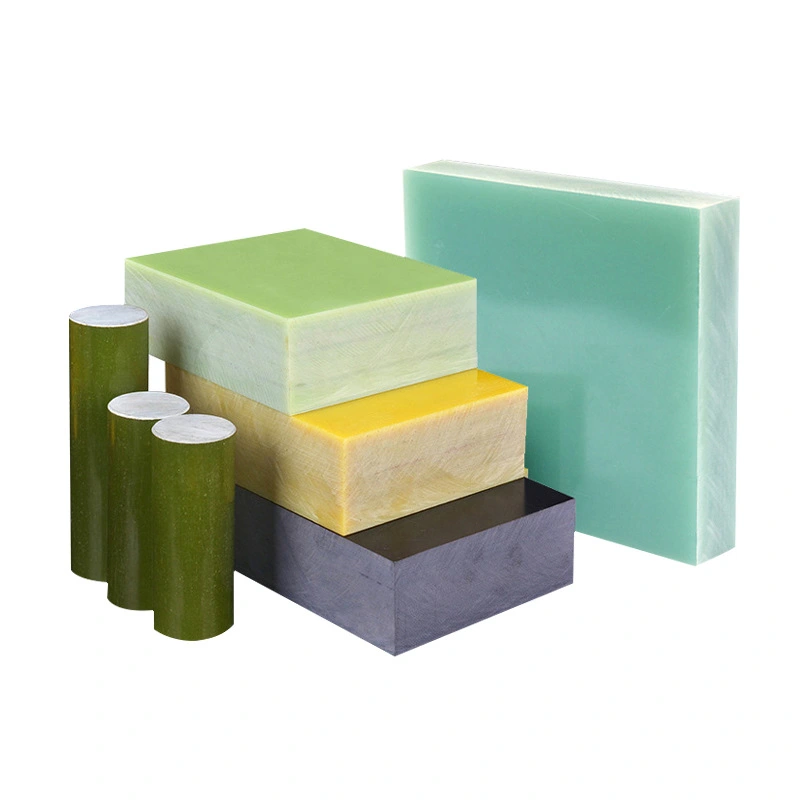
Understanding the Importance of Insulation Sheets for Precision Components
Thermal Control and Mechanical Protection
In precision manufacturing, insulation sheets are very important because they keep the machine at the right temperature and keep sensitive parts safe from mechanical stress. These materials stop thermal movement that could lead to component drift or failure. This is especially important in electronics, where small changes in temperature can affect how well a circuit works. Quality insulation materials have thermal features that help keep dimensions stable. This means that precisely machined parts will stay exactly the way they were made for as long as they are used.
When used for high precision, mechanical protection is just as important as electrical security. Vibration dampening and shock absorption properties of properly chosen insulation materials stop tiny movements that could affect the accuracy of parts. In industrial settings, precise equipment is constantly under mechanical stress. To keep manufacturing tolerances, it is important to choose strong insulation materials.
Key Performance Requirements
To keep electricity from breaking down in high-voltage situations, electrical insulation materials need to have a very high dielectric strength, which is usually measured in kilovolts per millimeter. The ability of a material to keep its properties under constant thermal stress is measured by its heat resistance grade, which is often given by UL temperature indices. These specs are very important for switchgear uses and motor parts that have to handle a lot of heat and electricity.
The ability of insulation materials to keep their protective features even when the environment changes is called dimensional stability. This makes sure that interference or misalignment problems don't happen. Moisture absorption rates, chemical resistance, and flame retardancy all play a part in how reliable something is over time in harsh industrial settings where accurate parts are used all the time.
Criteria for Selecting the Best Insulation Sheet for Precision Components
Thermal and Electrical Performance Metrics
Thermal conductivity values show how well an insulation material stops heat from moving, with lower values showing better insulation performance. Epoxy laminates and other similar materials usually have thermal conductivities between 0.3 and 0.8 W/mK, which means they can be used in situations that need thermal barrier qualities. Measurements of dielectric strength, which for high-quality materials often go over 15 kV/mm, make sure that electrical isolation is safe in high-voltage areas.
Temperature numbers show the range of temperatures that an insulation sheet can handle. Up to 130°C, Class B materials work consistently, and up to 180°C, Class H materials can handle the heat. Knowing these categories helps engineers choose the right materials for different temperature conditions, which protects parts for a long time without breaking down too quickly.
Mechanical Properties and Durability
The flexural and compressive strengths of a material show how well it can handle mechanical stress without deforming. It is common for phenolic cotton sheets to have flexural strengths above 100 MPa, which makes them perfect for use as structural insulation in heavy machines. These mechanical qualities make sure that insulation materials keep doing their job of keeping things warm even when they are under a lot of physical stress.
Chemical resistance traits keep things from breaking down when they come in contact with cleaning solvents, industrial fluids, and environmental contaminants. Materials that are very resistant to chemicals keep their insulating qualities for long periods of time. This means that they don't need as much maintenance and can protect parts consistently in harsh industrial environments.
Compliance and Quality Standards
International guidelines, such as UL recognition and RoHS compliance, make sure that insulation sheets are safe and don't harm the environment. These certifications give procurement teams faith in the materials they choose while also meeting the rules in different markets. Quality management systems, such as ISO certifications from suppliers, show that materials are made consistently and have reliable qualities.
UL94 ratings and other tests for flame protection put materials into groups based on how safe they are in a fire. V-0 rated materials put out their own fires in 10 seconds or less, making them the best choice for important applications that need superior fire protection. Engineers can choose materials that meet both efficiency and safety standards if they know about these ratings.
Comparison of Leading Types of Insulation Sheets for Precision Applications
FR4 Glass Epoxy Laminates
FR4 materials are the best for mounting electronic components and making PCBs because they have great electrical qualities and are easy to work with. The mechanical strength comes from the glass fiber support, and the better dimensional stability comes from the epoxy resin matrix. Because of these qualities, FR4 is very useful in precision electronics that need to work with very small errors and consistently good electricity.
FR4 has a thermal expansion coefficient that is very close to that of copper traces. This keeps stress-related problems from happening in thermal cycling applications. This substance keeps its qualities over a large temperature range, usually from -55°C to +130°C. This means it works well in a variety of environments.
3240 Epoxy Boards
Epoxy phenolic materials are better at withstanding heat than regular phenolic resins because they have better heat protection and less thermal expansion. These boards work great for things like motor parts and transformer systems that need to be both electrically insulated and strong. The epoxy matrix is better at keeping out water than standard phenolic materials.
Precision cutting, drilling, and punching are some of the processing methods that can be used to keep the dimensions close to the required levels. Because they can be machined, epoxy boards can be used to make unique parts where a perfect fit is important for the system as a whole.
Phenolic Cotton Sheets
Cotton fabric reinforcement has great mechanical properties, especially when it comes to uses that need to be resistant to impact and have strong flexural properties. In bearing uses and mechanical spacers where dimensional stability under load is important, these materials work better than others. The organic reinforcement is easier to work with than options that are reinforced with glass.
Phenolic cotton sheets are a good choice for high-volume uses where mechanical performance is more important than electrical qualities because they are cost-effective. Because the material can keep its strength even when the temperature changes, it can be used in industrial machines where the temperature changes.
Specialized High-Performance Materials
Modern composite materials use more than one type of support to get the best performance in certain areas. Aramid-reinforced laminates are very resistant to impact, and ceramic-filled compositions make them better at transferring heat for use in heat dissipation uses. When it comes to accurate manufacturing, these special materials solve some of the most difficult engineering problems.
When choosing specialized materials, you need to carefully weigh the benefits of efficiency against the costs. Premium material solutions that standard choices can't handle well are often worth the extra money when they are needed for applications that involve high temperatures, harsh chemicals, or important safety rules.
Best Practices for Insulation Sheet Installation and Maintenance in Precision Settings
Installation Techniques for Optimal Performance
Properly prepping the surface ensures maximum bonding and gets rid of any contaminants that could make the insulation less effective. Cleaning methods get rid of leftovers, oils, and dust that could form thermal bridges or lower dielectric strength. Specifications for surface roughness help make the mechanical connection between insulation sheets and component surfaces better.
Loads must be spread out properly by fastening methods to avoid stress buildsups that could cause materials to fail. The torque requirements for mechanical bolts make sure that the insulation material is securely attached without being overstressed. Because of thermal expansion, it's important to account for changes in size that happen when the temperature changes.
Preventive Maintenance Protocols
Regular inspections find early signs of wear and tear on parts before they affect how well they work. Visual examination methods find surface flaws like cracks, coloring, or contamination that could mean the material is breaking down. Electrical testing procedures make sure that the dielectric strength and insulation resistance numbers stay the same.
Cleaning methods get rid of built-up dirt and grime without hurting the insulation material. Cleaning products and methods that work well together protect the properties of the material and keep it clean to the standards needed for precision manufacturing settings. Recording maintenance tasks helps meet quality system standards and figures out when to replace things.
Safety Considerations
Following the right steps when handling insulation materials keeps workers safe and keeps the materials from getting damaged. Personal safety equipment needs change depending on the type of material. For example, some phenolic materials need to be machined while wearing respirators. The conditions of storage keep the qualities of the material stable and stop it from absorbing water, which could affect its performance.
Disposal methods make sure that environmental rules are followed when dealing with old insulation sheets. Many modern insulation materials can be recycled or thrown away with regular industrial trash. However, some older materials may need to be handled in a certain way.
Procurement Insights: How to Source High-Quality Insulation Sheets for Precision Components?
Supplier Evaluation Criteria
Quality management systems show how well a supplier can offer consistent performance and material properties. ISO certifications and quality standards specific to the business are objective ways to judge a supplier's skills. Traceability systems help with quality control by making sure that the features of materials can be checked all the way through the supply chain.
Technical support helps solve problems that are specific to an application and makes sure that the right materials are chosen for each need. Suppliers with good engineering tools can offer more than just materials; they can also give advice on materials, processing, and fixing problems, which is valuable on top of just providing materials.
Supply Chain Optimization
Strategies for managing inventory weigh the costs of keeping items on hand against the need to make sure they are available. This is especially important for materials that have long lead times or minimum order amounts. Just-in-time delivery cuts down on the costs of keeping inventory while making sure that materials are available when they are needed for production plans.
When you source goods from around the world, you need to think about things like shipping costs, lead times, and making sure you follow the rules in each market. Suppliers with locations around the world can provide consistent material specs and support services, no matter where the manufacturing takes place. This makes managing the supply chain easier for businesses with operations in more than one country.
Cost-Performance Analysis
To get true cost comparisons, total cost of ownership calculations take into account the costs of materials, the time needed to process them, and how long they are expected to last. Higher-quality materials that last longer may be a better deal than cheaper ones that need to be replaced more often. Performance requirements must match the real needs of the application to avoid over-specification that adds costs without improving operations.
Volume pricing systems encourage people to buy more, but they have to be weighed against the costs of keeping inventory and the length of time that materials will last. Long-term supply deals can help keep prices stable and ensure a steady supply of materials for important uses where the availability of materials has a direct effect on production schedules.
J&Q: Your Trusted Partner for Precision Insulation Solutions
Two Decades of Manufacturing Excellence
When it comes to making high-quality insulation materials for precise uses, J&Q has more than twenty years of knowledge. From FR4 glass epoxy laminates to phenolic cotton sheets, we know how to make all kinds of electrical insulation sheets. This means that the quality and performance of all of our products are always the same. Because we have so much experience, we can understand the unique problems that precision manufacturers face and come up with answers that meet the needs of each application.
Advanced manufacturing techniques are used in our production to keep tight tolerances on sizes and uniform material properties. Quality control systems keep an eye on every step of the production process, from checking the raw materials to testing the finished goods, to make sure that the materials supplied meet the high standards needed for precision component applications. We are known as one of the best companies to work with in the electronics, machinery, and power generation businesses because we pay close attention to every detail.
Comprehensive Service Portfolio
J&Q does more than just make materials; they also offer full supply chain solutions that make buying things easier for precise manufacturers. Our own logistics business handles both shipping and delivery, making sure that materials get to us on time so that we can keep up with production schedules. This one-stop service method makes things easier for procurement teams and gives them more control over delivery times and costs.
Customers can get help from technical support services to choose the best materials and working methods for their needs. Our engineering team works closely with the technical staff at the customer to solve application problems and suggest material solutions that meet both performance and cost needs. This way of working together makes sure that customers get materials that are perfect for the fine manufacturing they need.
Global Trade Expertise
With ten years of experience trading internationally, J&Q can serve customers in a wide range of places while also meeting the strict rules set by regulators. Our long-term partnerships with trading partners around the world make distribution more efficient and give us local help in key manufacturing regions. This world presence makes sure that customers get the same high-quality service no matter where they are.
Following international standards, such as UL recognition and RoHS certification, makes it easier for customers who work in regulated businesses to get approved. Because we know what each market needs, we can give our customers the right paperwork and certifications to back up their quality systems and meet their regulatory responsibilities.
Conclusion
Selecting the optimal insulation sheet for precision components requires careful evaluation of thermal, electrical, and mechanical properties alongside compliance requirements and cost considerations. FR4 materials excel in electronics applications, while phenolic options provide superior mechanical strength for industrial machinery. Understanding application-specific requirements enables informed material selection that balances performance needs with budget constraints. Proper installation and maintenance practices extend material service life while ensuring consistent component protection. Working with experienced suppliers like J&Q provides access to quality materials, technical support, and integrated services that optimize precision manufacturing operations.
FAQ
What R-value is optimal for precision component insulation?
R-values for precision component insulation typically range from 2-8 per inch depending on the specific application requirements. Electronics applications often require lower thermal resistance to allow controlled heat dissipation, while power equipment may need higher R-values to prevent thermal transfer. The optimal R-value balances thermal protection with space constraints and component operating requirements.
How durable are eco-friendly insulation options in industrial settings?
Modern bio-based insulation materials demonstrate comparable durability to traditional options when properly selected for application conditions. Natural fiber reinforced composites can withstand industrial environments while providing excellent mechanical properties. However, moisture resistance and chemical compatibility require careful evaluation to ensure long-term performance in demanding industrial conditions.
What maintenance frequency ensures optimal insulation performance?
Inspection intervals should occur quarterly in normal industrial environments, with monthly checks recommended for harsh conditions involving high temperatures, chemicals, or mechanical stress. Visual inspections can detect early signs of degradation, while annual electrical testing verifies continued dielectric performance. Proactive maintenance prevents component failures and extends insulation service life significantly.
How do thickness tolerances affect precision component performance?
Tight thickness tolerances, typically ±0.1mm for precision applications, ensure consistent spacing and alignment critical for component accuracy. Variations beyond specified tolerances can create mechanical stress, thermal bridging, or electrical clearance issues that compromise precision manufacturing quality. Material certification should include dimensional verification to guarantee specified tolerances.
What certifications are essential for industrial insulation materials?
UL recognition provides verification of electrical and fire safety properties essential for industrial applications. RoHS compliance ensures environmental safety and regulatory acceptance in global markets. ISO quality system certifications from suppliers indicate consistent manufacturing processes and reliable material properties critical for precision manufacturing applications.
Partner with J&Q for Superior Insulation Sheet Solutions
Ready to enhance your precision manufacturing with industry-leading insulation materials? J&Q combines two decades of manufacturing excellence with comprehensive technical support to deliver the exact solutions your applications demand. Our extensive inventory of FR4, epoxy, and phenolic materials ensures immediate availability, while our integrated logistics services guarantee on-time delivery. As your trusted insulation sheet supplier, we provide customized solutions, competitive pricing, and the technical expertise that precision manufacturers rely on. Contact us today at info@jhd-material.com to discuss your specific requirements and discover how our proven materials can optimize your component performance and manufacturing efficiency.
References
Institute of Electrical and Electronics Engineers. "IEEE Standard for Test Procedures for Electrical Insulating Materials." IEEE Standards Association, 2019.
American Society for Testing and Materials. "ASTM D229 - Standard Test Methods for Rigid Sheet and Plate Materials Used for Electrical Insulation." ASTM International, 2020.
International Electrotechnical Commission. "IEC 60216 - Electrical Insulating Materials - Thermal Endurance Properties." IEC Publications, 2021.
National Electrical Manufacturers Association. "NEMA LI 1 - Industrial Laminated Thermosetting Products." NEMA Standards Publication, 2018.
Underwriters Laboratories. "UL 94 - Standard for Safety of Flammability of Plastic Materials for Parts in Devices and Appliances." UL Standards, 2019.
Society of Plastics Engineers. "Engineering Guide to Electrical Insulating Materials for Industrial Applications." SPE Technical Publications, 2020.

Get a complete product list and quotation

J&Q New Composite Materials Company



