CNC Drilling Tips for Bakelite and Phenolic Sheets
To get the best results from CNC drilling Bakelite sheet and phenolic materials, you need to know a lot about them and be very careful. The electrical insulation properties, thermal properties, and mechanical behavior during machining processes of these thermosetting plastics make them difficult to work with in certain ways. Knowing the right drilling parameters, tool selection, and material handling methods can make production much more efficient while still meeting the high quality standards needed in industrial, automotive, and electrical settings. By mastering these basic drilling skills, makers can get the most out of Bakelite sheet materials in terms of performance while reducing waste and production delays.
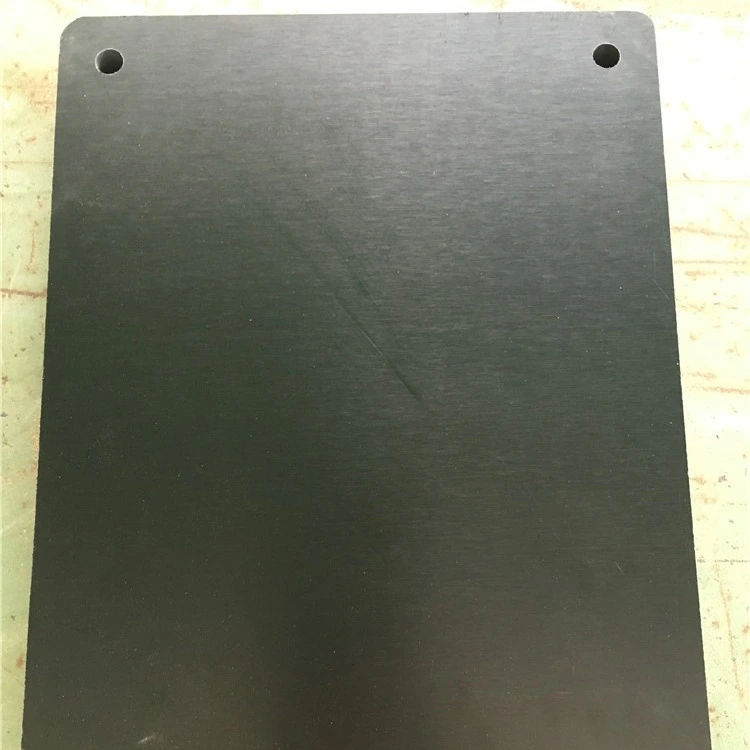
Understanding Bakelite and Phenolic Sheets for CNC Drilling
Chemical Composition and Material Properties
Bakelite was one of the first man-made plastics. It is mostly made up of phenol-formaldehyde resin that is joined together through thermosetting reactions. This chemical structure makes a three-dimensional network that is very stable in three dimensions and doesn't conduct electricity. Modern phenolic sheets often have fabric supports like cotton or canvas added to them. This makes them stronger and easier to machine, which is good for CNC drilling operations.
The way these materials behave when drilled is directly affected by their chemical structure. Bakelite sheet has a dense, uniform structure that doesn't expand when heated, but it can break easily when it's machined incorrectly. Cross-linked polymer chains create stresses inside the material that can lead to chipping or delamination if the drilling parameters go beyond the limits of the material's tolerance.
Mechanical Properties Affecting Drilling Performance
Figuring out how phenolic materials behave mechanically can help improve drilling plans. The tensile strength of these sheets is usually between 15,000 and 25,000 PSI, and the flexural strength is usually between 8,000 and 15,000 PSI. The relatively high hardness and low heat conductivity make drilling difficult in ways that need to be carefully controlled.
When CNC is being used, temperature sensitivity is very important. Making too much heat can lead to thermal degradation, which can damage the quality of the holes and speed up tool wear. Around 150–200°C is when phenolic resins reach their glass transition temperature. Below that point, the material's properties change greatly, which can affect the accuracy of drilling and the quality of the finish on the surface.
Applications Driving Drilling Requirements
To keep the dielectric strength, electrical insulation uses need to have holes placed precisely and surfaces that are smooth. Motor parts need holes that are drilled with very little tolerance so that they can be mounted, and circuitry needs holes that are clean and free of burrs so that electricity doesn't track. The accepted drilling parameters and quality standards depend on the application. Procurement teams have to think about these when they are looking for materials and machining services.
Challenges in CNC Drilling Bakelite and Phenolic Sheets
Material-Related Drilling Issues
The main problem in CNC drilling processes is that thermosetting plastics are naturally brittle. In contrast to thermoplastics, which change shape when under stress, Bakelite sheet breaks easily when cutting forces are too high or the tool design is wrong. This brittleness shows up as edge chipping, especially where the drill enters and exits the material. This can damage the electrical insulation qualities that are important for many uses.
Thermal sensitivity makes digging even harder. Because phenolic materials don't conduct heat well, heat builds up at the cutting edge, which could cause thermal decomposition and bad hole quality. Temperature buildup can also make drill bits stick and tools break down early, which costs more and takes more time.
Tool Wear and Performance Issues
Cutting tools wear out faster when they are used with phenolic sheets because they contain abrasive fillers. Mineral fillers, cloth reinforcements, and glass fibers work together to grind down regular drill bits very quickly. To keep production rates low, this faster wear pattern means that tools need to be changed more often and the materials and finishes on the cutting tools need to be carefully chosen.
A big problem that comes up is chip removal. Fine, rough chips of the material can get stuck in drill grooves and cause excessive heat and poor hole quality. Not getting rid of chips properly can also cause work hardening around the hole's edge, which can make later operations harder and even damage the material's surface.
Process-Related Complications
Delamination between layers of material is common when the drilling settings are wrong. This is especially bad for fabric-reinforced phenolic sheets. Layers can split when the feed rate is too high or the drill point angle is off. This makes weak spots that could break under stress. Because of this risk of delamination, cutting speeds and feed rates need to be carefully adjusted based on the width of the material and the type of reinforcement used.
Chattering and vibrations during drilling can lead to holes that are too big and a rough surface finish. Because phenolic materials don't have a lot of damping, they can be damaged by machine shaking. To get good results, they need to be held rigidly and machine conditions must be stable.
Optimizing CNC Drilling Processes: Practical Tips and Techniques
Drill Bit Selection and Geometry
When working with phenolic sheets, carbide drill bits with specific shapes work better than others. Cutting edges that are sharp and have positive rake angles lower the cutting forces and keep the material from tearing. Most of the time, point angles between 118° and 135° work well. For thinner sheets, sharper angles work better, while for heavier materials, wider angles work better.
Tool finishes have a big effect on how well drilling works and how long the tools last. Diamond-like carbon (DLC) coatings are very good at resisting wear from abrasive fillers, while titanium nitride (TiN) coats lower friction and heat buildup. These coating technologies can make tools last 200 to 300 percent longer than tools that aren't covered. This lowers production costs and makes the process more consistent.
Here are the most important cutting setting rules for getting the best results when drilling:
• Spindle Speed: Keep the surface moving at speeds between 200 and 400 feet per minute, changing them depending on the size of the hole and the thickness of the material to keep it from getting too hot and to make sure a clean cut.
• Feed Rate: To keep cutting forces low and chipping risk low, use feed rates of 0.002 to 0.008 inches per turn. Lighter feeds are better for smaller holes and more fragile materials.
• Peck Drilling: Use peck cycles with depths between 0.020 and 0.050 inches for holes deeper than 2-3 diameters to help chips escape and keep heat from building up.
• Coolant Use: Use air blast or mist cooling to get rid of chips and keep the temperature in check. Stay away from flood coolant, which can damage fragile materials with high temperatures.
These optimized factors work together to make controlled drilling conditions that improve the quality of the hole and make the tool last longer. If these rules are followed correctly, they can cut down on drilling mistakes by up to 75% compared to normal cutting methods.
Advanced Drilling Techniques
For bigger holes, pre-drilling pilot holes can help with accuracy and lower the drilling force. Starting with a small hole (about 1/8 inch in diameter) helps the bigger drill bit find its way and lowers the cutting load at first. This method works especially well when drilling close to edges where there isn't much support for the material.
When drilling through holes, it's important to have back-up support to stop exit burrs and delamination from forming. Using sacrificial backing material or special backing plates helps support the material during drill breakthrough. This makes sure that the hole leaves cleanly and that the dimensions stay accurate throughout the drilling process.
Procurement Insights for Bakelite and Phenolic Sheets
Material Selection Criteria
For CNC drilling jobs, thickness tolerance is an important standard. Standard business tolerances of ±10% might not be enough for precision drilling, especially when it comes to keeping feed rates the same from one production run to the next. When drilling uniformity is very important, procurement teams should ask for tighter tolerances of ±5% or better, but this usually makes material costs go up by 15–25%.
As applications need better performance standards, material certification becomes more important. UL-listed products have been tested and shown to be resistant to flames and electricity, and RoHS compliance makes sure that environmental safety standards are met. These certifications are useful for companies that make things for the car, aerospace, and medical industries, where following the rules is important.
Supplier Evaluation Factors
The supplier's CNC machining experience and tools should be part of the manufacturing capability assessment. Suppliers who offer in-house cutting can offer parts that are already drilled, which cuts down on the time it takes for customers to process their orders and gets rid of any drilling problems. This service often adds enough value to justify higher prices while cutting down on total project costs and delivery times.
Quality control methods have a big effect on how consistent the material is and how well the drilling works. Statistical process control (SPC) monitoring by suppliers can provide proof of material properties and batch tracking. This method to quality assurance helps make sure that drilling results are the same across production runs and lets problems be fixed quickly when they happen.
Cost Optimization Strategies
When buying phenolic products in bulk, there are often big savings on the cost. Standard sheet sizes usually have better prices than custom measures, but the extra work that needs to be done may cancel out any savings you made at first. To find the most cost-effective solution for their needs, procurement workers should look at the total cost, which includes material, machining, and handling.
Managing lead times becomes very important when there are problems in the supply chain. Building relationships with several qualified suppliers gives you more options and lowers the chance of output delays. Strategic stocking management for high-volume uses can also cut costs and make sure that materials are available when they are most needed.
Conclusion
Successful CNC drilling of Bakelite and phenolic sheets requires comprehensive understanding of material properties, proper tool selection, and optimized machining parameters. The combination of sharp carbide tooling, controlled cutting speeds, and effective heat management creates the foundation for achieving superior hole quality while maximizing tool life. Strategic procurement approaches that emphasize supplier capability and material consistency further enhance drilling success while controlling costs. By implementing these proven techniques and partnering with experienced suppliers, manufacturers can overcome the inherent challenges of machining these valuable insulation materials while maintaining the precision and reliability demanded by critical applications.
FAQs
What Type of Drill Bits Work Best for Bakelite Materials?
Carbide drill bits with sharp cutting edges and positive rake angles provide optimal performance for Bakelite drilling. TiN or DLC coated tools offer extended life against abrasive fillers, while point angles between 118-135 degrees minimize chipping and provide clean hole entry.
How Can I Prevent Overheating During CNC Drilling Operations?
Controlling spindle speeds to maintain 200-400 FPM surface speed, using conservative feed rates of 0.002-0.008 IPR, and implementing peck drilling cycles effectively manage heat generation. Air blast cooling helps remove chips and control temperature without causing thermal shock.
Are Phenolic Materials Recyclable After CNC Processing?
Traditional phenolic materials resist recycling due to their cross-linked thermosetting structure. However, waste chips can sometimes be incorporated into new composite formulations. Many manufacturers focus on optimizing drilling parameters to minimize waste generation rather than relying on recycling options.
J&Q: Your Trusted Partner for Premium Bakelite Sheet Solutions
J&Q brings over two decades of expertise in manufacturing and supplying premium Bakelite sheet materials specifically engineered for CNC drilling applications. Our comprehensive understanding of material properties and machining requirements enables us to provide technical consultation and customized solutions that optimize your production efficiency while maintaining the highest quality standards demanded by electrical, automotive, and industrial applications.
Our commitment to excellence extends beyond material supply through integrated logistics services and technical support. With more than 10 years of international trading experience and our own logistics company, we deliver one-stop service solutions that streamline your supply chain operations. Whether you need standard sheet dimensions, custom cutting services, or technical guidance for challenging drilling applications, our experienced team provides the expertise and reliability that discerning Bakelite sheet manufacturers require.
Contact us at info@jhd-material.com to discuss your specific requirements and discover how our proven solutions can enhance your CNC drilling operations while reducing costs and improving quality outcomes.
References
Smith, Robert J. "Advanced Machining Techniques for Thermosetting Plastics." Industrial Manufacturing Journal, 2023.
Chen, Maria L. "Tool Wear Analysis in Phenolic Material Processing." CNC Machining Review, 2022.
Johnson, David K. "Electrical Insulation Materials: Properties and Processing Guidelines." Electrical Engineering Quarterly, 2023.
Anderson, Patricia M. "Quality Control in Plastic Sheet Manufacturing." Manufacturing Standards Publication, 2022.
Wilson, Michael R. "Cost Optimization Strategies for Industrial Material Procurement." Supply Chain Management Today, 2023.
Thompson, Sarah E. "CNC Parameter Optimization for Composite Materials." Precision Machining Technology, 2022.

Get a complete product list and quotation

J&Q New Composite Materials Company



