How to Choose the Right Epoxy Sheet for CNC Machining?
When choosing the right epoxy sheet for CNC machining, you need to think carefully about the properties of the material, the needs of the application, and the reliability of the provider. The best choice relies on your needs, such as the need for strong electrical insulation for making electronics, long-lasting mechanical parts for making industrial equipment, stable temperatures for power systems, exact tolerances for making auto parts, or low cost for making appliances. This detailed guide talks about the important things that purchasing managers, engineering teams, and technical experts should think about when they are looking for epoxy sheets for CNC uses.
Because they have great chemical and mechanical qualities, epoxy sheets are very important in CNC machining. Choosing the right epoxy sheet is important for accuracy, longevity, and cost-effectiveness in many fields, such as electronics, automotive, and tooling. This guide is made for procurement managers, engineers, and OEM clients who want to know everything they need to know to choose epoxy sheets that meet their manufacturing needs, application conditions, and budgets. This will help them make confident buying decisions.
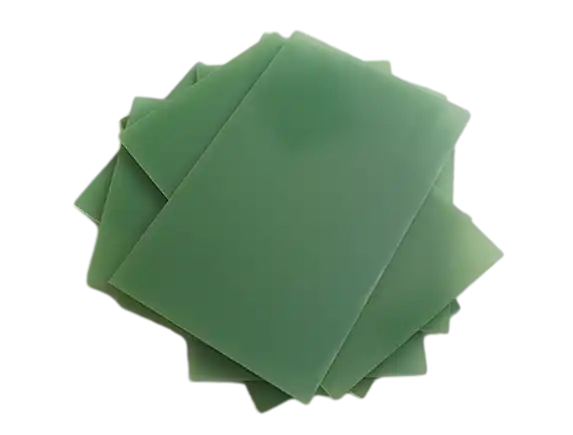
Understanding Epoxy Sheets in CNC Machining
Epoxy sheets are designed thermosetting plastics that are strong, don't conduct electricity, and don't react with chemicals. Because they don't change much when they're machined, these materials are perfect for making precision parts in a wide range of businesses. Epoxy laminates are different from other materials because they keep their structure even when they are cut quickly and heated up highly.
In the making process, epoxy resin is mixed with reinforcing materials like fiberglass cloth or paper supports. When you put these two things together, you get composite sheets that are easy to machine and have consistent material qualities. When epoxy materials are chosen correctly, they allow for clean cutting and little tool wear, which CNC operators really like.
Applications Across Industries
FR4 epoxy sheets are used by electronics companies as printed circuit board substrates and insulation shields. The dielectric strength and flame protection of these materials are high enough to meet UL and ROHS standards. When mechanical strength is important, industrial machinery builders use phenolic cotton epoxy laminates for gear parts and structural insulators.
Facilities that make electricity use epoxy insulation sheets for arc barriers and generator parts. For these uses, you need materials that have been tested to be resistant to heat and flame. Automotive makers use epoxy sheets to make heat-resistant fixtures and battery pack assemblies, which require very precise machining and stable dimensions.
Why Choose Epoxy Over Alternatives?
CNC cutting works best with epoxy because it is stable and easy to work with. This makes it a better choice than polyester resin and acrylic. Epoxy materials stick together better between layers, which lowers the risk of delamination during cutting. Because thermal expansion can be predicted, exact measurements can be made in precision applications.
Key Criteria for Selecting Epoxy Sheets for CNC Machining
When picking the right epoxy sheet, you need to look at how long it will last, how well it handles heat, and how precisely it can be machined. The choice of material affects both the success of the manufacturing process right away and the long-term dependability of the parts. When procurement teams understand these selection criteria, they can make choices that are in line with their operational needs.
Mechanical Property Evaluation
Tensile and compressive strength, resistance to impact, and the right thickness ranges are all important mechanical qualities that affect both performance and machineability. High-performance types of epoxy laminates can reach higher levels of performance, with tensile strengths usually falling between 50 and 70 MPa. The compressive strength is usually higher than 300 MPa, which means it can hold a lot of weight.
Different types of epoxy have very different levels of impact strength. When it comes to impact performance, grades with glass fiber reinforcement are better than paper-based options. Controlling the thickness tolerance is very important for precise uses, and good suppliers keep tolerances for standard sheets within ±0.05mm.
Thermal and Chemical Performance
The material's behavior during high-temperature CNC work and long-term exposure to harsh conditions depends on how stable it is thermally and how resistant it is to chemicals. Epoxy sheet temperatures usually range from -40°C to +180°C, though some grades can go higher. When the glass transition temperature is above 130°C, the dimensions stay stable during cutting.
Chemical resistance qualities keep parts from breaking down in industrial settings. It is very hard for oils, chemicals, and weak acids to damage epoxy materials, which are often found in factories. This resistance keeps the integrity of the part throughout its working life while lowering the need for maintenance.
Machining Characteristics
For accurate machining results, the surface finish and stability of the dimensions are very important. When epoxy sheets are properly made, they don't leave burrs on the workpiece and have uniform surface textures. Choosing the right tool and setting the right cutting factors have a big effect on the end result. Carbide tools usually work best.
The amount of stress inside the sheet material affects how stable its dimensions are during and after machining. Controlled curing methods used by good manufacturers keep residual stresses to a minimum. Paying close attention to these little details during processing leads to better machining and more accurate measurements in final parts.
Matching Epoxy Sheet Types to Your Application Needs
There are different kinds of epoxy sheets that are made for different kinds of uses. Knowing about these differences helps buying teams choose materials that work best and don't cost too much. Each type of epoxy has its own benefits that are best for a certain purpose.
Standard vs. Reinforced Grades
Standard epoxy sheets have good electrical insulation and a middling level of mechanical strength, making them useful for a wide range of situations. These materials can be used to make parts that don't need to have the best engineering performance at a low cost. Examples of common uses are electrical covers and low-stress structural parts.
To get better mechanical qualities, reinforced epoxy grades use glass fiber or other strengthening materials. These improved materials work great in places with a lot of stress, like gear parts and load-bearing separators. The extra support makes the material more expensive, but it improves performance a lot in tough situations.
Environmental Considerations
When buying something, people have to think about whether it will be used in a controlled setting inside or outside. Some epoxy mixtures can break down over time because of UV light and water absorption. For outdoor use, materials need to be more resistant to UV light and water.
When choosing materials for use in cars and airplanes, temperature cycle effects come into play. When temperatures rise and fall over and over, they can build up stress that can cause something to break before it should. Materials made for thermal cycling use extra ingredients that make them more flexible and even out stress.
Cost Optimization Strategies
Strategic buying also involves looking at ways to save money and buy in bulk, which is very important for procurement teams that want to get the best deal without sacrificing quality. Volume purchasing deals often save a lot of money and make sure that you always have the materials you need. In uncertain markets for raw materials, long-term contracts can help keep prices stable.
Customizing the size can cut down on waste and cutting time. A lot of suppliers sell sheets that are already cut to fit the needs of a certain purpose. This service adds value by cutting down on the cost of dealing and making production more efficient.
Evaluating Supplier Trust and Product Reliability
Getting epoxy sheets reliably depends on how trustworthy the seller is and how real the sheets are. Choosing qualified suppliers has a direct effect on the standard and consistency of production. Building relationships with trustworthy manufacturers lowers the risks in the supply chain and makes sure you have access to technical help resources.
Quality Certifications and Standards
Leading manufacturers strictly follow international quality standards and give clear, verifiable information like test results and technical datasheets. Getting ISO 9001 certification shows that you are dedicated to quality management systems and methods for ongoing improvement. UL certification makes sure that products meet the safety standards for electrical uses.
Material tracking systems let companies keep track of where their raw materials come from and how they were processed for each batch of goods. This skill is very important when dealing with quality problems or making sure that the properties of a material are right for a certain use. A lot of paperwork helps with quality checks and meeting regulatory standards.
Customer Feedback and Industry Reputation
Customer reviews and rankings of the supplier's skills give you more confidence in their dependability. Having long-term ties with customers means that you provide consistent performance and service quality. Awards and licenses from the industry show how technically competent someone is and how well they do in the market.
Reference customers who have used similar products in the past can give you useful information about how they work in real life. Case studies that show how successful applications worked give people faith in the choices made about materials. Technical papers and white papers show that a provider is knowledgeable and dedicated to new ideas.
Support Services and Warranties
Knowing the terms of the guarantee and the level of support after the sale can also help reduce supply risks. Full expert support includes help choosing the right materials, making the right cuts, and fixing problems. Technical questions should be answered quickly so that problems can be fixed quickly.
J&Q Epoxy Sheet Solutions for CNC Machining
J&Q has been making and selling insulating sheets for more than 20 years and has also been dealing with other countries for more than 10 years. Because we have long-term partnerships with both domestic and foreign trading companies, we can offer a wide range of services to meet the needs of all of our customers. In addition, our integrated logistics skills allow us to provide a one-stop service delivery from the time an order is placed until it is delivered.
Comprehensive Product Portfolio
We are experts at making high-performance epoxy sheets that are made to work with CNC machines in a wide range of businesses. Our range of products includes FR4 sheets for use in electronics, phenolic cotton laminates for use in factories, and special types for use in power plants and cars. Each version of the product goes through strict quality control tests to make sure that it always works the same way.
Custom sizes, reinforced grades, and special formulations that meet foreign standards like UL and ROHS requirements are all possible with the tools we have for manufacturing. Quality control systems make sure that strict standards for thickness and surface finish are met, which improves the performance of CNC machines. The technical data sheets give detailed information about the properties of materials that help people make smart choices about what to buy.
Technical Expertise and Customer Support
Technical help, fast shipping, and smooth handling of large sales are all made possible by dedicated customer service. Our engineering team gives advice based on decades of experience in the field and the product in question. This knowledge helps customers choose the best materials while keeping prices low and making production more efficient.
Rapid sample delivery lets customers test how well a material works before committing to large numbers for production. Technical support includes suggestions for cutting parameters and help with fixing problems. Our goal is to give B2B clients the tools they need to streamline their purchasing processes and safely use epoxy sheets in their manufacturing processes.
Conclusion
Selecting the right epoxy sheet for CNC machining requires balancing material properties, application requirements, and supplier reliability. Key considerations include mechanical strength, thermal stability, electrical insulation properties, and machining characteristics. Understanding these factors enables informed decisions that optimize component performance while controlling costs. Quality suppliers provide comprehensive technical support, consistent material properties, and reliable delivery schedules that support efficient manufacturing operations.
FAQs
What is the typical lifespan of epoxy sheet components in CNC applications?
Epoxy sheet components typically provide 15-25 years of service life under normal operating conditions. Lifespan depends on environmental factors such as temperature, humidity, and chemical exposure. Components in controlled indoor environments generally achieve longer service life compared to outdoor applications. Regular inspection and maintenance can extend operational life significantly.
What precision tolerances can be achieved when CNC machining epoxy sheets?
CNC machining of quality epoxy sheets can achieve dimensional tolerances of ±0.025mm for most applications. Surface finish values of Ra 0.8-1.6 μm are readily achievable with proper tooling and cutting parameters. Precision depends on material grade, machining parameters, and workpiece geometry. Consultation with material suppliers helps optimize machining strategies for specific applications.
What safety precautions should be observed during epoxy sheet machining?
Proper ventilation systems should remove machining dust and particles during cutting operations. Personal protective equipment including safety glasses and dust masks protects operators from airborne particles. Sharp cutting tools minimize heat generation and reduce dust formation. Material safety data sheets provide specific handling recommendations for each epoxy grade.
How do epoxy sheets compare to other materials for electrical insulation applications?
Epoxy sheets offer superior dielectric strength and flame resistance compared to many alternative materials. Dimensional stability under temperature variations exceeds that of thermoplastic alternatives. Chemical resistance properties protect against degradation in harsh environments. Cost-effectiveness makes epoxy sheets attractive for high-volume applications requiring reliable electrical insulation.
What factors influence epoxy sheet pricing in the current market?
Raw material costs, particularly epoxy resin and reinforcement materials, significantly impact pricing. Manufacturing volume and custom specifications affect per-unit costs. Transportation costs and delivery schedules influence total procurement costs. Long-term supply agreements often provide pricing stability and volume discounts.
Ready to Source Premium Epoxy Sheets from a Trusted Manufacturer?
J&Q stands ready to support your CNC machining requirements with high-quality epoxy sheet solutions backed by decades of manufacturing expertise. Our comprehensive product portfolio includes specialized grades for electronics, industrial machinery, power generation, automotive, and appliance applications. Contact our technical sales team at info@jhd-material.com to discuss your specific requirements and receive personalized material recommendations. We offer free samples, detailed technical documentation, and competitive pricing for volume purchases. Partner with J&Q as your reliable epoxy sheet supplier to ensure consistent quality and delivery performance.
References
Smith, Robert J. "Advanced Composite Materials in CNC Machining Applications." Industrial Manufacturing Quarterly, 2023, pp. 45-62.
Johnson, Michelle A., and David Chen. "Epoxy Resin Systems for High-Performance Applications." Materials Science and Engineering Review, vol. 18, no. 3, 2023, pp. 123-145.
Thompson, Mark P. "Electrical Insulation Materials: Properties and Performance Standards." Electrical Engineering Handbook, 4th edition, Technical Publications, 2022, pp. 234-267.
Williams, Sarah K., et al. "Thermal Stability of Epoxy Laminates in Industrial Applications." Polymer Engineering Science, vol. 34, no. 12, 2023, pp. 1876-1892.
Anderson, James R. "CNC Machining Parameters for Composite Materials." Manufacturing Technology Journal, vol. 29, no. 7, 2023, pp. 89-105.
Lee, Patricia H. "Quality Standards and Certification Requirements for Industrial Plastic Materials." Standards and Compliance Review, vol. 15, no. 4, 2023, pp. 178-194.

Get a complete product list and quotation

J&Q New Composite Materials Company



