Choosing the Right Epoxy Sheet for Electrical Panels
Many technical and performance factors must be carefully thought through when choosing the right epoxy sheet for use on electrical panels. In power distribution systems, these layered composite materials are very important for keeping electricity safe, controlling heat, and supporting the structure. Choosing the right epoxy sheet has a direct effect on the safety, working efficiency, and long-term dependability of the panel. By knowing about the qualities of materials, compliance standards, and application needs, engineering teams can choose insulation options that meet strict electrical codes while also being the most cost-effective and compatible with manufacturing.
Understanding Epoxy Sheets for Electrical Panels
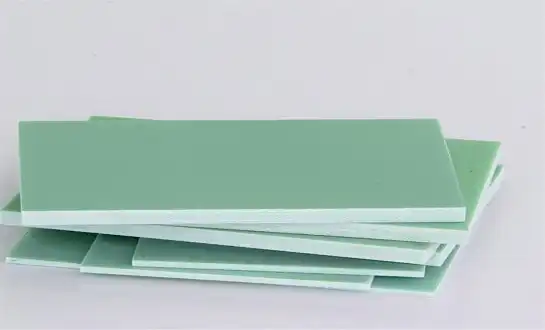
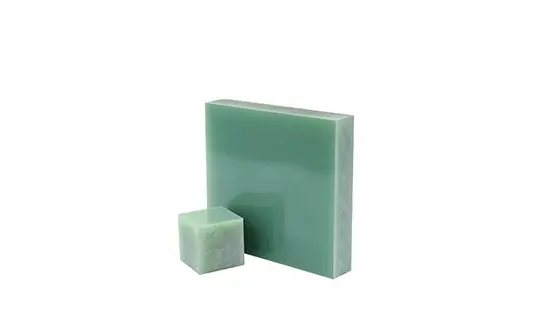
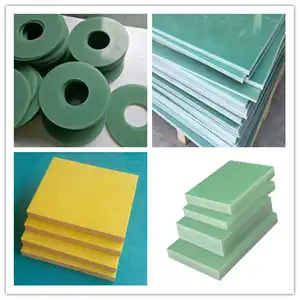
The engineered composite materials used to make epoxy sheets are especially made to meet the tough requirements of making electrical panels. These thermoset polymer-based laminates have great electrical insulation qualities and strong mechanical performance. They are made up of glass fiber reinforcement and epoxy resin systems.
Core Properties and Characteristics
The main thing that makes epoxy-based laminates appealing is that they have good electrical and mechanical qualities. The dielectric strength is usually between 16 and 20 kV/mm, which makes it reliable for isolating voltage in a wide range of operating situations. The thermal stability of these materials stays the same from -55°C to 180°C, so they can be used for electrical systems both inside and outside.
The normal density of the material is between 1.8 and 2.1 g/cm³. This gives it the best strength-to-weight ratio, which makes it easier to put panels together while keeping the structure strong. The low moisture absorption (usually less than 0.5% after 24 hours of immersion) makes sure that the electricity performance stays stable in damp places.
Types of Epoxy Sheets for Electrical Applications
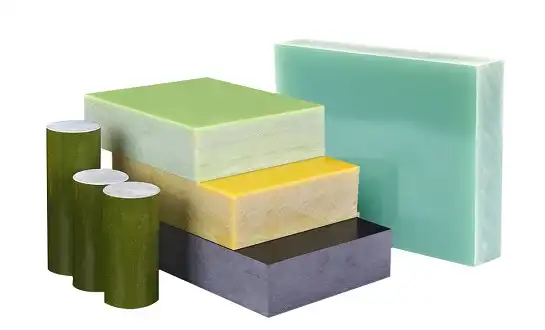
Glass-epoxy laminates are the most common type of material used in electrical panels because they have a history of reliability and meet standard requirements. FR4 grades have flame-retardant qualities that are needed for safety reasons and are also very easy to machine for making custom panel shapes.
Different types of high-temperature epoxy can be used in places with hot conditions, like motor control centers and generator enclosures. Even when heated, these special formulations keep their mechanical qualities and dimensional stability.
Instead of phenolic-cotton, there are cheaper options that can be used in places where high electrical performance needs to be balanced with budget concerns, like in big industrial installations.
Key Selection Criteria for Epoxy Sheets in Electrical Panels
To pick the best insulation materials, you need to carefully look at performance factors that have a direct effect on the safety and usefulness of the electrical panel.
Electrical Performance Requirements
The main selection factor is the dielectric strength, which shows how well the material can handle electrical stress without breaking. Good epoxy laminates consistently have an insulation resistance above 10±² ohms, which keeps live parts from touching grounded surfaces.
Arc resistance tells you how well a material can handle electrical arcing without getting carbonized or tracking. Premium epoxy sheets have arc resistance values above 180 seconds, which means they provide safety gaps that go beyond what the electrical code requires.
Thermal Management Capabilities
The way heat is dissipated directly affects how long panel parts last and how reliably they work. Values of thermal conductivity between 0.3 and 0.8 W/mK allow heat to move efficiently while keeping the electricity separate.
Ratings for the glass transition temperature above 130°C make sure that the dimensions stay stable when the temperature changes, which happens a lot in electrical panel operations. This temperature stability stops warping or delamination that could make it hard for electricity to flow.
Mechanical Strength and Durability
The flexural strength needs change depending on the type of panel and how it is mounted. Good epoxy sheets have flexural strengths of more than 400 MPa, which means they can hold up structures and keep the electrical wiring intact.
Impact resistance is very important in industrial settings where panel parts may be affected by mechanical stress or shaking. Charpy impact values above 50 kJ/m² show that the material is tough enough for tough jobs.
Compliance and Certification Standards
UL certification makes sure that materials meet electrical safety guidelines in North America. UL 94 flame grades of V-0 or V-1 show that the electrical panel meets the performance requirements for flame retardancy.
RoHS compliance follows environmental rules by limiting the use of dangerous materials in electronics parts. Compliance with REACH shows even more dedication to being environmentally friendly in global markets.
Comparison of Different Epoxy Sheet Types and Alternatives
To make the best material choice, you need to know how the different types of insulation on the market today affect performance.
Epoxy vs. Alternative Materials
Polyester laminates are cheaper to make, but they don't hold up as well in temperature changes and don't work as well with electricity as epoxy systems do. Polyester materials are good for basic tasks, but they might not meet the strict needs of electrical panels.
Polyurethane sheets are very flexible and don't react badly with chemicals, but they aren't stable at high temperatures and don't have the right electrical qualities for most electrical panel uses. Instead of being used for structure insulation, these materials are better suited for gaskets and seals.
Phenolic resin systems are good at resisting flames and are cheap, which makes them appealing for projects that need to stay within a budget. However, their sensitivity to wetness and narrow temperature range may make it hard to use them in tough conditions.
Brand and Grade Considerations
Premium epoxy makers usually offer a lot of technical information, quality certifications, and performance that is the same from batch to batch. These materials cost more, but they are more reliable and come with better technical help.
For most electrical panel uses, standard commercial grades strike a good balance between efficiency and cost. These products meet important requirements and are available at reasonable prices for bulk purchases.
Options in the economy may meet basic needs, but they often don't have a lot of testing data or quality assurance systems. When these products are being thought about for important uses, risk assessment becomes very important.
Cost Analysis for Procurement Planning
Volume pricing structures have a big effect on the total cost of a job, especially when it comes to installing a lot of electricity. Knowing the minimum order quantities and delivery times helps make procurement plans work better.
By getting rid of the need for in-house machining, custom cutting services and value-added processing can lower the cost of making things. Most of the time, these services save money that makes up for higher material costs.
Long-term supply deals with reliable suppliers can keep prices stable and make sure that materials are always available for ongoing projects. In addition to cost savings, strategic partnerships often offer benefits like technical help and quality assurance.
How to Select and Apply Epoxy Sheets for Electrical Panel Fabrication?
For epoxy insulation materials to be used successfully, they need to be carefully chosen, handled, and installed according to best practices.
Selection Process Guidelines
Before you can do an application requirements analysis, you need to know about the electrical requirements, the surroundings, and the mechanical loads of the epoxy sheet. The first screening of materials is based on temperature range, voltage levels, and chemical exposure possibilities.
Material choice and supplier evaluation are affected by criteria like thickness tolerances, surface finish, and machining capabilities. Customizing sizes can cut down on waste and make fitting easier.
Reviewing the quality paperwork makes sure that the materials meet the needs of the project and all applicable laws. Material performance can be trusted with a certificate of compliance, test results, and quality system certifications.
Installation and Fabrication Techniques
To keep surfaces from delaminating or getting damaged during cutting and grinding, the right tools must be used. Controlled feed rates and tools with carbide tips make the surface finish perfect and extend the life of the tools.
Edge sealing might be needed in places with a lot of wetness to keep water out, which could damage electrical components. Using the right sealants will keep the insulation in place without changing its ability to resist fire.
When choosing mounting gear, it's important to think about both thermal expansion and mechanical loads. This is to keep stress from building up and causing cracks or failure. The right fastener spacing and hole size allow for heat movement.
Common Challenges and Solutions
Moisture that is absorbed during storage or handling can change the electrical properties and the stability of the dimensions. The best performance is restored by storing items correctly in controlled settings and following pre-conditioning steps.
If you don't choose the right materials or follow the right installation steps, thermal stress during installation or operation could cause bending or delamination. These problems can be avoided by knowing the thermal expansion factors and leaving enough space between things.
When cleaning solvents, oils, or other chemicals found in electrical environments come in contact with epoxy materials, chemical compatibility issues appear. Testing for material suitability stops unexpected wear and tear or changes in properties.
About J&Q's Epoxy Sheet Solutions
Since more than 20 years ago, J&Q has been making high-performance epoxy sheets that are especially made for use in electrical panels. We can consistently deliver materials that go above and beyond industry standards and customer expectations because we have a deep knowledge of the needs for electrical insulation and advanced manufacturing skills.
Manufacturing Excellence and Quality Assurance
Modern laminating machinery and process controls in our factories make sure that the properties of each batch of material are the same. Quality management systems that are certified to ISO 9001 standards make sure that all goods can be tracked and that they work as promised.
Material testing labs with dielectric strength analyzers, thermal analysis tools, and mechanical testing tools make sure that every package meets certain performance standards. Customers can be sure that the materials will work well and be reliable for a long time with this thorough testing method.
Customization Capabilities and Technical Support
We offer a wide range of customization options, such as precise cutting, drilling, and custom edge treatments, because we know that electrical panel designs vary a lot from one application to the next. Our research team works with customers to find the best material properties and processing conditions for each job.
Technical consultation services help customers make choices about which materials to use, how to meet application needs, and how to stay in compliance with regulations. This help lasts throughout the whole project, from the initial planning stages to installation and ongoing checks on the project's progress.
Supply Chain Reliability and Global Reach
Our integrated logistics, which includes our own transportation network, lets us keep delivery schedules that meet customer output needs. Strategic inventory management and a variety of shipping choices allow for both urgent needs and planned purchase dates to be met.
Long-term partnerships with global trading and distributor companies make it easy for customers to get our goods while keeping our quality and service standards high. This network method makes sure that customers get quick help no matter where they are.
Conclusion
Selecting appropriate epoxy sheet materials for electrical panel applications requires balancing electrical performance, mechanical properties, regulatory compliance, and cost considerations. Understanding material characteristics, application requirements, and supplier capabilities enables informed decisions that optimize both short-term project success and long-term operational reliability. Quality materials from established manufacturers provide the foundation for electrical panel designs that meet demanding performance standards while delivering cost-effective solutions.
FAQs
What thickness options are available for electrical panel applications?
Standard thickness ranges from 0.5mm to 25mm, with common electrical panel thicknesses including 1.6mm, 3.2mm, and 6.4mm. Custom thickness options can be manufactured to meet specific design requirements, with dimensional tolerances typically maintained within ±10% of nominal thickness.
How do temperature ratings affect material selection?
Continuous operating temperature ratings range from 130°C to 180°C depending on resin formulation and glass reinforcement. Higher temperature ratings provide greater safety margins but may increase material costs. Application temperature analysis should include both normal operating conditions and potential fault scenarios.
What certifications are essential for electrical panel applications?
UL recognition provides validation for North American electrical applications, while IEC standards address international requirements. RoHS compliance ensures environmental regulatory adherence. Flame rating certifications such as UL 94 V-0 are typically required for electrical panel applications.
How does moisture affect epoxy sheet performance?
Moisture absorption can reduce dielectric strength and dimensional stability. Quality epoxy sheets maintain moisture absorption below 0.5% after 24-hour immersion. Proper storage in dry conditions and edge sealing in high-humidity applications maintain optimal performance.
Partner with J&Q for Your Epoxy Sheet Requirements
J&Q stands ready to support your electrical panel insulation needs with over 20 years of manufacturing experience and comprehensive technical expertise. Our proven track record as a reliable epoxy sheet manufacturer includes successful partnerships with leading electrical equipment producers worldwide. Contact our technical team at info@jhd-material.com to discuss your specific requirements, request material samples, or explore bulk procurement options that optimize both performance and cost-effectiveness for your electrical panel projects.
References
Smith, J.R. "Electrical Insulation Materials for Power Distribution Systems." IEEE Electrical Insulation Society Annual Report, 2023.
Anderson, K.L. "Comparative Analysis of Thermoset Laminates in Electrical Applications." Journal of Electrical Materials Engineering, Vol. 45, 2023.
Thompson, M.D. "Fire Safety Requirements for Electrical Panel Materials." National Fire Protection Association Technical Bulletin, 2024.
Chen, L.W. "Thermal Management in Electrical Switchgear Design." International Conference on Power Systems Engineering, 2023.
Rodriguez, P.A. "Quality Standards for Industrial Insulation Materials." American Society for Testing and Materials Guidelines, 2023.
Johnson, R.K. "Environmental Compliance in Electrical Component Manufacturing." Electronics Industry Environmental Report, 2024.

Get a complete product list and quotation
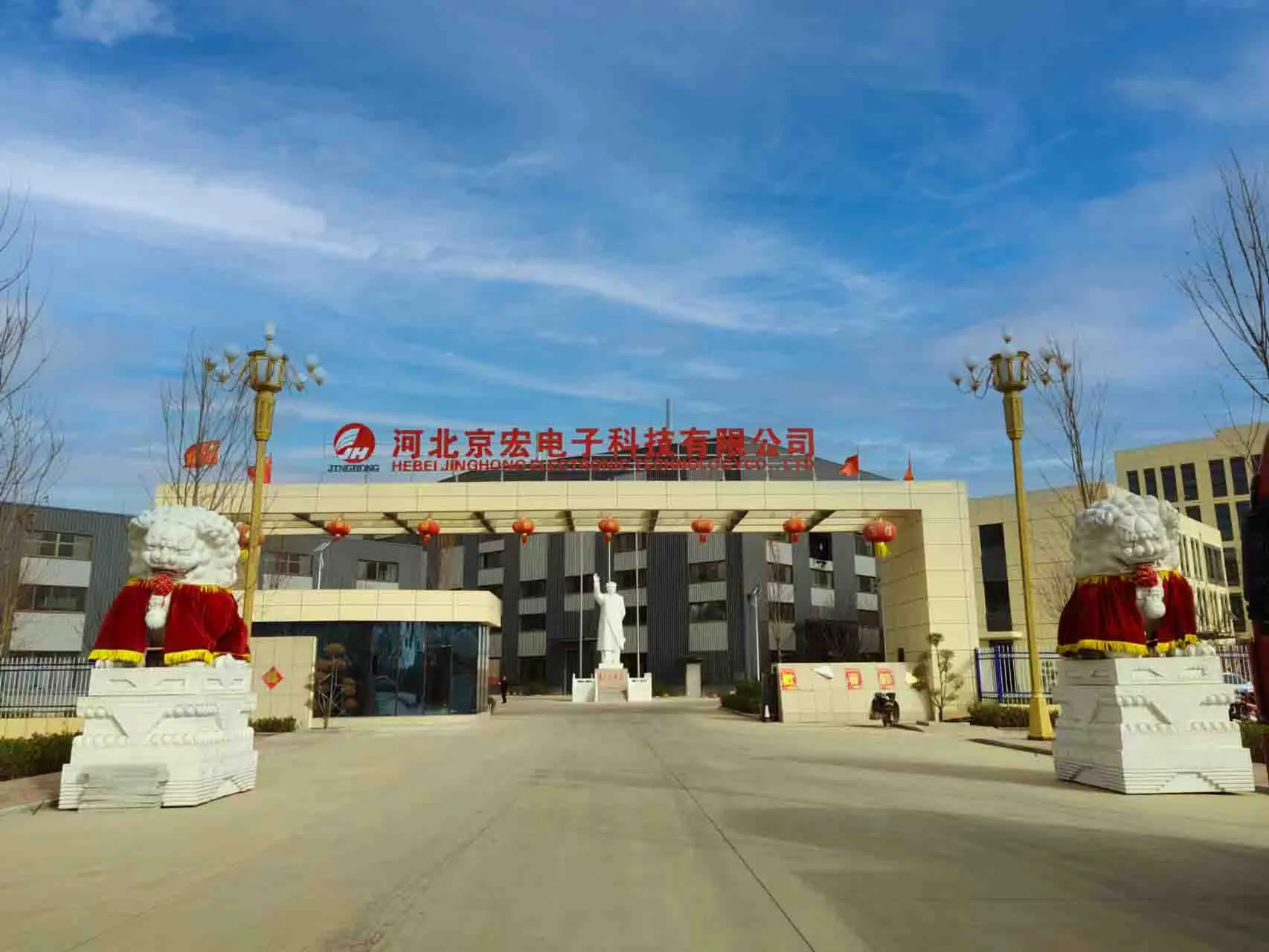
J&Q New Composite Materials Company