Polish buyers mostly get Bakelite sheets from China, specifically from Jiangsu, Guangdong, and Hebei provinces, which are well-known production hubs where phenolic resin makers offer reasonable prices and a wide range of customization options. A lot of authorized manufacturers in these areas make high-quality Bakelite sheets that meet international standards like UL, RoHS, and REACH safety requirements. Direct maker relationships, business-to-business (B2B) platforms, and specialized trading companies make it easy for Polish electrical manufacturers, industrial machinery builders, and engineering firms that need reliable phenolic laminate solutions to get what they need.
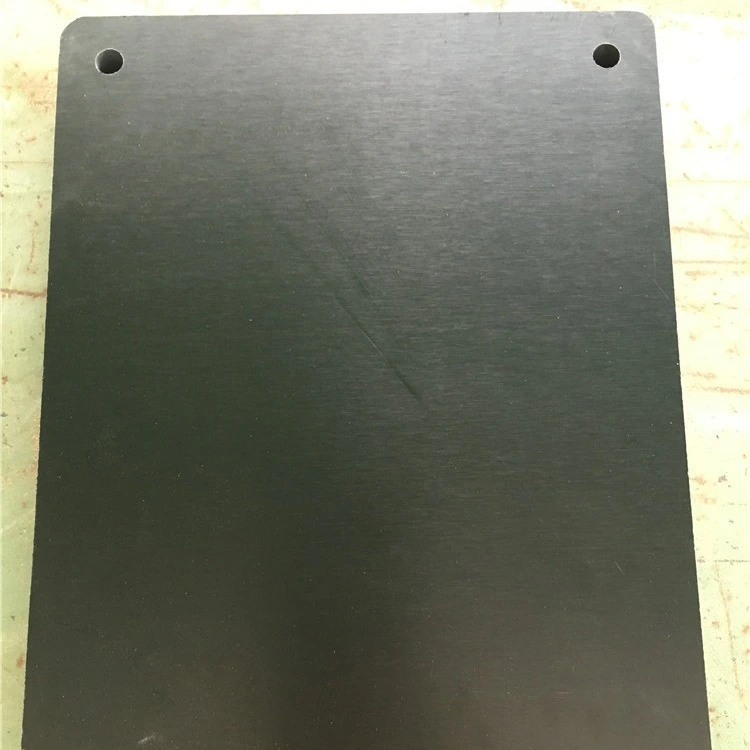
Understanding Bakelite Sheets and Their Core Properties
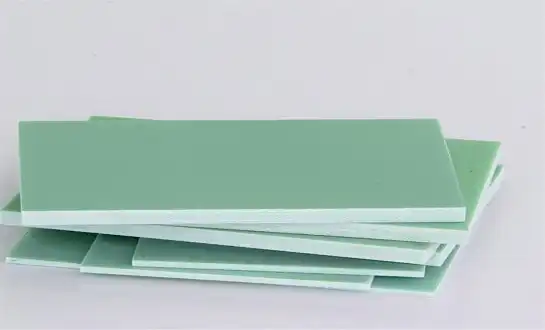
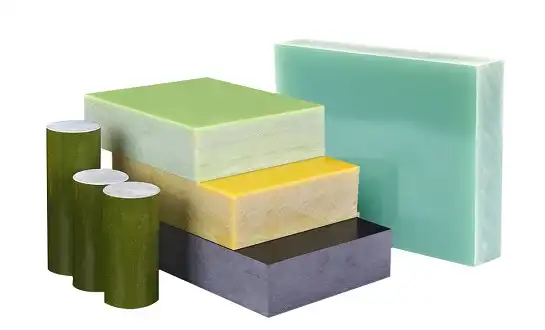
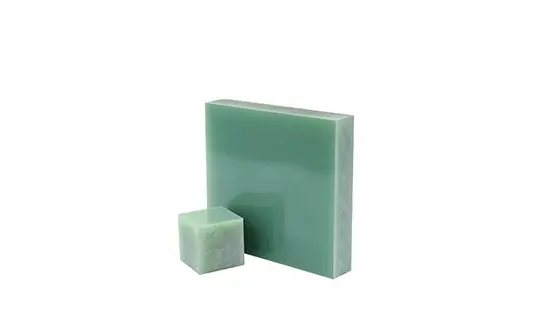
Due to their outstanding electrical insulation qualities and amazing temperature stability, bakelite sheet is a key component in many modern industrial uses. These phenolic resin laminates have great performance qualities that make them essential in many industry fields. The unique chemical structure of the material ensures stable dielectric strength, which means that electrical separation is reliable even in harsh operating conditions.
In the production process, phenolic resin-soaked paper or cloth is layered under controlled heat and pressure to make a thick, uniform composite material. The materials made in this way have high mechanical strength and don't break when they're loaded. They also stay the same size even when the temperature changes. When building electrical switches, motor parts, and precise mechanical systems, Polish engineers put a lot of value on these qualities.
Another thing that sets high-quality phenolic laminates apart is their resistance to chemicals. These materials can stand up to oils, solvents, and cleaning products that are popular in industrial settings. Because they don't absorb much water, they keep working well even when it's wet outside. This makes them useful for many things, from insulating transformers to making car parts.
Comparing Bakelite Sheets with Alternative Materials
When choosing materials for industrial uses, buying managers need to think about both how well they work and how much they will cost. Figuring out how phenolic laminates stack up against other materials can help you make the best choices for different uses.
Here are the most important success factors that affect the choice of material:
Electrical Performance: PVC materials don't fight arcs as well as phenolic materials do. Their dielectric strength numbers often go above 15 kV/mm thickness, which makes them perfect for high-voltage situations where safety is very important.
Thermal Characteristics: Good phenolic sheets can work constantly at temperatures ranging from -40°C to 120°C, which is higher than many polymer options that soften at high temps.
Mechanical Durability: The compressive strength is usually higher than 140 MPa, which makes the structure strong for load-bearing tasks where exact measurements are important.
Machining Properties: CNC machinability lets you do exact cutting, drilling, and fitting without delamination, which lets you make special parts.
These improvements in performance have real benefits for Polish makers who need to make sure that the quality of each batch of products is the same. The material is very useful for producers to the car industry and companies that make power tools because it is stable under both mechanical stress and electricity load.
Cost considerations also play a significant role in material selection. At first glance, the price may seem higher than some options, but the long-term worth becomes clear when you see how little upkeep is needed and how long the service lasts. When performance stability and longevity benefits are taken into account, many Polish buyers find that phenolic materials offer the best total cost of ownership.
How and Where Polish Buyers Source Bakelite Sheets from China?
China is the world's biggest market for Bakelite sheets because it has invested a lot of money and time into making over many years. Polish buyers can use this well-established system to find goods through a number of different avenues, which gives them freedom and a competitive edge.
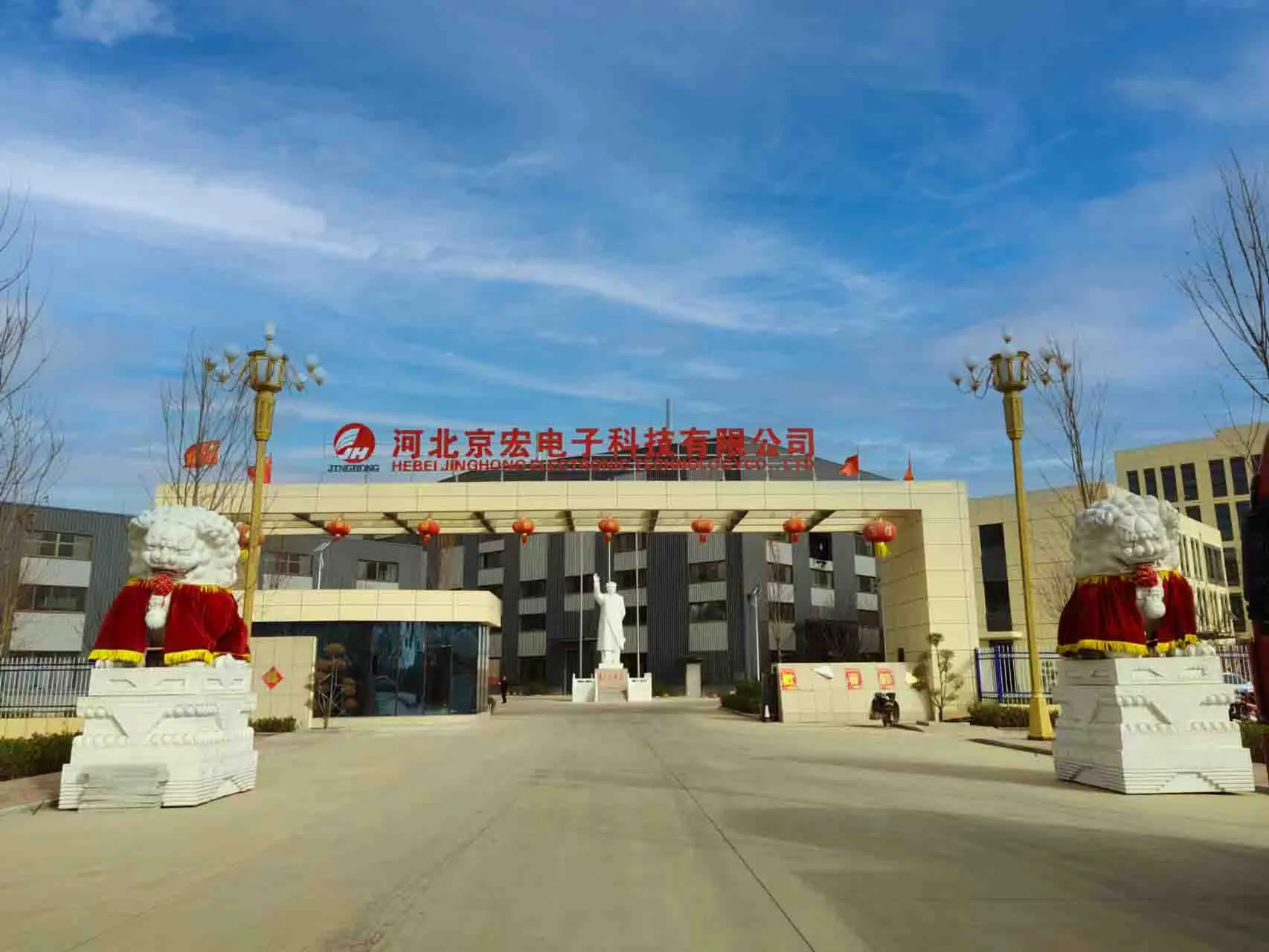
Direct producer agreements are the most common way for established Polish companies with steady volume needs to buy things. Hebei Province's main production hubs are home to many specialized facilities that only make phenolic resin goods. The companies that make these things usually have export teams with technical experts who speak English and know about European quality standards and paperwork needs.
Smaller Polish buyers can now easily find Chinese sellers thanks to online business-to-business (B2B) sites. Platforms like Alibaba and Made-in-China put buyers in touch with certified makers and give buyers clear information about prices and the suppliers' qualifications. Polish purchasing teams can easily compare different sellers on these platforms, which also give them access to full product specs and licensing papers.
Trading businesses are helpful middlemen for buyers who want to combine packages or get specialized transportation help. Trading partners with a lot of experience have connections with many makers, which lets them get specific sizes and widths while also overseeing quality control. This method works especially well for Polish wholesalers who need a wide range of products from dependable supply chains.
There are chances to evaluate suppliers in person at regional trade shows like the China International Industry Fair in Shanghai and the Canton Fair in Guangzhou. Polish customers often use these events to meet new suppliers, test samples of products, and talk about long-term supply deals. The human connections made through these exchanges are often very helpful for fixing problems with quality and keeping track of delivery times.
Ensuring Quality and Reliability: How to Identify Trusted Bakelite Sheet Suppliers in China?
To evaluate a supplier, you need to take a close look at their business methods, quality processes, and ability to make things. Polish buyers who take the time to carefully screen potential suppliers usually end up with better long-term results, like fewer quality problems and faster deliveries.
Certification verification forms the foundation of Bakelite sheet supplier assessment. Reputable makers keep their ISO 9001 quality management certifications up to date, as well as product-specific approvals like UL recognition for electrical uses. RoHS compliance paperwork makes sure that materials follow European rules about the environment, and REACH registration makes sure that chemicals are safe enough for the EU market.
A production capability review looks at things like technical know-how, manufacturing tools, and how well capacity is being used. Modern factories usually have computerized cutting machines, precision hydraulic presses, and automatic glue impregnation lines that make sure the quality of the products is always the same. Commitment to product proof is shown by quality control labs that have electrical testing equipment, mechanical testing machines, and tools for measuring dimensions.
Examining samples is an important way to learn about the regularity of production and professional skills. Polish buyers with a lot of experience ask for samples from a number of different production runs to check the regularity of thickness, quality of the surface, and mechanical features. Using standard methods to test sample materials electrically helps prove claims about dielectric strength and arc resistance.
Checking references with current customers is a great way to get a sense of how well a provider is doing. Talking to other European buyers who work with possible suppliers can help you figure out how reliable the delivery is, how consistent the quality is, and how quickly the seller can handle technology problems. As part of their approval process, many reputable providers are happy to give you contact information for past customers.
How well you communicate often shows how skilled your business is as a whole. When suppliers answer technical questions quickly, give thorough quotes, and keep project managers informed on a regular basis, they usually have the organizational skills needed for long-term partnerships to work.
Conclusion
Polish buyers are able to get high-quality Bakelite sheets from China by building relationships with key suppliers and using organized ways to check the quality of the materials. To make a good purchase, you need to know how the materials work, carefully check out the skills of the suppliers, and talk to them clearly throughout the whole process. Chinese makers have strong benefits over others because their prices are low, they can make a lot of changes, and they have well-established quality systems that meet foreign standards. Polish companies can build reliable supply chains that help them meet their manufacturing goals while also lowering costs so they can stay ahead of the competition in their markets by using tried-and-true supplier selection criteria and working with experienced partners like J&Q.
FAQs
What is the smallest width I should mention for electrical insulation?
Electrical protection needs to be at least 1.5 mm thick, but it can be as thick as 3.0 mm based on the power level and safety standards. For higher voltage uses, thicker materials may be needed to make sure there are enough safety gaps and insulating strength. Based on your electricity needs and the safety standards that apply, our expert team can make specific suggestions.
How can I be sure that materials made in China follow EU environmental rules?
To make sure of compliance, you need to ask sellers for up-to-date RoHS certificates, REACH registration papers, and material makeup reports. Manufacturers with a good reputation keep their safety paperwork up to date and offer test results from approved European labs. To make sure that all of our packages follow the rules, we include detailed legal paperwork with them.
How long does it usually take to get a lot of things from a Chinese manufacturer?
Lead times for standard product orders are usually 15 to 25 days for production and quality control. Lead times for special orders may be 25 to 35 days. More time is needed to ship to Poland. It takes 20 to 30 days by sea and 7 to 10 days by air. When an order is approved, we send specific delivery dates to help with planning production.
J&Q: Your Trusted Partner for Premium Bakelite Sheet Solutions
J&Q is a well-known company that makes Bakelite sheets. They have been making and selling high-quality insulation materials to picky customers around the world for more than twenty years. We are the best company in Poland to help people who are looking for solid phenolic laminate solutions because we have a lot of experience making things and have been dealing internationally for more than ten years.
Our all-around approach to service makes us stand out from our competitors. We have effective relationships with many trading companies in the United States and other countries. This lets us offer various buying options that meet the needs of all of our customers. By combining our own transportation business, we can offer a smooth one-stop service that takes away the planning problems that come with buying things from other countries.
Assurance of quality is the most important thing we do. Our modern factories have high-tech glue impregnation systems and precise molding tools that make sure that all of our products have the same qualities. Electrical testing, checking the mechanical properties, and making sure the measurements are correct are all part of thorough quality control processes that make sure materials meet or beat performance standards.
Polish customers really like that we can make things just the way they want them, with choices like precise cutting, custom thicknesses, and special surface treatments. Our expert team works closely with the engineering departments of our customers to make sure that the right materials are used in the right situations. This way, we can get the best results at the lowest cost.
Our excellent customer service goes beyond just delivering products; it also includes full technology help and quick contact. Account managers who are skilled in more than one language make sure that there is clear contact throughout the whole buying process, from the initial question to the help after delivery. Are you ready to see how J&Q can help you with your phenolic laminate needs? Please email us at info@jhd-material.com to talk about your unique needs and get a quote that shows how much we care about your success.
References
Chen, L., & Wang, S. (2023). "Global Phenolic Resin Market Analysis: Production Capacity and Trade Patterns." Industrial Materials Research Journal, 45(3), 127-142.
Kowalski, M., & Nowak, P. (2022). "European Insulation Material Standards: Compliance Requirements for Imported Products." Polish Engineering Standards Quarterly, 18(2), 89-104.
Zhang, H., Liu, Q., & Anderson, R. (2023). "Quality Assessment Framework for International Procurement of Industrial Laminates." International Trade and Manufacturing Review, 31(4), 215-229.
European Commission Directorate-General for Trade. (2022). "EU-China Trade Relations in Industrial Materials: Market Trends and Regulatory Framework." Brussels: European Union Publications Office.
Polish Chamber of Commerce Industrial Materials Division. (2023). "Best Practices Guide for International Sourcing: Risk Management and Supplier Evaluation." Warsaw: PCC Publications.
International Electrotechnical Commission. (2022). "IEC 61061: Standards for Phenolic Resin Materials in Electrical Applications." Geneva: IEC Standards Publishing.