African buyers always look to China's well-established manufacturing sector for reliable and affordable options when they want to find the best phenolic cotton sheet providers. Through decades of innovation, Chinese makers have mastered the production of phenolic cotton laminates. This means that African markets can get high-quality insulation materials that meet international standards. These composite sheets are made from cotton fabric that has been soaked in phenolic resin. They have great mechanical strength and electrical insulation properties that are needed for many industrial uses in Africa's growing infrastructure projects.
Understanding Phenolic Cotton Sheets: Properties and Applications
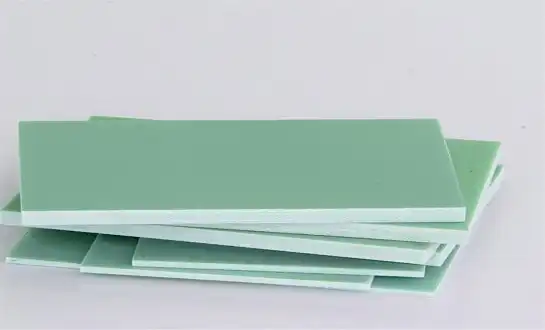
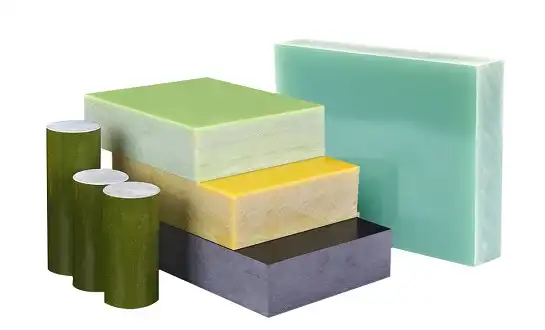
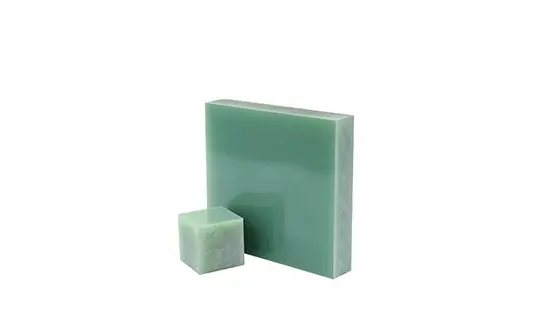
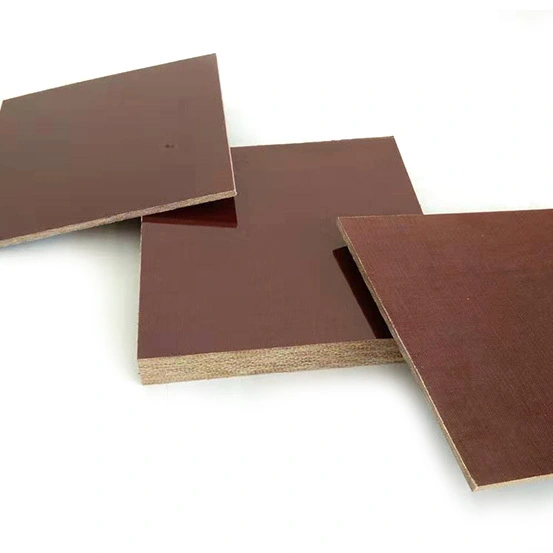
Phenolic cotton sheets are a complex composite material that are made by carefully mixing phenolic resin with cotton fabric and then compressing it under controlled heat and pressure. This process creates materials with amazing mechanical strength, which makes them perfect for uses that need to last and work reliably.
Because of their special features, these insulation laminates work really well in commercial settings in Africa. Some of its most important qualities are its high resistance to fire, its better electrical protection, and its ability to fight wetness in harsh climates. These materials don't lose their shape when they're heated, which makes them perfect for use in electrical equipment, motor parts, and industrial machines.
African producers gain a lot from using phenolic cotton in a variety of industries. These sheets are used by companies that make electrical parts to insulate switches and build support systems for PCBs. They are used as mechanical spacers and wear-resistant parts in industrial tools. These materials are used by the auto industry for battery pack barriers and heat-resistant fittings. They are also used by device makers for motor clamps and thermal separation parts.
Phenolic Cotton Sheet vs. Other Laminates: Making the Right Choice
Knowing the differences between materials helps African buyers make smart choices when they have to choose between phenolic cotton sheets and other laminate options. Each type of material has its own benefits that depend on the needs of the product and the conditions of use.
There are big changes in how well phenolic cotton and paper-based laminates work when you compare them. Tensile strength and shock resistance are better in cotton-based materials, which is important for industrial uses that need strong performance. Even though paper laminates are cheap, they don't have the right material qualities for the harsh industrial conditions that are common in African factories.
Comparing phenolic cotton sheets to fiberglass or epoxy options shows that they have similar performance qualities. These materials are very good at keeping electricity from flowing through them, and they can still be machined for special uses. Fiberglass laminates are very good at resisting chemicals, but they can be hard to machine precisely. Epoxy sheets are very good at keeping heat in, but they usually cost more to buy.
A study of costs shows that African buyers who buy from China have strong benefits. Chinese companies use economies of scale and well-established supply lines to keep prices low without lowering quality standards. Buying in bulk can cut unit costs by 15–25% compared to ordering in smaller amounts, which makes big projects more cost-effective.
How to Source Quality Phenolic Cotton Sheets from China?
To find good Chinese makers, you need to carefully check their quality approvals, output skills, and customer service standards. Leading production areas in China focus on making phenolic laminates, bringing together the skills and facilities needed to help foreign buyers.
African purchasing teams should give more weight to providers that can show they follow ISO certification and have well-established quality management systems. These approvals make sure that the qualities of materials and the way they are made are always the same and meet international standards. It is easier to make sure that specific application standards are met when you ask for full technical data sheets and material certificates.
Excellent communication is still necessary for foreign agreements to work. Reputable Chinese sellers have customer service teams that speak English and understand the needs of the African market. Having clear lines of communication makes it easier to have expert conversations, make changes to orders, and coordinate operations during the whole buying process.
Evaluation of samples is an important part of qualifying a seller. Good makers are happy to give buyers samples of their products to try and evaluate. This way, buyers can be sure of the qualities of the materials before placing big orders. This method lowers the risks and makes sure that phenolic cotton sheet can be used in certain situations.
Key Quality Standards and Certifications
Quality control depends on following the well-known international rules that guide how phenolic laminates are made and how well they work. Knowing about these standards helps African buyers choose the right products and accurately judge the skills of suppliers.
UL approval makes sure that the flame protection meets the safety standards for electricity uses. This license is very important for African buyers who work with companies that make electrical tools and distribute electricity. ROHS compliance makes sure that materials meet safety standards for the environment, which is important for foreign markets and uses that care about the environment.
Performance factors like bending strength, impact resistance, and physical stability are set by mechanical property standards. These requirements make sure that materials work efficiently under the practical pressures that are typical in industrial settings. Dielectric strength numbers show how well electrical protection works, which is important for using electrical components.
Temperature resistance scores show how well a material works when it is under a lot of temperature stress. Because the conditions in Africa are often very hot and dry, temperature steadiness is an important selection factor. Good Chinese makers give a lot of testing data that shows how the materials work in a wide range of temperatures that are useful for African uses.
Cost Considerations and Value Analysis
A good cost study looks at more than just the original price of the materials. It also looks at the total costs of ownership, such as shipping, taxes, and long-term performance. When looked at in a more complete way, Chinese sellers offer reasonable price systems that give African buyers a lot of value.
For African buyers, transportation costs make up a big part of the total shipped price. Chinese makers often offer flexible shipping terms, such as FOB and CIF, which make it easier to coordinate operations. Container optimization methods can lower the cost of moving each unit for big sales, which is good for the project's total economy.
Quality issues have a direct effect on long-term value by lowering the need for upkeep and increasing the service life. Premium phenolic cotton sheets last longer than lower-grade options, which means they don't need to be replaced as often and don't cost as much during downtime. This speed benefit often makes small price increases for high-quality materials worth it.
Conclusion
African buyers can get high-quality materials from Chinese companies that make phenolic cotton sheets that are also good value for money. Finding these things will only work if you carefully evaluate suppliers, make sure your needs are clearly stated, and set up ways to communicate. Good Chinese providers offer a wide range of services, such as expert advice, the ability to make changes, and reliable shipping planning. African buyers can get materials that meet international quality standards and are priced competitively in China. These materials are useful for a wide range of industry uses across the continent.
FAQs
What kinds of thicknesses do Chinese providers of phenolic cotton sheets offer?
Chinese producers usually make phenolic cotton sheets in thicknesses between 0.5 mm and 100 mm. The most common thicknesses are 1 mm, 2 mm, 5 mm, 10 mm, and 20 mm. Custom thickness requirements can be met for orders that meet minimum number requirements, which are usually 500 sheets per standard.
In hot Africa, how do phenolic cotton sheets hold up?
These materials are very good at keeping out wetness and staying stable at high temperatures, making them perfect for humid environments. They keep their shape at up to 90% humidity and work well in temperatures from -40°C to +150°C, which makes them perfect for a wide range of climates in Africa.
How long does it usually take for trucks to bring big loads from China to ports in Africa?
Standard production wait times for stock items are between 10 and 15 days, while special orders can take anywhere from 20 to 30 days, based on how complicated they are. Getting goods by sea to big African ports usually takes an extra 25 to 35 days. The total time it takes to send the goods depends on where they are going and how long it takes to clear customs.
Partner with J&Q for Premium Phenolic Cotton Sheet Solutions
You can trust J&Q as your phenolic cotton sheet seller because they have been in business for more than ten years and have been making products for over twenty years. Because we have a deep knowledge of what the African market needs, we can provide unique solutions that go above and beyond while still keeping our prices low.
Our combined method includes making the materials, making sure they are of good quality, and coordinating transportation through our own specialized shipping business. This way, African buyers can get everything they need in one place. This kind of vertical integration gets rid of problems with teamwork and makes sure that everyone stays in touch throughout the whole buying process.
Quality control is still very important to us, and we use strict testing procedures to make sure that every package meets the requirements. Our expert team offers full support, including help with choosing the right materials, application advice, and suggestions for improving performance that are specifically made for your needs.
Feel the difference at J&Q, where we strive for greatness in both making phenolic cotton sheets and providing excellent customer service. Our long-term ties with trading companies in both the United States and other countries show how reliable we are and how well we know the market. Email us at info@jhd-material.com to talk about your phenolic cotton sheet needs and find out how our products can help your project succeed.
References
Industrial Plastics and Composites Handbook, Fourth Edition - Material Properties and Applications of Phenolic Laminates
African Industrial Development Report 2023 - Infrastructure Materials and Manufacturing Growth Trends
International Standards for Electrical Insulation Materials - IEC 60893 Specification Guidelines
China Manufacturing Industry Analysis - Export Performance and Quality Standards in Composite Materials
Thermal and Mechanical Properties of Phenolic Cotton Laminates - Materials Science Research Journal
Global Trade Patterns in Industrial Insulation Materials - Market Analysis and Regional Demand Studies