When to Choose Phenolic Cotton Over Standard Epoxy for Wear Pads?
Whether you should use phenolic cotton sheets or regular resin for wear pads depends on the needs of your application. Phenolic cotton cloth laminates work great in high-load mechanical settings that need better resistance to impacts and natural vibration dampening. Epoxy works well for mild electrical insulation situations, but phenolic cotton works as a fail-safe in heavy machinery, shredding under extreme stress instead of hurting expensive parts in a catastrophic way. Its layered cotton fabric structure makes it very tough, resistant to chemicals, and stable in size even when temperatures change. This makes it the best choice for gears, bearings, and wear strips in tough industrial settings.
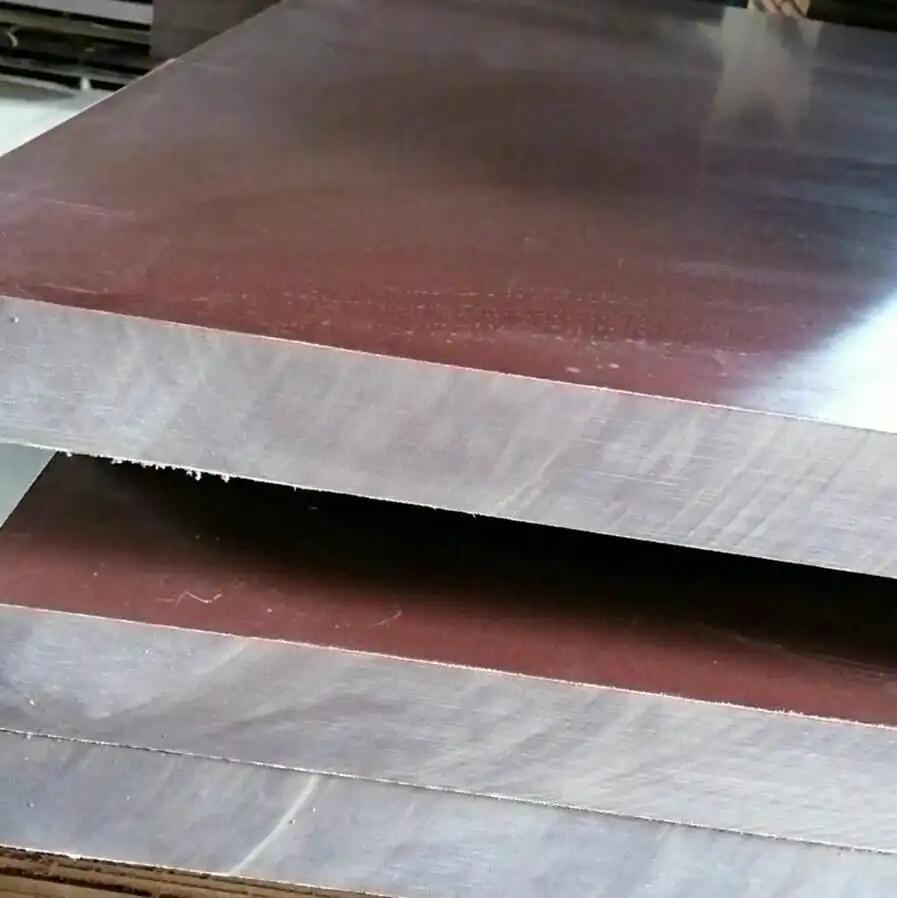
Understanding Phenolic Cotton and Standard Epoxy in Wear Pads
What Defines Phenolic Cotton Laminates
Phenolic cotton sheets are made up of layers of woven cotton fabric that are soaked with phenolic resin, which is also known as Bakelite. High pressure and temperatures above 150°C are used to fix these composites, making a hard building material. The phenolic resin structure helps keep the material stable at high temperatures and protects it from chemicals. The cotton reinforcement gives the material flexibility and resistance to pressure. When you mix these two things together, you get lightweight parts that are easy to machine, don't absorb much water, and keep their shape well.
Standard Epoxy Composition and Characteristics
Thermoset epoxy resins are used in standard epoxy wear pads, which are often strengthened with glass fiber cloth or paper. The insulating qualities of these materials are very good, and the surfaces are smooth. When epoxy laminates dry at room temperature, they work reliably in controlled settings with little mechanical stress. They're good for keeping electricity safe in switches, PCB support structures, and interface boards where the mechanical loads are stable.
Comparative Physical and Chemical Properties
The main change in structure is the material used for support. When cotton cloth is mixed with phenolic cotton sheets, it makes a bendable, interwoven matrix that doesn't crack when hit. Even though glass-reinforced epoxy is strong when it is under tension, it breaks easily when it is suddenly put under mechanical stress. Epoxy may break down when it comes in contact with alkaline solutions or aromatic hydrocarbons, but phenolic cotton is much more resistant to oils, greases, and many industrial chemicals. Different types of epoxy have different temperature stability. For example, phenolic cotton stays mechanically strong at temperatures where regular epoxy starts to break.
Key Performance Factors in Choosing Wear Pad Materials
Thermal and Chemical Resistance Capabilities
Phenolic cotton sheets can work at temperatures up to 120°C for long periods of time without losing many of their properties. The phenolic resin structure can stand up to most acids, weak alkalis, and oil-based lubricants that are common in machinery settings. Standard epoxy works well in clean, temperature-controlled areas, but it may age faster if it comes into contact with cutting oils or hydraulic fluids. Because it is so resistant to chemicals, phenolic cotton is the best material for parts that move electricity, housings for pumps, and chemical handling equipment that is often exposed to chemicals by accident.
Mechanical Durability Under Load
The ability to hold weight is what sets these materials apart in tough situations. The cotton fabric support in phenolic laminates spreads stress across several fabric layers, which stops cracks from spreading. Because of this structure, phenolic parts can handle higher compression loads and keep their shape even after many friction cycles. Epoxy laminates work great in situations where exact measurements and smooth surfaces are needed, but they can chip or break when hit hard. When mechanical stress builds up at contact places, like in gears, thrust washers, and guide rails, machine builders use phenolic cotton sheets.
Electrical Insulation Performance
Both materials are good at keeping electricity out in most industrial settings, but they are not as strong as each other. Standard epoxy laminates are great for high-frequency electrical parts because they have a better dielectric strength and a smaller loss factor. When it comes to motor parts, transformer barriers, and switches, phenolic cotton provides enough insulation while also giving mechanical support. Which one you choose relies on whether your application needs the best electrical performance or a good mix of insulation and mechanical durability.
When to Choose Phenolic Cotton Over Standard Epoxy: Practical Decision Criteria
High Load-Bearing and Impact Scenarios
If your wear pads need to be able to handle constant compressive forces greater than 15 MPa or absorb repeated impact loading, choose phenolic cotton sheets. Manufacturers of textile machines, conveyor systems, and heavy equipment depend on the ability of phenolic cotton to bend slightly under stress without breaking. This robustness keeps key drive systems from failing in terrible ways. The natural dampening qualities of the material also lower the transmission of noise and pressure from operations. This is a big plus in confined production spaces where worker comfort is important.
Moisture and Chemical Exposure Environments
Phenolic cotton sheets don't absorb much water (usually less than 1.5% by weight), so they stay stable in shape in muggy places or when they get wet sometimes. Paper-based phenolic laminates can swell or come apart, but cotton-reinforced types keep their mechanical qualities. This resistance to moisture is useful in places like chemical processing plants, car assembly lines that use water-based coolants, and outdoor power tools. Because the material is resistant to oils and greases, you don't have to change the wear pads too soon because they are breaking down chemically.
Cost-Benefit Analysis for Long-Term Value
Phenolic cotton sheets cost about 20 to 30 percent more to make at first than regular epoxy sheets. But when you figure out the total cost, you have to take into account things like longer service life, less frequent upkeep, and fewer failures. In a mixing drive, a phenolic cotton gear might last three years, while an epoxy gear might only last 18 months. When comparing choices, procurement teams should look at how often parts need to be replaced, how much it costs to idle production, and how much it costs to hire workers. When used on heavy machines, the money spent on phenolic cotton usually pays for itself in the first repair cycle.
Procurement Considerations for B2B Buyers
When adding wear pads to current machinery designs, the ability to customize them is important. Standard carbide tools can be used to easily machine phenolic cotton laminates, which lets you get accurate hole patterns, curves, and surface finishes. Reliable providers keep typical thicknesses (3mm to 50mm) in stock and can send custom-cut parts with reasonable wait times. Make sure that your provider offers material approvals, promises for dimensional tolerance, and the ability to track each batch. Controlling the width and spreading the glue evenly have a direct effect on how well the wear pad works and how easy it is to install.
Comparing Phenolic Cotton with Other Laminates for Wear Pads
It's not just phenolic cotton sheets vs. epoxy when it comes to material choice. When buyers know how cotton-based laminates stack up against other composites, they can make better choices based on their budget and business needs.
Paper phenolic laminates are cheaper than cotton types, but they are less resistant to pressure and don't keep their shape well when they get wet. They can be used for things like electrical panels and insulator shields with low stress. Fiberglass-reinforced polyester is very resistant to chemicals and works well in acidic environments, but it is not as easy to work with and doesn't absorb mechanical shock as well as phenolic cotton. Because they don't conduct electricity and have nice finishes on the outside, melamine laminates are better for electrical housings than mechanical wear uses.
For car battery pack shields, phenolic cotton provides important flame resistance along with impact safety during collisions. The material is good for power distribution tools because it doesn't conduct electricity and is strong enough to hold heavy copper bus bars. Manufacturers of home appliances like using phenolic cotton stock to make motor brackets and insulation frames because it is cheap and easy to make a lot of them at once.
Consistent material properties, quick expert help, and a reliable supply chain are what set quality suppliers apart from others. Look for companies that have quality management systems that are written and have ISO 9001 certification. A long-term relationship with an experienced seller lowers the risks of buying things and makes sure that the materials are the same from one production batch to the next.
How to Procure Phenolic Cotton Sheets for Wear Pads
Supplier Selection and Qualification
Check out possible suppliers' manufacturing knowledge, technical skills, and name in the business. When it comes to quality, companies that only make phenolic cotton sheets tend to do a better job than general plastics wholesalers. Ask for material data sheets that list the electrical performance, thermal properties, and dynamic qualities. Check that the material meets the requirements of relevant standards, like ASTM D709 for phenolic laminates or IEC standards for materials used for electrical protection. For each production batch, suppliers should give test results that match the specs.
Specifications and Customization Options
Make sure your standards for dimensions, tolerances, and surface finish are understood. The standard sheet size is 1000x2000mm, but the length can be made to order, and the width can be between 0.5mm and 100mm. Tell them if they need sheets, bars, or finished parts. A lot of companies offer CNC machining services that can make finished wear pads based on the plans you give them. This method cuts down on the steps you have to take internally to make something and makes sure that you use your materials in the best way possible. Talk about the minimum order amounts, especially for custom widths or grades that aren't commonly used.
Lead Times and Logistics Management
Standard thickness phenolic cotton sheets usually ship one to two weeks after stock is stocked. For custom sizes or big orders, production may take 3–4 weeks. Plan when to buy things based on when you need to make things, and keep extra stock on hand for important uses. Ship items using the right way for the order's size and urgency: ocean freight for big orders and air freight for replacements that need to be sent quickly. Export paperwork, clearing customs, and coordinating deliveries are all taken care of by experienced sellers, which makes foreign purchasing easier.
Post-Sale Support and Quality Assurance
Check the guarantee terms to make sure they cover things like material flaws, accurate measurements, and performance requirements. Reliable sellers stand behind their goods and offer replacement warranties for materials that don't meet standards. Set up ways for people to talk about technical issues that come up during installation or cutting. Some providers offer application engineering support to help make sure that the design of the wear pads fits the needs of the machinery in question. For your quality records and for regulatory checks, you should keep copies of all certifications, test results, and compliance statements.
Conclusion
When it comes to wear pads, using phenolic cotton sheets instead of regular epoxy gives you real benefits in harsh chemical environments, high-load mechanical environments, and tasks that are subject to moisture. The stacked cotton structure of the material makes it more durable, better at resisting impacts, and less likely to vibrate. This makes up for its higher starting cost. Instead of just looking at unit material prices, procurement managers should look at the total costs over the whole lifespan. Working with suppliers who have been in business for a while and know the unique needs of your industry will help you get steady quality, on-time delivery, and expert support throughout your production cycles. The choice comes down to matching the qualities of the material to the needs of the operation while also getting the best cost-effectiveness over the life of the part.
FAQ
Is phenolic cotton truly waterproof for outdoor applications?
Phenolic cotton sheets are very resistant to water; they absorb less than 1.5% of their own weight in water, so they can be used outside sometimes. The cotton cloth is completely saturated with phenolic resin, which normally stops water from getting through. But immersing or touching the material with water all the time for a long time may finally damage it. Standard epoxy laminates tend to absorb less water, but they may be more likely to come apart at the edges.
How does thermal resistance compare between these materials?
Phenolic cotton sheets keep their mechanical properties at temperatures up to 120°C when it is used continuously, and short trips up to 150°C are okay. Standard epoxy laminates usually have similar amounts of heat protection, but their properties may break down more quickly when heated and cooled. When temperatures change over time, the phenolic resin method in cotton laminates keeps the temperature better over time.
Can I order custom-sized phenolic cotton sheets for specific machinery?
Most industrial providers can cut phenolic cotton sheets to your exact specifications and send you pieces that have been machined to those measurements. CNC machines can make complicated forms, designs of holes, and curved profiles. Different suppliers have different minimum order numbers, but for special sizes, they usually start at around 10 to 20 square meters. Standard sheet sizes are still the most cost-effective choice when the design allows it.
Contact J&Q for Premium Phenolic Cotton Sheet Solutions
J&Q has been making electrical insulation materials for more than 20 years and specializes in high-performance phenolic cotton sheets for sale for tough industrial uses. Our engineering team delivers custom-sized laminates that meet exact specs by working directly with companies that build machinery, make electronics, and make parts for cars. We keep a large collection of standard thicknesses, which lets us quickly meet the needs of both prototypes and production amounts.
Our combined logistics services make buying things from other countries easier by taking care of everything from shipping from the plant to your dock. Quality methods that are ISO-certified make sure that the features of materials stay the same and that they meet all UL and ROHS standards. If you need wear-resistant gears, electrical insulation barriers, or custom-machined parts, J&Q is the place to go for phenolic cotton sheet products. They have great prices and solid expert support. Email our team at info@jhd-material.com to talk about your particular needs and ask for test samples of the material.
References
Murphy, J. (2018). Thermoset Composites: Properties and Industrial Applications. Industrial Materials Publishing.
Chen, H., & Rodriguez, M. (2020). "Comparative Performance Analysis of Phenolic and Epoxy Laminates in Mechanical Applications." Journal of Composite Materials Engineering, 45(3), 178-192.
American Society for Testing and Materials. (2021). ASTM D709-19: Standard Specification for Laminated Thermosetting Materials. ASTM International.
Williams, R. (2019). Industrial Insulation Materials: Selection and Procurement Guide. Technical Press.
Zhang, L., Kumar, S., & Patel, N. (2022). "Wear Resistance of Cotton-Phenolic Laminates in High-Load Applications." Tribology and Materials Science, 38(2), 95-108.
International Electrotechnical Commission. (2020). IEC 60893: Insulating Materials - Industrial Rigid Laminated Sheets. IEC Standards.

Get a complete product list and quotation

J&Q New Composite Materials Company



