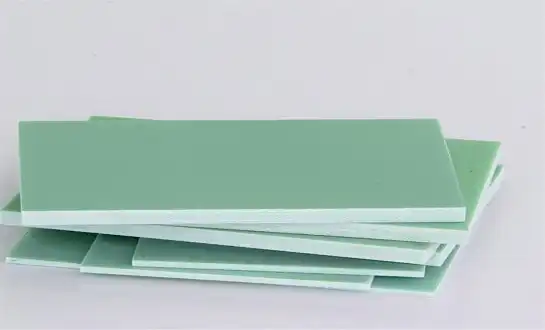
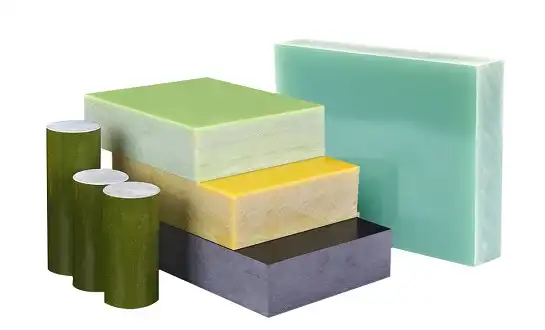
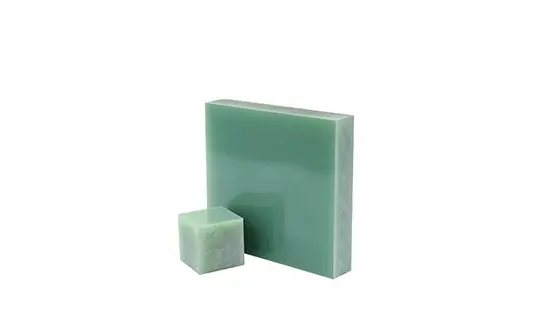
FR4 vs. G10: Which Epoxy Sheet Performs Better Under CNC Routing?
When it comes to CNC cutting, the choice between FR4 epoxy sheet and G10 can have a big effect on how well your work turns out. When flame protection and moisture stability are important, FR4 epoxy sheet usually works better than G10 in CNC routing uses. It meets the standards for UL 94 V-0 self-extinguishing qualities and keeps its shape well during thermal cycles. G10 is stronger mechanically at lower temperatures, but it doesn't have any flame-retardant properties. Your choice should depend on the needs of the application. For example, FR4 epoxy sheet works best in electrical insulation settings that need to meet fire safety standards, while G10 is best for mechanical applications that need the highest level of stiffness.
Understanding FR4 and G10 Epoxy Sheets
Composition and Manufacturing Standards
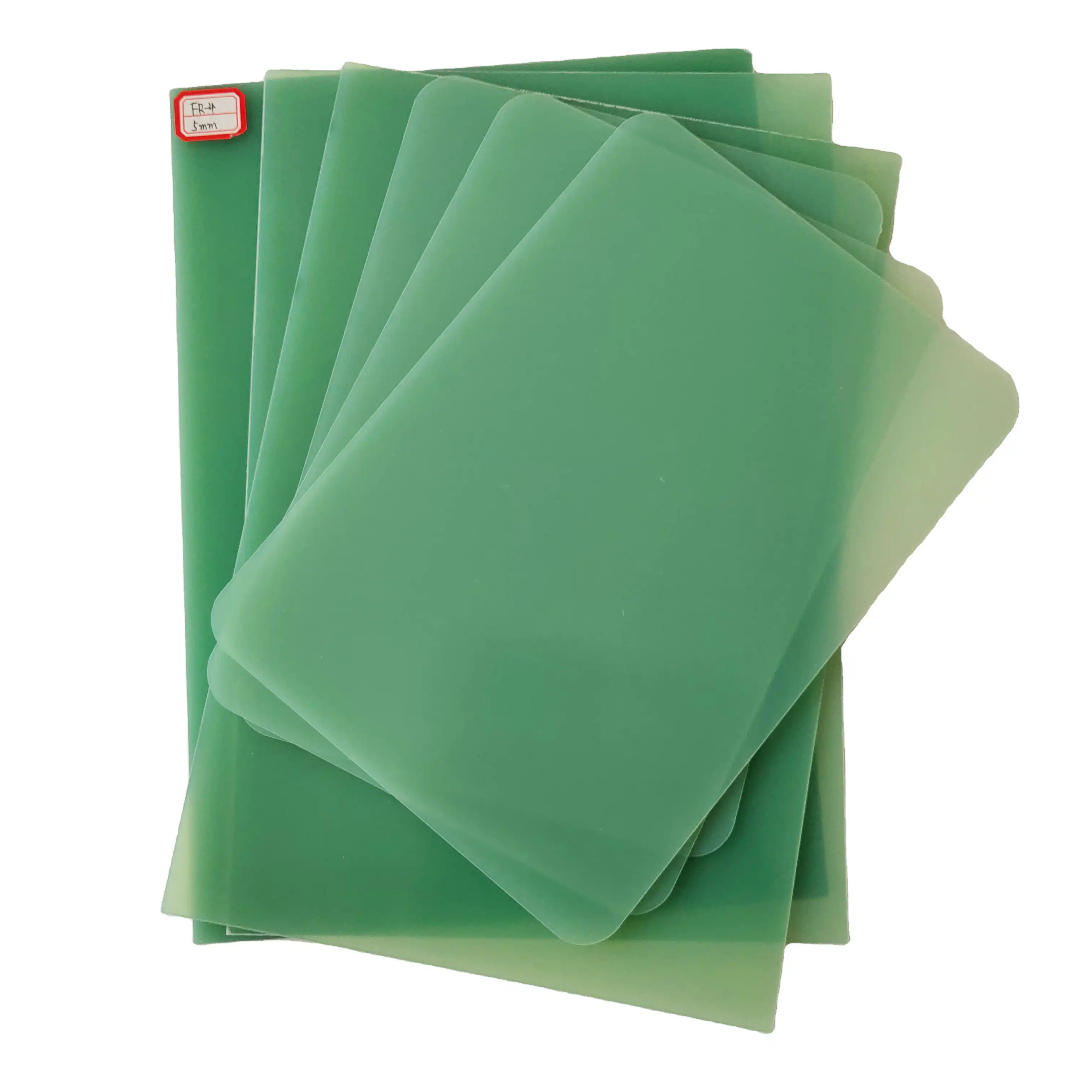
FR4 epoxy sheet is a hybrid material made of woven fiberglass cloth that has been mixed with flame-resistant epoxy glue to meet NEMA LI-1 standards. The symbol "FR" clearly shows that the material is flame-resistant, which is achieved by adding brominated chemicals or phosphorus-based additives to the resin system. This substance goes through high-pressure and high-temperature hardening processes that make a thermosetting structure that can't melt back down after it's formed. Printed circuit boards are mostly made with copper-clad laminates built on FR4 epoxy sheet surfaces because they have good electrical and mechanical properties.
Physical and Electrical Properties Comparison
Both materials have dielectric strengths greater than 20 kV/mm, which means they can be used for high-voltage shielding. Even when it's wet, FR4 epoxy sheet keeps its electrical insulation resistance above 500 M©, which is a huge benefit for power distribution equipment and generator parts. The material doesn't absorb more than 0.15% of water after being submerged in water for 24 hours, so its shape stays stable even when the surroundings changes.
The bending strength of G10 is slightly higher than that of FR4 epoxy sheet, usually between 380 and 450 MPa compared to 340 to 420 MPa. In situations where there is long-term mechanical stress or acoustic stress, this difference becomes important. Temperature performance varies a lot. FR4 epoxy sheet can constantly keep its structural integrity up to 130°C (with special grades reaching 180°C), while G10 works consistently in similar temperature ranges but doesn't self-extinguish like FR4 epoxy sheet.
Industry Application Landscapes
Electrical and electronics companies use FR4 epoxy sheet a lot for PCB bases, to insulate switchgear, and to separate motor components. The material meets UL and ROHS standards, which makes it easier to get gadgets approved for sale in North America and Europe. More and more, automakers are asking for FR4 epoxy sheet to be used for battery pack barriers and heat-resistant fittings where fire safety rules require materials that can put out fires on their own.
Builders of industrial machines often choose G10 for structural spacers, gears that don't break down easily, and mechanical parts that don't need to be flame proof. The material is good for making mechanical parts in large quantities because it is easy to machine and doesn't cost as much. FR4 epoxy sheet is mostly used in the power sector because it has to be resistant to arcs and be reliable over a long period of time in transformer insulation and coil separation systems.
Core Differences Between FR4 and G10: Performance Under CNC Routing
Machinability and Tool Interaction
CNC cutting shows that these materials behave in different ways. Because it is made of resin, FR4 epoxy sheet chips less easily, which makes for better edge profiles when the right cutting settings are used. When diamonds are coated on carbide tools, they work perfectly, preventing fiber loss and glue smearing. Spindle speeds should be between 18,000 and 24,000 RPM, and feed rates should be changed based on the width of the sheet and the depth of the router bit.
When you machine G10, the higher glass content and resin density make the conditions more rough, which speeds up tool wear compared to FR4 epoxy sheet. But this same trait makes it easier to keep the dimensions within the tolerances over long production runs. When the right dust extraction systems get rid of the debris, the material doesn't microchip along cut edges. Using coolant is very important when cutting G10 because it keeps the glue from getting soft and the material from deforming.
Thermal Behavior During Machining Operations
When heat is made during CNC cutting, it has different effects on each object. The flame-retardant chemicals in FR4 epoxy sheet can make certain areas sensitive to temperature, so it's important to be careful with heat to keep the resin from breaking down. Keeping the temperature in the cutting zone below 180°C protects the material's qualities and stops darkening that could mean the structure is weak. Using intermittent cutting techniques and making sure chips can escape properly help handle heat loads well.
G10's heat behavior during machining is more reliable, and its expansion coefficients stay the same across a wider range of temperatures. This steadiness leads to more accurate measurements in situations where margins below ±0.05mm are needed. The material's thermal conductivity isn't very high, but it helps heat spread out more evenly than some types of FR4 epoxy sheet, which lowers the risk of bending in thin-section parts.
Surface Finish and Dimensional Stability Post-Routing
When routed with the right parameters, FR4 epoxy sheet usually has better surface finishes, with Ra values below 1.6 μm on edge surfaces, as shown by inspection after cutting. This quality is useful for parts that need to be bonded or coated later. The material stays the same size within 0.1% of its original shape in normal settings, which is what is needed for precise electrical circuits.
G10 has slightly rougher edges than other materials, but it makes up for it by keeping its shape very well when it's under mechanical stress. Parts made from G10 don't move much when they are loaded for a long time, which makes this material better for use as structural insulation in big industrial equipment. After route, both materials need to be cleaned to get rid of glass fiber dust that can hurt the performance of electrical shielding if it stays on component surfaces.
How to Choose the Right Epoxy Sheet for Your CNC Routing Needs
Defining Technical Requirements and Performance Priorities
Your process for choosing materials should start with writing down exactly what the application needs. Electrical insulation uses that need UL approval naturally point toward FR4 epoxy sheet because it has to meet legal requirements. Parts that could catch fire, like motor housings, control panels, and car battery systems, need FR4 epoxy sheet's ability to put itself out in order to meet safety standards in both North America and other countries.
G10 might be cheaper for mechanical uses that don't need to be resistant to flames or electrical protection. Machinery spacers, jig fittings, and wear plates can use G10 because it has a higher compression strength and doesn't cost as much because it is flame-retardant. Temperature exposure patterns are very important. Continuous operation above 140°C calls for specific grades of FR4 epoxy sheet, but either material can work in temps that are normal or slightly higher.
Evaluating Supplier Capabilities and Material Certification
Procurement teams should check that suppliers follow well-known rules, like NEMA LI-1 for FR4 epoxy sheet and MIL-I-24768 for G10. They can do this by looking at the supplier's paperwork and checking samples. Material approvals from reputable makers include UL marks, ROHS statements, and batch-specific test results that include scores for dielectric strength, flexural properties, and flame resistance.
In addition to the quality of the materials, suppliers are also judged on their machining services, ability to make custom sizes, and dependability in shipping. Companies that offer combined services, like supplying materials, cutting them precisely, and coordinating deliveries, make buying easier and lower the risk of missing deadlines. Lead times vary from supplier to seller. Domestic sources usually deliver within two to three weeks, while foreign shipments may take four to six weeks, based on the number of orders and the time it takes to clear customs.
Balancing Cost Efficiency with Performance Requirements
The price of a material changes depending on its width, sheet size, and order quantity. Due to the cost of flame-retardant additives and the need for more approval, FR4 epoxy sheet usually costs 15 to 25 percent more than G10. When you buy in bulk, you can save a lot of money. For example, when you buy more than 100 sheets, you can often get tiered price systems that make the economics of each unit much better.
When you do a total cost study, you should include the cost of labor, tool wear, and any possible repair costs. Because FR4 epoxy sheet is easier on tools, it may be worth the higher cost of the material because cutting tools last longer and the process takes less time. When excessive tool replacement and longer cycle times are taken into account in complete cost models, G10's lower purchase cost becomes less appealing. Working with providers who have been in the business for a while can help you find the best balance point for your work setting.
Advantages and Limitations of FR4 and G10 Epoxy Sheets
FR4 Strengths in CNC Routing Applications
The fact that the material is widely used in the business makes it easier to find and lowers the risks in the supply chain. Multiple qualified sources keep stock of materials of different sizes, so FR4 epoxy sheet is always available, even when there are supply problems. Following international safety standards gets rid of the need for certification problems when selling finished goods into controlled markets. This is especially helpful for electronics and car uses that need a lot of paperwork.
FR4 epoxy sheet provides uniform quality from batch to batch from well-known makers, which lowers the range of variations in CNC routing processes. The material's balanced property profile—enough mechanical strength and great electrical insulation—allows it to be used in a wide range of situations. The large amount of performance data for FR4 epoxy sheet is appreciated by engineering teams because it makes design calculations and risk assessments more accurate during the product development stages.
G10 Advantages for Specialized Machining Scenarios
Because it is so tough, G10 epoxy sheet is a good choice for uses that involve impact loading or long-term stress buildup. Because the material has a higher shear strength, it can hold more weight when used as structural insulation. This means that less material is needed, which means less weight is lost. Cost saves are significant when flame resistance isn't required for large-scale production. This lets makers lower material costs without affecting mechanical performance.
G10's uniform machining behavior across temperature ranges makes process control easier in places that don't have a lot of complex external controls. The material doesn't change size when the temperature changes with the seasons. This stops the tolerance drift that can happen in less controlled industrial settings and lower the quality of the products made.
Addressing Material Limitations Through Process Optimization
Both materials are fragile, which is a trait of thermoset alloys that means they need to be handled carefully to avoid damage from impacts. Pre-machining errors are kept to a minimum by following the right storing procedures, such as horizontal stacking with protective interleaving and climate-controlled settings. During CNC processes, cracking caused by shaking can be avoided by clamping workpieces securely with enough force spread across a large enough contact area.
You can lower the risk of delamination by choosing the right tools and making sure that the cutting parameters are optimized. Sharp cutting edges, the right rake angles, and controlled feed rates all help to reduce the stress between layers that separates the plys. When through-routing operations are happening, backing boards are put under the workpieces to support the material's integrity during tool breakthrough. This stops exit-side breaking and fiber pulling. These relatively easy changes to the process make a huge difference in the yield rates and quality of the parts made from both types of materials.
Procurement Considerations: Where and How to Buy Quality FR4 and G10 Sheets
Global Supplier Landscape and Regional Considerations
The supply line for industrial laminate goes through North America, Europe, and Asia. Each area has its own benefits. For just-in-time manufacturing settings, domestic suppliers are helpful because they offer shorter wait times and easier transportation. Material consistency is usually very good from well-known North American makers who keep strict quality control systems and detailed tracking methods.
Asian makers, especially those that work with the electronics and industry sectors, have reasonable pricing, which is great for buying in bulk. Quality varies a lot between sellers, so it's important to check out a vendor before placing a big order. Before setting up a supply relationship, you can directly check the performance of materials by asking for certified test results and real samples. European providers usually do a great job with custom formulations and specialized grades, but their prices tend to reflect their high-end standing.
Purchasing Strategies for Different Production Scenarios
Custom-sized sheets give parts that are closer to their end sizes, which cuts down on waste and machining time. A lot of providers offer cutting services that make sheets in sizes that are right for your purpose, but there are usually minimum order quantities that apply. This method is more cost-effective for steady, repeatable production runs where the costs of tools and setup can be spread out over a lot of orders.
Standard sheet sizes, like 1020x1220mm and 1020x2040mm, give manufacturers the most options for meeting a wide range of needs. When you keep standard-sized items in stock, you can quickly adjust to changing production plans and get better prices by buying in bulk. To find the right balance between the costs of keeping goods and the chances of getting a volume price, you need to carefully look at how people use things and your cash flow.
Quality Assurance and Sample Evaluation Protocols
Before placing an order for mass production, ask for examples of the material to be tested in-house under real machining circumstances. When you do trial routing tasks, you can see how different lots of material react to the way your equipment is set up, the way your tools are set up, and the process settings. When you compare edge quality, measurement accuracy, and surface finish between different providers, you can make an objective choice that goes beyond price alone.
Certifications for materials should include tests for dielectric strength, flexural qualities, flame protection, and moisture absorption. Comparing data from the source with results from independent tests makes sure that the material is real and meets the requirements. Building relationships with suppliers who back sample requests and offer expert advice shows that they care about your success beyond just selling you materials.
Conclusion
To choose between FR4 epoxy sheet and G10 for CNC routing jobs, you have to weigh the needs for fire safety, technical performance, and cost in your particular business situation. Flame-retardant properties are important for electrical and automobile uses, and FR4 epoxy sheet has them. It is also very easy to machine and stays the same size. For uses where fire protection isn't necessary, G10 epoxy sheet has better mechanical hardness at a reasonable price. When the right tools and settings are used, both materials work successfully with CNC cutting. Your buying plan should focus on ensuring the dependability of suppliers, checking the authenticity of materials, and doing a full cost analysis that takes into account both the cost of raw materials and how efficiently they are machined.
FAQ
Can FR4 and G10 be used interchangeably in CNC routing applications?
Material replacement is completely based on the needs of the product. FR4 epoxy sheet must be used when flame resistance is required by law or for safety reasons; G10 cannot be used in these situations because of UL approval rules. Depending on cost and performance, either material can be used in industrial uses that won't be exposed to fire. Before replacing a material, you should always make sure that its qualities match the design requirements.
What thickness ranges are commonly available for CNC routing?
Both materials are easy to find in thicknesses ranging from 0.5 mm to 50 mm, but the widths used most often for cutting are between 1.0 mm and 12 mm. When winding thinner sheets (less than 3 mm), they need to be carefully fixed in place so they don't bend. For thicker materials than 20 mm, you might need to make more than one pass and use special tools to control the cutting forces and heat well.
How do temperature resistance capabilities differ between these materials?
FR4 epoxy sheet keeps its structural stability at 130°C all the time, and there are special types that can withstand temperatures up to 180°C for certain uses. While G10 works consistently across similar temperature ranges, it doesn't have the self-extinguishing property that makes FR4 epoxy sheet unique when it comes to thermal stress. Above their rated temperatures, both materials lose some of their properties, which could make them less strong or less good at insulating electricity.
Partner with J&Q for Premium Epoxy Sheets Engineered for CNC Excellence
J&Q has been making high-performance FR4 epoxy sheet for sale and G10 laminates designed especially for precise CNC routing uses for more than 20 years. Because we can combine manufacturing and logistics, we can guarantee consistent material quality, flexible size choices, and reliable delivery times that keep your production going smoothly. Technical support teams help with choosing the right material, setting the right conditions for cutting, and making the best use of the process. You can get samples of our certified materials right now to see how they work in your real production environment, or you can email our procurement experts at info@jhd-material.com to talk about bulk prices for FR4 epoxy sheet source agreements. We provide thorough quality documentation, reasonable bulk prices, and the quick service that your production processes need.
References
Smith, R.J., and Anderson, K.L. (2021). Advanced Composite Materials for Electrical Insulation: Properties and Applications. Industrial Materials Press.
National Electrical Manufacturers Association (2020). NEMA LI-1-2020: Industrial Laminating Thermosetting Products. NEMA Standards Publication.
Williams, D.P. (2019). "Comparative Machinability Analysis of Epoxy-Glass Laminates in CNC Routing Operations," Journal of Manufacturing Processes, 45, 312-328.
Chen, H., and Rodriguez, M. (2022). "Thermal Management Strategies for High-Speed Machining of Composite Laminates," International Journal of Advanced Manufacturing Technology, 118(7-8), 2445-2461.
Underwriters Laboratories (2021). UL 94: Standard for Safety of Flammability of Plastic Materials for Parts in Devices and Appliances. UL Standards Catalog.
Thompson, E.K., Patel, S.N., and Lee, J.H. (2020). Material Selection Guide for Industrial Electrical Components: Engineering Reference Manual. Technical Publishing International.

Get a complete product list and quotation

J&Q New Composite Materials Company