Design for Manufacturing (DFM): Tips for CNC Routing FR4 Components
When precise machining is needed and electrical protection is needed, FR4 sheet is the workhorse of production that can do both. Using a CNC to cut this glass-reinforced epoxy laminate material can be tricky because of issues like uneven tool wear and poor edge quality, which have a direct effect on how quickly and reliably parts are made. If you know how to make the most of your DFM method for FR4 machining, you can turn potential manufacturing problems into streamlined processes that offer consistent quality at low costs. The correct routing approach is important whether you're making PCB boards, insulation barriers, or precise fittings. It determines whether you make money or waste.
Understanding FR4 Material for CNC Routing
Core Material Composition and Properties
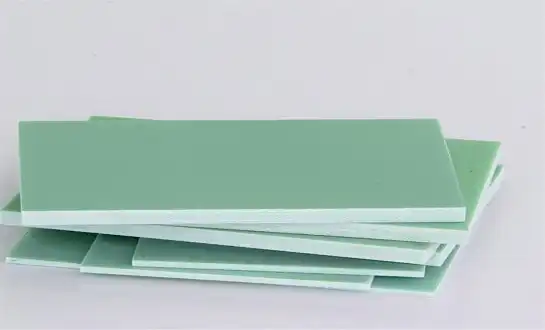
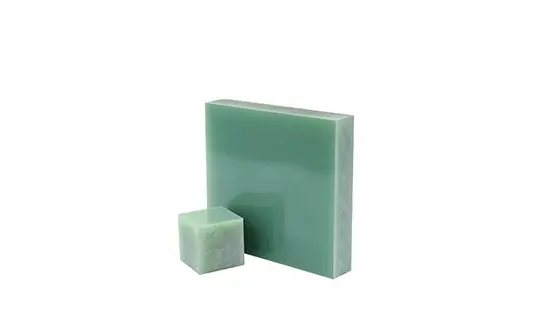
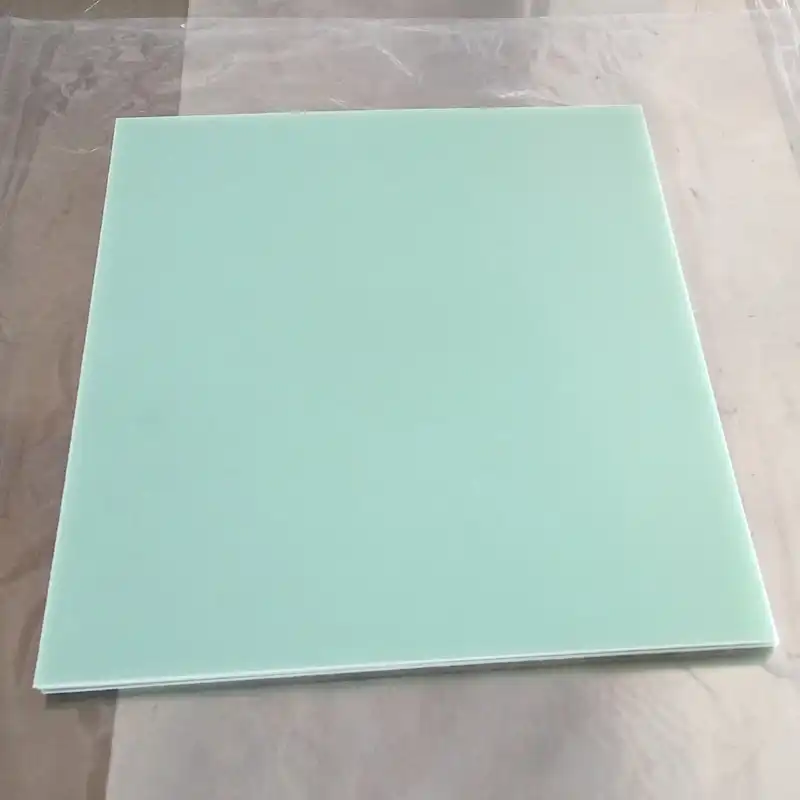
FR4 is a hybrid structure made up of woven fiberglass cloth that strengthens the structure mechanically and epoxy glue that holds everything together and keeps electricity from flowing. The label "Flame Retardant 4" means that the material meets UL94 V-0 standards. This means that it puts out its own fire within seconds of being exposed to an open flame, which is an important safety feature for electrical uses. Depending on the resin mixture, the glass transition temperature is usually between 130°C and 180°C. This temperature directly affects how the material reacts to heat during cutting. When you use CNC routing, this mixed nature can be tricky because you have to cut through both hard glass fibers and soft resin structures at the same time. For best results, you need to use different cutting techniques for each.
Electrical Characteristics Impacting Machining Strategy
At 1 MHz, the dielectric constant of FR4 is usually between 4.2 and 4.8. It stays surprisingly stable over a wide frequency range. Keeping the material's thickness and edge quality the same during cutting is important for keeping the electrical performance you planned into the part. The dissipation factor stays below 0.02, which means that signal loss is kept to a minimum. However, this benefit is lost if routing processes cause delamination or surface contamination. When we route high-frequency circuit boards, even tiny fiber tearing can cause signal integrity problems. This means that clean cutting edges are not only a matter of taste, but also of function, which determines whether your component meets specification.
Material Variants and Grade Selection
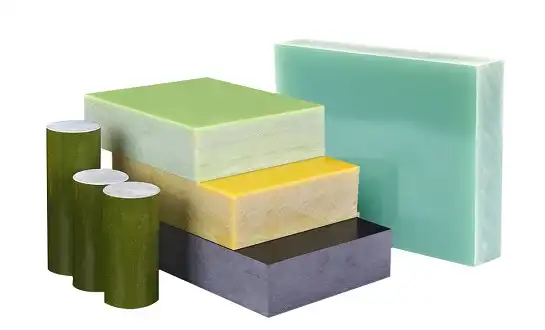
Standard FR4 grades are good for most general-purpose uses as long as the temperature stays below 130°C. They are also very cost-effective for insulating power delivery parts and appliances. High-Tg versions improve thermal performance to 170°C or higher, which is important for uses like power electronics and car engine parts where heat stress makes the material less stable. In order to meet environmental standards for consumer gadgets, some requirements also include halogen-free formulations. The grade you choose affects how the routing works. For example, a higher glass content makes the material more abrasive and increases tool wear, while resin-rich formulas tend to get sticky and can clog cutting blades. Knowing about these trade-offs helps buying teams choose materials that meet the needs of the product while also being easy to machine.
Design for Manufacturing (DFM) Principles for CNC Routing FR4 Components
Common Routing Challenges and Root Causes
When routing forces separate the layers of glass cloth from the epoxy matrix, this is called delamination. This can happen because the tools are dull, the feed rates are too high, or the material isn't supported well enough during cutting. This flaw is easy to spot because the laminate layers are coming apart near the cut edges. This weakens both the mechanical strength and the resistance to water. Chipping happens when fragile glass strands break instead of being cut neatly, leaving rough edges that can cause electrical tracking problems in high-voltage settings. When working with FR4, tool wear happens much faster than when working with metals. This is because the rough glass fibers slowly wear away at the cutting edges, making them less precise and more likely to have other problems. These problems get worse in production settings, where even experienced manufacturing teams have a hard time meeting the needs for both volume and quality.
Tooling Selection and Geometry Optimization
When routing FR4 sheets, carbide end mills with diamond coats last a lot longer than uncoated options, sometimes up to 10 times longer. They also keep their sharp edges over longer production runs. By moving cutting forces inward instead of pulling layers apart, compression spiral geometry, which has both upcut and downcut flute sections, cleans both the top and bottom surfaces at the same time. We've found that two-flute designs work better than four-flute designs in FR4 situations because the bigger flute gaps help chips escape, which stops resin buildup that leads to surface burning and changes in size. When choosing a router bit diameter, the corner radius and fine feature capabilities are affected. This means that design teams have to set realistic minimum measurements that take into account the tools that are available rather than theoretical possibilities.
Feed Rate and Speed Parameter Guidelines
For FR4 routing, spindle speeds between 18,000 and 24,000 RPM usually strike a good mix between cutting speed and heat production. However, the best choices rely on the thickness of the material and the diameter of the tool. Feed rates need to be fine-tuned. If they are too slow, the resin will soften and smear because of the friction heating, and if they are too fast, the tool will chip and break early. A good starting point is 100 to 150 inches per minute with 0.005 to 0.010 inches of depth per pass. From there, you can make changes based on how the edge looks and how the tool wears. Most of the time, the edge quality of climb milling is better than that of conventional milling. This is because the cutting forces push fibers against the bulk material instead of pulling them away. By testing these factors with your specific batches of materials and tools, you can avoid making expensive assumptions that seem good on paper but don't work in real life.
Cooling and Dust Management Strategies
Directing compressed air cooling at the cutting zone stops heat buildup that hurts both the quality of the edge and the life of the tool, without the moisture problems that come with using liquid coolants. At the same time, the air stream removes glass dust particles that would otherwise build up in the flutes and scratch the surface. Not only is dust extraction important for keeping the machine clean, but it's also important for the health of the people who work on it, because respirable glass fibers are very dangerous to the lungs and need proper air and filter systems. Some businesses are able to use ultrasonic-assisted cutting, which uses high-frequency vibrations to lower cutting forces and lower the risk of delamination. However, this technology needs expensive, specialized equipment that only makes sense in high-volume production settings where quality improvements are worth the extra cost.
Comparing FR4 to Alternative PCB Materials in CNC Routing Context
CEM-1 and CEM-3 Composite Materials
These cellulose paper-based composites that are bound with epoxy glue are cheaper than FR4 sheets, but they are less resistant to moisture and don't have as much mechanical strength. Because of this, they are only good for low-stress household electronics and not for commercial uses. It's easier to make CEM materials because paper fibers don't cause the rough tool wear that comes from glass support. This means that feed rates can be faster and tools can last longer. The trade-off is clear in the limited performance: in wet settings, dimensional stability suffers, and lower glass transition temperatures limit the temperature ranges that can be used. When procurement teams look at alternatives to CEM, they should carefully consider whether the initial cost savings are worth the lower reliability in the field, especially for goods that need to be backed by a warranty or perform important tasks.
High-Frequency Laminates Like Rogers Materials
Rogers and other similar PTFE-based laminates have better electrical performance for RF and microwave uses. They can keep signals intact at gigahertz frequencies with dielectric constants as low as 2.2 and dissipation factors below 0.001. When it comes to turning, these materials are very different from FR4. They are softer and more likely to tear, so they need very sharp tools and different cutting settings. The cost of the tools stays the same, but the material is usually 5–10 times more expensive. Because of this, Rogers-type laminates are only economically viable in situations where electrical requirements really need their performance benefits. A lot of designs call for high-frequency materials that aren't needed when normal FR4 grades would work just fine. This drives up costs without adding any usefulness.
Aluminum and Metal Core PCB Substrates
Metal-backed boards can manage heat better than organic laminates because they move heat away from power components and high-current lines. When routing metal core boards, you need to use very different equipment because you're cutting through aluminum layers and insulating materials, which speeds up tool wear and needs slower feed rates. The mixed material structure makes DFM more difficult to understand—drill registration is more important, and layer separation risks rise if route parameters aren't managed correctly. These substrates are mostly useful for LED drivers, power converters, and car electronics that need to handle higher temperatures than FR4 can safely handle. However, they make production more difficult, which increases costs and lead times.
Procurement and Supply Chain Tips for FR4 Sheets and Components
Evaluating Supplier Reliability and Certifications
Quality certificates are important because the properties of FR4 sheets made by different companies are very different. Uneven material properties make routing difficult and slow down production. Instead of taking specs that haven't been checked, look for suppliers that have ISO 9001 quality management systems and UL recognition for claims of flame resistance. Ask for material test results that show dielectric strength, water absorption rates, and glass transition temperatures. Reliable sellers will gladly give you this information, but sources you don't trust will make excuses. We've learned that it's better to work with suppliers who know how CNC routing works than to look for the cheapest ones that send material that barely meets the bare minimum requirements.
Minimum Order Quantities and Lead Time Planning
Standard sheet sizes are 48" x 96" panels, and many providers require minimum orders of 10 to 20 sheets for stock grades. For special thicknesses or specs, you may need to order more sheets. Planning your buying processes around realistic wait times will keep your production from being held up. For example, popular grades from domestic suppliers are usually shipped within one to two weeks, while foreign materials take six to eight weeks, which includes clearing customs. Price breaks can sometimes be unlocked by making large orders, but balancing the costs of keeping inventory with the saves on each unit takes a thorough look at how much you actually use and how much space you have. Building ties with suppliers who keep stock in your area can help you get materials quickly for urgent jobs without having to buy a lot at once.
Cost Analysis and Price Negotiation Approaches
For copper-clad laminates, material costs usually follow market prices. Thickness, copper weight, and special performance grades affect per-square-foot prices. Smart buying teams don't just look at the cost of the materials; they also look at the total cost of ownership, which includes things like freight, minimum orders, payment terms, and the availability of expert support. Sometimes, suppliers who sell materials and also do production work offer better total value because they can streamline your supply chain and improve quality control by knowing how their own materials work. If you make annual volume agreements, you can get better prices and still be flexible with changes to specifications. However, these deals only work if you can reasonably predict your demand.
Ensuring Quality and Reliability in FR4 CNC Routing Outputs
Critical Inspection Methods and Acceptance Criteria
Visual inspection can find flaws like chipping, delamination, and surface burning, but dimensional proof needs the right measuring tools that can find differences as small as 0.005 inches. When you use magnification for edge quality assessment, you can see things like fiber extension, resin smearing, and interlayer separation that might not be obvious to the naked eye but are actually problems with how the product works. By putting high voltage between conductive surfaces during electrical testing, the dielectric strength is confirmed. This makes sure that the insulation integrity wasn't lost during route operations. Using written inspection methods with clear acceptance criteria stops subjective quality decisions that make production runs and workers inconsistent.
Post-Processing for Enhanced Performance
Light sanding or deburring gets rid of fiber strands and edge irregularities that made it through routing. This improves both the look and the safety of the electrical connections by getting rid of possible tracking paths. Edge sealing with special coats that stop water from getting in through visible glass fibers is useful in some situations, especially when the area is damp or outdoors. When you clean the surface, you get rid of machining leftovers and glass dust that could get in the way of later assembly steps like soldering or glue bonding. These extra steps require more work, but they usually pay off by lowering failures in the field and customer complaints that hurt the company's image and cause guarantee costs that are much higher than the extra process investment.
Continuous Improvement and Performance Tracking
Setting up key performance measures, like first-pass yield rates, average tool life, and defect counts by type, makes it easier to see what the process can do and where it can be improved. If you keep an eye on these metrics over time, you can see if changes to the tools, the parameters, or the lots of materials used affect the results. This lets you make choices based on facts instead of gut feelings. Supplier scorecards that show consistent materials, on-time deliveries, and quick responses to technical support requests can help you find partnership opportunities instead of business relationships that need constant supervision. Instead of looking for magic bullet answers, the best way to make FR4 routing is to pay close attention to every detail in the materials, processes, people, and tools.
Conclusion
To successfully use CNC to cut FR4 sheets, you need to know a lot about materials science and be good at making things. Because glass-reinforced epoxy laminates are composites, they are hard to machine and need special tools, ways to make the parameters work better, and ways to make sure the quality is good that are very different from working with metals or plastics. Instead of just thinking of routing as a step in the manufacturing process, your DFM plan needs to take these features into account during the design phase. Smart material selection, partnerships with suppliers, and ongoing process improvement are what set makers who regularly deliver quality parts apart from those who have problems with defects and waste. Spending money on the right tools, equipment, and knowledge pays off in the form of less trash, faster output, and more reliable products.
FAQ
What thickness of FR4 sheet works best for high-frequency PCB applications?
When the frequency is above 1 GHz, thinner laminates (between 0.031" and 0.062" thick) usually work better because they shorten the signal path and lower dielectric losses. Since manufacturing errors are smaller percentages of total thickness, the thinner cross-section also makes impedance control more accurate. Thinner materials, on the other hand, are less rigid mechanically, so they may need extra support during use and building.
How can I verify laminate quality before committing to bulk purchases?
Ask for approved test results that show the dielectric constant, dissipation factor, glass transition temperature, and resistance to flame. Get sample sheets to use for test cutting that will show you how the routing works and how good the edges are with the tools you have. Legitimate providers are happy to go through these steps of proof, while resistance is a sign of possible quality issues that should be looked into before making large-scale promises.
What are the main machining differences between FR4 and specialized materials like Rogers laminates?
Compared to FR4 sheet goods, Rogers materials are easier to cut but easier to tear, so they need sharper tools and slower feed rates. The softer PTFE-based design gets rid of the rough tool wear that glass fibers cause, but it also brings new problems with edge quality and stability during cutting. When moving from FR4 to high-frequency laminates, parameter sets that were designed for FR4 usually need a lot of changes.
Partner with J&Q for Precision FR4 Manufacturing Solutions
J&Q has been making insulating sheets for more than 20 years and has a lot of experience with CNC cutting uses for tough industrial settings. Our expert team knows how to help engineers and procurement workers improve both the design of parts and the efficiency of the supply chain by understanding the complex link between material properties and machining parameters. As a well-known provider of FR4 sheets for sale, we have strict quality control methods that make sure the material properties are always the same. This gets rid of the routing factors that make production less reliable.
Our combined service model combines providing materials with the ability to make things to order. This makes your supply chain more efficient and improves communication and responsibility throughout the production cycle. We've put money into our own logistics infrastructure, which lets us set flexible supply times that keep your business running smoothly without putting too much stress on your goods. Our experience helps customers in the electrical equipment, machinery, power systems, automobile, and appliance manufacturing sectors, whether they need help with technical aspects of making prototypes or need to increase production numbers while keeping tight tolerances and process control.
Contact our team at info@jhd-material.com to talk about your unique FR4 route needs. We'll look over the specifics of your application, suggest the best material specs, and come up with buying plans that meet your quality standards and budget. Let's work together to find answers that will help you make better products and improve your manufacturing skills.
References
Coombs, C.F. (2008). Printed Circuits Handbook, Sixth Edition. McGraw-Hill Professional.
Gilleo, K. (2004). Area Array Packaging Handbook: Manufacturing and Assembly. McGraw-Hill.
Prasad, R.P. (1997). Surface Mount Technology: Principles and Practice, Second Edition. Chapman & Hall.
Sergent, J. & Krum, A. (1998). Thermal Management Handbook for Electronic Assemblies. McGraw-Hill.
Blackwell, G.R. (2000). The Electronic Packaging Handbook. CRC Press.
Harper, C.A. (2005). Handbook of Plastics, Elastomers, and Composites, Fourth Edition. McGraw-Hill.

Get a complete product list and quotation

J&Q New Composite Materials Company