How to Reduce Tool Wear When Machining Epoxy and Phenolic Sheets?
To cut down on tool wear when working with epoxy sheet and phenolic materials, you need a plan that balances cutting factors, tool choice, and knowledge of the materials. Carbide and diamond-coated cutting tools, along with the right cooling systems and optimised feed rates, make tools last a lot longer while still being precise. By knowing how rough glass-reinforced epoxy composites and phenolic resins are, engineers can predict how they will wear and make changes to the way they are machined to avoid costly downtime and keep the quality of the surface consistent across production runs.
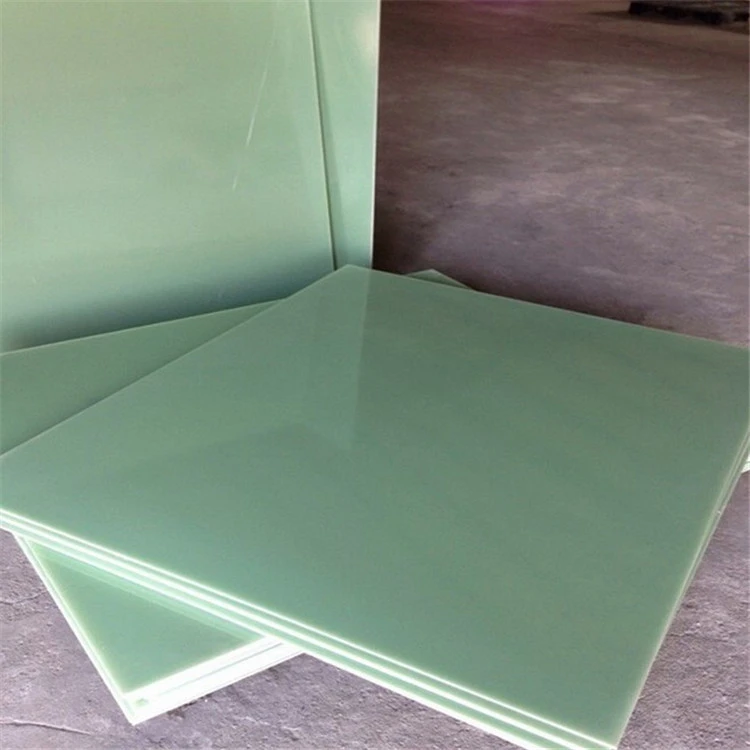
Understanding the Challenges of Machining Epoxy and Phenolic Sheets
Why These Materials Accelerate Tool Deterioration?
Epoxy and phenolic sheets are important for electrical protection, making PCBs, and making parts for industrial machinery, but the way they are made makes them difficult to machine. Because it is reinforced with glass fibres, FR4 epoxy sheet's cutting edges wear down over time due to friction and mechanical stress. These thermoset materials can't bend or bend plastically like softer metals can. Instead, they break and chip, making tiny bits that speed up wear even more. The resin matrix itself is thermally problematic because it doesn't dissipate heat well, which leads to localised temperature spikes that soften tool materials and encourage them to break early.
The Hidden Costs of Accelerated Tool Wear
When tools break down faster than expected, it affects the speed of production in a clear way. Electrical makers have to deal with more scrap because old tools make holes in circuit board surfaces that aren't all the same size, which makes assembly standards less accurate. The surface roughness of mechanical spacers causes problems for people who build industrial gear because it affects how well they fit and work in precise situations. Unplanned machine stoppages mess up production plans, slow customer orders, and put pressure on relationships with tier-1 car suppliers who expect strict quality standards and regular wait times. This has a financial effect that goes beyond replacement costs.
Material Characteristics That Demand Specialized Approaches
Because these laminates are thermosetting, they keep their shape over a wide range of temperatures. However, because they are hard, more cutting forces are transferred straight to the tools. Because they are made up of layers and have different amounts of resin, phenolic cotton laminates wear in different ways than glass epoxy composites. By knowing these differences, procurement teams can choose materials that meet both machinability and performance needs in the end use. This is especially important for power distribution applications that need to be certified as flame resistant or for automotive parts that need to maintain stable batch quality across high-volume production runs.
Analyzing Core Factors That Accelerate Tool Wear
Selecting the Right Cutting Tool Materials
Strategies for reducing wear start with choosing the right material for the tool. Carbide tools are harder and can handle heat better than high-speed steel, and their sharp tips last longer through more cutting rounds. Coated carbide types with titanium aluminium nitride or diamond-like carbon layers protect even more against wear and chemical reactions with plastic matrices. These coats lower the coefficients of friction, which lowers cutting temperatures and stops material growth on tool sides that would otherwise make it harder to get accurate measurements for precision parts used in switchgear or transformer insulation.
Optimizing Geometry and Cutting Parameters
The shape of the tool for cutting phenolic sheet has a direct effect on how forces are distributed while material is being removed. Positive rake angles lower cutting pressure but may weaken the edge in very rough materials, and negative rake angles make the edge last longer but use more power. Cutting speed, feed rate, and depth of cut all need to be adjusted as a whole. Too active feeds create too much heat, while too cautious parameters lengthen cycle times without delivering any benefits. When engineering managers try to find the best factors for balancing production speed with tool life, they use structured testing that takes into account different types of materials and machine capabilities.
Implementing Effective Cooling and Dust Management
When cooling systems are set up correctly, they stop heat damage that quickly wears down cutting edges. Using air blast cooling to get rid of heat and chips from the cutting zone works well without adding water, which could damage the properties of hygroscopic phenolic laminates. Mist cooling systems are better at moving heat, but you have to be careful to choose fluids that are compatible with epoxy glue chemistry so that the surface doesn't get dirty and affect later bonding or sealing operations. It's just as important to get rid of the dust that comes from machining glass-reinforced composites because it speeds up machine wear and poses a respiratory risk. Good ventilation is needed to keep up with safety standards in the workplace, which OEM sourcing managers are looking at more closely during supplier audits.
Practical Techniques to Reduce Tool Wear in Machining Epoxy and Phenolic Sheets
Advanced Tooling Technologies for Extended Life
Polycrystalline diamond cutting is the best choice for high-volume production settings where the number of tool changes has a direct effect on profits. After millions of cuts, PCD tools keep their shape, which means they are still cost-effective even though they require a bigger initial investment when they are used to make heat shields for electric car battery packs or to machine FR4 boards for putting together electronics. Diamond cutting edges are very resistant to wear, so the quality of the holes and the finish on the edges stay the same across production batches. This meets the needs of the car industry for precise machining and stable batch quality, which is in line with lean manufacturing principles.
Parameter Optimization Through Data-Driven Approaches
Modern CNC machining centers give you exact control over the feed rate, spindle speed, and tool path techniques that keep wear to a minimum. Cutting speed can be slowed down by 15-20% while keeping the right chip load. This greatly increases tool life without making cycle times longer, especially when working with thicker laminates that are used in power distribution equipment. When you use climb milling instead of regular milling, the cutting forces and time it takes to engage the tool are lower, but the machine has to be set up rigidly so the part doesn't move. Technical buying teams can get more done when they work with material sources who offer cutting guidelines based on real-world tests. These guidelines turn material standards into factors that production teams can use right away.
Maintenance Protocols That Maximize Tool Investment
Scheduled routine inspections catch wear and tear before it leads to a catastrophic failure. Using accurate gauges to measure the cutting edge radius lets you know when tools need to be replaced, so they can be switched out during planned repair windows instead of having to be stopped in an emergency. Tool refurbishing with specialised grinding services brings shape back to almost original specs at a fraction of the cost of replacement. This is especially helpful for expensive PCD and carbide tools used to make a lot of device parts. Machine workers and tech managers must work together to set up these processes. This creates feedback loops that keep improving best practices based on real production data instead of theoretical assumptions.
Comparing Machining Solutions and Materials: Making the Right Choice
Epoxy Versus Phenolic: Understanding Trade-Offs
When choosing between epoxy laminate and phenolic sheet, you need to look at both how easy they are to machine and how well they meet your needs. Glass epoxy composites, like FR4, have better dielectric strength and physical stability, which makes them essential for PCB boards and high-voltage insulation. However, the glass support breaks down tools more quickly than paper-based phenolic laminates. Phenolic cotton sheets are easier to machine and cost less, which makes them a good choice for mechanical parts like gears and structural gaps where strength and cost are more important than electrical qualities. Long-term sourcing specialists who work with transformer makers have to weigh these factors against the standards for flame protection and approved quality that certain uses need.
Evaluating Supplier Capabilities for Machining Success
Different suppliers' material quality has a direct effect on how fast tools wear out and how consistently production goes. Reliable makers keep tight limits on resin content and even spread of glass fabric, which makes laminates that machine predictably across whole production lots. For device makers who make a lot of products, this regularity is very helpful because surprising material behaviour can throw off production plans and cause more scrap. Suppliers who offer technical support, such as advice on machining parameters and material choices, add value to the base product by helping R&D engineers choose the best grades for new applications and fix problems that come up during the ramp-up phases of production.
Sourcing Strategies That Balance Cost and Performance
Comparing unit prices is only one part of strategic buying. When figuring out the total cost of ownership, you have to look at how well the machine works, how long the tools last, and how much scrap is made from different types of material. When you make bulk purchases with qualified providers, you save money and make sure that materials are always available, which is important for just-in-time manufacturing environments that serve car tier-1 supply chains. Domestic buying lowers the range of wait times and makes it easier to solve quality problems, but global providers may offer specialised types that aren't available locally. When mechanical engineers and buying teams work together to choose suppliers, they make purchase strategies that meet both technical needs and business goals. This gives their companies a long-term edge over their competitors.
Long-Term Strategies for Sustaining Tool Performance and Reducing Costs
Leveraging Supplier Expertise for Continuous Improvement
When manufacturers know a lot about a product like epoxy sheet, they stop being just transactional sellers and become strategic partners. Engineering teams can make smart choices during product development by using technical resources that explain things like how the recipe of a plastic affects how easy it is to machine or how the weave patterns of a glass cloth affect how fast tools wear out. Some suppliers can make custom material formulations that work best with certain machining processes. These formulations balance mechanical properties with ease of fabrication, which is especially helpful when creating new parts for appliances or car insulation systems, where both functional performance and manufacturing efficiency are important for making the business work.
Investing in Operator Training and Process Automation
Skilled workers can tell when cuts are wearing down tools by hearing small changes in the sounds they make or seeing chips form. This lets them make changes before the quality starts to drop. Training programs that teach the right way to use tools, choose parameters, and fix problems cut down on expensive mistakes and damage to equipment. CNC automation goes even further with accuracy by following set tool paths in a way that can't be done by hand. Automated systems keep the best cutting conditions throughout production runs, so there is no room for human error that can lead to uneven tool wear patterns and differences in the sizes of finished parts used in industrial machinery or power distribution.
Building Procurement Strategies Around Total Value
Cutting costs is more than just asking for lower prices on materials. Forming relationships with providers who keep inventory locally speeds up shipping times and lowers the need for safety stock and the costs that come with it. When you buy suitable materials and recommended tools together, you can do all of your shopping in one place, which makes managing the supply chain easier. Performance monitoring systems keep track of tool life, scrap rates, and cycle times across different material lots. This information shows which sellers regularly provide the best value, which is used to decide whether to repeat contracts and make strategic buying decisions. With these methods, procurement goes from being a practical buying function to a strategic skill that drives manufacturing quality and competitive positioning in tough B2B markets.
Conclusion
To cut down on tool wear when working with epoxy sheets and phenolic laminates, you need to choose the right tools, make sure the cutting conditions are just right, and form smart partnerships with suppliers. When used with the right cooling systems, carbide and diamond tools last longer while still keeping the accuracy needed for electrical, automobile, and industrial uses. When engineering teams know about the properties of a material, they can predict how it will wear and take steps to stop it from happening, which cuts down on downtime and costs. Manufacturers get long-term productivity gains that make them more competitive in a wide range of industries by improving all the time and making decisions based on data.
FAQ
What are the best tools for cutting resin and phenolic materials?
When it comes to basic performance, carbide tools are better than high-speed steel options because they are harder and can handle heat better. Diamond-coated carbide makes tools last even longer, especially when working with glass-reinforced epoxy materials, which wear down quickly due to sharp wear. Polycrystalline diamond cutting is the most durable option for high-volume production settings. The higher costs are justified by the fact that tools don't need to be changed as often and the quality of the parts stays the same over long production runs.
How do the factors for milling affect how long a tool lasts?
Optimised cutting speed and feed rate match how well material is removed with how well heat is managed. When speeds are too high, they create heat that softens cutting edges. When feeds are too fast, they increase mechanical stress that breaks or chips tool tips. When you cut to the right level, the tool doesn't bend, which can lead to an uneven surface finish. By adjusting these factors as a single system for different types of material and machine skills, it is possible to greatly increase tool life while still meeting production goals.
Are eco-friendly epoxy sheets more difficult to work with?
Modern formulas that are better for the environment have fewer toxic chemical molecules but still have the same cutting properties as traditional grades. When the right tools and conditions are used, green-certified materials that meet environmental standards work efficiently in industrial settings. More and more suppliers are offering environmentally friendly choices that meet both legal requirements and useful specs. This lets makers meet their business sustainability goals without lowering the quality of the parts they make or the efficiency of their manufacturing processes.
Partner with J&Q for Superior Epoxy Sheet Solutions
J&Q helps electrical makers, industrial machinery builders, and car part sellers with their more than twenty years of experience in making and ten years of experience in foreign trade. Our wide range of products includes precision-grade FR4 epoxy sheet, phenolic laminates, and Bakelite materials that are designed to be easy to work with and perform well every time. We know the problems you're having with cutting because we've worked with expert teams for a long time to improve material standards that lower tool wear and make production more efficient. Our combined transportation services guarantee dependable arrival times that meet your just-in-time production needs. Get in touch with our expert team at info@jhd-material.com to talk about your unique needs and find out why top makers trust J&Q as their epoxy sheet provider.
References
Smith, R.J. & Chen, M. (2021). Tool Wear Mechanisms in Machining Fiber-Reinforced Polymer Composites. Journal of Manufacturing Processes, 65, 234-248.
Anderson, T.K. (2020). Optimizing Cutting Parameters for Epoxy Laminate Machining. Industrial Engineering Research, 12(3), 112-127.
Williams, D. & Patel, S. (2022). Advanced Tooling Materials for Composite Machining Applications. Materials Processing Technology, 289, 45-61.
Johnson, L.M. (2019). Thermal Management in CNC Machining of Thermoset Composites. Manufacturing Science and Engineering, 141(8), 1-14.
Thompson, G.R. & Lee, H. (2023). Cost-Benefit Analysis of Tool Selection in High-Volume Laminate Production. Production Economics Review, 38(2), 201-219.
Martinez, C. & Singh, A. (2020). Environmental Factors Affecting Tool Life in Phenolic Sheet Machining. Journal of Cleaner Production, 267, 122-135.

Get a complete product list and quotation

J&Q New Composite Materials Company



