What Tool to Use for Cutting Bakelite Sheets?
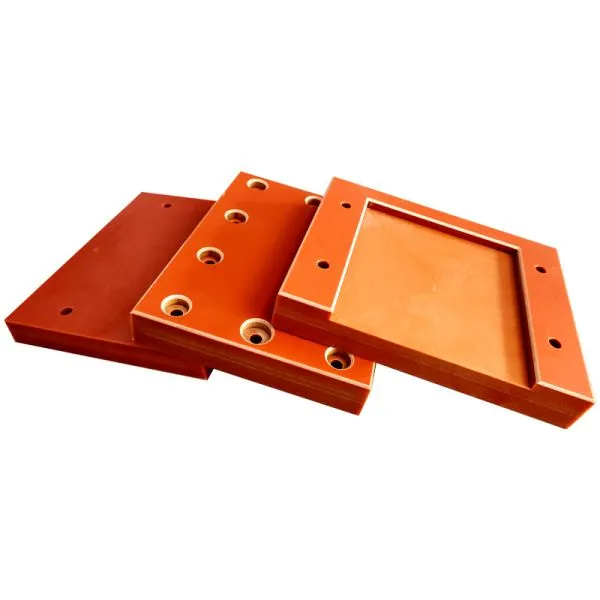
The right tool is very important when cutting Bakelite sheets, which are also called phenolic paper laminate. Without it, you will either end up with precise parts or waste that costs a lot of money. Most of the time, laser cutting systems, CNC cutters with carbide-tipped bits, or special circle saws with fine-tooth carbide blades work best. Each way makes clean lines with this thermoset material without cracking it. CNC machines are very good at repeating jobs, laser systems are great for cutting without touching the workpiece, and circle saws with the right blade speed are a good mix of price and quality. Picking the right cutting tool relies on how much you need to make, how accurate you need to be with the measurements, and how thick the Bakelite sheet is.
Understanding Bakelite Sheets and Cutting Challenges
Bakelite is a thermosetting phenolic resin that is highly valued in the electrical, automobile, and machinery industries. It was the first manufactured plastic used in industry. This substance has a dielectric strength greater than 12 kV/mm and stays the same size at temperatures up to 300°F. Its unique qualities come from the way its molecules are cross-linked, which is also what makes cutting difficult.
The Material Science Behind Cutting Difficulty
Bakelite sheet is thermoset, which means it can't melt and rebuild like thermoplastics do when heated by friction. When cutting tools cause too much friction, the material doesn't melt; instead, the surface gets burned. The layers of paper that are saturated with glue create stress points inside the material that can cause it to separate if the wrong cutting methods are used. It's important for engineering managers and buying teams to know that Bakelite becomes more fragile as it gets thicker, especially in sheets thicker than 10 mm, where internal forces build up along cut lines.
Common Defects from Improper Cutting Methods
When manufacturers use the wrong cutting tools, they often run into three major problems. When the blade speed is higher than the material's breaking point, chipping happens along the cut edges. This makes tiny cracks that make insulation less effective in electrical uses. When cutting pressure breaks the layers of resin-bonded paper, this is called delamination. This makes the material useless for structural parts where laminate stability is important. When friction heat builds up faster than it can be lost, it weakens a material's ability to keep electricity from flowing through it. This can cause darkening or surface burning.
We've seen these flaws in a lot of different fields, from automotive battery barriers that don't have strong edges to transformer insulation parts that failed UL approval because the surface got carbonized. Knowing these types of failure helps procurement professionals make the case for buying the right cutting tools instead of settling for poor results from tools that weren't made for the job.
Modern Cutting Tools and Techniques for Bakelite Sheets
The way businesses make phenolic laminates has changed because of advances in technology. Today's cutting solutions deal with issues like heat sensitivity, brittleness, and the need for accuracy that plagued older versions of equipment. Modern systems find a good mix between cutting quickly and preserving the material, giving you an edge that meets strict electrical and mechanical standards.
CNC Router Systems: Automation Meets Precision
CNC cutting has become the most popular way for electrical equipment manufacturers to handle large amounts of Bakelite sheets. These computer-controlled tools can cut in complex ways over and over again, which is impossible to do by hand. The systems can work with a range of tools, such as single-flute carbide bits for smooth cuts and diamond-coated tools for long production runs without having to change the tools.
When we put in CNC cutting in our factory, the accuracy of our work got a lot better. The machines keep their feed rates steady between 1500 and 3000 mm/min, based on the thickness of the material. This means that the speeds don't change like they do when cutting by hand. Vacuum hold-down systems keep sheets in place while they are being cut, which stops vibrations from chipping the edges of the parts. Stepped cutting depths can be programmed into modern CNC controls. This lets workers work with thick laminates in multiple passes, which keeps tools from getting too hot and overloaded.
Cooling issues have a big effect on the results of CNC cutting. Mist lubrication systems send out controlled amounts of water that remove heat from contact without wetting the paper-based layer, which can't handle too much water. Compared to dry cutting, this method of cooling lowers the temperature in the cutting zone by 40 to 60°F, which keeps the material's shape. CNC routers are useful for mechanical engineers because they can do complicated profiles, precision drilling, and internal cutouts all in one setup. This saves time and makes it easier to match the sizes of different parts.
Laser Cutting: Precision Without Physical Contact
Laser cutting has special benefits for Bakelite sheets that are thin to medium thickness, usually up to 6mm. The directed beam vaporizes the material along the cut path without using mechanical power. This completely eliminates the risks of chipping and delamination. Lasers that use CO2 and have power levels between 40 and 150 watts can handle phenolic laminates with little heat damage.
This non-contact method works great for cutting complicated shapes for electrical parts like circuit board mounting mounts with many small holes or artistic panels that need complicated shapes. Because the tools don't wear out, there is no dimensional drift during long production runs. This is a huge benefit for companies that make car parts and need to keep batch-to-batch accuracy high. Laser cutting makes edge ends that often don't need any extra finishing steps. This cuts down on the number of steps needed to handle something and the risk of damage during handling.
However, thermal control is still important, even for laser devices. Localized temperatures above 1000°F are created by the melting process, leaving narrow heat-affected zones along the sides of cuts. Improving the beam speed, power levels, and assist gas flow keeps output rates acceptable while preventing too much charring. It works better than compressed air for getting clean lines because it stops oxidation processes from happening while cutting.
Carbide and Diamond Blade Systems: Balancing Durability with Quality
For straight cuts and simple fabrication tasks, the most cost-effective tool is a specialized circle saw with blades that are tipped with carbide or diamond. The tooth shapes on these blades are specially made for composite materials. Negative rake angles make it less likely that the material will grab, and high tooth counts (80–120) make the edges smoother than with general-purpose blades.
When working with rough phenolic laminates, diamond-tipped blades make them last a lot longer. Mineral fills don't wear down the crystalline cutting edges, and they stay sharp for thousands of linear feet of cutting. This means that the edge quality stays the same over the life of the blade, so there is no quality change like there is with regular blades as they wear down.
The results are greatly affected by the correct arrangement of the blades. The best balance is found when blade speeds are between 3000 and 4000 surface feet per minute. This is fast enough to cut well but slow enough to keep friction from heating up. The speed of the blades needs to be matched by the rate of feeding. If you feed too slowly, the heat will build up, and the material will tear out. For sheets smaller than 3 mm, we suggest blade supports to keep the blade from deflection, which makes cuts that are wavy.
Choosing the Right Cutting Tool: Key Factors for B2B Buyers
To choose the right cutting equipment, you need to make sure that its technical skills match your unique operational needs. When making purchases, people should think about more than just the price. They should also think about the total cost of ownership, which includes things like repairs, replacement parts, and lost output.
Material Thickness and Production Volume Considerations
The thickness of the Bakelite sheet affects the cutting ways that can be used. Laser systems that offer accuracy without mechanical stress work well with materials that are less than 3 mm thick. Thicknesses in the middle, between 3 and 12 mm, work well with CNC cutting and carbide tools because they are fast and flexible. If the material is thicker than 12 mm, it may need to be routed more than once or a special type of saw with blade stiffeners to keep it from deflecting.
Production volume economics change the reason for tools in a big way. If a facility processes less than 50 sheets per month, hand circle saws with good blades may be fine, even though they are less efficient. Operations that cut more than 200 sheets of paper every week benefit from CNC automation, which gets rid of the need for workers and makes better use of materials through better packing. Companies that make a lot of things for the car or product industries often need more than one cutting system. For example, they might need lasers for precise work, CNC routers for complicated forms, and panel saws for basic measurements.
Quality Requirements and Downstream Processing
Specifications for the parts directly affect the choice of cutting technology. Power distribution equipment that needs to be resistant to arcs can't stand edge charring because it breaks down the insulation. For these uses, cutting methods that cause the least amount of thermal damage are needed. Wider tolerance bands can be used for mechanical fillers and structural parts. This lets them be cut more quickly, putting output over surface finish.
Think about how cut edges connect to processes that come after them. Cuts that leave little edge damage that needs to be fixed are better for parts that need to be machined later. Assemblies that use adhesive bonding need clean sides that aren't dirty or damaged by heat, which makes it harder for the glue to stick. Finished parts with cut edges that can be seen, like control panel covers or device housings, need edge quality that doesn't need any extra finishing.
Operational Safety and Environmental Compliance
When you cut phenolic laminates, you breathe in dust that contains formaldehyde molecules from the resin glue system. Occupational exposure limits must be met by dust collection systems, which usually means extraction rates of more than 800 cubic feet per minute at the cutting contact. CNC machines with built-in dust collection hoods catch particles where they start, keeping workers safe and the workplace clean.
Different cutting processes make a lot of different kinds of noise. Laser systems make sounds that are about 70 to 75 decibels, which isn't too loud. Circular saws and cutters that work at high speeds make 90 to 100 decibels of noise, which means that hearing protection is needed and their placement in facilities may be limited. When looking at tools, OEM buying managers should make sure it meets the safety standards for the workplace in their area.
Long-term working economics are affected by the cost of tool upkeep and replacement parts. Laser systems need to have their mirrors and focus lenses cleaned and replaced on a regular basis, but they don't need blade inventory. Strategic tool inventory management is needed for CNC machine operations. This means keeping a variety of bit sizes and shapes on hand and keeping track of tool life to avoid problems during production. For circular saw businesses, they need either services to sharpen the blades or buying cycles for new blades that work with their production plans.
Where and How to Procure High-Quality Bakelite Sheets and Cutting Tools
Source choices affect not only the cost of materials, but also the quality and dependability of output and parts. Building ties with capable suppliers gives you a competitive edge by giving you more ways to customize your products, better technical help, and a more stable supply chain.
Identifying Reputable Material Suppliers
Manufacturers of high-quality Bakelite sheets keep tight process controls during the resin impregnation, layup, and drying steps. Material approvals should show dielectric strength, flame protection, and dimensional limits for suppliers who work with the electrical, power, and industry sectors. We've seen big differences in quality between sources. Lower-quality materials have uneven thickness, bad resin impregnation that causes delamination, and contamination that changes the electrical properties.
Before making big purchases, especially when checking out new sellers, ask for examples of the materials you want to buy. Testing should be done to make sure that the features of machinability match your cutting tools and output needs. Check the quality of the edges after cutting sample pieces. High-quality materials have clean edges with little chipping, while low-quality laminates break in strange ways. The paperwork for certification should show that it meets the requirements of the relevant standards, such as UL94 flame ratings for electrical uses or mechanical property specs for structure uses.
The ability to customize sets basic sellers apart from strategic partners. Manufacturers who offer pre-cut services, custom thickness choices, and custom resin mixtures can help with design optimization and cut down on the amount of processing that needs to be done in-house. We've helped clients get rid of whole manufacturing steps by buying pre-sized parts instead of full sheets that needed to be cut.
Cutting Equipment Acquisition Strategies
Buying equipment means finding a balance between what the equipment can do and how much it costs. New CNC cutters that are fully automated are very productive, but they cost a lot of money. Depending on the table size and feature set, they can cost anywhere from $25,000 to over $100,000. Refurbished systems can be used as starting points at prices 40 to 60 percent of those of new equipment. They are good for businesses that want to test processes before increasing production. Leasing plans spread costs across running budgets and make sure that people can use the latest technology.
Before you buy equipment, look at the supplier's help system. Comprehensive training programs make sure that workers know how to set up, choose the right tools, and do routine repair on equipment so that it lasts as long as possible. When production problems happen, quick responses from technical help are essential—delays while waiting for vendor advice cause expensive downtime. Long-term ownership costs are affected by the supply of parts. Systems that use standard industrial components are less vulnerable than those that use unique components from a single source.
When choosing cutting tool providers, look at how long they've been in business and been successful. Vendors that work with the car, electrical equipment, or transformer making industries know what options will work best for each application. Some distributors of general industrial tools might not have the specific understanding to make phenolic laminate cutting processes run more smoothly.
Conclusion
To properly cut Bakelite sheets, you need to match the technology of the tools to the properties of the material and the needs of the production process. CNC cutters are flexible and accurate for making complex parts, laser systems can do fine details without putting stress on the machine, and carbide blade saws are inexpensive for basic production. Knowing your thickness range, number needs, and quality standards will help you choose the right tools. Buying the right cutting tools is an investment that pays off in the form of less waste, better quality, and higher efficiency. We've seen how choosing the right tools can turn cutting operations that aren't working well into reliable production processes that meet strict industry standards.
FAQ
Can I use regular woodworking saw blades to cut Bakelite sheets?
Can standard saw blades be used to cut Bakelite sheets? Standard tools for cutting wood wear out quickly and don't work well for cutting phenolic laminates. Regular teeth get worn down quickly by Bakelite's rough filler materials, which raise the friction heat and burn the material while making the edges rough. We strongly advise using carbide-tipped or diamond blades that are made to work with composite materials. These special blades stay sharp for longer periods of time and have tooth shapes that keep chips to a minimum.
How can I prevent cracking when cutting thin Bakelite sheets?
Cracks in thin Bakelite sheets are usually caused by not enough support or too much cutting force. Put backing boards under the material to keep it from warping while it's being cut. This will keep the sheet flat during the whole process. To keep mechanical stress at the cut contact as low as possible, lower the feed pressure and speed up the blade. Masking tape along the cut lines helps keep the edge fibers stable and lowers the chance of chip-out during breakthrough.
What cutting speed works best for different Bakelite thicknesses?
The best cutting factors are directly related to the thickness of the material. When it comes to sheets less than 3 mm thick, faster speeds (around 4000 square feet per minute) and slower feed rates work best. Thicknesses in the middle, between 3 and 10 mm, work well at 3000 to 3500 square feet per minute and modest feed rates. For materials thicker than 10 mm, speeds need to be lowered to around 2500 to 3000 surface feet per minute, and feeds need to be slowed down to keep the material from getting too hot and to let chips escape.
Partner with J&Q for Your Bakelite Sheet Needs
For precise cutting, you need high-quality materials. J&Q has supplied high-quality phenolic laminates to electrical makers, industrial machinery builders, and clients in the power sector around the world. Our technical team has more than 20 years of experience in production and 10 years of experience in foreign trade. They help engineering managers and procurement experts solve tough insulation problems. We keep a large stock of materials in a variety of thicknesses, along with quality paperwork that meets UL and foreign standards. Our combined transportation operation makes sure that delivery times are reliable and work with your production plans. J&Q is ready to be your reliable Bakelite sheet supplier, whether you need custom-cut parts or whole sheets for making things in-house. Email our team at info@jhd-material.com to talk about your unique needs and get expert advice that is tailored to your cutting tools and the needs of your application.
References
Baekeland, L.H. (1909). "The Synthesis, Constitution, and Uses of Bakelite." Industrial & Engineering Chemistry Research, Volume 1, Issue 3, Pages 149-161.
Harper, C.A. (2006). Handbook of Plastics Technologies: The Complete Guide to Properties and Performance. McGraw-Hill Professional Publishing, Chapter 8: Thermoset Resins.
Mallick, P.K. (2007). Fiber-Reinforced Composites: Materials, Manufacturing, and Design, Third Edition. CRC Press, Section 4.2: Machining of Thermoset Composites.
Society of Manufacturing Engineers (2015). Tool and Manufacturing Engineers Handbook: Plastic Part Manufacturing. Volume 8, Chapter 12: Cutting Technologies for Laminate Materials.
Chawla, K.K. (2012). Composite Materials: Science and Engineering, Third Edition. Springer Publishing, Pages 387-412: Processing and Fabrication Methods.
American Society for Testing and Materials (2018). ASTM D709-20: Standard Specification for Laminated Thermosetting Materials. ASTM International Standards, Section 7: Machining Recommendations.

Get a complete product list and quotation

J&Q New Composite Materials Company



